

Why You’ll Love This Tabbouleh
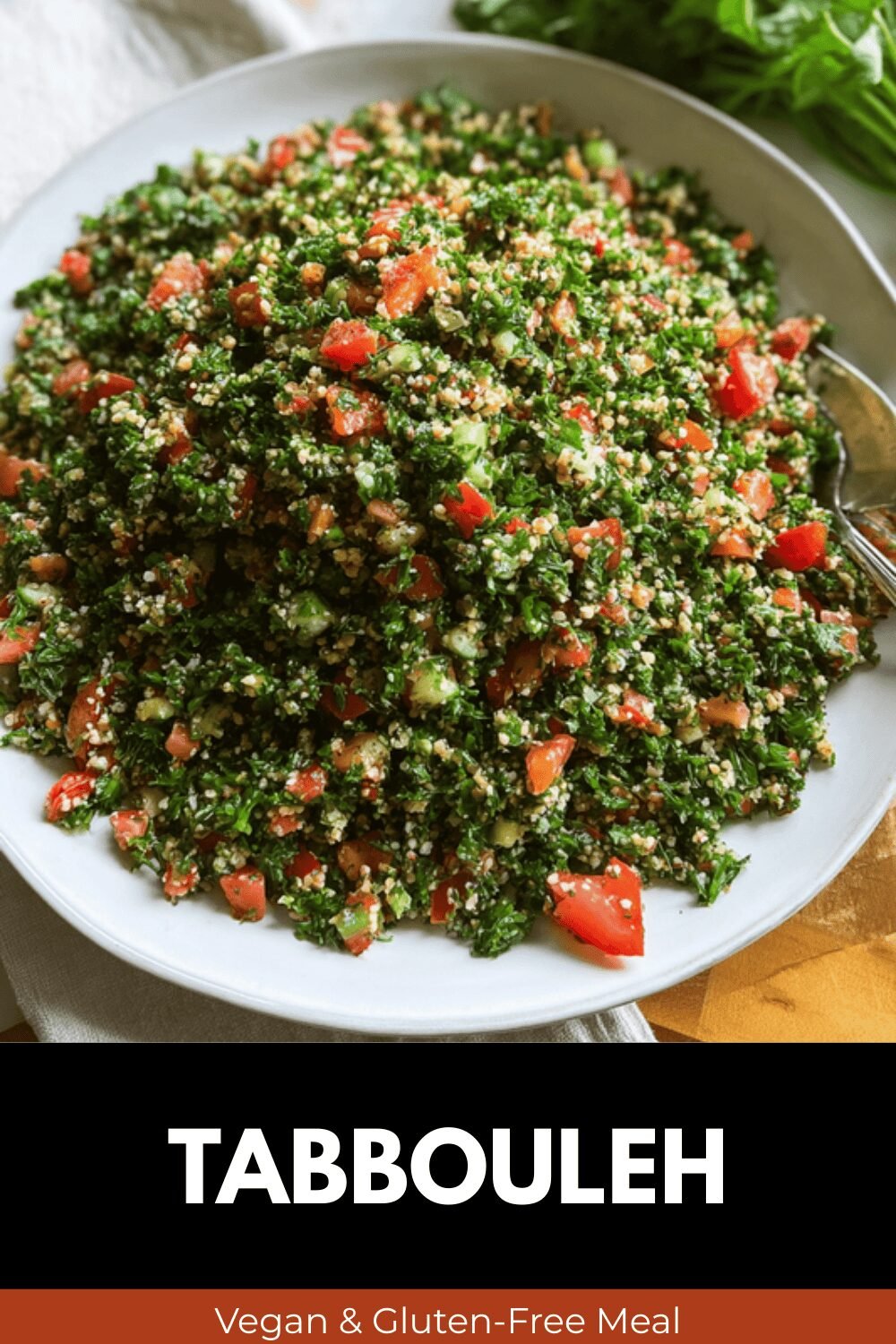
Tabbouleh is a refreshing staple of Mediterranean cuisine that’s as easy to whip up as it is packed with flavor. This salad brings together hearty grains, vibrant herbs, and zesty dressings to create a dish that’s both satisfying and light. Whether you’re a newbie in the kitchen or someone who loves experimenting with fresh eats, this tabbouleh fits right into your routine.
One big plus is how simple it is to prepare think quick chopping and minimal cooking, making it perfect for busy days. You’ll get a nutrient boost from all those fresh ingredients, like herbs and veggies that deliver fiber and antioxidants to keep you feeling great. Plus, it’s super versatile, so you can tweak it for different diets while enjoying its bright, zesty taste.
Imagine serving up a bowl that pairs well with so many meals, from casual picnics to family dinners. This tabbouleh adds a pop of freshness that makes it a go-to option for anyone wanting healthy, delicious food without the fuss. It’s no wonder this salad has become a favorite among home cooks looking for something simple yet full of goodness.
Essential Ingredients for Tabbouleh
When diving into making tabbouleh, the key is starting with quality ingredients that bring out its fresh, bold flavors. This salad relies on a mix of herbs, grains, and veggies to create that signature Mediterranean vibe. Let’s break down what you’ll need to get that perfect balance.
To make this tabbouleh salad, gather these exact ingredients for the best results:
- ⅓ cup extra-virgin olive oil
- 3 tablespoons fresh lemon juice
- 1 garlic clove, grated
- ½ teaspoon sea salt
- ¼ teaspoon ground coriander
- Pinch of ground cinnamon
- 3 cups finely chopped curly parsley (about 2 bunches)
- 1 cup diced English cucumber
- 1 cup cored and diced tomato
- ⅔ cup cooked bulgur wheat
- ⅓ cup finely chopped fresh mint
- 2 scallions, chopped
These items form the heart of the recipe, offering a blend of textures and tastes that’s super adaptable. For special tweaks, like going gluten-free, swap bulgur with quinoa to keep things light and fresh. This list ensures your tabbouleh turns out just right every time.
How to Prepare the Perfect Tabbouleh: Step-by-Step Guide
Gathering and Preparing Your Ingredients
Getting started with tabbouleh means pulling together those fresh ingredients first this keeps everything organized and fun. Begin by rinsing and prepping your bulgur wheat, as it needs a bit of time to soften up. Once you have all your herbs and veggies chopped, mixing them is a breeze that brings amazing flavors to life.
Here’s a simple breakdown of the steps to follow:
- First, cook the bulgur wheat: For coarse bulgur, boil 2 cups of water, add ⅔ cup of bulgur, cover, remove from heat, and let it sit for 20 to 30 minutes until tender. Drain well and let it cool before using.
- Next, finely chop 3 cups of curly parsley and ⅓ cup of fresh mint use a sharp knife to keep them vibrant and fresh.
- Dice 1 cup of English cucumber and 1 cup of tomato, making sure to core the tomato for the best texture.
- Grate 1 garlic clove and chop 2 scallions to add that extra kick of flavor.
Now that your ingredients are ready, it’s time to combine them. In a large bowl, whisk together ⅓ cup extra-virgin olive oil, 3 tablespoons fresh lemon juice, the grated garlic, ½ teaspoon sea salt, ¼ teaspoon ground coriander, and a pinch of ground cinnamon until well blended.
Mixing and Chilling for the Best Taste
Add the chopped parsley, diced cucumber, diced tomato, cooked bulgur wheat, chopped mint, and chopped scallions to the bowl. Toss everything gently to mix it all up, then taste and adjust the seasoning as needed. For the final touch, chill the mixture in the fridge until you’re ready to serve it only takes about 40 minutes total, with 20 minutes prep and 20 minutes for cooking the bulgur.
This tabbouleh not only tastes great but also packs in nutritional perks like fiber and vitamins from those herbs and veggies. If you’re looking for more ideas on pairing salads with mains, check out our grilled chicken recipe that goes perfectly with this fresh side. Once chilled, your tabbouleh will have that ideal fresh burst, making it a hit for any meal.
Nutritional Benefits and Serving Tips
This salad is a low-calorie choice that’s high in fiber, vitamins, and antioxidants, thanks to the fresh herbs, vegetables, and whole grains. It’s versatile for serving as a side or even a main dish. For extra flair, pair it with items like hummus, pita bread, or feta cheese to create a full Mediterranean spread.
| Nutrient | Benefit |
|---|---|
| Fiber | Supports digestion and keeps you full |
| Vitamins | Boosts immunity with fresh greens |
| Antioxidants | Helps fight inflammation |

Dietary Substitutions to Customize Your Tabbouleh
Tabbouleh is all about flexibility, so swapping ingredients can make it fit your needs without losing that fresh appeal. Start with the base and adjust based on what you have on hand or any dietary restrictions. It’s a great way to keep things exciting while staying true to the salad’s roots.
For protein and main components, try replacing bulgur wheat with quinoa or gluten-free couscous if you’re avoiding gluten it’s a simple swap that keeps the texture light. You can also add grilled chickpeas or tofu for an extra protein punch, especially for vegan diets. When it comes to veggies and seasonings, trade tomatoes for cucumbers or bell peppers to match the seasons, and use lemon zest instead of juice for a different twist.
This approach lets you personalize tabbouleh while keeping it healthy and delicious, no matter your preferences.
These changes help with sodium restrictions too, like cutting back on salt or experimenting with herbs such as cilantro. Overall, these tweaks make tabbouleh a salad that adapts to everyone at the table.
Mastering Tabbouleh: Advanced Tips and Variations
Pro Techniques for Better Results
Taking your tabbouleh to the next level starts with smart chopping use a sharp knife to handle herbs so they stay fresh and not bruised. When dealing with bulgur, gently press out any extra water after soaking to avoid a soggy mix. These little steps can make a big difference in how your salad turns out.
For flavor boosts, toss in pomegranate seeds for a sweet touch or sumac for some tang. Adding toasted pine nuts or slivered almonds gives a nice crunch that elevates the whole dish. Remember, chilling it ahead lets the flavors blend even more, so prepping in advance is always a smart move.
Presentation and Storage Ideas
Serve your tabbouleh in fun ways, like in lettuce cups for a quick appetizer, and top it with a fresh mint sprig. If you’re making extra, it stores well for up to 3 days in the fridge, and stirring it before serving keeps it tasting great. For a gluten-free version, quinoa or cauliflower rice works wonders, as mentioned in our tips.
You might also try pesto pasta recipes for complementary sides. These variations keep things interesting and ensure your tabbouleh is always a crowd-pleaser.
How to Store Tabbouleh: Best Practices
Keeping your tabbouleh fresh is key to enjoying its flavors over a few days. Pop it into an airtight container and slide it into the fridge it’s good for up to 3 days that way. Always avoid freezing, as it can make the herbs and veggies lose their crispness.
For meal prep, make a bigger batch and divide it into portions for easy grabs during the week. Serve it chilled or at room temperature to lock in that great taste. With these habits, your tabbouleh stays as yummy as when you first made it.
FAQs: Frequently Asked Questions About Tabbouleh
How can I make tabbouleh gluten free without using bulgur?
To make tabbouleh gluten free, replace bulgur with quinoa or cauliflower rice. Cook quinoa by boiling it for about 20 minutes until tender, then drain and cool before mixing with other ingredients. For cauliflower rice, pulse cauliflower florets in a food processor until grain-sized, then use it raw for a fresh, low-carb alternative. Both options keep the salad light and maintain its traditional texture.
What is the best way to prepare bulgur for tabbouleh?
Preparing bulgur correctly is key to great tabbouleh. For coarse bulgur, boil 2 cups of water, add 1 cup of bulgur, cover, remove from heat, and let it sit for 20-30 minutes until tender. Drain any excess water and fluff it with a fork. For fine bulgur, soak it in cold water for about 20 minutes until soft, then drain thoroughly. Properly prepared bulgur should be tender but not mushy.
Which type of parsley should I use for the most authentic tabbouleh flavor?
Curly parsley is traditionally used in tabbouleh due to its lighter texture, mild taste, and bright green color. Unlike flat-leaf parsley, which has a stronger flavor and sturdier leaves, curly parsley helps create the fresh, delicate balance that defines classic tabbouleh.
Should I use a food processor or chop herbs by hand for tabbouleh?
It is best to chop herbs by hand with a sharp knife for tabbouleh. Using a food processor can bruise the herbs, causing them to become soggy and lose their fresh texture. Hand chopping allows for a light, airy salad with distinct herb pieces, which enhances both the flavor and appearance.
What type of cucumbers work best in tabbouleh, and how should they be prepared?
English and Persian cucumbers are ideal for tabbouleh due to their crunchy texture and thin skins. If using regular cucumbers, peel them and remove the seeds to avoid excess moisture and bitterness. Dice the cucumbers finely to blend smoothly with the other salad ingredients and maintain the crisp freshness typical of tabbouleh.
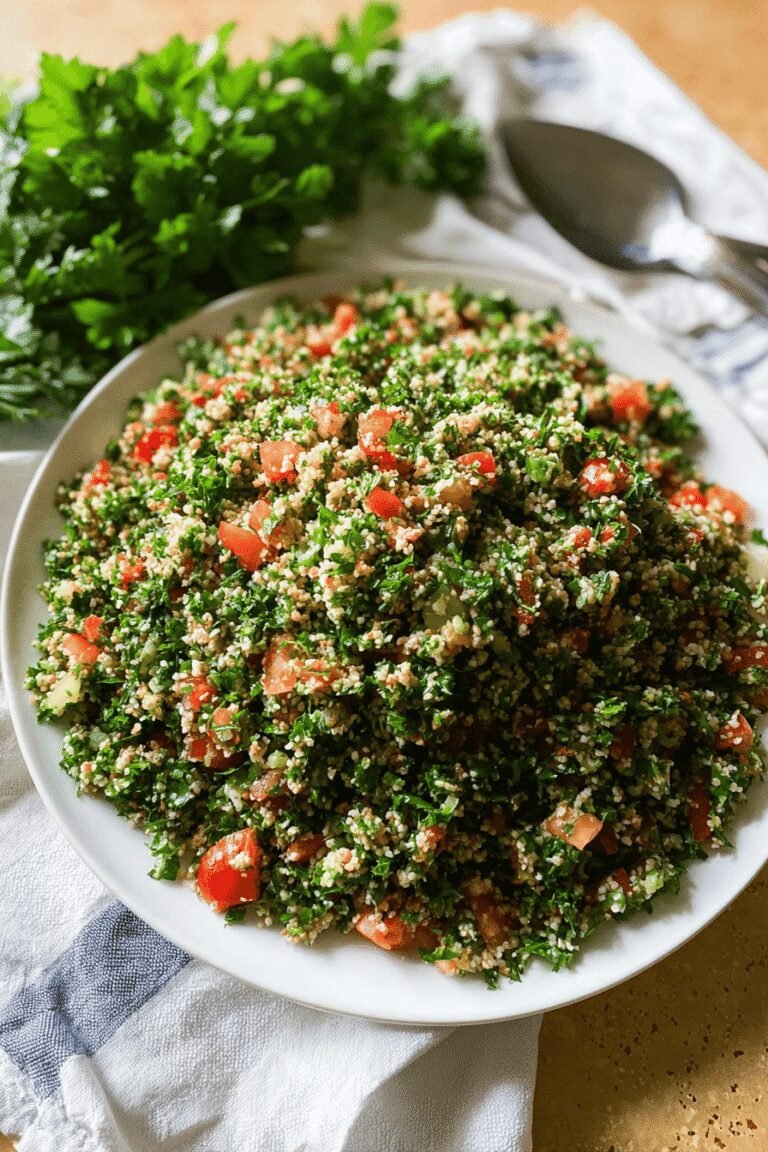
Tabbouleh
🌿 Enjoy a fresh and vibrant Mediterranean salad packed with herbs, vegetables, and wholesome bulgur wheat.
🍋 This Tabbouleh recipe is refreshing, nutritious, and perfect as a light side or part of a mezze platter.
- Total Time: 40 minutes
- Yield: About 6 servings
Ingredients
– ⅓ cup extra-virgin olive oil
– 3 tablespoons fresh lemon juice
– 1 garlic clove, grated
– ½ teaspoon sea salt
– ¼ teaspoon ground coriander
– Pinch of ground cinnamon
– 3 cups finely chopped curly parsley (about 2 bunches)
– 1 cup diced English cucumber
– 1 cup cored and diced tomato
– ⅔ cup cooked bulgur wheat
– ⅓ cup finely chopped fresh mint
– 2 scallions, chopped
Instructions
1-First, cook the bulgur wheat: For coarse bulgur, boil 2 cups of water, add ⅔ cup of bulgur, cover, remove from heat, and let it sit for 20 to 30 minutes until tender. Drain well and let it cool before using.
2-Next, finely chop 3 cups of curly parsley and ⅓ cup of fresh mint use a sharp knife to keep them vibrant and fresh.
3-Dice 1 cup of English cucumber and 1 cup of tomato, making sure to core the tomato for the best texture.
4-Grate 1 garlic clove and chop 2 scallions to add that extra kick of flavor.
5-Now that your ingredients are ready, it’s time to combine them. In a large bowl, whisk together ⅓ cup extra-virgin olive oil, 3 tablespoons fresh lemon juice, the grated garlic, ½ teaspoon sea salt, ¼ teaspoon ground coriander, and a pinch of ground cinnamon until well blended.
6-Add the chopped parsley, diced cucumber, diced tomato, cooked bulgur wheat, chopped mint, and chopped scallions to the bowl. Toss everything gently to mix it all up, then taste and adjust the seasoning as needed. For the final touch, chill the mixture in the fridge until you’re ready to serve it only takes about 40 minutes total, with 20 minutes prep and 20 minutes for cooking the bulgur.
Last Step:
Please leave a rating and comment letting us know how you liked this recipe! This helps our business to thrive and continue providing free, high-quality recipes for you.Notes
🔪 Chop herbs by hand with a sharp knife to avoid bruising and sogginess.
🌱 Use curly parsley for milder flavor, lighter texture, and brighter color than flat-leaf parsley.
🥒 Choose English or Persian cucumbers for better crunch; peel and seed regular cucumbers before using.
- Prep Time: 20 minutes
- Cook time for bulgur wheat: 20 minutes
- Cook Time: 0 minutes
- Category: Salad
- Method: Mixing
- Cuisine: Mediterranean
- Diet: Vegetarian
Nutrition
- Serving Size: 1 cup





I tried this tabbouleh recipe last night and it was amazing! The balance of fresh herbs and lemon really brightens up the dish. I added a pinch of sumac for an extra zing and it worked perfectly. Thanks for sharing such a refreshing salad idea! 🥗