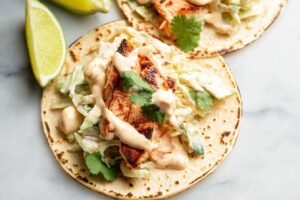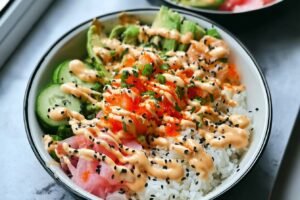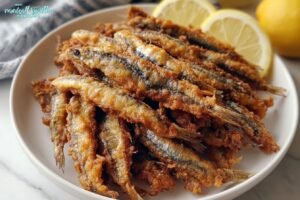

Why You’ll Love This Mediterranean Diet Meal Prep
Mediterranean Diet Meal Prep makes healthy eating feel simple, steady, and realistic for busy weeks. With a mix of fresh produce, whole grains, beans, fish, nuts, and olive oil, you can build meals that taste good and still fit a heart-friendly eating pattern. If you want a routine that saves time without making dinner feel boring, this plan is a smart place to start.
- Easy preparation: This Mediterranean Diet Meal Prep uses basic steps like roasting vegetables, cooking grains, and portioning proteins ahead of time. That means less last-minute cooking and fewer drive-thru meals on hectic days.
- Health benefits: Meals built around vegetables, fruits, legumes, fish, and extra virgin olive oil can support heart health, steady energy, and balanced eating. Research on the Mediterranean pattern has linked it with lower risk of cardiovascular disease, which is one reason so many people follow it.
- Versatility: Mediterranean Diet Meal Prep can be adjusted for vegetarians, busy parents, students, and anyone watching calories. You can swap proteins, change grains, or keep portions lighter depending on your needs.
- Distinctive flavor: Herbs, spices, lemon, garlic, and olive oil give this meal prep bright flavor without needing heavy sauces. Every bite feels fresh, colorful, and satisfying.
Think of this meal plan like a well-stocked pantry and fridge working together. Once the basics are ready, putting together a healthy plate becomes much easier.
For more Mediterranean-style meal ideas, you may also enjoy this simple grilled chicken recipe for easy weekly protein prep.
Essential Ingredients for Mediterranean Diet Meal Prep
Below is a practical ingredients list for Mediterranean Diet Meal Prep. It includes the core foods highlighted in the Mediterranean way of eating, plus simple options for different diets and schedules.
- 2 cups berries – Great for breakfast bowls, snacks, or topping Greek yogurt.
- 2 medium apples – Easy fruit for grab-and-go snacks and lunch boxes.
- 4 cups fresh spinach – Adds color, fiber, and a mild base for salads or bowls.
- 3 medium tomatoes – Useful for salads, grain bowls, and quick side dishes.
- 2 cups oats – A filling whole grain for overnight oats or baked breakfast jars.
- 2 cups cooked barley – Hearty and chewy, perfect for lunch salads and dinner bowls.
- 2 cups cooked quinoa – A protein-rich grain that works well for meal prep.
- 2 cups cooked brown rice – A reliable base for bowls and simple weeknight meals.
- 8 slices whole-wheat bread – Handy for sandwiches, toast, and breakfast meals.
- 1/3 cup extra virgin olive oil – Used for dressings, roasting, and light cooking.
- 2 cups cooked beans – Adds plant protein and fiber to bowls, soups, and salads.
- 2 cups cooked lentils – A filling legume that stores well and reheats easily.
- 2 cups cooked chickpeas – Great for salads, snacks, and vegetarian meal prep bowls.
- 2 fillets salmon – Rich in healthy fats and ideal for a main dinner option.
- 1 can sardines – A fast protein choice for toast, salads, or grain bowls.
- 1 can herring – Adds strong flavor and heart-friendly fats to simple meals.
- 2 cans tuna – Convenient for quick lunches and protein-packed wraps.
- 2 mackerel fillets – Flavorful fish that works well with roasted vegetables.
- 1 pound chicken breast – A lean poultry option for batch cooking.
- 1 cup Greek yogurt – Useful for breakfast, snacks, dressings, or dips.
- 1 cup low-fat cheese – Adds protein and a savory finish to meals.
- 2 cups fat-free milk – Good for breakfast bowls, smoothies, or lighter cooking.
- 4 egg whites – A lean breakfast protein for omelets or egg muffins.
- 1/2 cup walnuts – Adds crunch, healthy fats, and flavor.
- 1/2 cup almonds – Great for snacks and topping salads or oats.
- 1/2 cup hazelnuts – Adds variety and a rich, nutty taste.
- 2 teaspoons dried oregano – Classic Mediterranean flavor for vegetables, fish, and chicken.
- 1 teaspoon dried basil – Brings a fresh herbal note to sauces and salads.
- 1 teaspoon garlic powder – Helps season food quickly and evenly.
- 1/2 teaspoon black pepper – Adds warmth without overpowering the dish.
- 1 teaspoon paprika – Gives a mild smoky flavor to proteins and veggies.
- 1 lemon, juiced – Brightens grain bowls, fish, and dressings.
Special Dietary Options
- Vegan: Skip fish, chicken, eggs, and dairy. Use beans, lentils, chickpeas, nuts, quinoa, oats, and extra virgin olive oil instead.
- Gluten-free: Replace whole-wheat bread with gluten-free bread and use quinoa, brown rice, or oats labeled gluten-free.
- Low-calorie: Focus on spinach, tomatoes, berries, Greek yogurt, lentils, white egg omelets, and smaller portions of nuts and oil.
For a seafood meal idea that fits this style, try this lemon shrimp pasta when you want a lighter dinner with bright flavor.
How to Prepare the Perfect Mediterranean Diet Meal Prep: Step-by-Step Guide
To make Mediterranean Diet Meal Prep work all week, it helps to cook in a simple order. Start with the foods that take the longest, then move to fresh items and final assembly. This keeps the process calm and efficient, especially if you are cooking for a family or packing meals for work or school.
First Step: Gather and wash everything
Set out all your ingredients before you start cooking. Wash the spinach, tomatoes, berries, and apples, then drain the beans and chickpeas if using canned versions. Rinse the grains if needed, and pat the fish or chicken dry so it cooks evenly. This prep step makes the rest of the process smoother and helps you spot what is already on hand.
Second Step: Cook the grains
Prepare the whole grains first because they take the most time. Cook the oats for breakfast portions, then make a batch of barley, quinoa, and brown rice for lunches and dinners. You can cook them separately or choose the ones your week will use most. If you are short on time, make one large grain batch and repeat it in different meals with new toppings and sauces.
Third Step: Roast or grill the proteins
Season the chicken, salmon, mackerel, or tuna with olive oil, oregano, garlic powder, pepper, and lemon juice. Bake salmon or mackerel at 400°F for about 12 to 15 minutes, depending on thickness. Roast chicken breast until it reaches 165°F inside, which usually takes 20 to 25 minutes if the pieces are medium sized. For a vegetarian plan, use chickpeas, lentils, or beans instead of meat or fish.
Fourth Step: Prepare vegetables and legumes
Roast tomatoes, warm cooked beans, or quickly sauté spinach in a little extra virgin olive oil. You can also keep some vegetables raw for more crunch in salads and bowls. If you like stronger flavor, add basil, paprika, or more oregano. This is where Mediterranean Diet Meal Prep really starts to feel flexible, because the same vegetables can be used in multiple meals.
Fifth Step: Build breakfast portions
Breakfast can be simple and still fit the Mediterranean style. Mix oats with fat-free milk or Greek yogurt, then top with berries, apples, almonds, or walnuts. Another option is a spinach egg-white omelet with whole-wheat toast. You can also make yogurt cups ahead of time for quick mornings when there is no room for extra cooking.
Sixth Step: Assemble lunch bowls
For lunch, add a base of quinoa, brown rice, or barley to each container. Top with spinach, tomatoes, chickpeas, beans, or tuna, then finish with olive oil and lemon. If you want more texture, add hazelnuts, almonds, or walnuts just before serving. This creates a meal that feels full but still light enough for a workday.
Seventh Step: Pack dinner portions
For dinner, pair chicken or fish with roasted vegetables and a grain. Keep the portions balanced by filling half the container with vegetables, one quarter with grains, and one quarter with protein. If you are cooking for kids or picky eaters, set some ingredients aside separately so they can build their own bowls. This approach works well for newlyweds, seniors, and busy parents alike.
Final Step: Chill, label, and serve
Let the food cool before sealing containers. Label each container with the meal name and date so you know what to use first. Store breakfast, lunch, and dinner portions in airtight containers, then grab them as needed through the week. If you want an easy next recipe after this one, the pesto pasta meal idea can also fit a simple Mediterranean rotation.
Meal prep works best when you keep the flavors bright and the steps practical. A few good ingredients can carry you through several meals without feeling repetitive.

Dietary Substitutions to Customize Your Mediterranean Diet Meal Prep
Protein and Main Component Alternatives
If you do not eat fish or chicken, Mediterranean Diet Meal Prep still gives you plenty of options. Swap salmon, sardines, herring, tuna, mackerel, or chicken for beans, lentils, chickpeas, or egg whites. Greek yogurt and low-fat cheese can also help add protein for people who eat dairy. For a vegetarian lunch, quinoa with chickpeas and spinach gives you a strong base with good texture and staying power.
Vegetable, Sauce, and Seasoning Modifications
Vegetables can change based on what looks good at the store or what is already in your fridge. Add cucumbers, roasted peppers, or zucchini if you want more variety. For sauces, keep it simple with extra virgin olive oil, lemon juice, garlic powder, black pepper, oregano, and basil. If you want more warmth, add paprika or other herbs and spices. These small changes keep Mediterranean Diet Meal Prep from feeling repetitive while still staying true to the style.
Mastering Mediterranean Diet Meal Prep: Advanced Tips and Variations
Pro cooking techniques
To get better results, season ingredients before cooking instead of after. This helps the flavor soak into fish, chicken, and vegetables. Roast vegetables on a large sheet pan so they brown instead of steam, and cook grains in broth or salted water for more taste. If you are making several meals at once, mix plain ingredients with a few different sauces so each container feels a little different.
Flavor variations
Try lemon oregano chicken, olive oil tuna bowls, or chickpea salads with basil and black pepper. You can also make a breakfast mix with Greek yogurt, berries, and walnuts, or a savory bowl with brown rice, spinach, and salmon. If you want a more filling option, add low-fat cheese or a spoonful of hummus on the side. These small changes make Mediterranean Diet Meal Prep feel fresh all week.
Presentation tips
Food looks better when color is part of the plan. Place green spinach next to red tomatoes, then add golden grains and a protein on top. Keep nuts in a separate small container if you want them to stay crunchy. A tidy meal box can make healthy eating feel more enjoyable, especially for students and working professionals who eat at their desks.
Make-ahead options
Batch-cook grains, proteins, and legumes on one day, then keep fresh items for quick assembly later. You can also prep breakfast jars, salad toppings, and dressings in advance so weekdays move faster. If you are cooking for a family, make two flavor profiles at once, such as lemon herb and paprika garlic, so everyone has a choice.
How to Store Mediterranean Diet Meal Prep: Best Practices
Proper storage helps Mediterranean Diet Meal Prep stay tasty and safe. Let cooked food cool before sealing it in airtight glass or BPA-free containers. Store meals in the refrigerator for 4 to 5 days, keeping tomatoes and other high-water vegetables separate when possible so the texture stays better.
For longer storage, freeze portions of grains, beans, lentils, and cooked chicken for up to 2 to 3 months. Fish can also be frozen, but it is usually best eaten sooner for the best texture. Reheat food gently in the microwave or on the stove until it reaches 165°F. Add fresh olive oil, lemon, or herbs after reheating to bring back flavor.
Good storage habits make meal prep easier all week. When food stays fresh longer, you waste less and enjoy more of what you made.
FAQs: Frequently Asked Questions About Mediterranean Diet Meal Prep
What is Mediterranean diet meal prep?
Mediterranean diet meal prep involves preparing balanced meals in advance using fresh vegetables, fruits, whole grains, legumes, nuts, fish, and extra virgin olive oil, following the diet’s emphasis on plant-based foods and healthy fats. Start by batch-cooking items like quinoa salads, roasted veggies, grilled chicken or fish, and chickpea stews. Portion into containers for grab-and-go lunches or dinners. This approach saves time during the week, reduces takeout temptations, and supports heart health—studies show the diet cuts cardiovascular risk by up to 30%. Plan around the food pyramid: base meals on veggies and grains, add lean proteins sparingly. Store in airtight containers in the fridge for 4-5 days or freeze for longer. A sample day: breakfast yogurt with berries, lunch Greek salad with feta, dinner salmon with farro. (98 words)
How do I plan a weekly Mediterranean diet meal prep?
Begin your weekly Mediterranean diet meal prep by reviewing the food pyramid: prioritize vegetables, fruits, whole grains, and olive oil daily, with fish or poultry 2-3 times weekly and red meat rarely. Shop for staples like spinach, tomatoes, cucumbers, oats, lentils, salmon, and nuts. Dedicate 2-3 hours on Sunday: chop veggies, cook grains in bulk (e.g., 4 cups barley), grill proteins, and assemble salads or bowls. Divide into 5-7 portions per meal type. Include variety to avoid boredom—Monday: hummus wraps; Tuesday: tuna stuffed peppers. Add herbs like oregano and lemon for flavor without salt. Lifestyle tip: prep with family for social benefits. Reheat gently to preserve nutrients; most last 4-5 days refrigerated. Track portions for calorie control. (112 words)
Can Mediterranean diet meal prep be vegetarian?
Yes, Mediterranean diet meal prep works perfectly for vegetarians by swapping fish and meat for plant proteins like beans, lentils, chickpeas, tofu, eggs, and nuts. Follow the pyramid’s plant-heavy base: prep big batches of eggplant stew, lentil soup, or falafel bowls with tahini dressing. A weekly plan: breakfast overnight oats with almonds; lunch quinoa tabbouleh; dinner veggie paella with artichokes. Get 20-30g protein per meal from Greek yogurt, cheese, or hummus. This adaptation maintains benefits like lower inflammation and better weight management. Consult a dietitian for personalized tweaks, especially if active. Store in glass containers; freezes well up to 3 months. Quick tip: roast mixed veggies with olive oil for versatile add-ins. (104 words)
Is extra virgin olive oil necessary for Mediterranean diet meal prep?
Extra virgin olive oil (EVOO) is ideal for Mediterranean diet meal prep due to its high antioxidants and monounsaturated fats, which protect against heart disease and inflammation—unlike refined oils. Use it to roast veggies, dress salads, or cook fish; aim for 2-4 tablespoons daily. Regular olive oil works as a backup but lacks EVOO’s polyphenols. In prep, drizzle on grain bowls or marinades for flavor and preservation. Fact: PREDIMED trial showed EVOO-rich diets reduce stroke risk by 34%. Store opened bottles in a cool, dark place; it lasts 18-24 months. Alternatives like avocado oil fit if needed, but stick to EVOO for authenticity. Batch-make dressings: mix with vinegar, garlic, and herbs. (102 words)
How long do Mediterranean diet meal prep containers last?
Most Mediterranean diet meal preps last 4-5 days in the fridge when stored properly in airtight glass or BPA-free containers at 40°F or below. High-water veggies like tomatoes shorten life, so store separately. Grains, legumes, and roasted items hold up best; fish-based preps max 3-4 days to avoid spoilage. Freeze portions for 2-3 months—thaw overnight in fridge. Safety tips: cool food quickly before storing, label with dates, reheat to 165°F. Incorporate lifestyle habits like eating with others to enjoy fresh preps. This method cuts food waste and supports steady energy; pair with daily walks for full benefits. Check for off smells before eating. (98 words)
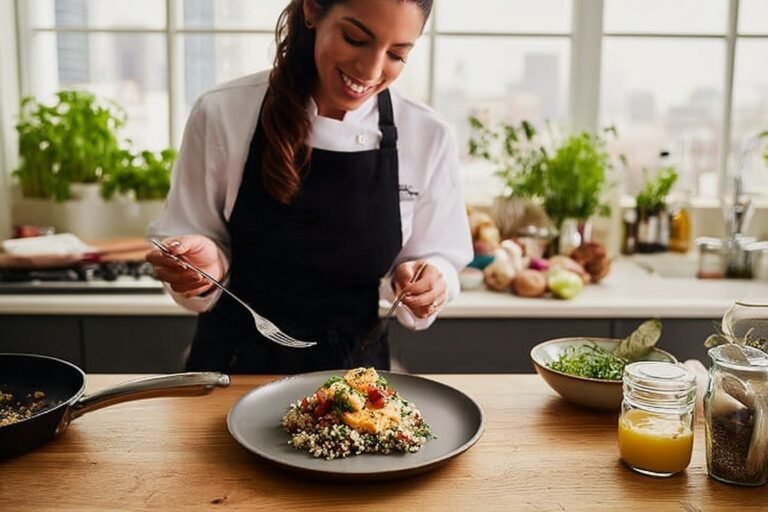
Mediterranean Diet Meal Prep
🌿🍎 Embrace Mediterranean diet food list and meal plan – olive oil, fish, veggies fuel longevity, heart health with flavorful everyday abundance!
🧿🐟 Sustainable weight management powerhouse slashes inflammation; try for vibrant energy, disease prevention in delicious tradition.
- Total Time: Ongoing
- Yield: 1 person, 7 days
Ingredients
– 2 cups berries
– 2 medium apples
– 4 cups fresh spinach
– 3 medium tomatoes
– 2 cups oats
– 2 cups cooked barley
– 2 cups cooked quinoa
– 2 cups cooked brown rice
– 8 slices whole-wheat bread
– 1/3 cup extra virgin olive oil
– 2 cups cooked beans
– 2 cups cooked lentils
– 2 cups cooked chickpeas
– 2 fillets salmon
– 1 can sardines
– 1 can herring
– 2 cans tuna
– 2 mackerel fillets
– 1 pound chicken breast
– 1 cup Greek yogurt
– 1 cup low-fat cheese
– 2 cups fat-free milk
– 4 egg whites
– 1/2 cup walnuts
– 1/2 cup almonds
– 1/2 cup hazelnuts
– 2 teaspoons dried oregano
– 1 teaspoon dried basil
– 1 teaspoon garlic powder
– 1/2 teaspoon black pepper
– 1 teaspoon paprika
– 1 lemon, juiced
Instructions
1-First Step: Gather and wash everything Set out all your ingredients before you start cooking. Wash the spinach, tomatoes, berries, and apples, then drain the beans and chickpeas if using canned versions. Rinse the grains if needed, and pat the fish or chicken dry so it cooks evenly. This prep step makes the rest of the process smoother and helps you spot what is already on hand.
2-Second Step: Cook the grains Prepare the whole grains first because they take the most time. Cook the oats for breakfast portions, then make a batch of barley, quinoa, and brown rice for lunches and dinners. You can cook them separately or choose the ones your week will use most. If you are short on time, make one large grain batch and repeat it in different meals with new toppings and sauces.
3-Third Step: Roast or grill the proteins Season the chicken, salmon, mackerel, or tuna with olive oil, oregano, garlic powder, pepper, and lemon juice. Bake salmon or mackerel at 400°F for about 12 to 15 minutes, depending on thickness. Roast chicken breast until it reaches 165°F inside, which usually takes 20 to 25 minutes if the pieces are medium sized. For a vegetarian plan, use chickpeas, lentils, or beans instead of meat or fish.
4-Fourth Step: Prepare vegetables and legumes Roast tomatoes, warm cooked beans, or quickly sauté spinach in a little extra virgin olive oil. You can also keep some vegetables raw for more crunch in salads and bowls. If you like stronger flavor, add basil, paprika, or more oregano. This is where Mediterranean Diet Meal Prep really starts to feel flexible, because the same vegetables can be used in multiple meals.
5-Fifth Step: Build breakfast portions Breakfast can be simple and still fit the Mediterranean style. Mix oats with fat-free milk or Greek yogurt, then top with berries, apples, almonds, or walnuts. Another option is a spinach egg-white omelet with whole-wheat toast. You can also make yogurt cups ahead of time for quick mornings when there is no room for extra cooking.
6-Sixth Step: Assemble lunch bowls For lunch, add a base of quinoa, brown rice, or barley to each container. Top with spinach, tomatoes, chickpeas, beans, or tuna, then finish with olive oil and lemon. If you want more texture, add hazelnuts, almonds, or walnuts just before serving. This creates a meal that feels full but still light enough for a workday.
7-Seventh Step: Pack dinner portions For dinner, pair chicken or fish with roasted vegetables and a grain. Keep the portions balanced by filling half the container with vegetables, one quarter with grains, and one quarter with protein. If you are cooking for kids or picky eaters, set some ingredients aside separately so they can build their own bowls. This approach works well for newlyweds, seniors, and busy parents alike.
8-Final Step: Chill, label, and serve Let the food cool before sealing containers. Label each container with the meal name and date so you know what to use first. Store breakfast, lunch, and dinner portions in airtight containers, then grab them as needed through the week. If you want an easy next recipe after this one, the pesto pasta meal idea can also fit a simple Mediterranean rotation.
Last Step:
Please leave a rating and comment letting us know how you liked this recipe! This helps our business to thrive and continue providing free, high-quality recipes for you.Notes
🛒 Shop perimeter of store for freshest produce, fish first.
🍽️ Use olive oil liberally as primary fat for authentic benefits.
📅 Prep meals Sunday: Chop veggies, cook grains for grab-and-go ease.
- Prep Time: 15 minutes daily
- Weekly Planning: 1 hour
- Cook Time: 30 minutes daily
- Category: Healthy Eating
- Method: Balanced Meals
- Cuisine: Mediterranean
- Diet: Mediterranean, Heart-Healthy, Plant-Based Lean
Nutrition
- Serving Size: Daily intake
- Calories: 2000 kcal
- Sugar: 25 g
- Sodium: 2000 mg
- Fat: 70 g
- Saturated Fat: 10 g
- Unsaturated Fat: 60 g
- Trans Fat: 0 g
- Carbohydrates: 250 g
- Fiber: 35 g
- Protein: 90 g
- Cholesterol: 150 mg