

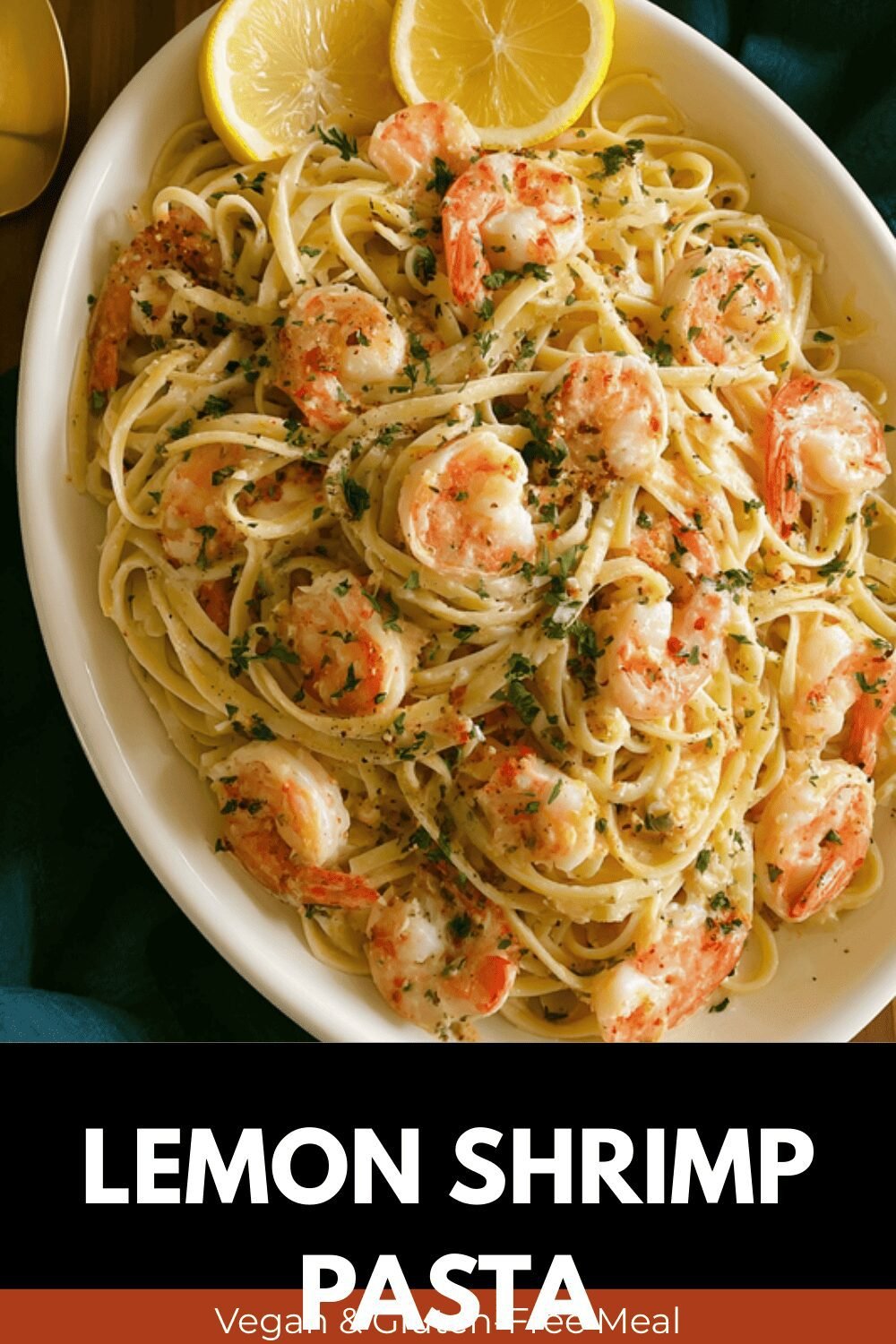
Why You’ll Love This Lemon Shrimp Pasta
This Lemon Shrimp Pasta dish combines fresh flavors and simple steps that make it a go-to favorite for home cooks. With its quick prep and delightful taste, it’s ideal for busy nights when you want something tasty without much fuss. You’ll appreciate how the bright lemon pairs with juicy shrimp for a meal that’s both satisfying and light.
One reason this recipe stands out is its ease of preparation. It’s ready in under 30 minutes, using straightforward ingredients that come together quickly for a delicious dinner. Whether you’re a beginner or an experienced cook, this dish fits right into any schedule and offers a rewarding result every time.
Health benefits add to its appeal as well. Loaded with protein from shrimp and vitamin C from fresh lemon, it supports your wellness goals while keeping things light and balanced. You can tweak it for different needs, like using plant-based swaps to make it suitable for various diets.
Beyond that, the versatility really shines through. You can adapt Lemon Shrimp Pasta for different preferences, such as swapping shrimp for tofu or choosing gluten-free options. This flexibility makes it a fun recipe to experiment with while still enjoying a standout, vibrant flavor from the herbs and garlic blend.
Essential Ingredients for Lemon Shrimp Pasta
Gathering the right ingredients is key to making this Lemon Shrimp Pasta recipe successful. Below is a complete list based on the exact recipe, ensuring you have everything measured out for perfect results. This list pulls from the detailed recipe to cover all items needed.
- 1 pound large shrimp (21/25 count)
- 1/2 teaspoon baking soda
- 1/2 teaspoon kosher salt
- 1/4 teaspoon black pepper
- 1/8 teaspoon crushed red pepper
- 1/2 pound spaghetti
- 4 tablespoons extra virgin olive oil
- 6 cloves garlic, sliced
- 2 cups reserved pasta water (may not need all)
- 4 tablespoons unsalted butter
- 1 large lemon, zested and juiced
- 1/4 cup minced flat-leaf parsley
- Salt and pepper to taste
These ingredients create a balanced dish that’s full of flavor. For instance, the baking soda helps tenderize the shrimp, while the fresh lemon adds that signature tang many love in lemon garlic shrimp pasta recipes. If you’re exploring variations, keep in mind options like using gluten-free spaghetti for dietary needs.
How to Prepare the Perfect Lemon Shrimp Pasta: Step-by-Step Guide
Follow these steps to make your Lemon Shrimp Pasta turn out just right. Start by preparing the shrimp for the best texture, which begins with a simple brine. This process ensures the shrimp are tender and flavorful as they cook.
Preparing the Shrimp and Ingredients
First, place the clean, dry shrimp in a bowl with baking soda, kosher salt, black pepper, and crushed red pepper. Mix well and let it sit for 10 minutes to enhance the shrimp’s texture. Next, zest the lemon and save the juice, then slice the garlic and mince the parsley to have everything ready for cooking.
Cooking the Pasta
Boil the spaghetti in salted water use about 2 tablespoons of kosher salt per gallon to 1 minute less than al dente for the perfect chew. Reserve at least 1 cup of pasta water before draining, as it’s crucial for creating a silky sauce later.
Sautéing the Shrimp and Building the Sauce
Heat a large pan over medium heat with the olive oil, then add the shrimp and sauté for 3-4 minutes until opaque and firm, flipping after 2 minutes. Remove the shrimp and keep it warm under foil. In the same pan, sauté the garlic until golden, about 2-3 minutes, adding more oil if needed.
Combining Everything
Add 1/2 cup of the reserved pasta water to the pan, scraping up the flavorful bits from the bottom. Then, add the pasta and butter, cooking for about 1 minute while tossing to coat. Return the shrimp to the pan, stir in the parsley, lemon juice, and zest, and mix everything together. Taste and adjust salt, pepper, and crushed red pepper as needed, adding more pasta water if the sauce seems too dry. Serve right away for the best flavor. For more ideas on simple dishes, check out our easy pasta recipes on the blog.

Dietary Substitutions to Customize Your Lemon Shrimp Pasta
Making tweaks to this Lemon Shrimp Pasta can help it fit your lifestyle. For example, if you’re looking for protein alternatives, try swapping the shrimp with tofu or grilled chicken to keep things fresh and adaptable. These changes let you enjoy shrimp pasta in new ways without losing the dish’s core appeal.
Protein and Main Component Alternatives:
- Substitute shrimp with tofu or tempeh for vegan options; marinate well to enhance the flavor.
- Use grilled chicken breast as a lean protein variant.
- For a pescatarian twist, try scallops or crab meat.
- Swap lemon for lime for a different citrus profile that adds a fun twist to lemon shrimp pasta.
- Incorporate vegetables like spinach, zucchini, or cherry tomatoes for added nutrition and crunch.
- Use dairy-free cream or cashew-based sauces to make a creamy variation suitable for lactose intolerance.
- Adjust herbs and spices like basil, oregano, or smoked paprika to tailor the flavor notes according to your taste.
These options make the recipe versatile for shrimp pasta fans who want to explore different diets.
Mastering Lemon Shrimp Pasta: Advanced Tips and Variations
Taking your Lemon Shrimp Pasta to the next level involves a few smart techniques. For instance, searing the shrimp on high heat briefly creates a nice crust that boosts the flavor, and adding white wine to deglaze the pan can deepen the taste before mixing in the lemon. These steps make your shrimp pasta recipe with lemon even more impressive for family meals or gatherings.
Remember, the baking soda in the brine is a simple trick that tenderizes the shrimp for that perfect bite every time.
Flavor variations offer even more excitement. Try adding sun-dried tomatoes or capers for a briny kick, or swap parsley with fresh herbs like dill or tarragon to change things up. Presentation is key too serve in shallow bowls with lemon wedges and a sprinkle of herbs for a welcoming look that ties into the essence of lemon garlic shrimp pasta.
If you’re planning ahead, prepare the sauce and cook the pasta separately, then combine just before serving to keep everything fresh. For those interested in healthy options, learn more about healthy seafood dishes that complement this recipe.
| Tips | Benefits |
|---|---|
| Use fully thawed shrimp | Ensures even cooking and great texture |
| Reserve pasta water | Helps create a smooth, coating sauce |
| Add extra water if needed | Prevents the dish from drying out |
This recipe scales up easily, so double or triple it for larger groups while keeping seasoning in check.
How to Store Lemon Shrimp Pasta: Best Practices
Proper storage keeps your Lemon Shrimp Pasta tasting great for later. After cooking, put leftovers in an airtight container and chill them right away to maintain quality. Aim to eat them within 2-3 days for the best results, as shrimp doesn’t hold up as well when reheated.
Freezing works but with care freeze the shrimp and pasta separately to avoid texture issues, like shrimp becoming rubbery. For reheating, use a skillet on medium-low heat and add a bit of water or broth to keep it moist, rather than microwaving the shrimp for too long.
Meal prep ideas include cooking the pasta al dente and storing parts separately for easy assembly during the week. This approach ties into the overall shrimp pasta recipe with lemon, making it practical for busy schedules.
FAQs: Frequently Asked Questions About Lemon Shrimp Pasta
How do I properly cook shrimp for lemon shrimp pasta?
Start by cleaning and drying the shrimp thoroughly. Season them with baking soda, kosher salt, black pepper, and crushed red pepper, then let them sit for about 10 minutes. Cook the shrimp by sautéing them in a hot pan for 3-4 minutes until they turn opaque and firm. Avoid overcooking to keep the shrimp tender and juicy.
How can I tell when shrimp are fully cooked in this pasta dish?
Shrimp are done when they turn opaque and their texture becomes firm and slightly plump. If unsure, cut one shrimp open to check that it is cooked through but not rubbery. Cooking shrimp just right maintains their sweet flavor and perfect texture.
Why do I need to reserve pasta water for lemon shrimp pasta?
Reserving pasta water is important because the starch in it helps the sauce stick to the pasta better. The combination of pasta water and butter creates a silky sauce that evenly coats the noodles for a rich, flavorful dish.
Can I make a larger batch of lemon shrimp pasta for a crowd?
Yes, this recipe can be doubled or tripled easily. Just be sure to adjust seasoning and cooking times as needed, especially when cooking shrimp in batches to avoid overcrowding the pan, which ensures even cooking.
What is the best way to store and reheat leftover lemon shrimp pasta?
Store leftovers in an airtight container in the refrigerator for up to 3 days. Reheat gently in the microwave or on the stove, adding a splash of water or broth to keep the pasta moist. However, shrimp is best eaten fresh, as it can become tough when reheated.
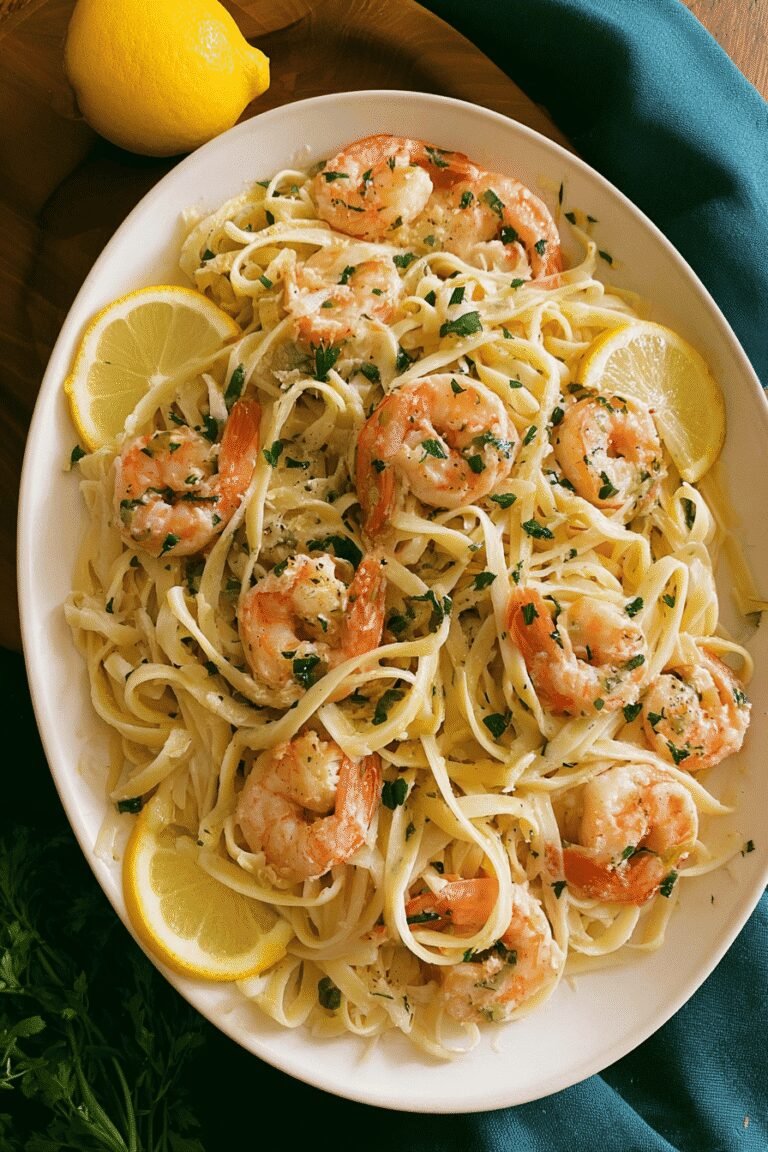
Lemon Shrimp Pasta
🍤 This Lemon Garlic Shrimp Pasta delivers a fresh, flavorful dish combining tender shrimp with a creamy, zesty sauce.
🍋 Perfect for a quick and elegant meal, it balances rich butter and olive oil with vibrant lemon and herbs.
- Total Time: 30 minutes
- Yield: 4 servings
Ingredients
– 1 pound large shrimp (21/25 count)
– 1/2 teaspoon baking soda
– 1/2 teaspoon kosher salt
– 1/4 teaspoon black pepper
– 1/8 teaspoon crushed red pepper
– 1/2 pound spaghetti
– 4 tablespoons extra virgin olive oil
– 6 cloves garlic, sliced
– 2 cups reserved pasta water (may not need all)
– 4 tablespoons unsalted butter
– 1 large lemon, zested and juiced
– 1/4 cup minced flat-leaf parsley
– Salt and pepper to taste
Instructions
1-Preparing the Shrimp and Ingredients: First, place the clean, dry shrimp in a bowl with baking soda, kosher salt, black pepper, and crushed red pepper. Mix well and let it sit for 10 minutes to enhance the shrimp’s texture. Next, zest the lemon and save the juice, then slice the garlic and mince the parsley to have everything ready for cooking.
2-Cooking the Pasta: Boil the spaghetti in salted water use about 2 tablespoons of kosher salt per gallon to 1 minute less than al dente for the perfect chew. Reserve at least 1 cup of pasta water before draining, as it’s crucial for creating a silky sauce later.
3-Sautéing the Shrimp and Building the Sauce: Heat a large pan over medium heat with the olive oil, then add the shrimp and sauté for 3-4 minutes until opaque and firm, flipping after 2 minutes. Remove the shrimp and keep it warm under foil. In the same pan, sauté the garlic until golden, about 2-3 minutes, adding more oil if needed.
4-Combining Everything: Add 1/2 cup of the reserved pasta water to the pan, scraping up the flavorful bits from the bottom. Then, add the pasta and butter, cooking for about 1 minute while tossing to coat. Return the shrimp to the pan, stir in the parsley, lemon juice, and zest, and mix everything together. Taste and adjust salt, pepper, and crushed red pepper as needed, adding more pasta water if the sauce seems too dry. Serve right away for the best flavor. For more ideas on simple dishes, check out our easy pasta recipes on the blog.
Last Step:
Please leave a rating and comment letting us know how you liked this recipe! This helps our business to thrive and continue providing free, high-quality recipes for you.Notes
🦐 Make sure shrimp are fully thawed before starting.
🧂 The baking soda in the brine helps tenderize shrimp for great texture.
💧 Reserve pasta water to create the sauce; it combines starchy water with butter to coat the pasta perfectly.
- Prep Time: 10 minutes
- Cook Time: 20 minutes
- Category: Main Course
- Method: Sautéing and boiling
- Cuisine: Italian-American
Nutrition
- Serving Size: 1 serving
- Calories: 561 kcal
- Sodium: 560 mg
- Fat: 33.6 g
- Saturated Fat: 10.7 g
- Carbohydrates: 32.8 g
- Protein: 32.4 g
- Cholesterol: 311 mg





I tried this lemon shrimp pasta last night and it was a hit with the whole family! The lemon adds such a fresh zing that pairs perfectly with the shrimp. Just curious, have you ever tried adding a bit of chili flakes for a spicy twist? 🌶️🍤