

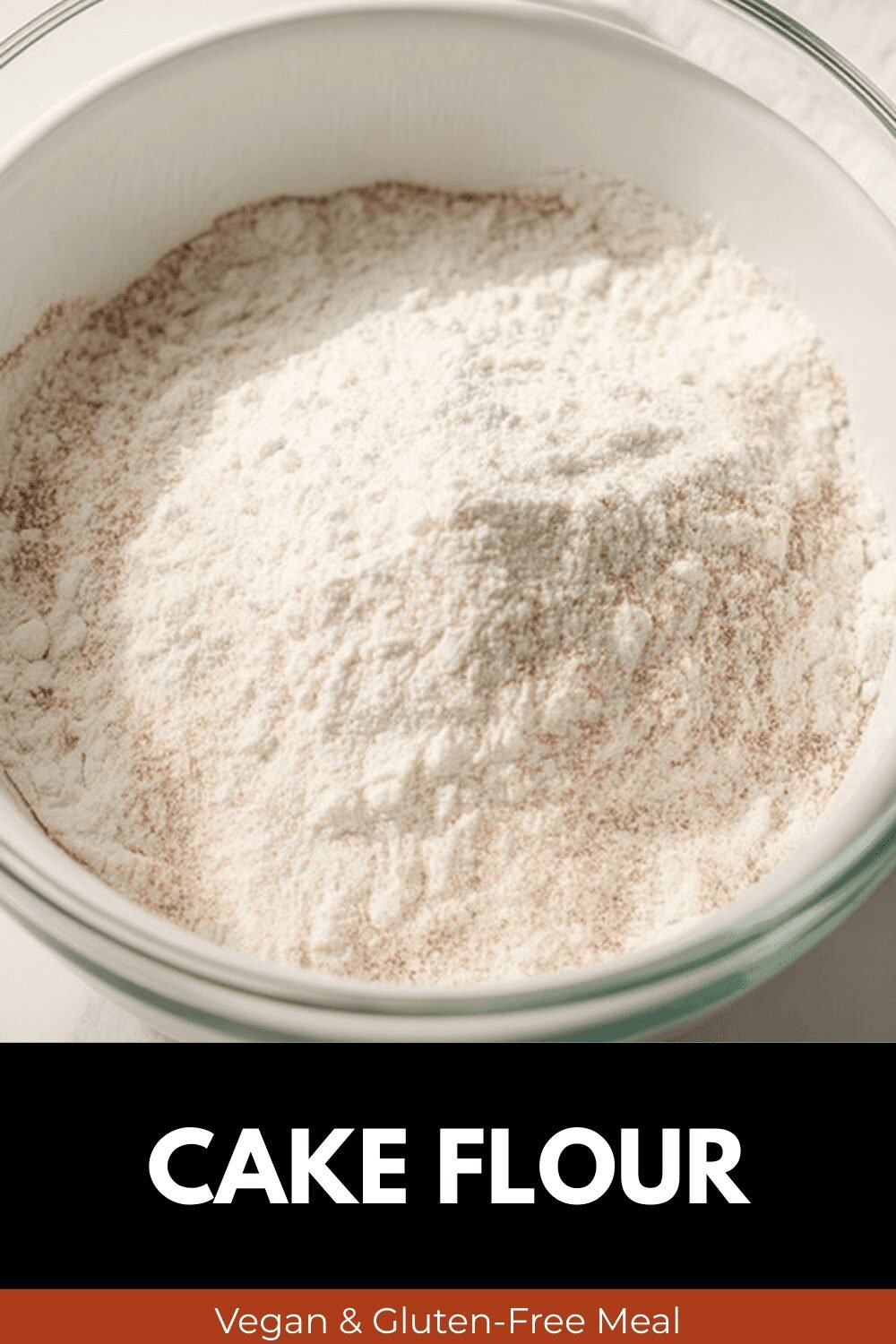
Why You’ll Love This Cake Flour
Cake flour is a go-to choice for many bakers because it makes creating light and fluffy treats so simple. This homemade version keeps things easy by using everyday items you probably have on hand, cutting down on trips to the store. You’ll appreciate how it helps your cakes rise perfectly and stay tender, turning your baking sessions into fun successes.
One of the best parts is how quick it is to whip up, ideal for busy folks like students or working professionals who want great results without much fuss. It also brings health perks by using lower-protein options that can make baked goods easier on the stomach. Plus, this flour adapts to all kinds of needs, from gluten-free tweaks to vegan swaps, making it a flexible friend in the kitchen.
Beyond that, the subtle sweetness and fine texture of this cake flour can make your desserts taste even better, helping you impress family and friends at gatherings. For example, next time you bake a classic vanilla cake, you’ll notice the difference in how soft and airy it turns out. If you’re into seasonal recipes, check out our pumpkin spice latte recipe on the site for more ideas on using flour in cozy fall treats.
Benefits for Everyday Baking
This cake flour stands out for its ease, letting even beginners mix up smooth batters that cook faster and more evenly. Its lower protein helps promote better digestion, which is great for health-conscious readers like seniors or diet-focused individuals. You can use it in everything from simple cupcakes to elaborate pastries, showing off its versatility for home cooks and baking enthusiasts alike.
Imagine turning a basic recipe into something special with just this one swap. Whether you’re a busy parent juggling meal prep or a newlywed experimenting in the kitchen, this flour’s adaptability makes it a staple. Its light texture ensures your bakes come out just right, adding a touch of joy to your daily routine.
Essential Ingredients for Cake Flour
To make your own cake flour at home, gather a few key items that blend together perfectly for tender results. This section outlines everything you need, focusing on the core components for a reliable substitute. Start with precise measurements to ensure your baking turns out just as planned.
Main Ingredients
- 14 Tablespoons (110g) all-purpose flour – Acts as the base to build the structure of your cake flour blend.
- 2 Tablespoons (16g) cornstarch – Helps lower the protein for a softer, lighter texture in your bakes.
- 1 teaspoon baking powder – Aids in even rising for fluffy outcomes.
- 1/4 teaspoon salt – Balances flavors and enhances the overall taste.
Special Dietary Options
For those with specific needs, you can tweak these ingredients easily. If you’re vegan, swap baking powder for a certified plant-based version and pair it with alternatives in your recipes. For gluten-free baking, opt for a gluten-free flour blend mixed with the cornstarch to keep that fine consistency. To cut calories, mix in some almond flour or coconut flour to maintain texture while lightening up the mix.
This setup makes it simple to customize based on your lifestyle, whether you’re a traveler packing light or a food enthusiast exploring new diets. Remember, using accurate measurements like the ones listed ensures your homemade cake flour works every time, just like in our favorite family recipes.
How to Prepare the Perfect Cake Flour: Step-by-Step Guide
Getting started with homemade cake flour is straightforward and rewarding. Begin by pulling together all your ingredients with exact measurements to avoid any surprises. This method helps you create a substitute that rivals store-bought options, perfect for Baking Enthusiasts and busy parents alike.
| Step Number | Description |
|---|---|
| 1 | Gather ingredients: Measure out 14 Tablespoons (110g) all-purpose flour, 2 Tablespoons (16g) cornstarch, 1 teaspoon baking powder, and 1/4 teaspoon salt. |
| 2 | Sift the flour and cornstarch together to mix them well and reduce protein for that ideal cake texture. |
| 3 | Add baking powder and salt, then sift again to distribute everything evenly. |
| 4 | Whisk the mixture thoroughly to combine all elements smoothly. |
| 5 | Use right away in your recipe or store in an airtight container for up to two months. |
Each step can be adjusted for dietary preferences, like using gluten-free flour for sensitive eaters. This guide keeps things simple and approachable, helping you master cake flour with ease. For more baking inspiration, try incorporating it into dishes like our Johnny Cakes recipe for a fun twist.
Tips for Smooth Preparation
If you’re new to this, take your time with sifting to get the airiest mix possible. Gentle whisking prevents clumps and ensures even blending, which is key for light bakes. This method not only saves money but also lets you tailor the flour to your needs, making it a smart choice for everyday use.

Dietary Substitutions to Customize Your Cake Flour
Making cake flour your own is all about smart swaps that fit your lifestyle. Start with the main components and adjust as needed for protein sources or flavors. This way, you can enjoy baking without skipping a beat, whether you’re aiming for gluten-free or low-calorie options.
- Substitute all-purpose flour with gluten-free blends to handle intolerance issues.
- Replace baking powder with a baking soda and cream of tartar mix for additive-free baking.
- Use plant-based milk or yogurt in recipes for a vegan approach.
- Add almond extracts or citrus zest for flavor without dietary conflicts.
- Swap sugar for coconut sugar or stevia to keep things low-calorie.
These changes make it easy for groups like newlyweds or seniors to adapt recipes. For instance, a simple tweak can turn a standard cake into something special for family meals.
Mastering Cake Flour: Advanced Tips and Variations
Once you get the basics down, take your cake flour skills further with some pro techniques. Folding the batter gently keeps it light and prevents toughness, which is crucial for perfect results. You can also play with flavors by adding spices like cinnamon to create unique twists on classics.
For eye-catching presentations, top your cakes with fresh fruit for a pop of color and taste. If you’re planning ahead, make large batches of this flour and store them properly to save time on busy days.
This approach not only boosts your baking game but also makes every recipe feel fresh and exciting.
Experiment with variations to suit different tastes, such as using extracts for a new flavor profile. These tips work well for food enthusiasts and travelers looking for portable options.
How to Store Cake Flour: Best Practices
Keeping your homemade cake flour fresh is key to maintaining its quality for future use. Store it in an airtight container in the fridge to keep it from going bad quickly, which is great for short-term needs. For longer storage, freeze it in sealed bags to lock in freshness.
When you’re ready to bake, thaw it fully to preserve the texture. For meal prep, portion it out and label containers clearly to make your routine smoother. This method helps working professionals and busy parents stay organized in the kitchen.
FAQs: Frequently Asked Questions About Cake Flour
What makes cake flour different from all-purpose flour?
Cake flour has a lower protein content, typically around 7-9%, compared to all-purpose flour’s 10-12%. This lower protein level means less gluten forms when mixed, resulting in softer, lighter, and more tender baked goods. Additionally, cake flour is milled finer and often bleached, which further contributes to its delicate texture in cakes and pastries.
Can I use all-purpose flour instead of cake flour in baking?
Yes, you can substitute all-purpose flour for cake flour by mixing 1 cup of all-purpose flour with 2 tablespoons of cornstarch, then sifting them together to aerate the mixture. This reduces the protein content and mimics the fine texture of cake flour, producing lighter baked goods. However, in very delicate recipes, using real cake flour may give better results.
How do I make a homemade cake flour substitute?
To make a cake flour substitute, measure 1 cup of all-purpose flour, remove 2 tablespoons from it, and replace those with 2 tablespoons of cornstarch. Sift the mixture at least twice to combine and introduce air, which helps replicate the softness of cake flour. This substitute works well for most cakes and cupcakes.
Why is sifting important when making cake flour or its substitute?
Sifting mixes ingredients evenly and adds air into the flour, which lightens its texture. This process helps break up clumps and ensures the cornstarch and flour blend thoroughly, making the flour mixture finer and better suited for tender cakes.
Is bleached cake flour better for baking than unbleached flour?
Bleached cake flour undergoes a chemical process that whitens and softens the flour, breaking down some proteins for a more tender crumb. This can improve the texture and appearance of cakes. While unbleached flour can be used, bleached cake flour is generally preferred for achieving the characteristic light and fluffy cake texture.
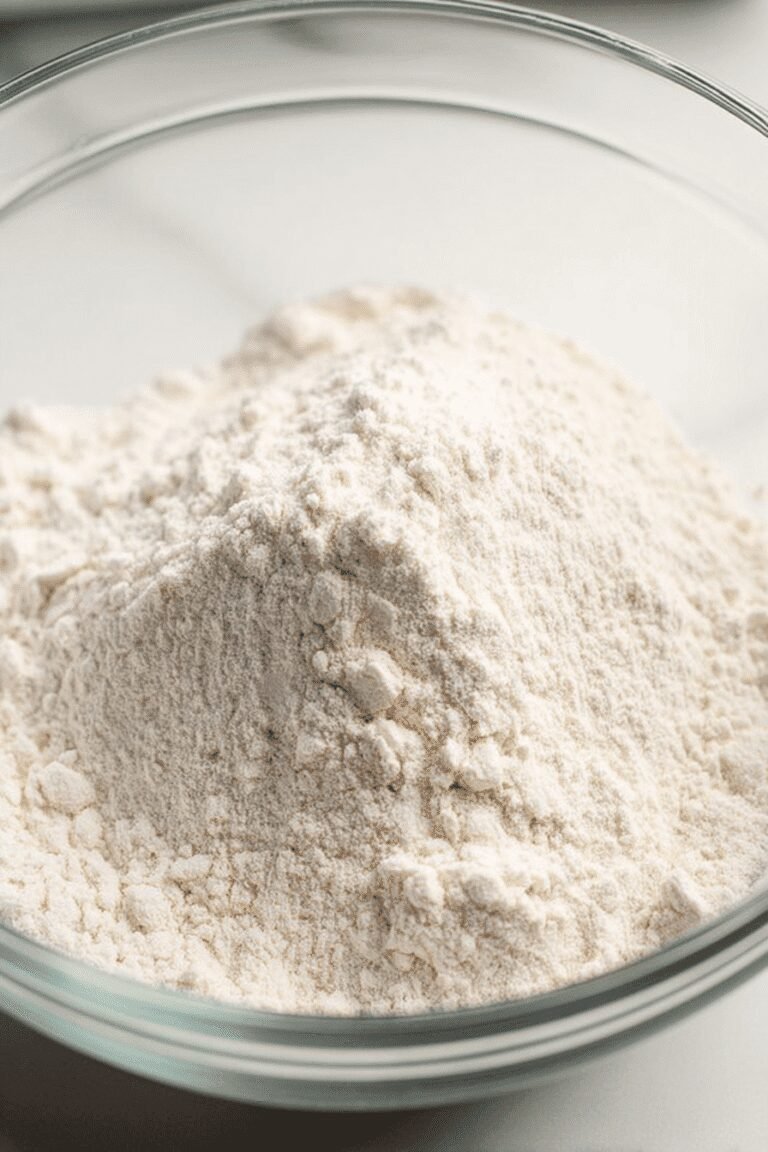
Cake Flour
🎂 Achieve perfectly tender and delicate baked goods with this easy homemade cake flour substitute.
🍰 Save money and avoid last-minute store trips by using simple pantry ingredients for your baking needs.
- Total Time: 5 minutes
- Yield: Equivalent to 1 cup cake flour 1x
Ingredients
14 Tablespoons (110g) all-purpose flour Acts as the base to build the structure of your cake flour blend.
2 Tablespoons (16g) cornstarch Helps lower the protein for a softer, lighter texture in your bakes.
1 teaspoon baking powder Aids in even rising for fluffy outcomes.
1/4 teaspoon salt Balances flavors and enhances the overall taste.
Instructions
1-Gather ingredients: Measure out 14 Tablespoons (110g) all-purpose flour, 2 Tablespoons (16g) cornstarch, 1 teaspoon baking powder, and 1/4 teaspoon salt.
2-Sift the flour and cornstarch together to mix them well and reduce protein for that ideal cake texture.
3-Add baking powder and salt, then sift again to distribute everything evenly.
4-Whisk the mixture thoroughly to combine all elements smoothly.
5-Use right away in your recipe or store in an airtight container for up to two months.
Last Step:
Please leave a rating and comment letting us know how you liked this recipe! This helps our business to thrive and continue providing free, high-quality recipes for you.Notes
🔄 Always sift the mixture well to imitate the fine texture of cake flour.
⚖️ Measure your ingredients accurately using a kitchen scale for best results.
🧁 Use the substitute immediately or store it properly to maintain its light texture.
- Prep Time: 5 minutes
- Category: Baking Essentials
- Method: Mixing
- Cuisine: Universal
- Diet: Vegetarian




I never knew cake flour made such a difference until I tried baking with it recently! The texture of my cakes became so much lighter and fluffier. Thanks for the detailed explanation on how it differs from all-purpose flour.