

Why You’ll Love This Plum Fruit Leather
Plum fruit leather is a tasty, healthy snack that fits perfectly into a busy lifestyle, and it’s one of those simple treats anyone can whip up without a fuss. Imagine having a chewy, natural alternative to store-bought snacks that’s packed with flavor and goodness. Whether you’re a parent looking for quick options or a student needing something on the go, this recipe stands out for its ease and appeal.
First off, the ease of preparation makes this plum fruit leather a winner for anyone with a packed schedule. This recipe is incredibly simple and quick to make, requiring minimal ingredients and kitchen tools, making it perfect for busy schedules. Plus, it’s a fun way to use seasonal fruits like plums, turning them into a portable snack that kids love.
Beyond convenience, the health benefits are a big reason to try it. Packed with natural vitamins, antioxidants, and dietary fiber, plum fruit leather supports digestive health and boosts immunity. It’s a smart choice for those watching their diet, as it delivers nutrients without added preservatives or artificial flavors.
One of the best parts is its versatility for different needs. Adaptable to various dietary requirements like vegan, gluten-free, and low-calorie diets, making it an inclusive snack option. The unique sweet-tart balance of plum fruit leather provides a concentrated, delicious taste that stands out from other fruit snacks. If you’re new to snacking smartly, this could become your go-to choice for both taste and nutrition.
Real-Life Benefits for Everyday People
For home cooks and busy parents, this treat saves time and reduces waste from fresh plums. Travelers and working professionals appreciate how it packs easily without spoiling. Diet-conscious folks enjoy it as a low-sugar option, while baking enthusiasts can experiment with flavors to make it their own.
Essential Ingredients for Plum Fruit Leather
Gathering the right ingredients is the first step to creating delicious plum fruit leather, and it’s all about keeping things straightforward for home cooks. This recipe focuses on simple, fresh items that bring out the best in ripe plums. Below is a structured list of everything you need, pulled directly from the recipe details to ensure accuracy and ease.
- 7 pounds of plums (approximately 5 quarts) – forms the main fruity base, providing natural sweetness and nutrients
- 3/4 cup of granulated sugar – adds just the right amount of sweetness, adjustable based on your taste preferences
These ingredients make the recipe simple and effective, but remember, you can tweak them for special dietary needs. For instance, if you’re aiming for a vegan twist, substitute the sugar with honey or maple syrup as noted in other variations. This list covers exactly what’s needed to get started, keeping your shopping trip quick and focused.
| Ingredient | Quantity | Purpose |
|---|---|---|
| Plums | 7 pounds (about 5 quarts) | Main fruit base, rich in vitamins and flavor |
| Granulated sugar | 3/4 cup | Sweetener to balance tartness |
This table helps visualize the essentials, making it easy for beginners to measure out precisely. Always use fresh, high-quality plums for the best results, and feel free to adjust based on what you have on hand.
How to Prepare the Perfect Plum Fruit Leather: Step-by-Step Guide
Making plum fruit leather at home is a rewarding process that’s as fun as it is simple, ideal for anyone from students to seniors. Start by gathering your ingredients and tools, and you’ll be on your way to a tasty snack in no time. This guide walks you through each part, drawing from proven methods to ensure success.
Begin with the preparation of your plums, as this sets the foundation for great texture and flavor. Wash, halve, and pit the plums, then bake them cut side up on rimmed baking sheets at 400 degrees Fahrenheit for 15 to 20 minutes until softened. Once cooled, this step helps make the puree smooth and easy to work with.
Next, blend everything into a uniform mixture, which is key for even drying. Puree the softened plums in a food processor until smooth, and mix in the 3/4 cup of granulated sugar, adjusting for taste if needed. Spread the puree onto parchment-lined baking sheets to a thickness of 1/8 to 1/4 inch, ensuring it’s even for consistent results.
Now, focus on the drying phase, which requires a bit of patience but is worth it for that perfect chewy finish. Dry the puree in the oven at a low temperature around 140 degrees Fahrenheit for 6 to 8 hours, or try alternative methods like sun drying for about two days or using a food dehydrator for efficiency.
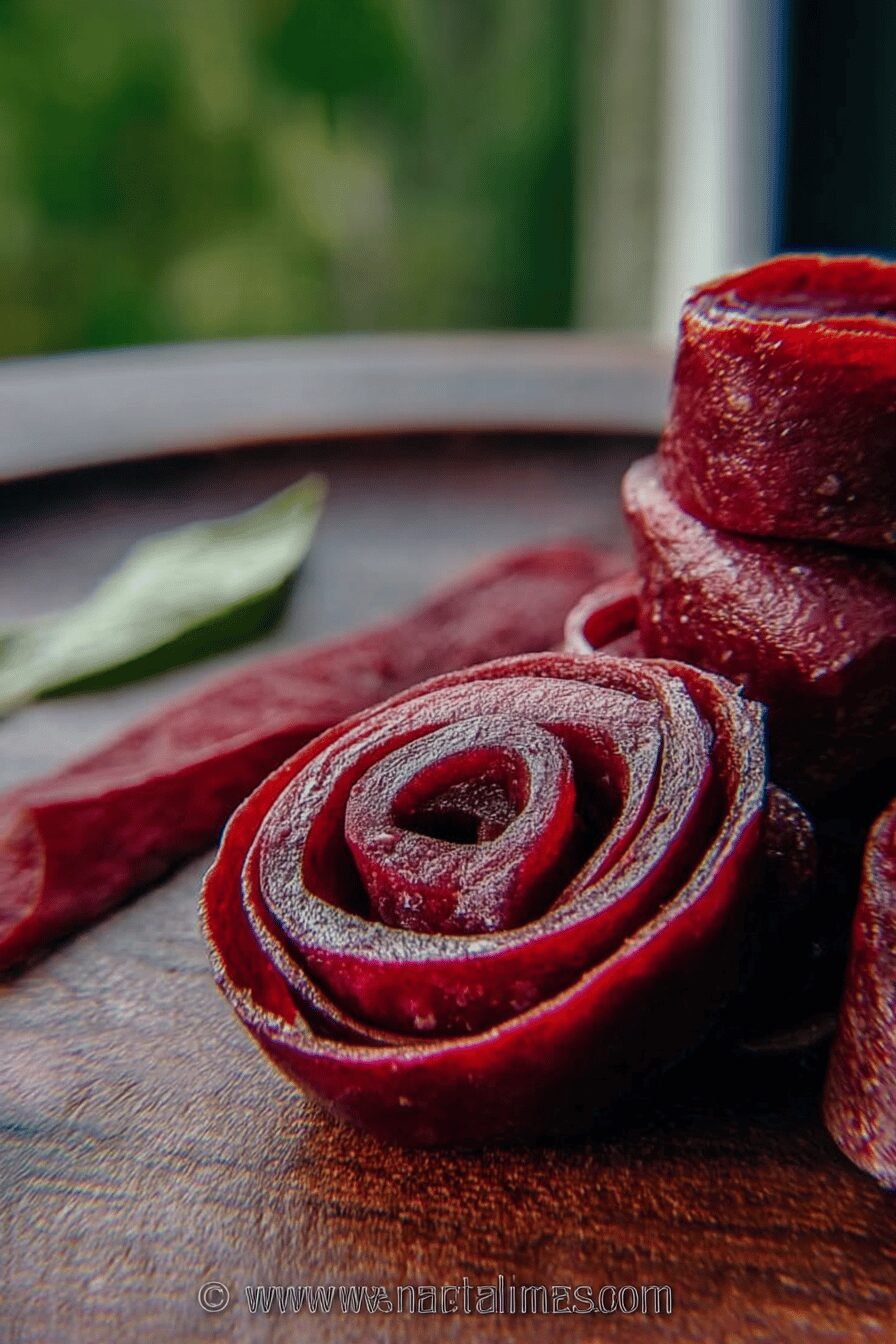
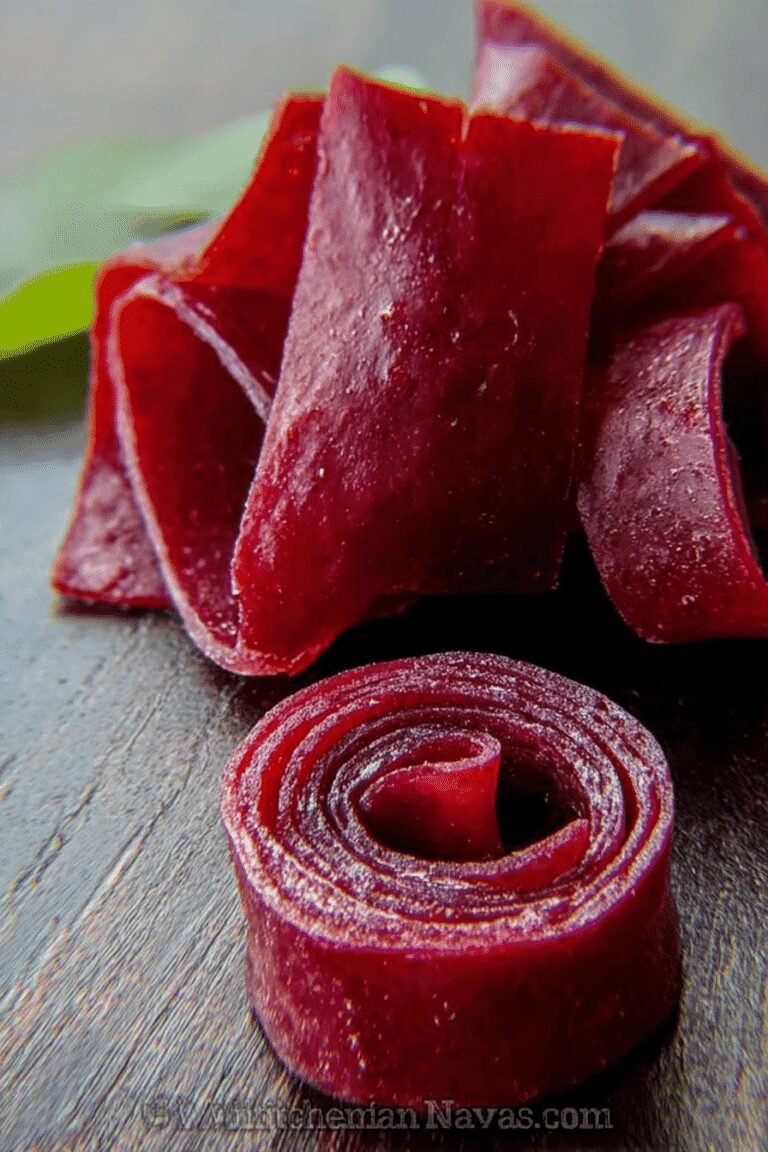
Once it’s ready, handle the final steps carefully to keep your fruit leather fresh. When fully dried and no longer sticky, cut the leather into strips and store it rolled in parchment paper in an airtight container, refrigerated or frozen for extended shelf life. Preparation time is about 30 minutes for prep, with drying taking 6 to 8 hours or longer depending on thickness, so plan accordingly.
Tips for Smoother Preparation
To avoid common pitfalls, use silicone liners to prevent sticking, and remember that thicker batches may need more time. Here’s a quick list of adjustments to keep in mind:
- Check the puree every hour during drying to monitor progress
- If using honey instead of sugar, expect drying to take longer due to added moisture
- This method works well with other fruits, but always adjust sugar and drying times based on fruit ripeness
For more ideas on similar recipes, consider checking out our pumpkin spice latte guide for seasonal twists. As an external resource, explore fruit leather recipes for additional inspiration.

Dietary Substitutions to Customize Your Plum Fruit Leather
One of the joys of making plum fruit leather is how easy it is to adapt for different tastes and needs, making it accessible for everyone from newlyweds to health-focused folks. Whether you’re cutting calories or adding protein, small changes can make a big difference without losing flavor. Let’s look at some simple swaps to personalize your recipe.
Start with the main ingredients to keep things flexible. Substitute plums with other stone fruits such as apricots or peaches to vary flavors. For an extra protein boost, consider incorporating nut butters where applicable, though this might change the texture slightly.
Don’t overlook seasonings and extras that can elevate your snack. Add spices like cinnamon or ginger for flavor variations, or incorporate natural extracts like vanilla or almond to customize taste. Use sugar-free syrup alternatives or reduce sweeteners for low-calorie adaptations, and season with a pinch of sea salt to enhance sweetness if desired.
These modifications ensure your plum fruit leather fits various diets. For example, it’s naturally gluten-free, and with plant-based sweeteners, it becomes a vegan favorite. Experimenting keeps things exciting for baking enthusiasts and diet-conscious individuals alike.
Mastering Plum Fruit Leather: Advanced Tips and Variations
Once you’re comfortable with the basics, taking your plum fruit leather to the next level can be a creative adventure, perfect for food enthusiasts and busy parents alike. These advanced tips build on the simple recipe to add flair and efficiency. Let’s dive into how to refine your technique for even better results.
Pro cooking techniques make a noticeable difference in quality. Use a food dehydrator for even drying and consistent texture, as it maintains low heat without the risk of overcooking. This method is especially useful if you live in a humid area, helping achieve that ideal chewy consistency.
Flavor variations open up endless possibilities for personalization. Experiment with adding fresh herbs like mint or basil, or mix in other fruit purees to create unique blends. For instance, combining plums with berries can add a tart twist, appealing to those who love diverse tastes.
Presentation and storage are key for enjoying your creation. Roll fruit leather tightly in parchment paper for neat serving, making it easy to pack for travel or school lunches. Prepare large batches and freeze portions for convenient snacking, extending freshness for up to six months.
Creative Ideas to Try
Subtle enhancements ensure your plum fruit leather stands out. For our Johnny cakes recipe, we use similar techniques for quick treats, showing how these skills transfer. These tips not only improve taste and appearance but also make the process more enjoyable for all skill levels.
How to Store Plum Fruit Leather: Best Practices
Proper storage keeps your plum fruit leather fresh and delicious, which is crucial for busy professionals and families on the move. After all that effort, you’ll want to preserve that sweet-tart goodness for as long as possible. Follow these straightforward guidelines to maintain quality.
Start with refrigeration for short-term use. Store fruit leather in an airtight container in the refrigerator for up to 3 weeks, protecting it from moisture and staleness. This method is simple and effective for everyday snacking.
For longer preservation, freezing is your best bet. Wrap strips individually and freeze to extend shelf life up to 6 months, making it ideal for meal prep. No need to reheat; just allow frozen leather to thaw at room temperature for a quick treat.
Consider meal prep for added convenience. Portion and package rolls in advance for grab-and-go snacks while maintaining freshness. Proper storage, like using airtight containers, preserves the quality and flavor of your plum fruit leather, ensuring it stays chewy and tasty.
Remember, keeping things sealed tight is the secret to enjoying your homemade snacks longer, as shared in various kitchen tips from experienced cooks.
FAQs: Frequently Asked Questions About Plum Fruit Leather
Why do I need to cook plums before making fruit leather?
Cooking plums before blending helps reduce excess liquid and softens the fruit, which improves the texture and color of the fruit leather. This step also enhances the flavor by concentrating the natural sweetness. Without pre-cooking, the fruit leather may become too runny or unevenly dried, affecting its chewiness.
Can I substitute honey for sugar in plum fruit leather, and how does it affect drying time?
Yes, honey can be used instead of sugar, but it tends to slow down the drying process because it retains moisture longer. When using honey, add it gradually to taste, and expect the drying time to increase. Check the texture regularly to avoid over- or under-drying.
Can I make fruit leather using frozen or canned plums instead of fresh ones?
Frozen plums work well for fruit leather as long as they are thawed and drained of excess liquid before cooking. Canned plums might contain added syrup or preservatives, which can affect sweetness and drying time, so adjust sugar and drying accordingly.
How should I store plum fruit leather to keep it fresh and chewy?
Store plum fruit leather in airtight containers or food-safe plastic bags to prevent moisture absorption. Keep it in a cool, dry place, or refrigerate to extend shelf life up to a month. For longer storage, freezing is an option, but be sure to wrap it well to prevent freezer burn.
What type of paper should I use to line the baking sheet when making fruit leather, and why?
Use parchment paper to line baking sheets; it prevents sticking and allows for easy removal of the fruit leather. Avoid wax paper, as it tends to stick to the fruit and can pull apart the leather when removing it. Parchment is heat-resistant and ideal for dehydrating or low-heat baking.
Plum Fruit Leather
🍑 This Homemade Plum Fruit Leather recipe offers a delicious way to preserve fresh plums in a chewy, naturally sweet snack.
🌞 With simple steps and minimal ingredients, it’s perfect for a healthy, portable treat that lasts long.
- Total Time: 7 to 8.5 hours
Ingredients
– 7 pounds (about 5 quarts) plums Main fruit base, rich in vitamins and flavor
– 3/4 cup granulated sugar Sweetener to balance tartness
Instructions
1-Begin with the preparation of your plums: as this sets the foundation for great texture and flavor. Wash, halve, and pit the plums, then bake them cut side up on rimmed baking sheets at 400 degrees Fahrenheit for 15 to 20 minutes until softened. Once cooled, this step helps make the puree smooth and easy to work with.
2-Next, blend everything into a uniform mixture, which is key for even drying. Puree the softened plums in a food processor until smooth, and mix in the 3/4 cup of granulated sugar, adjusting for taste if needed. Spread the puree onto parchment-lined baking sheets to a thickness of 1/8 to 1/4 inch, ensuring it’s even for consistent results.
3-Now, focus on the drying phase, which requires a bit of patience but is worth it for that perfect chewy finish. Dry the puree in the oven at a low temperature around 140 degrees Fahrenheit for 6 to 8 hours, or try alternative methods like sun drying for about two days or using a food dehydrator for efficiency.
4-Once it’s ready, handle the final steps carefully to keep your fruit leather fresh. When fully dried and no longer sticky, cut the leather into strips and store it rolled in parchment paper in an airtight container, refrigerated or frozen for extended shelf life. Preparation time is about 30 minutes for prep, with drying taking 6 to 8 hours or longer depending on thickness, so plan accordingly.
Last Step:
Please leave a rating and comment letting us know how you liked this recipe! This helps our business to thrive and continue providing free, high-quality recipes for you.Notes
🍽️ Use silicone liners to prevent sticking during drying.
⏳ Thicker puree layers require longer drying times to fully set.
🍯 Substitute honey for sugar to adjust sweetness, but note drying time may increase.
- Prep Time: 30 minutes
- Drying Time: 6 to 8 hours
- Cook Time: 15 to 20 minutes
- Category: Snack, Dessert
- Method: Baking, Dehydrating
- Cuisine: International
- Diet: Vegetarian, Gluten-Free






I tried making plum fruit leather for the first time using your recipe and it turned out fantastic! I added a little cinnamon for a warm twist and it worked surprisingly well. Thanks for sharing this delightful snack idea 🍑😊!