

Why You’ll Love This Stir Fry Sauce
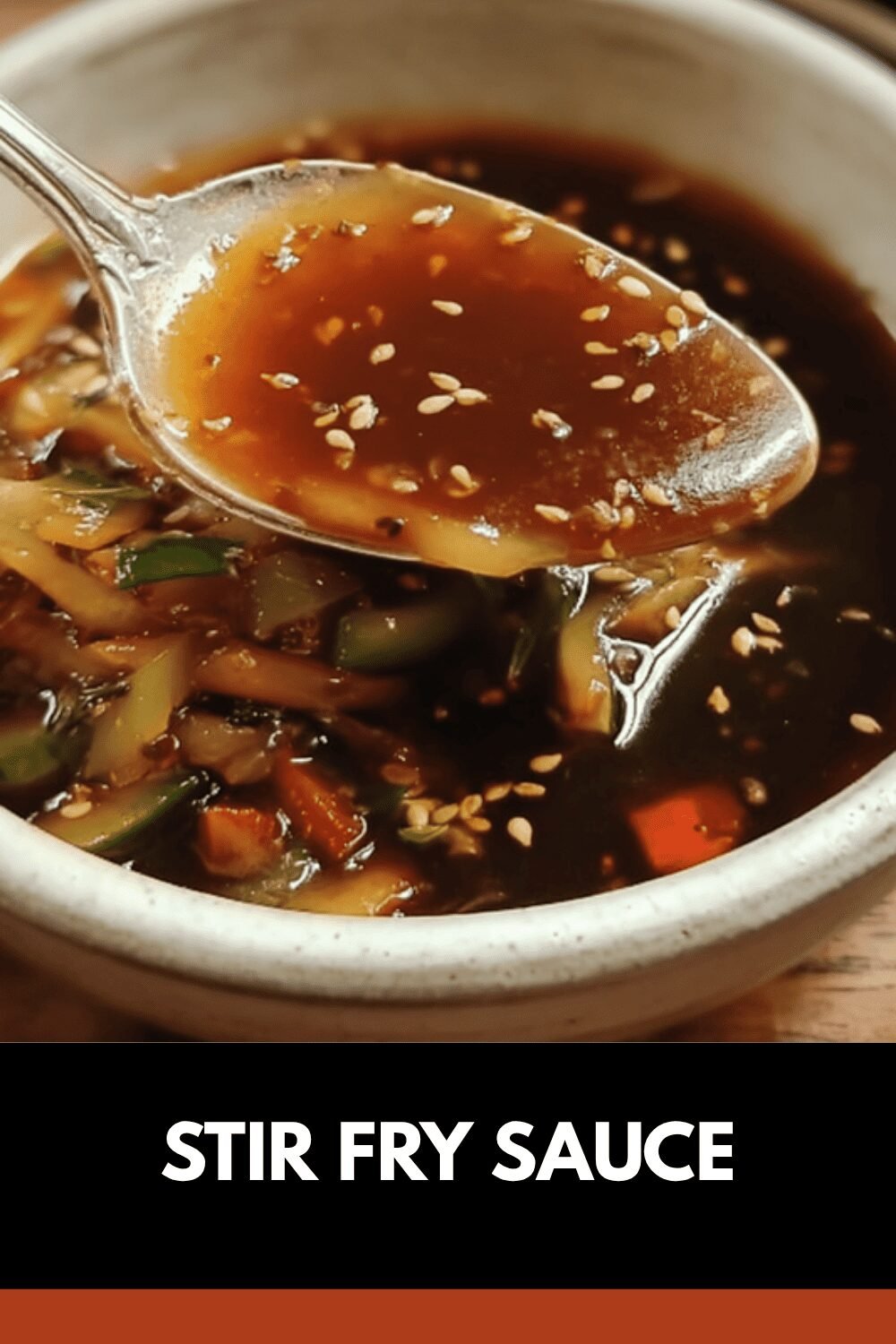
Hey friends, if you’re anything like me, a good stir fry sauce can turn a hectic evening into a fun, flavorful adventure without much fuss! This quick recipe comes together in just minutes, making it ideal for busy parents, students, or anyone racing against the clock. You’ll appreciate how it packs in wholesome benefits while keeping things tasty and adaptable for your lifestyle.
One of the best parts is its simplicity one bowl and a few stirs, and you’re set for delicious meals all week. It’s full of fresh ingredients that bring a burst of nutrients, like antioxidants from garlic and ginger, plus options to go low-sodium for those watching their intake. Whether you’re cooking for diet-conscious friends or experimenting in the kitchen, this sauce fits right in and adds that wow factor to veggies, proteins, or even grains (just imagine tossing it with rice for an easy twist!).
Beyond the ease, what really makes this stir fry sauce shine is its versatility for all kinds of eaters. You can tweak it for vegan, gluten-free, or low-calorie needs, so it’s perfect for home cooks exploring new flavors without the hassle. Trust me, once you try it, you’ll wonder how you managed without this go-to hack for fast dinners that feel special every time.
Key Benefits for Everyday Use
Let’s break it down a bit more this sauce isn’t just about saving time; it’s about making healthy eating exciting. For instance, using fresh ginger adds a warm kick that supports digestion, while low-sodium options help keep things balanced for your wellness goals. If you’re a working professional or a senior looking for light meals, this recipe keeps things straightforward and enjoyable.
Plus, food enthusiasts and travelers will love how it adapts to whatever’s in your pantry or fridge. Imagine whipping this up on a camping trip or for a quick lunch it’s that flexible! Overall, it’s a game-changer for creating memorable meals that bring people together, just like sharing stories around the table.
Essential Ingredients for Stir Fry Sauce
Alright, let’s talk about what makes this stir fry sauce so magical it’s all in the ingredients! Gathering these is a breeze, and I’ll walk you through them in a clear list so you can grab exactly what you need. Remember, fresh is best for that punchy flavor we all crave in a good stir fry.
- ½ cup low sodium soy sauce
- ½ cup low sodium vegetable stock or water
- 1 teaspoon sesame oil
- ½ tablespoon rice vinegar
- 2 cloves garlic, minced
- 1 to 2 teaspoons fresh ginger, minced or grated
- 1 tablespoon sugar or honey (you can go up to 2 tablespoons if you want it sweeter)
- 1 tablespoon cornstarch
- Pinch of red pepper flakes (if you’re in the mood for a little heat)
This lineup keeps things simple yet packed with flavor, and it’s easy to swap for dietary tweaks. For example, if you’re aiming for vegan vibes, just swap honey with sugar. Now, let’s dive into why each one matters they’re not just fillers; they create that perfect balance of salty, sweet, and zesty notes.
Why These Ingredients Work Together
Each item plays a key role, like how soy sauce brings the umami and garlic adds that fresh burst (seriously, don’t skip it!). If you’re new to cooking, this list is your starting point for experimenting without overwhelming your kitchen. Oh, and for a fun link, check out our berry trifle recipe if you want to play with sweet flavors in another easy dish it’s a great way to see how basic ingredients can shine in different meals.
Whether you’re a busy parent or a baking enthusiast, these components make prep straightforward and customizable. Just measure them out precisely, and you’ll nail that restaurant-quality taste at home every time.
How to Prepare the Perfect Stir Fry Sauce: Step-by-Step Guide
Okay, friends, getting this sauce ready is as simple as it gets think five minutes tops, and you’re on your way to a tasty meal! Start by pulling together all your ingredients so everything flows smoothly. This step-by-step approach makes it foolproof, even if you’re juggling a million things like most working professionals out there.
- Combine all ingredients in a bowl or a lidded jar; this includes the ½ cup low sodium soy sauce, ½ cup low sodium vegetable stock or water, 1 teaspoon sesame oil, ½ tablespoon rice vinegar, 2 cloves garlic (minced), 1 to 2 teaspoons fresh ginger (minced or grated), 1 tablespoon sugar or honey (up to 2 tablespoons for extra sweetness), 1 tablespoon cornstarch, and a pinch of red pepper flakes if you like it spicy.
- Whisk everything together or give it a good shake in the jar until it’s all mixed up evenly; this helps the flavors blend without any lumps.
- Use it right away in your stir fry by simmering it to let it thicken and coat your veggies or proteins perfectly.
- Store any leftovers in an airtight container in the refrigerator, where it’ll keep fresh for up to one week.
- It yields about 1 ¼ cups, so start with half in your recipe and add more as you go to get just the right taste.
Once you’re done, you’ll have a sauce that’s ready to jazz up any dish, and it’s super adaptable for different diets. For instance, if you’re making it gluten-free, swap the soy sauce with tamari right in this step. Remember, tasting as you go is key to making it your own!
Tips for Smooth Preparation
If you’re a student or newlywed just starting out, don’t worry about perfection practice makes it fun. For an external resource, you might check out stir fry sauce basics to explore more ideas. This method keeps things quick and easy, perfect for seniors who want meals without the fuss.
By following these steps, you’ll create a sauce that not only tastes amazing but also fits into your busy routine seamlessly.

Dietary Substitutions to Customize Your Stir Fry Sauce
One of the coolest things about this stir fry sauce is how you can tweak it to fit your needs it’s like a blank canvas for your kitchen experiments! Whether you’re a diet-conscious individual or a food enthusiast, swapping ingredients can make it just right. For example, if you’re going vegan, swap honey for sugar to keep that sweetness without any animal products.
- Replace chicken or beef with tofu or tempeh for vegan options that still pack protein.
- Use shrimp or fish if you’re on a pescatarian diet and want a seafood twist.
- Swap bell peppers with zucchini or snap peas for a fresh, seasonal variation.
- Use coconut aminos or liquid aminos as alternatives to soy sauce for those avoiding soy.
- Enhance flavor with chili flakes or fresh herbs if you want to amp up the taste.
These changes help make the sauce inclusive, so busy parents or travelers can adapt on the go. Plus, it’s a great way for newlyweds to bond over customizing meals together.
Simple Swaps for Better Health
For instance, if sodium is a concern, stick with low-sodium soy sauce and water as in the original list it’s an easy win for your wellness routine. And if you’re linking it to other recipes, our pumpkin whoopie pies show how fun substitutions can lead to delicious results in desserts too.
This flexibility ensures everyone at the table can enjoy a meal that’s both flavorful and tailored to them.
Mastering Stir Fry Sauce: Advanced Tips and Variations
Once you’ve nailed the basics, let’s level up your stir fry sauce game it’s all about those pro tricks that make your dishes stand out! Use high heat in a well-seasoned wok for that perfect sear, which locks in flavors and gives your veggies a nice crunch. You can also play with add-ins like hoisin sauce or fresh herbs to create your signature twist.
Fresh garlic and ginger are must-haves for that zingy depth, and don’t forget to adjust sweetness with extra sugar or honey if you’re in the mood for something milder. To thicken it up, add more cornstarch gradually while it simmers it’s a simple way to get that glossy finish. For easier mixing, shake everything in a jar; it’s quicker and less messy, perfect for multitasking like a pro.
Fun Variations and Storage Hacks
Customize by changing ratios, such as increasing rice vinegar for more tang or adding red pepper flakes for heat. If you make a big batch, freeze it in airtight containers for up to 3 months and thaw gently it’s ideal for meal prep. This sauce is naturally suitable for vegetarian diets if you skip honey, and you can make it gluten-free with tamari or soy-free with coconut aminos.
For presentation, top your stir fry with toasted sesame seeds or scallions to make it look as good as it tastes. And hey, if you’re into baking, these tips can inspire you like in our other recipes.
| Nutrient | Amount per 2 tbsp Serving |
|---|---|
| Calories | 16 |
| Carbohydrates | 3g |
| Protein | 1g |
| Fat | 1g |
| Sodium | 497mg |
| Potassium | 22mg |
| Fiber | 1g |
| Sugar | 1g |
| Vitamin A | 18 IU |
| Vitamin C | 1mg |
| Calcium | 3mg |
| Iron | 1mg |
This table shows how nutritious it is, helping you make informed choices for your meals.
How to Store Stir Fry Sauce: Best Practices
Storing your stir fry sauce properly keeps it fresh and ready for action, so you can enjoy it all week long! Pop it in a sealed glass container in the fridge, where it lasts up to one week without losing its punch. For longer storage, freeze it in ice cube trays for easy portions that thaw quickly when you need them.
When it’s time to use it again, warm it gently over low heat or stir it straight into your hot stir fry to keep the flavors intact. Planning ahead with labeled batches cuts down on waste and makes meal prep a breeze for busy folks. Preparation time is just about 5 minutes, so it’s perfect for squeezing into your day.
Pro Tips for Longevity
Always check for freshness before using, and remember these hacks make it simple for everyone from students to seniors.
FAQs: Frequently Asked Questions About Stir Fry Sauce
How do I make a low-sodium stir fry sauce at home?
To reduce sodium in your stir fry sauce, start by using low-sodium soy sauce instead of regular soy sauce. Replace chicken or vegetable broth with unsalted vegetable stock or simply water to avoid added salt. You can also limit or omit salty ingredients like oyster sauce or hoisin sauce. Taste and adjust seasoning gradually, adding mild herbs or a splash of rice vinegar for flavor without extra sodium.
Can I prepare a gluten-free stir fry sauce?
Yes, making a gluten-free stir fry sauce is straightforward. Substitute regular soy sauce with gluten-free options such as tamari or coconut aminos. Most other ingredients like garlic, ginger, and rice vinegar are naturally gluten-free, but always verify the labels to avoid hidden gluten in sauces or additives.
What is the best way to make stir fry sauce thicker?
To thicken stir fry sauce, add a cornstarch slurry. Mix 1/2 to 1 tablespoon of cornstarch with an equal amount of cold water or stock to create a smooth paste. Whisk this mixture into the sauce while it simmers over medium heat. The sauce will thicken quickly and coat your stir fry ingredients evenly.
Is stir fry sauce suitable for vegans and vegetarians?
Stir fry sauce can be both vegan and vegetarian when made with plant-based ingredients. Use sugar instead of honey to keep it vegan-friendly, and avoid fish sauce or other animal-based condiments. Typical components like soy sauce, garlic, ginger, and vegetable stock work well for vegan diets.
Can I make stir fry sauce without soy sauce, and what’s a good alternative?
Yes, you can prepare soy-free stir fry sauce by replacing soy sauce with coconut aminos. This alternative provides a similar salty and slightly sweet taste without soy or gluten, making it suitable for sensitive diets. Combine it with ingredients like garlic, ginger, and a splash of rice vinegar for full flavor.
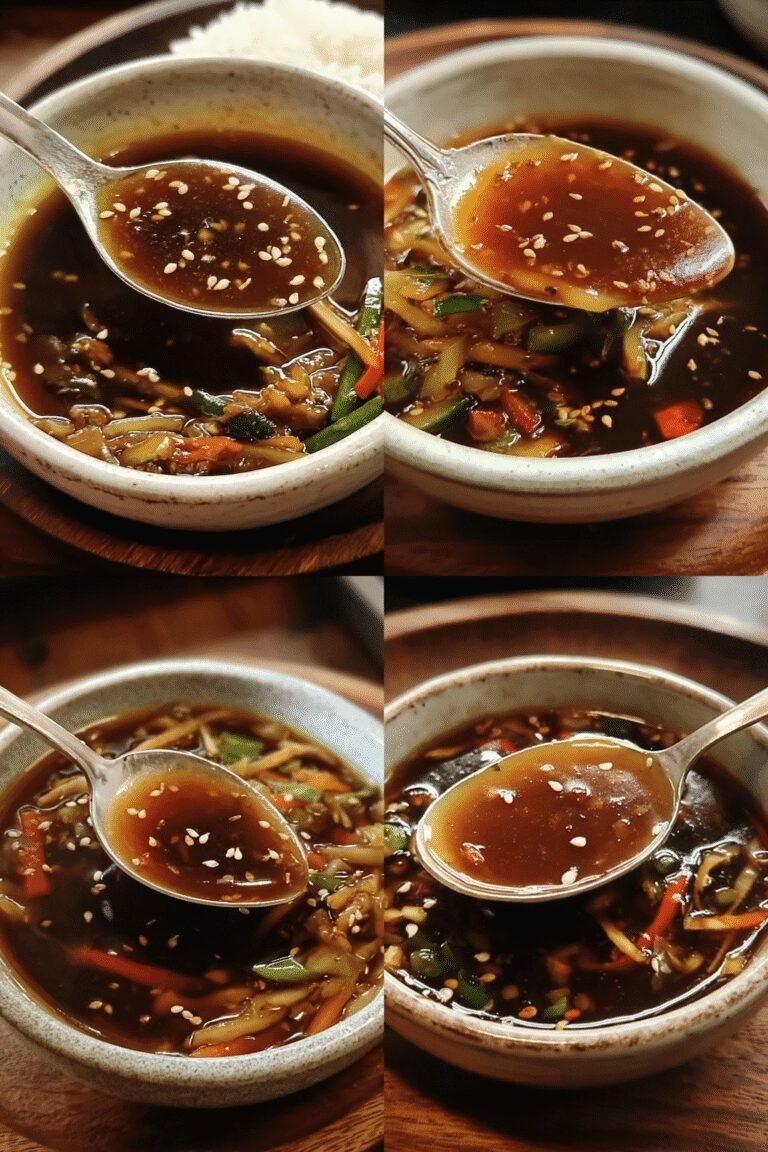
Stir Fry Sauce
⏱️ The 5 Minute Stir Fry Sauce provides a quick and easy way to add bold, savory flavor to your stir fry dishes.
🍜 This versatile sauce is perfect for busy cooks looking to create fast, delicious meals with a homemade touch.
- Total Time: 5 minutes
- Yield: 1 1/4 cups
Ingredients
– ½ cup low sodium soy sauce
– ½ cup low sodium vegetable stock or water
– 1 teaspoon sesame oil
– ½ tablespoon rice vinegar
– 2 cloves garlic, minced
– 1 to 2 teaspoons fresh ginger, minced or grated
– 1 tablespoon sugar or honey
– 1 tablespoon cornstarch
– Pinch of red pepper flakes
Instructions
1-Combine all ingredients in a bowl or a lidded jar; this includes the ½ cup low sodium soy sauce, ½ cup low sodium vegetable stock or water, 1 teaspoon sesame oil, ½ tablespoon rice vinegar, 2 cloves garlic (minced), 1 to 2 teaspoons fresh ginger (minced or grated), 1 tablespoon sugar or honey (up to 2 tablespoons for extra sweetness), 1 tablespoon cornstarch, and a pinch of red pepper flakes if you like it spicy.
2-Whisk everything together or give it a good shake in the jar until it’s all mixed up evenly; this helps the flavors blend without any lumps.
3-Use it right away in your stir fry by simmering it to let it thicken and coat your veggies or proteins perfectly.
4-Store any leftovers in an airtight container in the refrigerator, where it’ll keep fresh for up to one week.
5-It yields about 1 ¼ cups, so start with half in your recipe and add more as you go to get just the right taste.
Last Step:
Please leave a rating and comment letting us know how you liked this recipe! This helps our business to thrive and continue providing free, high-quality recipes for you.Notes
🧂 Control sodium by using low sodium soy sauce and unsalted stock or water.
🧄 Fresh garlic and ginger are essential for the best flavor.
🍯 Adjust sweetness and thickness by varying sugar, honey, rice vinegar, and cornstarch amounts to suit taste.
- Prep Time: 5 minutes
- Category: Sauce
- Method: Mixing, Simmering
- Cuisine: Asian-inspired
- Diet: Vegetarian
Nutrition
- Serving Size: 2 tablespoons
- Calories: 16
- Sugar: 1g
- Sodium: 497mg
- Fat: 1g
- Carbohydrates: 3g
- Fiber: 1g
- Protein: 1g
- Cholesterol: 0mg





I love this sauce!
I added a splash of sesame oil and it took the flavor to another level.
Will definitely make it again 🍜