
Why You’ll Love This Polvoron
Polvoron stands out as a beloved treat, offering a delightful mix of simplicity and flavor that appeals to home cooks and baking enthusiasts alike. This polvoron recipe is incredibly simple, requiring minimal ingredients and quick cooking time, making it perfect for busy schedules and beginners alike. Packed with nutritious elements, this recipe provides beneficial nutrients such as calcium and fiber, contributing to overall wellness and supporting a balanced diet.
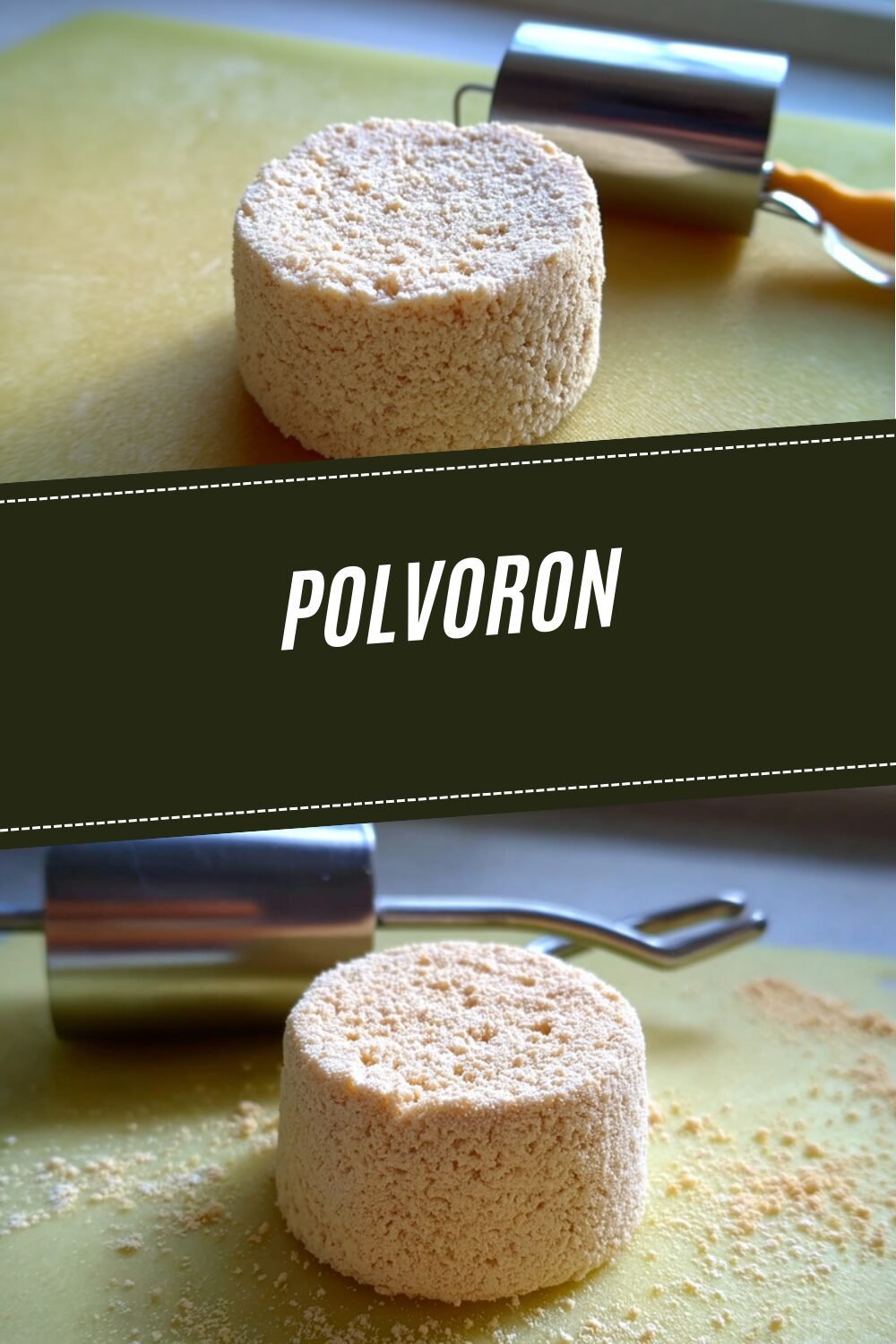
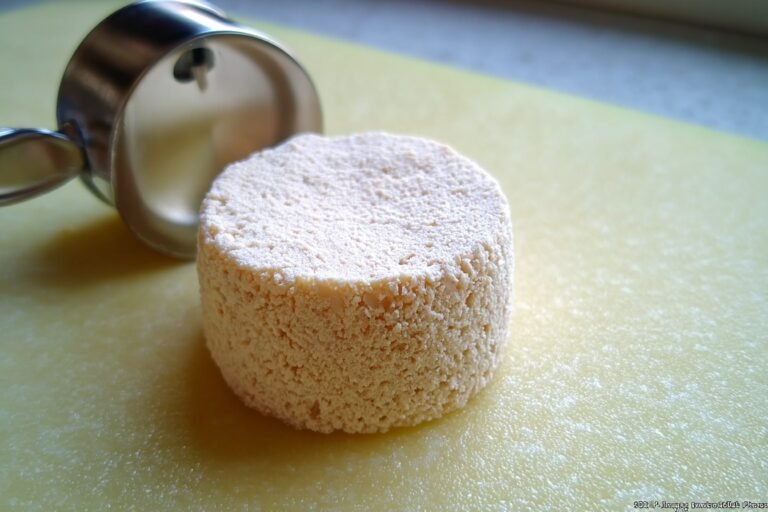
Polvoron is renowned for its heavy, soft, and very crumbly texture, made mainly from flour, sugar, milk, and fat such as lard, butter, or vegetable shortening. Its versatility allows it to be adapted to various dietary needs, meaning you can easily modify it for vegan, gluten-free, or low-calorie preferences without compromising taste or texture. The distinctive flavor comes from a unique blend of toasted flour and rich milk powder, delivering a creamy, sweet experience that sets this polvoron apart from ordinary snacks. Popular in regions like Spain, Latin America, the Philippines, and the southern United States, polvoron is often enjoyed during holidays but is also available year-round, adding to its appeal for travelers and food enthusiasts.
For those new to polvoron, the preparation takes just 30 to 45 minutes, including toasting and molding, which makes it ideal for busy parents or working professionals. Once made, these treats can be wrapped individually in colorful paper or cellophane and stored in airtight containers to maintain freshness and prevent crumbling. If you’re looking for more quick and easy recipes like this, check out our guide to simple seasonal beverages that pair perfectly with polvoron. Overall, this polvoron recipe combines ease, nutrition, and cultural richness into one satisfying treat.
Essential Ingredients for Polvoron
Choosing the right ingredients is key to making authentic polvoron, which is a heavy, soft, and very crumbly shortbread. Below is a comprehensive list of all ingredients mentioned, formatted for clarity. This ensures you have everything needed for the recipe, based on traditional methods and variations.
Main Ingredients
- 200 grams of flour (lightly toasted to develop a nutty flavor)
- 150 grams of powdered sugar (for even sweetening)
- 100 grams of powdered milk (adds creaminess and rich dairy flavor)
- 100 grams of fat (such as lard, butter, or vegetable shortening, to bind ingredients and enhance richness)
- 2 cups toasted all-purpose flour (provides the base with a nutty aroma and crunchy texture)
- 1 cup powdered milk (alternative measurement for larger batches)
- 1 cup granulated sugar (an option for sweetening the mixture evenly)
- 1/2 cup melted butter (binds ingredients; traditionally, this could be manteca from the Iberian pig)
- 50 grams of crushed peanuts (optional, for added variation and texture)
- 50 grams of toasted rice powder (optional, for a unique twist in Filipino-style polvoron)
- 50 grams of shredded coconut (optional, to enhance flavor)
- 50 grams of sesame seeds (optional, for additional crunch)
Special Dietary Options
For those with specific dietary needs, here are substitutions to customize your polvoron. For more on the benefits of key ingredients like butter, read about reasons why butter is good for you.
- Vegan: Use plant-based margarine instead of butter and almond or soy milk powder instead of powdered milk
- Gluten-free: Substitute all-purpose flour with gluten-free flour blends, such as chickpea flour or rice flour
- Low-calorie: Replace granulated sugar with natural sweeteners like stevia or erythritol
How to Prepare the Perfect Polvoron: Step-by-Step Guide
Creating polvoron at home is straightforward and rewarding, especially with its fine, dry, powder-like texture that comes from the Filipino style of preparation. Polvoron is made by lightly toasting the flour, then blending it with other ingredients without baking, which takes about 30 to 45 minutes total. This method ensures the treat remains soft and crumbly, perfect for snacks enjoyed in Spain, Latin America, the Philippines, or the southern United States.
First Steps: Toasting and Cooling
First, toast the flour in a dry pan over medium heat for about 10 minutes or until it turns golden brown, stirring constantly to prevent burning and develop that nutty flavor essential to polvoron. Allow the toasted flour to cool completely to avoid melting the butter in the later steps, which helps maintain the mixture’s crumbly texture. This cooling process is crucial for achieving the heavy, soft consistency traditional in polvoron recipes.
Mixing and Molding
In a large bowl, combine the cooled toasted flour, powdered sugar, powdered milk, and any optional ingredients like crushed peanuts or shredded coconut, mixing well for even distribution. Gradually add the melted fat, such as butter or lard, to the dry mixture, stirring continuously to create a crumbly but moldable texture that holds its shape without baking. Press the mixture firmly into polvoron molds or small molds lined with wax paper, then chill the shaped polvoron in the refrigerator for at least one hour to set and enhance the flavor.
For adaptations, use the specified substitutes for vegan or gluten-free options as noted in the ingredients section. Once prepared, these treats can be wrapped in colorful paper or cellophane for storage, linking back to cultural practices in various regions. If you’re interested in more traditional recipes, explore our article on classic baked goods that complement polvoron traditions.
| Step | Time Required | Tips |
|---|---|---|
| Toast flour | 10 minutes | Stir constantly on medium heat |
| Cool flour | 5-10 minutes | Ensure complete cooling |
| Mix ingredients | 5 minutes | Mix thoroughly for even texture |
| Mold and chill | 15-20 minutes chilling | Use molds for perfect shapes |

Dietary Substitutions to Customize Your Polvoron
Polvoron is highly adaptable, allowing for easy modifications to suit different preferences while keeping its traditional crumbly nature. Traditionally made with ingredients like flour, sugar, milk, and fat from the Iberian pig, modern versions often substitute butter or vegetarian fats for broader appeal. Protein and main component alternatives include replacing powdered milk with soy or almond milk powder for plant-based options, or using chickpea flour or ground nuts as substitutes for a gluten-free base.
For vegetable, sauce, and seasoning modifications, add ground cinnamon or nutmeg to introduce seasonal flavors that enhance the nutty profile of toasted flour. Incorporate finely grated citrus zest to boost freshness and aroma, making it more appealing to diet-conscious individuals. You can also swap traditional sugar with coconut sugar for a lower glycemic index, ensuring polvoron fits into various lifestyles without losing its rich, creamy taste.
These changes reflect the evolution of polvoron in regions like the Philippines and Latin America, where local ingredients create unique variations. For more on flour’s role, check out flour nutrition facts and health benefits, which can guide your substitutions.
Mastering Polvoron: Advanced Tips and Variations
To elevate your polvoron skills, focus on pro cooking techniques like toasting flour evenly on low heat to deepen flavor without burning, and using a fine mesh sieve for a smooth texture that enhances the powder-like consistency. Polvoron, popular in Spain and other areas, can be varied by adding crushed nuts, cocoa powder, or dried fruit to the mix, creating unique tastes that appeal to baking enthusiasts and food travelers. Presentation tips include sprinkling with powdered sugar or drizzling with dark chocolate for an elegant finish, making it ideal for holidays or everyday treats.
Make-Ahead and Storage Ideas
Make-ahead options let you prepare polvoron in bulk and store it in airtight containers, ensuring you have fresh treats ready for seniors or newlyweds hosting gatherings. Experiment with additions like toasted rice powder or sesame seeds to add regional flair from the Philippines. These tips help maintain the treat’s soft, crumbly texture while allowing for creative twists on the traditional recipe.
How to Store Polvoron: Best Practices
Proper storage is essential for polvoron, given its crumbly nature from ingredients like toasted flour and fat, to keep it fresh and prevent it from drying out. Store polvoron in an airtight container in the refrigerator for up to one week, which helps maintain its heavy, soft texture popular in Latin America and beyond. For long-term options, freeze polvoron wrapped tightly in plastic wrap and placed in freezer bags, then thaw before serving to preserve that fine, dry consistency.
No reheating is necessary; serve it chilled or at room temperature for the best texture, reflecting traditional practices in Spain where it’s often enjoyed without baking. Portion polvoron individually for meal prep, making it easy for busy parents or students to grab a quick snack while keeping quality intact.
FAQs: Frequently Asked Questions About Polvoron
What is polvorón and what are its main ingredients?
Polvorón is a type of shortbread known for its crumbly, powdery texture. The traditional Spanish version is made with flour, sugar, milk, and lard (specifically Iberian pig fat), often including almonds or other nuts. In the Philippines, polvorón uses toasted flour, sugar, milk, and butter instead of lard and is not baked, giving it a dry, powdery consistency enjoyed as a snack.
Where did polvorón originally come from?
Polvorón originated in Spain, where it remains a popular baked sweet, especially around Christmas. Many factories in Spain produce various types of polvorones and mantecados. The treat later spread to Latin America and the Philippines, each region developing its own version with locally available ingredients.
How does polvorón differ from mantecado?
Mantecado is a broader category of Spanish shortbreads made primarily with lard (“manteca”) and includes polvorón as one variety. Polvorón specifically describes the shortbread that crumbles into a fine, powdery texture when eaten. Mantecados may have varying textures but typically share lard as a key ingredient, while Filipino polvorón replaces lard with butter.
Is polvorón available throughout the year or only during certain seasons?
Traditionally, polvorón is popular from September to January, especially during Christmas in Spain and Latin America. However, due to demand and commercialization, polvorones are now commonly available year-round in many regions, including specialty stores and supermarkets, allowing people to enjoy them anytime.
What are some common variations of polvorón in Latin America and the Philippines?
In Latin America, polvorones may use butter or vegetable fats instead of pig fat, reflecting local dietary preferences, and are often served as Christmas desserts. The Filipino version is distinct, using toasted flour and butter, is not baked, and has a dry, finely powdered texture. It is usually eaten as a snack and sometimes mixed with powdered milk or crushed nuts for added flavor.
Polvoron
🍪 Polvorón is a traditional, crumbly shortbread treat known for its soft texture and delightful nutty flavor.
🌟 This easy homemade recipe offers a customizable approach, perfect for festive occasions or anytime indulgence.
- Total Time: 30 minutes
- Yield: About 20 pieces 1x
Ingredients
200 grams flour (lightly toasted to develop a nutty flavor)
150 grams powdered sugar (for even sweetening)
100 grams powdered milk (adds creaminess and rich dairy flavor)
100 grams fat (to bind ingredients and enhance richness)
2 cups toasted all-purpose flour (provides the base with a nutty aroma and crunchy texture)
1 cup powdered milk (alternative measurement for larger batches)
1 cup granulated sugar (an option for sweetening the mixture evenly)
1/2 cup melted butter (binds ingredients)
50 grams crushed peanuts (for added variation and texture)
50 grams toasted rice powder (for a unique twist in Filipino-style polvoron)
50 grams shredded coconut (to enhance flavor)
50 grams sesame seeds (for additional crunch)
Instructions
1-First Steps: Toasting and Cooling First, toast the flour in a dry pan over medium heat for about 10 minutes or until it turns golden brown, stirring constantly to prevent burning and develop that nutty flavor essential to polvoron. Allow the toasted flour to cool completely to avoid melting the butter in the later steps, which helps maintain the mixture’s crumbly texture. This cooling process is crucial for achieving the heavy, soft consistency traditional in polvoron recipes.
2-Mixing and Molding In a large bowl, combine the cooled toasted flour, powdered sugar, powdered milk, and any optional ingredients like crushed peanuts or shredded coconut, mixing well for even distribution. Gradually add the melted fat, such as butter or lard, to the dry mixture, stirring continuously to create a crumbly but moldable texture that holds its shape without baking. Press the mixture firmly into polvoron molds or small molds lined with wax paper, then chill the shaped polvoron in the refrigerator for at least one hour to set and enhance the flavor.
Last Step:
Please leave a rating and comment letting us know how you liked this recipe! This helps our business to thrive and continue providing free, high-quality recipes for you.Notes
🥄 Toast the flour carefully to bring out a richer, nutty flavor without burning.
🥜 Adding crushed peanuts or sesame seeds lends extra crunch and an interesting twist.
🧊 Keep polvorón in airtight containers and avoid moisture to preserve its crumbly texture and freshness.
- Prep Time: 30 minutes
- Category: Snack, Dessert
- Method: No-Bake, Toasted Flour
- Cuisine: Spanish, Filipino, Latin American
- Diet: Vegetarian
Nutrition
- Serving Size: 1 piece
- Calories: 120 kcal
- Sugar: 10 g
- Sodium: 5 mg
- Fat: 7 g
- Saturated Fat: 3 g
- Unsaturated Fat: 3 g
- Trans Fat: 0 g
- Carbohydrates: 12 g
- Fiber: 1 g
- Protein: 2 g
- Cholesterol: 10 mg