
Why You’ll Love This Baked Salmon
This baked salmon recipe is a go-to choice for anyone seeking a simple meal that bursts with flavor and goodness. It’s quick to put together, which makes it ideal for busy evenings when you don’t have much time to spend in the kitchen. Plus, it’s packed with nutrients that keep you feeling great, all while tasting amazing on your plate.
One of the best parts is how easy it is to prepare, taking just about 20 minutes from start to finish, so you can enjoy a healthy dinner without the hassle. This dish is also super adaptable, letting you tweak it for different dietary needs while keeping things delicious. Whether you’re cooking for family or just yourself, it’s a recipe that hits the spot every time.
The fresh herbs and citrus bring out the natural taste of the salmon in a way that feels special yet simple. You’ll find yourself making this again and again because it’s both satisfying and straightforward. For more on the health perks, you can check out this guide on salmon nutrition benefits, which explains how it supports your daily wellness.
- Ease of preparation: This baked salmon recipe is simple and quick to prepare, requiring minimal ingredients and only about 20 minutes of cooking time, making it perfect for busy weeknights.
- Health benefits: Rich in omega-3 fatty acids, high-quality protein, and essential vitamins, this dish supports heart health, brain function, and overall wellness.
- Versatility: The recipe can easily be adapted to accommodate various dietary preferences, including gluten-free and low-calorie diets, by altering seasonings and side dishes.
- Distinctive flavor: The combination of fresh herbs, citrus, and a hint of garlic creates a unique, flavorful profile that stands out on any menu.
To expand on this, imagine pairing it with light sides like a fresh salad or steamed veggies for a complete meal. It’s not just food; it’s a way to make your day a bit brighter without much effort. Don’t forget, this recipe comes together in under 25 minutes total, fitting right into your schedule.
Essential Ingredients for Baked Salmon
When you’re ready to dive into baking salmon, the right ingredients make all the difference in creating a dish that’s both tasty and nutritious. Let’s break down what you’ll need to get started, focusing on fresh, simple items that enhance the natural flavor of the fish. This list pulls together everything required for a perfect bake, so you can shop and prep with ease.
Here’s the full rundown of ingredients for this recipe, listed with exact measurements to help you measure out just what you need. We’ll stick to a clear format so it’s simple to follow along.
- 4 salmon fillets, about 170 grams (6 ounces) each
- 2 tablespoons olive oil
- ½ teaspoon salt
- ¼ teaspoon cracked black pepper
- 2 teaspoons minced garlic
- 1 teaspoon Italian herb seasoning blend or Herbs de Provence (or ¼ teaspoon each dried thyme, parsley, oregano, and basil)
- 1 medium lemon
These ingredients work together to create a balanced meal that’s full of flavor. For instance, the olive oil helps keep the salmon moist, while the garlic and herbs add a nice aromatic touch. If you’re watching your diet, this setup is flexible more on that in the next sections.
| Ingredient Category | Purpose |
|---|---|
| Main Ingredients | Provides the base for the dish, like salmon for protein and olive oil for moisture. |
| Seasonings | Enhances taste, such as salt, pepper, garlic, and herbs for depth and flavor. |
| Flavor Boosters | Adds freshness, like the lemon for a citrusy zing. |
Special dietary options can make this recipe even more adaptable. For a vegan twist, swap in marinated tofu. If you’re going gluten-free, just double-check your herbs and oils. And for low-calorie meals, pair it with greens to keep things light. This way, everyone at your table can enjoy it.
How to Prepare the Perfect Baked Salmon: Step-by-Step Guide
Let’s walk through making baked salmon step by step it’s easier than you might think and results in a dish that’s juicy and full of flavor. Start by gathering your ingredients and preheating your oven, and you’ll have a great meal ready in no time. The key is to keep things simple and follow along carefully for the best outcome.
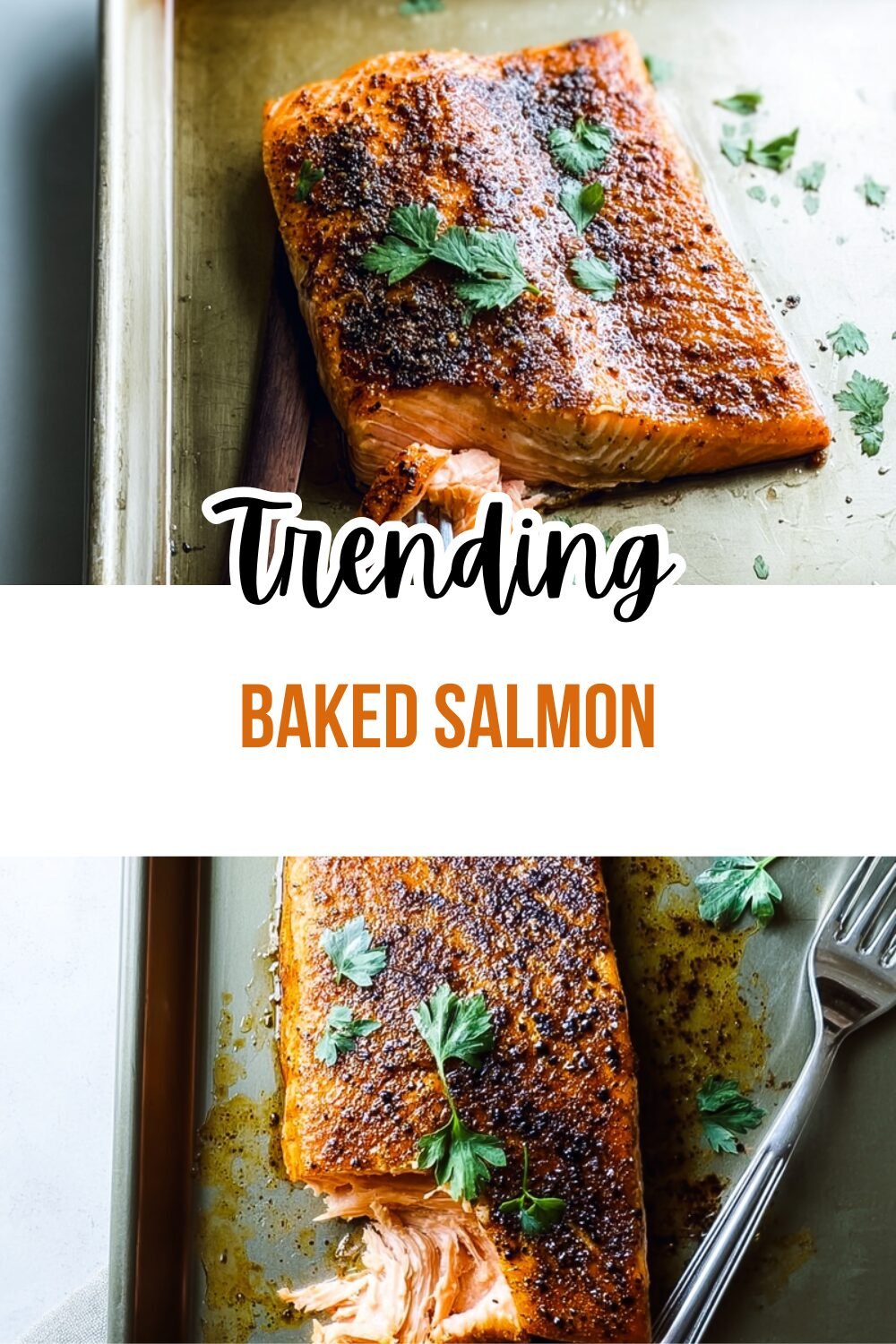
First, preheat the oven to 400°F (about 200°C) and lightly grease a large baking pan to avoid any sticking. Arrange the salmon fillets on the baking sheet and season them with salt and pepper for a solid base of flavor.
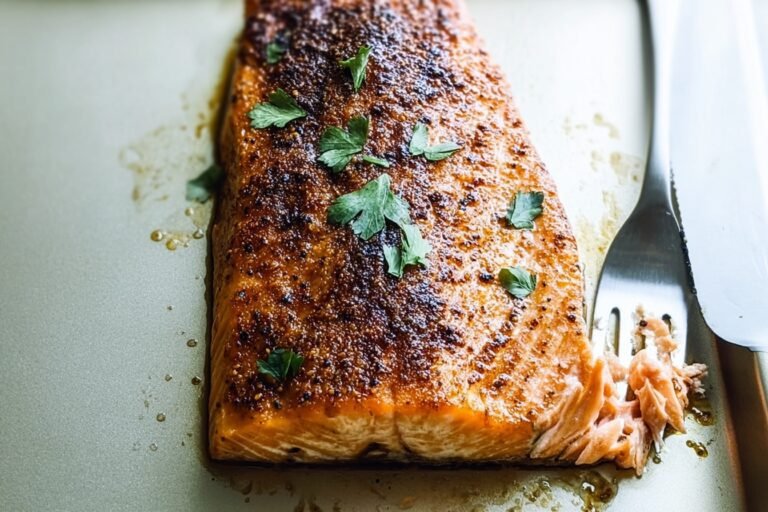
Next, mix together the olive oil, garlic, herbs, and juice from half the lemon, then spoon this mixture over the salmon, rubbing it evenly on all sides. Thinly slice the remaining half of the lemon and place a slice on top of each fillet to add a fresh twist. Pop it in the oven and bake for 12-15 minutes, until the salmon is opaque and flakes easily with a fork.
Optionally, broil for 1-2 minutes to get a slightly crisp top, and garnish with fresh herbs before serving if you want to make it look extra nice. With a prep time of 10 minutes, cook time of 15 minutes, and total time of 25 minutes, it’s perfect for quick dinners. If you’re looking for more recipe ideas, check out our berry trifle for a refreshing dessert to follow up.
- Preheat your oven to 400°F (200°C) and prepare the salmon fillets by patting them dry.
- Lightly oil a baking dish and season the fillets with salt, pepper, and garlic.
- Place lemon slices on top and arrange in the dish.
- Bake for 12-15 minutes until done.
- Let it rest and garnish as desired.
For dietary tweaks, you can swap olive oil with avocado oil or adjust seasonings. This method ensures your salmon turns out moist and tasty every time, making it a reliable choice for weeknights.

Dietary Substitutions to Customize Your Baked Salmon
One of the great things about baked salmon is how easy it is to tweak for different needs, so everyone can enjoy it their way. Whether you’re avoiding certain ingredients or just want to mix things up, a few simple changes can make a big difference. Let’s look at some fun options to personalize your meal.
For protein swaps, you can use marinated tofu or tempeh instead of salmon for a vegan option, or try trout for a different fishy taste. When it comes to veggies and seasonings, swapping lemon for lime adds a new vibe, and fresh herbs like basil can change the flavor profile.
- Protein alternatives: For vegan diets, use marinated tofu or tempeh; for variety, opt for trout or cod.
- Seasoning modifications: Try lime slices instead of lemon, or add chili flakes for a spicy kick.
- Other tweaks: Use gluten-free tamari if you need to avoid gluten in any sauces.
This flexibility means you can keep the recipe exciting and suited to your lifestyle. For example, adding smoked paprika can bring in a smoky note that pairs well with the fish.
Mastering Baked Salmon: Advanced Tips and Variations
Once you’re comfortable with the basics, you can level up your baked salmon with some pro tips that make it even better. Using a digital thermometer helps you hit the perfect internal temperature of 125°F for a juicy result, and broiling at the end adds a nice crunch. Experimenting with flavors keeps things fresh and fun.
For instance, try an Asian twist with miso paste and sesame oil, or go Mediterranean with olives and sun-dried tomatoes. Presentation matters too serve it on quinoa for a hearty base or add microgreens for a pop of color. To save time, marinate overnight or prep your seasonings ahead.
When you master these tips, your baked salmon can become a signature dish that impresses everyone at the table. Remember, small changes can lead to big flavors in your cooking.
One more idea: If you enjoy desserts after your meal, our site has great options like the pumpkin whoopie pies recipe for a sweet finish. For more inspiration on flavors, check out best easy healthy baked salmon recipes.
How to Store Baked Salmon: Best Practices
After enjoying your baked salmon, proper storage keeps it fresh for later, so you can savor the leftovers without worry. Storing it right helps maintain that great taste and texture for your next meal. Let’s cover the key steps to handle it safely.
Keep cooked salmon in an airtight container and eat it within 3 days when refrigerated. For longer storage, wrap it tightly in plastic wrap and foil before freezing, and use it within 2 months. When reheating, warm it gently in the oven at 275°F covered with foil to keep it moist.
- Refrigerate in an airtight container for up to 3 days.
- Freeze tightly wrapped for 2 months maximum.
- Reheat slowly to avoid drying it out.
Meal prep tip: Divide into portions with veggies for easy grab-and-go meals. This makes it simple to enjoy healthy eating all week long.
FAQs: Frequently Asked Questions About Baked Salmon
What are the most common types of salmon used for baking?
The most common types of salmon used for baking include Sockeye, King (Chinook), Coho, Pink, and Chum salmon. Sockeye is known for its deep red color and lower fat content, making it leaner. King salmon is prized for its high-fat content and rich flavor, providing a moist texture. Coho salmon offers a milder taste that works well for various recipes. Pink salmon is often used canned but can be baked, while Chum salmon is mostly valued for its roe but can also be baked in fillets.
How can I tell when baked salmon is fully cooked?
Baked salmon is done when it has turned from translucent red to opaque pink and flakes easily with a fork. Checking the thickest part, the flesh should separate readily but still be moist inside, with slight translucency remaining in the center to avoid overcooking. An internal temperature of 125-140°F (52-60°C) is ideal depending on your texture preference.
What is the ideal oven temperature and baking time for salmon fillets?
Baking salmon at 400°F (204°C) for 12-15 minutes is a common method for fillets about one inch thick. Thicker fillets may require a few additional minutes. For less direct heat and a tender texture, temperatures between 300°F to 375°F (150°C to 190°C) can be used with longer cooking times ranging from 20 to 40 minutes.
How should I store leftover baked salmon to keep it fresh?
Store leftover baked salmon in an airtight container or tightly wrapped in aluminum foil or plastic wrap. Refrigerate it promptly and consume within 3 to 4 days to ensure freshness and food safety. For longer storage, salmon can be frozen for up to 2-3 months, ideally wrapped well to prevent freezer burn.
What is the best way to reheat baked salmon without drying it out?
To reheat baked salmon without drying it out, warm it gently in the oven at 275°F (135°C) covered with foil to retain moisture, or use a stovetop pan over low heat with a splash of water or broth. Avoid microwaving directly as it often leads to uneven heating and dryness. Heating slowly helps preserve texture and flavor.
Baked Salmon
🐟 This Best Easy Healthy Baked Salmon recipe offers a quick and nutritious meal packed with omega-3 fatty acids and fresh herbs.
🍋 It’s perfect for health-conscious cooks seeking an effortless and flavorful dinner option that’s ready in under 30 minutes.
- Total Time: 25 minutes
- Yield: 4 servings
Ingredients
– 4 salmon fillets, about 170 grams (6 ounces) each
– 2 tablespoons olive oil
– ½ teaspoon salt
– ¼ teaspoon cracked black pepper
– 2 teaspoons minced garlic
– 1 teaspoon Italian herb seasoning blend or Herbs de Provence (or ¼ teaspoon each dried thyme, parsley, oregano, and basil)
– 1 medium lemon
Instructions
1-Preheat your oven to 400°F (200°C) and prepare the salmon fillets by patting them dry.
2-Lightly oil a baking dish and season the fillets with salt, pepper, and garlic.
3-Place lemon slices on top and arrange in the dish.
4-Bake for 12-15 minutes until done.
5-Let it rest and garnish as desired.
Last Step:
Please leave a rating and comment letting us know how you liked this recipe! This helps our business to thrive and continue providing free, high-quality recipes for you.Notes
⏱️ Do not overcook the salmon to keep it moist and tender.
🍃 Fresh herbs enhance flavor—use parsley, dill, or basil as garnish.
🥄 Use freshly squeezed lemon juice for the best bright taste and aroma.
- Prep Time: 10 minutes
- Cook Time: 15 minutes
- Category: Main Dish
- Method: Baking
- Cuisine: American
- Diet: Gluten-free, dairy-free, Paleo-friendly
Nutrition
- Serving Size: 1 fillet (about 170 grams)
- Calories: 350
- Sugar: 1 gram
- Sodium: 350 mg
- Fat: 22 grams
- Saturated Fat: 3 grams
- Unsaturated Fat: 16 grams
- Trans Fat: 0 grams
- Carbohydrates: 2 grams
- Fiber: 0 grams
- Protein: 35 grams
- Cholesterol: 75 mg