

Why You’ll Love This Tomato Soup
There’s something truly special about a warm bowl of tomato soup on a chilly day. This creamy tomato soup recipe brings together simple ingredients and straightforward techniques to create a comforting dish that will become a staple in your kitchen. Whether you’re a busy parent looking for quick weeknight meals or a cooking enthusiast wanting to master the basics, this recipe delivers on every front.
The beauty of this homemade tomato soup lies in its perfect balance of flavors. The natural sweetness from sautéed onions pairs beautifully with the bright acidity of crushed tomatoes, while heavy cream adds a luxurious silkiness that makes every spoonful feel indulgent. Fresh basil and parmesan cheese bring that restaurant-quality finish without requiring hours in the kitchen.
Key Benefits of This Recipe
- Ease of preparation: With just 5 minutes of prep time and 25 minutes of cooking, this easy tomato soup comes together in under 30 minutes. The straightforward steps make it perfect for beginner cooks and experienced home chefs alike.
- Health benefits: Each serving packs 7 grams of protein, 4 grams of fiber, and plenty of vitamins A and C. Tomatoes contain lycopene, a powerful antioxidant linked to numerous health benefits.
- Versatility: This recipe adapts easily to different dietary needs. Make it vegetarian with vegetable broth, dairy-free with coconut cream, or leave it chunky if you prefer texture over smoothness.
- Distinctive flavor: The combination of fresh basil, quality parmesan, and properly sautéed aromatics creates layers of flavor that canned soup simply cannot match.
Essential Ingredients for Tomato Soup
Creating the perfect tomato soup recipe starts with quality ingredients. Each component plays a vital role in building the rich, comforting flavor profile that makes this soup memorable. Here’s everything you’ll need to bring this dish to life.
Main Ingredients
- 4 tablespoons unsalted butter Provides the rich base for sautéing onions and garlic; unsalted allows you to control the final seasoning.
- 2 yellow onions, finely chopped (about 3 cups) These form the aromatic foundation; yellow onions become sweet and golden when properly sautéed.
- 3 garlic cloves, minced (1 tablespoon) Adds pungent depth; mince finely so the flavor distributes evenly throughout the soup.
- 56 ounces crushed tomatoes with juice (two 28-ounce cans) The star ingredient; crushed tomatoes provide body and bright tomato flavor with minimal effort.
- 2 cups chicken stock (homemade recommended) Creates savory depth; homemade stock offers the best flavor but store-bought works well too.
- 1/4 cup fresh basil, chopped (plus extra for serving) Brings fresh, aromatic notes; basil and tomatoes are a classic pairing.
- 1 tablespoon sugar (or to taste) Balances the natural acidity of tomatoes; adjust based on your preference.
- 1/2 teaspoon black pepper (or to taste) Adds subtle heat and complexity.
- 1/2 cup heavy whipping cream (or to taste) Creates the signature creamy texture; add more or less depending on desired richness.
- 1/3 cup freshly grated parmesan cheese (plus extra for serving) Contributes umami and a salty finish; always use freshly grated for the best melting properties.
Special Dietary Options
For those with dietary restrictions, this easy creamy tomato soup recipe can be easily adapted:
- Vegan/Dairy-free: Replace butter with olive oil, use vegetable broth instead of chicken stock, and substitute coconut cream for heavy cream. Nutritional yeast can replace parmesan for a cheesy flavor.
- Gluten-free: This recipe is naturally gluten-free. Just verify that your chicken stock and any add-ins are certified gluten-free.
- Low-calorie: Reduce or omit the heavy cream, use less butter, and skip the parmesan. The soup will still be flavorful with significantly fewer calories.
How to Prepare the Perfect Tomato Soup: Step-by-Step Guide
Making this easy homemade tomato soup is straightforward when you follow these detailed steps. The process builds flavor systematically, starting with properly caramelized onions and finishing with creamy richness. Let’s walk through each stage to ensure your soup turns out perfectly every time.
Step One: Prepare Your Equipment and Mise en Place
Before turning on the stove, gather all your ingredients and equipment. You’ll need a non-reactive pot or enameled Dutch oven. Using the right pot matters because tomatoes are acidic and can react with certain metals like aluminum or uncoated copper, creating an unpleasant metallic taste. Stainless steel, enamel-coated cast iron, ceramic, or glass pots work beautifully.
Chop your onions finely and uniformly so they cook evenly. Mince the garlic cloves and have your measured ingredients ready. Having everything prepared before you start cooking makes the process smoother and more enjoyable.
Step Two: Build the Aromatic Base
Heat your pot or Dutch oven over medium heat. Add the 4 tablespoons of unsalted butter and let it melt completely. Once the butter foams slightly, add the chopped onions. Sauté them for 10-12 minutes, stirring occasionally, until they become soft and develop a golden color.
Pro Tip: Don’t rush the onion sautéing process. Taking the full 10-12 minutes allows the onions to caramelize slightly, which adds natural sweetness and depth to your soup without needing extra sugar.
After the onions are perfectly golden, add the minced garlic. Sauté for just 1 minute until fragrant. Garlic burns quickly and becomes bitter, so watch carefully and stir constantly during this brief step.
Step Three: Add Tomatoes and Simmer
Pour in the 56 ounces of crushed tomatoes with their juice, followed by the 2 cups of chicken stock. Add the chopped basil, sugar, and black pepper. Stir everything together until well combined. Bring the mixture to a boil, then reduce the heat to low. Partially cover the pot with a lid to allow some steam to escape, and simmer for 10 minutes.
This simmering time allows the flavors to meld together. The tomatoes mellow slightly, and the basil infuses its aromatic oils throughout the soup. If you’re planning to serve this alongside a perfectly grilled chicken breast, now is a good time to start prepping that side dish.
Step Four: Blend for Creaminess
This step is optional but recommended if you want a smooth, restaurant-style soup. Use an immersion blender directly in the pot, or transfer the soup to a regular blender in batches. Process until completely smooth. If using a regular blender, be careful with hot liquid and work in small batches. Return the blended soup to the pot.
For a chunky soup texture, simply skip this blending step. Some people prefer the rustic quality of partially blended or completely unblended soup. Both versions are delicious.
Step Five: Add Cream and Cheese
Stir in the 1/2 cup of heavy whipping cream and 1/3 cup of freshly grated parmesan cheese. Simmer briefly, just long enough for the cheese to melt and incorporate into the soup. Taste and adjust seasoning with salt and additional pepper if needed.
The cream transforms the soup into a velvety, luxurious dish. The parmesan adds savory depth that ties all the flavors together. This final step is what makes this homemade creamy tomato soup recipe truly special.
Step Six: Serve and Garnish
Ladle the hot soup into warm bowls. Top each serving with extra freshly grated parmesan and torn fresh basil leaves. Serve immediately while hot. This soup pairs wonderfully with flavorful pesto pasta or a classic grilled cheese sandwich for a complete meal.
Preparation Time Summary
| Stage | Duration |
|---|---|
| Prep time | Approximately 5 minutes |
| Cook time | Approximately 25 minutes |
| Total time | Approximately 30 minutes |

Dietary Substitutions to Customize Your Tomato Soup
Protein and Main Component Alternatives
While this creamy tomato soup recipe is satisfying on its own, you can add protein to make it a complete meal. Cooked shredded chicken transforms this into a hearty main course. Simply shred rotisserie chicken or leftover cooked chicken and add it during the final simmering stage. White beans, such as cannellini or navy beans, add protein and fiber while keeping the dish vegetarian.
For seafood lovers, small cooked shrimp or flakes of cooked salmon add elegant protein. Add these proteins at the end, just long enough to heat through. Vegetarian cooks can incorporate cooked lentils or chickpeas for protein and texture.
Vegetable, Sauce, and Seasoning Modifications
Vegetables add nutrition and variety to your soup. Diced carrots or celery can sauté alongside the onions for extra flavor and nutrients. Sliced mushrooms add umami depth. Spinach or kale can be stirred in during the last few minutes of cooking for color and vitamins.
Seasoning variations can dramatically change the character of your soup. A teaspoon of dried oregano or Italian seasoning creates a more Mediterranean profile. Smoked paprika adds subtle smokiness. A pinch of red pepper flakes brings gentle heat. Fresh thyme or rosemary can replace or complement the basil for different aromatic notes.
For those who enjoy a touch of luxury, a tablespoon of tomato paste intensifies the tomato flavor. A splash of balsamic vinegar at the end adds complexity. Some cooks even add a small splash of cream sherry or white wine for sophisticated flavor dimensions.
Mastering Tomato Soup: Advanced Tips and Variations
Taking your easy creamy tomato soup from good to exceptional requires understanding a few professional techniques and creative variations. These tips will help you achieve consistent, restaurant-quality results every time you make this recipe.
Pro Cooking Techniques
Always use a non-reactive pot when cooking with tomatoes. Stainless steel, enamel-coated cast iron, ceramic, or glass pots prevent the metallic taste that occurs when acidic tomatoes contact reactive metals like aluminum or unlined copper. This simple choice makes a significant difference in the final taste.
When balancing acidity, remember that tomatoes vary naturally in their acid levels depending on ripeness and variety. Start with the called-for amount of sugar, then taste and adjust. The cream also helps mellow acidity while adding richness. According to culinary experts at St. Vincent’s, proper seasoning technique involves tasting at multiple stages throughout cooking, not just at the end.
Flavor Variations
Roasted Tomato Soup: Before making the soup, roast halved fresh tomatoes with olive oil at 400°F for 20-25 minutes. Add these to the pot with the crushed tomatoes for deeper, more concentrated flavor. This technique works especially well when tomatoes are in season.
Spicy Tomato Soup: Add diced jalapeño with the onions, or stir in a teaspoon of sriracha or your favorite hot sauce at the end. A dash of cayenne pepper also works well for those who enjoy heat.
Herbed Tomato Soup: Experiment with different fresh herbs. Fresh oregano, thyme, or even a small amount of fresh rosemary can create unique flavor profiles. Add hardy herbs early in cooking and delicate herbs like basil near the end.
Presentation Tips
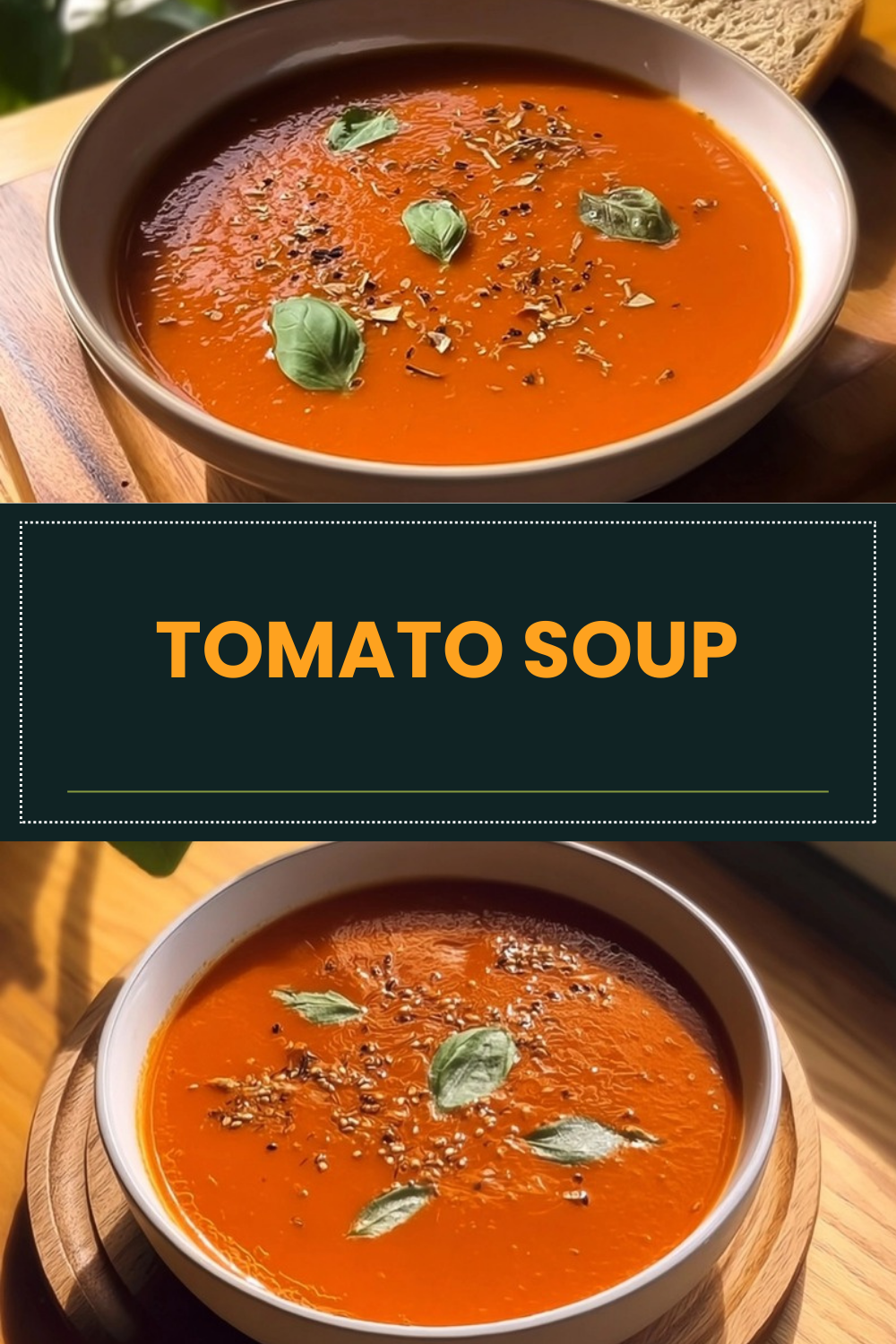
Beautiful presentation turns simple soup into a special meal. Serve in warmed bowls to maintain temperature longer. A swirl of heavy cream or a drizzle of quality olive oil on top creates visual interest. A sprinkle of finely chopped herbs or a few whole basil leaves adds a pop of fresh color.
Croutons or toasted baguette slices add texture contrast. Make homemade croutons by cubing day-old bread, tossing with olive oil and herbs, and toasting until golden. These toppings add crunch and make the soup more substantial.
Make-Ahead Options
This soup reheats beautifully, making it perfect for meal prep. You can make the base soup (through step three, before adding cream and cheese) up to three days ahead. Store it refrigerated, then reheat and add the cream and cheese just before serving. This approach works well for dinner parties or busy weeknight meal prep.
How to Store Tomato Soup: Best Practices
Proper storage ensures your homemade tomato soup maintains its quality and flavor. Whether you’re saving leftovers or meal prepping for the week, following these guidelines keeps your soup fresh and delicious.
Refrigeration Guidelines
Allow the soup to cool to room temperature before refrigerating. Never put hot soup directly into the refrigerator, as it can raise the internal temperature and affect other foods. Transfer to airtight containers and refrigerate within two hours of cooking. Properly stored, tomato soup keeps for 3-4 days in the refrigerator. For best results, store the soup without cream and add it when reheating.
Freezing for Long-Term Storage
Tomato soup freezes exceptionally well, making it perfect for batch cooking. For best results, freeze the soup base before adding cream and cheese. Dairy products can separate when frozen and reheated. If you’ve already added cream, the soup is still safe to freeze, but the texture may change slightly.
Use freezer-safe containers or heavy-duty freezer bags, leaving about an inch of space at the top for expansion. Label with the date and contents. Frozen tomato soup maintains quality for up to 4-6 months. Thaw overnight in the refrigerator before reheating.
Reheating Best Practices
Reheat refrigerated soup in a saucepan over medium-low heat, stirring occasionally. Add a splash of broth or water if it’s too thick. For frozen soup, thaw completely before reheating. Microwave reheating works for single servings. Heat in 1-minute intervals, stirring between each, until hot throughout.
If you froze the soup without cream, now is the time to add it. Stir in heavy cream and parmesan during the last few minutes of reheating, just until heated through. This ensures the smoothest texture.
FAQs: Frequently Asked Questions About Tomato Soup
Can I use canned whole tomatoes for tomato soup?
Yes, canned whole peeled tomatoes work well as a substitute for crushed tomatoes. Drain them slightly, then pulse in a food processor or blender until mostly smooth but with some texture for better mouthfeel. Add them to the pot after sautéing onions and garlic. Taste and adjust seasoning, as canned tomatoes can vary in saltiness—start with less salt and add more later. This method keeps the soup chunky if you prefer, or blend fully smooth at the end. It saves time compared to fresh tomatoes and gives consistent flavor year-round. Always choose no-salt-added varieties to control the taste.
Can I use dried basil instead of fresh in tomato soup?
Absolutely, substitute 1 tablespoon of dried basil for every 1/4 cup of fresh basil called for in the recipe. Add the dried basil early when you stir in the crushed tomatoes so it has time to rehydrate and infuse flavor during simmering—about 20-30 minutes. Dried herbs are more concentrated, so taste before adding more. Reserve fresh basil or parsley for garnish only, as dried won’t look as vibrant. This swap is ideal for pantry staples and works perfectly in hearty soups like tomato. Pro tip: Crush dried basil between your fingers before adding to release oils for maximum aroma.
Can I make tomato soup with fresh tomatoes?
Yes, but it takes more prep than using canned. Select 2-3 pounds of ripe, in-season tomatoes like Roma or plum varieties. Core, blanch in boiling water for 30 seconds, then shock in ice water to peel easily. Chop and cook down with onions until soft, about 15 minutes, before blending. This yields fresh flavor but can be watery, so simmer longer to reduce or add a teaspoon of tomato paste for depth. Canned is simpler for quick weeknight soup, especially off-season when fresh tomatoes lack sweetness. Strain seeds if you want smoother texture.
What stock should I use in tomato soup?
Chicken stock adds rich, savory depth that pairs perfectly with tomatoes’ acidity, making it the top choice for classic flavor. Use low-sodium homemade or store-bought to avoid oversalting. For vegetarian or vegan versions, swap in vegetable broth—look for one with mushrooms or carrots for umami. Simmer 4 cups stock with tomatoes, onions, and garlic for 25 minutes. Beef stock works too for heartier taste but alters the light profile. Always taste midway and adjust; stock choice impacts creaminess, so add heavy cream or coconut milk after blending for balance.
How do I fix tomato soup that’s too acidic or sour?
Balance acidity by adding sweetness and cream. Start with 1-2 teaspoons of white sugar or honey, stirring and tasting after each addition—tomatoes vary in ripeness. Follow with 1/4 to 1/2 cup heavy cream or half-and-half for smoothness, simmering 5 minutes more. Avoid reactive pots like unlined copper or aluminum, which react with acid and impart a metallic tang; stick to stainless steel or enamel. A pinch of baking soda (1/4 teaspoon) neutralizes excess acid instantly but use sparingly to prevent soapy flavor. Blend in a cooked potato for natural thickening and mildness if needed.
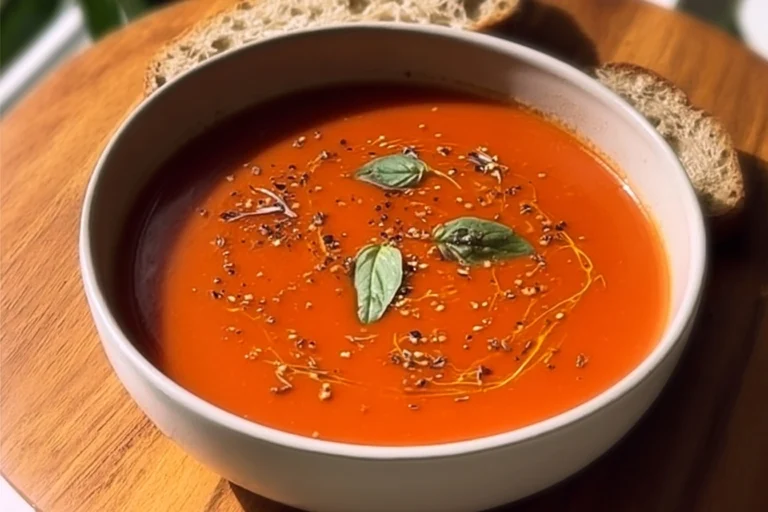
Tomato Soup
🍅 Indulge in velvety creamy tomato soup bursting with fresh flavors and vitamins A & C, a comforting hug in a bowl for cozy evenings!
🥄 Effortlessly homemade in 30 minutes, this easy delight pairs perfectly with grilled cheese for ultimate satisfaction.
- Total Time: 30 minutes
- Yield: 6 servings
Ingredients
– 4 tablespoons unsalted butter for sautéing onions and garlic
– 2 yellow onions, finely chopped (about 3 cups) for aromatic foundation
– 3 garlic cloves, minced (1 tablespoon) for pungent depth
– 56 ounces crushed tomatoes with juice (two 28-ounce cans) for body and bright tomato flavor
– 2 cups chicken stock (homemade recommended) for savory depth
– 1/4 cup fresh basil, chopped (plus extra for serving) for fresh, aromatic notes
– 1 tablespoon sugar (or to taste) to balance the natural acidity of tomatoes
– 1/2 teaspoon black pepper (or to taste) for subtle heat and complexity
– 1/2 cup heavy whipping cream (or to taste) for creamy texture
– 1/3 cup freshly grated parmesan cheese (plus extra for serving) for umami and a salty finish
Instructions
1-Step One: Prepare Your Equipment and Mise en Place Before turning on the stove, gather all your ingredients and equipment. You’ll need a non-reactive pot or enameled Dutch oven. Using the right pot matters because tomatoes are acidic and can react with certain metals like aluminum or uncoated copper, creating an unpleasant metallic taste. Stainless steel, enamel-coated cast iron, ceramic, or glass pots work beautifully. Chop your onions finely and uniformly so they cook evenly. Mince the garlic cloves and have your measured ingredients ready. Having everything prepared before you start cooking makes the process smoother and more enjoyable.
2-Step Two: Build the Aromatic Base Heat your pot or Dutch oven over medium heat. Add the 4 tablespoons of unsalted butter and let it melt completely. Once the butter foams slightly, add the chopped onions. Sauté them for 10-12 minutes, stirring occasionally, until they become soft and develop a golden color. After the onions are perfectly golden, add the minced garlic. Sauté for just 1 minute until fragrant. Garlic burns quickly and becomes bitter, so watch carefully and stir constantly during this brief step.
3-Step Three: Add Tomatoes and Simmer Pour in the 56 ounces of crushed tomatoes with their juice, followed by the 2 cups of chicken stock. Add the chopped basil, sugar, and black pepper. Stir everything together until well combined. Bring the mixture to a boil, then reduce the heat to low. Partially cover the pot with a lid to allow some steam to escape, and simmer for 10 minutes.
4-Step Four: Blend for Creaminess This step is optional but recommended if you want a smooth, restaurant-style soup. Use an immersion blender directly in the pot, or transfer the soup to a regular blender in batches. Process until completely smooth. If using a regular blender, be careful with hot liquid and work in small batches. Return the blended soup to the pot.
5-Step Five: Add Cream and Cheese Stir in the 1/2 cup of heavy whipping cream and 1/3 cup of freshly grated parmesan cheese. Simmer briefly, just long enough for the cheese to melt and incorporate into the soup. Taste and adjust seasoning with salt and additional pepper if needed.
6-Step Six: Serve and Garnish Ladle the hot soup into warm bowls. Top each serving with extra freshly grated parmesan and torn fresh basil leaves. Serve immediately while hot.
Last Step:
Please leave a rating and comment letting us know how you liked this recipe! This helps our business to thrive and continue providing free, high-quality recipes for you.Notes
🍲 Use a non-reactive pot like stainless steel or enameled cast iron to avoid metallic taste from tomatoes.
🥄 Balance acidity by adjusting sugar and cream to your preference for perfect flavor.
🧀 Skip blending for a chunky texture or garnish with croutons for added crunch.
- Prep Time: 5 minutes
- Cook Time: 25 minutes
- Category: Soups
- Method: Stovetop
- Cuisine: American
- Diet: Vegetarian
Nutrition
- Serving Size: 1 cup
- Calories: 222 kcal
- Sugar: 12 g
- Sodium: 422 mg
- Fat: 14 g
- Saturated Fat: 8 g
- Unsaturated Fat: 5 g
- Trans Fat: 0 g
- Carbohydrates: 22 g
- Fiber: 4 g
- Protein: 7 g
- Cholesterol: 40 mg