
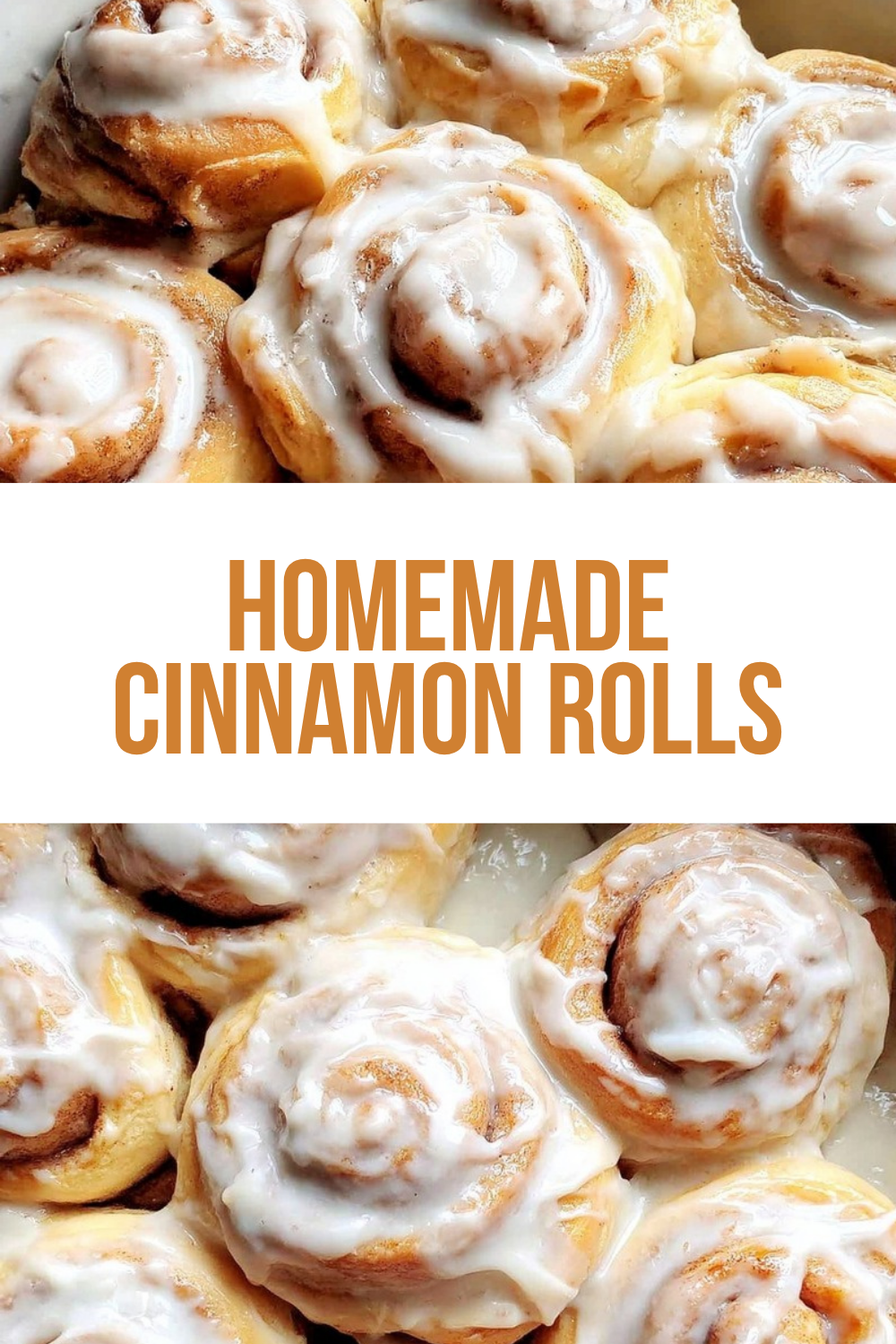
Why You’ll Love This Homemade Cinnamon Rolls
Written by Stella Romano My blog shares my passion for cooking by offering a variety of recipes that are simple and accessible to everyone. My ambition is to inspire readers to explore new flavors, cook with joy, and create memorable moments around the table.
- Ease of preparation: These Homemade Cinnamon Rolls come together with a straightforward dough and simple steps that fit into a busy morning or a cozy weekend baking session. The active prep time is about 30 minutes and much of the clock time is hands-off while the dough rises.
- Health and portion awareness: While these rolls are indulgent, the recipe lists full nutritional information per roll so you can plan portions. You can also adapt ingredients for lower-fat or dairy-free versions listed below.
- Versatility: From swapping extracts to changing the filling, this recipe adapts well to dietary needs and personal taste. Make larger or smaller rolls, overnight versions for mornings on the go, or freeze for future treats.
- Distinctive flavor: A simple combo of brown sugar and cinnamon plus a warm pour of heavy cream before baking gives bakery-style gooey swirls and a caramelized bottom that sets these apart.
These rolls are a crowd-pleaser: soft, slightly chewy, and perfectly gooey when made with warm heavy cream poured over the risen dough.
Essential Ingredients for Homemade Cinnamon Rolls
Below is a clear, structured list of every ingredient used in this Homemade Cinnamon Rolls recipe. Each item includes the exact quantity and a brief note explaining why it matters.
- 1 cup warm milk (115 degrees Fahrenheit) – activates the yeast; keep temperature accurate to bloom without killing yeast
- 2 1/2 teaspoons instant dry yeast – provides lift and airy texture
- 2 large eggs at room temperature – enriches the dough and contributes to structure
- 1/3 cup salted butter (melted or very softened, not over 110 degrees Fahrenheit) – adds richness and tenderness
- 1/2 cup granulated sugar – sweetens the dough and feeds yeast slightly for flavor
- 1 teaspoon salt – balances sweetness and strengthens gluten
- 4 1/2 cups bread flour (divided) – higher protein gives chewier, fluffier rolls; listed as divided to allow adjustments while kneading
- 1/2 cup salted butter (almost melted) – for the filling; spreads easily and caramelizes with sugar
- 1 cup packed brown sugar – gives moist, caramelized filling flavor
- 2 tablespoons cinnamon – main flavor for the filling; use fresh ground for best aroma
- 1/2 cup heavy cream (for pouring over the risen rolls) – warms to room temperature and creates gooey, caramel-like sauce
- 6 ounces cream cheese (softened) – base for the frosting; gives tang and creamy texture
- 1/3 cup salted butter (softened) – combines with cream cheese for smooth frosting
- 2 cups powdered sugar – sweetens and thickens the frosting
- 1/2 tablespoon maple extract or vanilla extract – flavor boost for the frosting
Special Dietary Options
Vegan
- Replace milk with unsweetened plant milk warmed to 110-115°F and use vegan butter in dough and filling. Substitute eggs with 1/2 cup unsweetened applesauce per egg or an egg replacer per package directions. Use dairy-free cream for the pour-over and dairy-free cream cheese for frosting.
Gluten-free
- Swap bread flour for a high-quality 1-to-1 gluten-free flour blend formulated for yeast baking, and add 1 teaspoon xanthan gum if your blend lacks it. Texture will differ but you can still get a soft roll.
Low-calorie
- Use reduced-fat milk or a milk substitute, swap half of the butter in the dough for applesauce and reduce frosting sugar. Skip the heavy cream pour-over or use 2% milk for a lighter result.
How to Prepare the Perfect Homemade Cinnamon Rolls: Step-by-Step Guide
This section walks you through each step using clear headings. Times and temperatures match the recipe so you can follow along confidently.
First Step: Bloom the yeast and combine wet ingredients
Pour 1 cup warm milk (115 degrees Fahrenheit) into the bowl of a stand mixer and sprinkle 2 1/2 teaspoons instant dry yeast over the surface. Let sit for 3 to 4 minutes until frothy. This confirms the yeast is active. Add 2 large room-temperature eggs, 1/3 cup salted butter (melted or very softened but under 110 degrees Fahrenheit), and 1/2 cup granulated sugar. Mix on low until combined.
Second Step: Add dry ingredients and rest
Add 1 teaspoon salt and 4 cups of the bread flour to the mixer bowl and stir until barely combined. The dough will be shaggy. Let the dough rest for 5 minutes; this relaxes gluten and helps the next stage of mixing.
Third Step: Knead the dough
Switch to the dough hook and knead on medium speed for 5 to 7 minutes. Add up to an additional 1/2 cup bread flour only if the dough is excessively sticky. Aim for a dough that is elastic, smooth, and tacky rather than dry. Proper kneading develops gluten so rolls are chewy and hold shape.
Fourth Step: First rise
Spray a large bowl with cooking spray, place the dough inside, cover with a towel or wax paper, and let rise in a warm spot until doubled in size, about 30 minutes. A warm draft-free area around 75 to 85°F is ideal. If your kitchen is cool, an oven with the light on works well.
Fifth Step: Prepare filling and roll out dough
Meanwhile, combine 1/2 cup almost melted salted butter with 1 cup packed brown sugar and 2 tablespoons cinnamon. Turn the dough onto a floured surface, flour the top lightly, and roll the dough into an approximate 24 by 15-inch rectangle. Spread the cinnamon filling evenly over the dough, leaving a 1/2-inch border at the edge to seal the roll.
Sixth Step: Roll and cut
Starting at the long edge, roll the dough up jelly-roll style into a tight log. Use a sharp serrated knife or unflavored dental floss to slice into 12 even pieces for standard rolls. For smaller rolls, cut into 15 slices and use a 10 by 15-inch pan for even rising.
Seventh Step: Second rise and preheat
Place the 12 slices in a greased 9 by 13-inch baking pan, cover, and let rise for 20 minutes while you preheat the oven to 375 degrees Fahrenheit. The rolls should puff slightly during this final rise.
Eighth Step: Warm the cream and pour
Warm 1/2 cup heavy cream to room temperature and pour evenly over the risen rolls right before baking. The warm cream soaks into the dough, creating a gooey, bakery-style center and a caramelized bottom.
Ninth Step: Bake
Bake the rolls at 375 degrees Fahrenheit for 20 to 25 minutes until lightly golden and cooked through. If tops brown too quickly, tent loosely with foil. Test by inserting a skewer into the center roll; it should come out with moist crumbs but not raw dough.
Final Step: Frosting and serving
While the rolls cool slightly, beat together 6 ounces softened cream cheese and 1/3 cup softened salted butter until smooth. Add 1/2 tablespoon maple extract or vanilla extract and 2 cups powdered sugar; mix until combined. Spread the frosting over cooled rolls so it melts into the swirls. Serve warm for best gooey texture.
Timing recap:
- Prep time: 30 minutes
- Rise time: about 50 minutes total
- Bake time: 20-25 minutes
- Total time: approximately 1 hour 42 minutes

Dietary Substitutions to Customize Your Homemade Cinnamon Rolls
This section covers ingredient swaps so you can adapt the recipe for diet needs or ingredient limits.
Protein and Main Component Alternatives
If eggs are a concern, try a plant-based egg replacer or 1/2 cup unsweetened applesauce per egg for structure and moisture. For dairy-free versions, replace milk and heavy cream with full-fat coconut milk or a thicker plant-based creamer; coconut cream replicates richness best. Swap bread flour for all-purpose if you prefer a softer crumb, but note rolls will be less chewy. For gluten-free, use a reliable 1-to-1 gluten-free flour blend and add xanthan gum if not included.
Vegetable, Sauce, and Seasoning Modifications
While cinnamon is the classic spice, you can mix in 1/4 teaspoon ground cardamom or nutmeg for warmth. For added texture, fold in 1/2 cup chopped pecans, walnuts, or raisins into the filling. If you like a citrus note, add a teaspoon of orange zest to the brown sugar mixture. For a lighter bottom sauce, use 1/2 cup warm half-and-half in place of heavy cream.
Mastering Homemade Cinnamon Rolls: Advanced Tips and Variations
These tips help home bakers raise the bar on texture, flavor, and presentation.
Pro cooking techniques
- Temperature matters: warm milk to exactly 115°F to bloom yeast without damage. Keep melted butter under 110°F when adding to eggs. For a reliable thermometer guide, check the King Arthur Flour guide on yeast at King Arthur Flour guide on yeast.
- Knead until the dough is elastic and pulls away from the bowl; under-kneaded dough will be dense, over-kneaded dough will be tight and tough.
- Proof in a slightly warm, humid spot; placing the dough near a warm oven or in a turned-off oven with a bowl of hot water gives consistent results.
Flavor variations
- Maple Pecan: add 1/2 cup chopped pecans to the filling and use maple extract in the frosting for a nutty twist.
- Apple Cinnamon: scatter 1 cup finely chopped apple across the filling and reduce heavy cream to limit excess moisture.
- Chocolate Swirl: add 1/4 cup cocoa powder to the brown sugar filling and mix for a chocolate-cinnamon combo.
Presentation tips
- Serve on a warm platter so frosting stays gooey. Garnish with a light dusting of cinnamon or a few chopped nuts for texture.
- For single servings, place each roll in a paper liner and serve in a box for picnics or gifts.
Make-ahead options
- Overnight method: After slicing and placing rolls in the pan, cover tightly and refrigerate. In the morning let sit for 30 to 60 minutes to take the chill off before baking at 375°F.
- Freezing: Freeze rolls after the second rise on a baking sheet, then transfer to zippered bags. Thaw in the refrigerator overnight and let come to room temperature before baking.
How to Store Homemade Cinnamon Rolls: Best Practices
Storing correctly keeps rolls soft and tasty for days.
Refrigeration
Store cooled, frosted rolls in an airtight container in the refrigerator for up to 3 days. Bring to room temperature or warm gently in the oven or microwave before serving to restore gooeyness.
Freezing
Freeze unfrosted rolls after the second rise on a baking sheet for 1 to 2 hours, then transfer to zippered bags for up to 3 months. Thaw in the refrigerator overnight, let sit at room temperature for 30 minutes, then bake or warm and frost.
Reheating
Reheat single rolls in the microwave for 15 to 25 seconds, or warm in a 325°F oven for 8 to 10 minutes covered loosely with foil. For best texture, add a small splash of milk or cream under the foil to rehydrate.
Meal prep considerations
Make full batches and freeze extras for busy weeks. Use smaller pans when cutting into 15 pieces to create more even rising and portion control.
Nutrition Facts
| Per roll | Amount |
|---|---|
| Calories | 618 |
| Carbohydrates | 85g |
| Protein | 7g |
| Fat | 28g |
| Saturated Fat | 17g |
| Cholesterol | 109mg |
| Sodium | 427mg |
| Potassium | 145mg |
| Fiber | 1g |
| Sugar | 47g |
| Vitamin A | 965 IU |
| Calcium | 89mg |
| Iron | 2.6mg |
FAQs: Frequently Asked Questions About Homemade Cinnamon Rolls
What ingredients go into cinnamon roll filling?
Cinnamon roll filling starts with softened butter, brown sugar, and ground cinnamon. Mix 1/2 cup softened unsalted butter with 1 cup packed brown sugar and 2-3 tablespoons cinnamon until smooth. Spread this evenly over your rolled-out dough rectangle, leaving a 1/2-inch border. For extra texture, fold in 1/2 cup raisins, chopped pecans, or walnuts. This simple combo creates that signature gooey, spicy swirl. Avoid over-spreading to prevent leaks during baking. Pro tip: Use dark brown sugar for deeper molasses flavor. Total prep takes under 5 minutes, and it bakes into a caramelized layer that pairs perfectly with cream cheese icing. (78 words)
Can you make cinnamon rolls without heavy cream?
Yes, cinnamon rolls work fine without heavy cream, though you’ll miss the extra gooey texture and caramelized bottom it creates during baking. Pouring 1/2 cup heavy cream over the rolls before the second rise soaks into the dough for bakery-style softness. Skip it for a lighter version—rolls still rise and bake beautifully. If adapting a no-cream recipe, increase milk in the dough slightly for moisture. Bake at 350°F for 20-25 minutes until golden. Test doneness by checking if the center reaches 190°F internally. Users report great results with this tweak for lower-fat diets. (92 words)
What can I substitute for heavy cream in cinnamon rolls?
Swap heavy cream with half-and-half, evaporated milk, whole milk, 2% milk, coffee creamer, or full-fat coconut cream—higher fat options like half-and-half or coconut cream mimic the richness best. Use the same 1/2 cup amount, poured evenly over rolls in the pan before the second rise. Whole milk works in a pinch but yields a less caramelized bottom. For dairy-free, coconut cream adds tropical notes without overpowering cinnamon. Warm substitutes slightly for better absorption. Bake as usual at 350°F for 22-27 minutes. This keeps rolls soft and prevents dryness. (96 words)
How do you make overnight cinnamon rolls?
Prep dough, roll, fill, cut, and place rolls in the pan up to the second rise. Cover tightly with plastic wrap and refrigerate overnight. In the morning, let them sit at room temperature for 30-60 minutes to lose the chill—dough should nearly double. If not risen enough, proof another 30 minutes. Bake at 350°F for 25-30 minutes until tops are golden and centers hit 190°F. Frost while warm. This method fits busy schedules; fridge slows yeast for better flavor development. Yields pull-apart soft rolls by breakfast. Store leftovers airtight up to 2 days. (98 words)
Why aren’t my homemade cinnamon rolls fluffy and how do I fix it?
Flat cinnamon rolls usually mean inactive yeast or insufficient rise. Test yeast by blooming 2 1/4 teaspoons in 1 cup warm (110°F) milk with 1 tablespoon sugar—should foam in 5-10 minutes. Use bread flour (higher protein) for better structure over all-purpose. Knead dough 8-10 minutes until smooth and elastic. Allow first rise 1-2 hours until doubled, second rise 30-45 minutes. Avoid overproofing, which deflates rolls. Bake immediately at 350°F on middle rack. For fluffier results, add 1/4 cup potato flour to dough. Proof in a warm spot (75-85°F). Retry with fresh yeast for pillowy texture. (102 words)
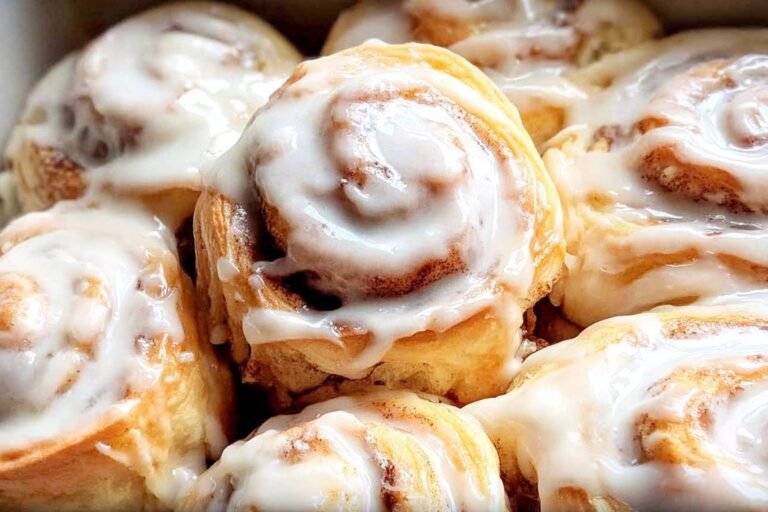
Homemade Cinnamon Rolls
🥞 Soft, fluffy homemade cinnamon rolls with a rich cream cheese frosting that rival any bakery copycat
🍯 Perfect weekend breakfast treat that fills your home with the irresistible aroma of warm cinnamon and butter
- Total Time: 1 hour 42 minutes
- Yield: 12 rolls 1x
Ingredients
1 cup warm milk activates the yeast
2 1/2 teaspoons instant dry yeast provides lift and airy texture
2 large eggs at room temperature enriches the dough and contributes to structure
1/3 cup salted butter adds richness and tenderness
1/2 cup granulated sugar sweetens the dough
1 teaspoon salt balances sweetness and strengthens gluten
4 1/2 cups bread flour gives chewier, fluffier rolls
1/2 cup salted butter for the filling
1 cup packed brown sugar gives moist, caramelized filling flavor
2 tablespoons cinnamon main flavor for the filling
1/2 cup heavy cream creates gooey, caramel-like sauce
6 ounces cream cheese base for the frosting
1/3 cup salted butter combines with cream cheese for smooth frosting
2 cups powdered sugar sweetens and thickens the frosting
1/2 tablespoon maple extract or vanilla extract flavor boost for the frosting
Instructions
1-First Step: Bloom the yeast and combine wet ingredients. Pour 1 cup warm milk (115 degrees Fahrenheit) into the bowl of a stand mixer and sprinkle 2 1/2 teaspoons instant dry yeast over the surface. Let sit for 3 to 4 minutes until frothy. This confirms the yeast is active. Add 2 large room-temperature eggs, 1/3 cup salted butter (melted or very softened but under 110 degrees Fahrenheit), and 1/2 cup granulated sugar. Mix on low until combined.
2-Second Step: Add dry ingredients and rest. Add 1 teaspoon salt and 4 cups of the bread flour to the mixer bowl and stir until barely combined. The dough will be shaggy. Let the dough rest for 5 minutes; this relaxes gluten and helps the next stage of mixing.
3-Third Step: Knead the dough. Switch to the dough hook and knead on medium speed for 5 to 7 minutes. Add up to an additional 1/2 cup bread flour only if the dough is excessively sticky. Aim for a dough that is elastic, smooth, and tacky rather than dry. Proper kneading develops gluten so rolls are chewy and hold shape.
4-Fourth Step: First rise. Spray a large bowl with cooking spray, place the dough inside, cover with a towel or wax paper, and let rise in a warm spot until doubled in size, about 30 minutes. A warm draft-free area around 75 to 85°F is ideal. If your kitchen is cool, an oven with the light on works well.
5-Fifth Step: Prepare filling and roll out dough. Meanwhile, combine 1/2 cup almost melted salted butter with 1 cup packed brown sugar and 2 tablespoons cinnamon. Turn the dough onto a floured surface, flour the top lightly, and roll the dough into an approximate 24 by 15-inch rectangle. Spread the cinnamon filling evenly over the dough, leaving a 1/2-inch border at the edge to seal the roll.
6-Sixth Step: Roll and cut. Starting at the long edge, roll the dough up jelly-roll style into a tight log. Use a sharp serrated knife or unflavored dental floss to slice into 12 even pieces for standard rolls. For smaller rolls, cut into 15 slices and use a 10 by 15-inch pan for even rising.
7-Seventh Step: Second rise and preheat. Place the 12 slices in a greased 9 by 13-inch baking pan, cover, and let rise for 20 minutes while you preheat the oven to 375 degrees Fahrenheit. The rolls should puff slightly during this final rise.
8-Eighth Step: Warm the cream and pour. Warm 1/2 cup heavy cream to room temperature and pour evenly over the risen rolls right before baking. The warm cream soaks into the dough, creating a gooey, bakery-style center and a caramelized bottom.
9-Ninth Step: Bake. Bake the rolls at 375 degrees Fahrenheit for 20 to 25 minutes until lightly golden and cooked through. If tops brown too quickly, tent loosely with foil. Test by inserting a skewer into the center roll; it should come out with moist crumbs but not raw dough.
10-Final Step: Frosting and serving. While the rolls cool slightly, beat together 6 ounces softened cream cheese and 1/3 cup softened salted butter until smooth. Add 1/2 tablespoon maple extract or vanilla extract and 2 cups powdered sugar; mix until combined. Spread the frosting over cooled rolls so it melts into the swirls. Serve warm for best gooey texture.
Last Step:
Please leave a rating and comment letting us know how you liked this recipe! This helps our business to thrive and continue providing free, high-quality recipes for you.Notes
🌡️ Warm milk to 115 degrees Fahrenheit to activate yeast without killing it; keep butter softened but not hotter than 110 degrees Fahrenheit
🥛 Heavy cream poured warm (not hot) on unbaked rolls creates a rich caramel sauce and gooey texture
🌙 For overnight preparation: After cutting and placing rolls in the pan, cover and refrigerate. In the morning, let sit for 30 minutes or until no longer cold before baking
- Prep Time: 30 minutes
- Rise time: 50 minutes
- Cook Time: 25 minutes
- Category: Breakfast
- Method: Baked
- Cuisine: American
- Diet: Vegetarian
Nutrition
- Serving Size: 1 roll
- Calories: 618
- Sugar: 47g
- Sodium: 427mg
- Fat: 28g
- Saturated Fat: 17g
- Unsaturated Fat: 11g
- Trans Fat: 0g
- Carbohydrates: 85g
- Fiber: 1g
- Protein: 7g
- Cholesterol: 109mg