
Why You’ll Love This Carbonara
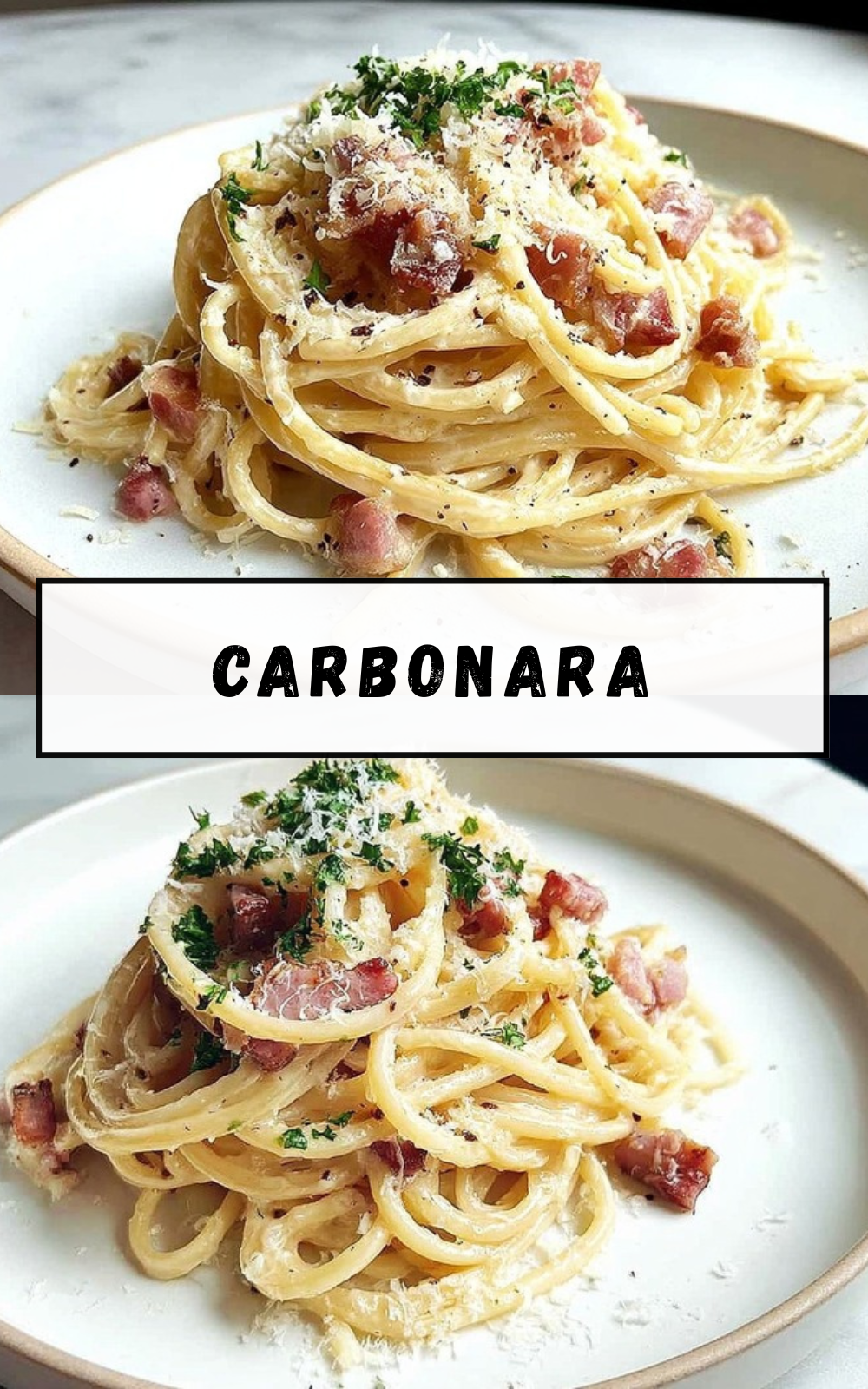
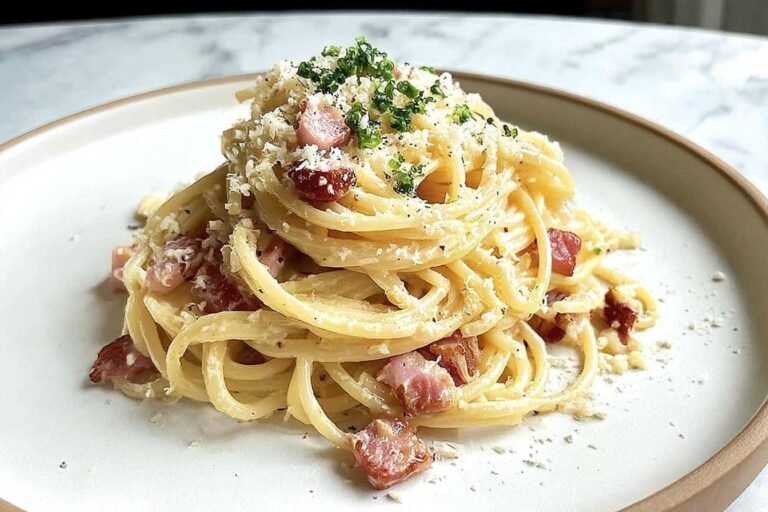
Carbonara is a classic Italian pasta dish that delivers big flavor with very little fuss. This simple carbonara recipe uses raw eggs, cheese, guanciale, and starchy pasta cooking water to create a creamy sauce without any cream. It cooks quickly, uses pantry-friendly ingredients, and produces a rich, satisfying plate of spaghetti carbonara in about 20 minutes.
- Ease of preparation: Carbonara is a fast weeknight winner. With just a few steps and about 20 minutes total time, this pasta carbonara is perfect for busy parents, students, and working professionals who want authentic Italian flavor without a long recipe.
- Health benefits: This simple carbonara recipe is protein-rich thanks to eggs, cheese, and guanciale. There is no heavy cream, so the sauce achieves creaminess through emulsification and starchy pasta water, keeping the dish lighter while still indulgent.
- Versatility: Pasta carbonara adapts easily to ingredient availability or dietary needs. Use pancetta or thick-cut streaky bacon if guanciale is unavailable, or make vegetarian-friendly swaps when needed.
- Distinctive flavor: Authentic carbonara stands out because it relies on rendered guanciale fat, freshly grated parmigiano reggiano (or pecorino romano), cracked black pepper, and egg to form a silky sauce that clings to spaghetti.
For background on how carbonara evolved and why there is no cream in the classic version, see this resource: + $(‘AI Agent’).item.json.output.Anchor1 +.
Essential Ingredients for Carbonara
Below is a structured list of every ingredient with measurements and a short note on its role in the recipe. Each item includes the exact quantity so you can shop and prep without guessing.
- 175g guanciale (or substitute pancetta or thick-cut streaky bacon), cut into batons – Provides the savory, fatty base; renders flavorful fat that coats the pasta and forms part of the sauce.
- 2 whole large eggs – Add body and creaminess when emulsified with pasta water and cheese.
- 2 egg yolks – Increase richness and help the sauce reach a silky texture without cream.
- 100g parmigiano reggiano (or pecorino romano, substitute with parmesan if needed), finely grated – Adds salty, nutty flavor and helps thicken the sauce when mixed with eggs and pasta water.
- 1/4 teaspoon freshly ground black pepper – Essential seasoning; freshly cracked pepper gives carbonara its peppery bite.
- 400g spaghetti – Classic pasta choice for spaghetti carbonara; the long strands work well with the silky sauce.
- 1 tablespoon kosher or cooking salt (for pasta water) – Salts the pasta water so the spaghetti absorbs seasoning; no additional salt is needed once cheese is added.
- 1/2 cup reserved pasta cooking water – Starchy water emulsifies with eggs, cheese, and fat to make the creamy sauce.
- 1 garlic clove minced (optional) – Adds a mild aromatic note if you like garlic; add in the last minute when cooking guanciale if using.
- Garnish: finely chopped parsley and extra parmigiano reggiano (optional) – For freshness and extra cheesy finish when serving.
Special Dietary Options
- Vegan: Use smoked tofu or seasoned king oyster mushroom strips to mimic guanciale texture; replace eggs and cheese with a cashew cream thickened with a little nutritional yeast and cornstarch. Note: this is no longer a traditional carbonara but keeps the spirit of the flavors.
- Gluten-free: Swap spaghetti for a reliable gluten-free pasta (rice or corn blend). Cook to al dente and reserve cooking water just the same to emulsion the sauce.
- Low-calorie: Reduce guanciale amount and use one whole egg plus two yolks replaced by one yolk and extra white to keep creaminess with fewer calories; choose a lower-fat hard cheese sparingly.
How to Prepare the Perfect Carbonara: Step-by-Step Guide
This detailed, step-by-step guide follows the traditional technique: no cream, raw eggs transformed into a glossy sauce by starchy pasta water and rendered guanciale fat. Each step includes timing, technique, and adaptation tips.
First Step: Mise en place
Start by prepping everything so the finish is smooth and quick. Cut the guanciale into 0.5 cm thick slices, then into batons so pieces render and crisp evenly. Measure and finely grate 100g parmigiano reggiano or pecorino romano. Crack the eggs into a large mixing bowl: add 2 whole large eggs and 2 egg yolks, then whisk them with the grated cheese and 1/4 teaspoon freshly ground black pepper until homogeneous. Keep a wooden spoon nearby for vigorous stirring later.
Second Step: Cook the pasta
Bring 4 quarts (4 liters) of water to a rolling boil. Add 1 tablespoon kosher or cooking salt. Cook 400g spaghetti according to package instructions until al dente; timing will usually be 8-10 minutes depending on brand. Before draining, reserve 1 cup of pasta cooking water (starchy liquid is essential). Then drain the pasta but do not rinse it.
Third Step: Render the guanciale
While the pasta cooks, place a non-stick pan over medium-high heat. Add the 175g guanciale batons; do not add extra oil. Cook for 4-5 minutes until golden and the fat has rendered. If using garlic, add 1 minced garlic clove in the last minute so it softens without burning. The rendered fat is what will coat the pasta and contribute to the sauce richness.
Fourth Step: Coat the pasta in fat
When the guanciale is golden, toss the hot drained spaghetti in the pan with the guanciale for 30 seconds to 1 minute so each strand picks up the rendered fat. This step warms the pasta and integrates flavor before emulsifying with the egg mixture.
Fifth Step: Emulsify to make the sauce
Quickly transfer the hot pasta and guanciale fat into the large bowl with the egg, egg yolks, cheese, and pepper. Add 1/2 cup reserved pasta cooking water right away. This is where timing and temperature matter: the pasta must be hot but not over direct heat, or the eggs will scramble. Stir vigorously with the handle of a wooden spoon for 30 seconds to 1 minute. The motion, combined with starchy water, will thicken the mixture into a creamy sauce that clings to the pasta. If the sauce looks too thick or starts to seize, add a splash more reserved pasta water until it reaches a glossy, silky consistency.
Final Step: Plate and serve
Serve immediately in warm bowls to keep the sauce creamy and the pasta at the right texture. Garnish with extra finely grated parmigiano reggiano, another crack of black pepper, and a sprinkle of finely chopped parsley if you like. Enjoy while hot.
Timing and temperature reminders
- Prep time: about 5 minutes.
- Cook time: about 15 minutes.
- Total time: approximately 20 minutes.
- Guanciale cook time: 4-5 minutes over medium-high heat.
- Vigorous stirring time to form sauce: 30 seconds to 1 minute.
Pro tip: Work quickly and use residual heat to cook the eggs gently into a creamy emulsion. If the sauce begins to look curdled, add a little more hot pasta water and keep stirring.

Dietary Substitutions to Customize Your Carbonara
Protein and Main Component Alternatives
If guanciale is hard to find, the good news is you still get a delicious pasta carbonara with reasonable substitutes. Here are practical swaps and how they change the dish.
- Pancetta: Closest in flavor and texture to guanciale; choose slab pancetta and cut into batons to match the recipe’s rendering behavior.
- Thick-cut streaky bacon: Widely available; use unsmoked or minimally smoked if possible to avoid a strong smoky taste that changes the character of classic carbonara.
- Vegetarian: Use thick slices of smoked oyster or king oyster mushrooms seared in oil to get a meaty mouthfeel; add a touch of soy or tamari for umami, and reduce added salt when mixing cheese.
- Vegan: Replace eggs and cheese with a cashew-based sauce or silken tofu blended with nutritional yeast; use smoked tofu or mushrooms for the savory element.
Vegetable, Sauce, and Seasoning Modifications
Carbonara is traditionally minimal, but you can introduce seasonal or dietary-friendly changes while keeping the spirit of the dish:
- Vegetables: Peas or blanched asparagus tips can be added at the end for color and texture. Add sparingly so the texture stays close to authentic carbonara.
- Herbs and aromatics: Parsley as a garnish brightens the plate; avoid heavy herbs like basil that compete with the cheese and pepper profile.
- Cheese swaps: Pecorino romano gives a sharper salty tang compared to parmigiano reggiano; feel free to mix 50/50 to get a balanced flavor.
- Salt and pepper: Since the cheese is salty, taste before adding extra salt. Freshly ground black pepper is non-negotiable for authentic flavor.
Mastering Carbonara: Advanced Tips and Variations
Once you have the basic technique down, try these tips and variations to make your pasta carbonara even better or to fit meal planning needs.
Pro cooking techniques
- Use block cheese and grate it yourself. Pre-grated cheese contains anti-caking agents that prevent it from melting smoothly into the egg mixture.
- Keep a bowl of reserved pasta water very close by. Gradual addition helps you rescue a sauce that’s tightening or starting to curdle.
- Warm your serving bowls in the oven for a few minutes; that keeps the carbonara glossy longer on the table.
- When stirring, use the handle of a wooden spoon to whisk and toss; the motion helps create a stable emulsion without applying direct heat.
Flavor variations
- Add a pinch of red pepper flakes for a gentle heat.
- Try a 50/50 blend of parmigiano reggiano and pecorino romano for a more complex cheese profile.
- Finish with lemon zest sparingly for a bright lift that contrasts the richness.
Presentation tips
- Twirl portions onto warmed plates using tongs for a restaurant-style nest.
- Top with a crisp chunk of guanciale and a final shaving of cheese for contrast.
Make-ahead options
Carbonara is best served immediately, but you can prepare components ahead:
- Cook and refrigerate guanciale pieces; reheat in a pan to render fat before adding freshly cooked pasta.
- Pre-grate cheese and keep eggs refrigerated until ready to mix.
- For busy nights, cook pasta a minute short of al dente, cool under a little oil, and finish in boiling water for 30 seconds before mixing with eggs to freshen its texture.
How to Store Carbonara: Best Practices
Because carbonara uses eggs and a fragile emulsion, storage and reheating need care to keep texture and safety in mind.
Refrigeration
Store leftover carbonara in an airtight container in the refrigerator for up to 2 days. Cool quickly and chill within two hours of serving.
Freezing
Freezing is not recommended because the egg-based sauce changes texture when thawed. If you must freeze, separate the pasta from guanciale and freeze only the pasta; expect a difference in texture when reheated.
Reheating
Reheat gently on the stove over low heat with a splash of hot water or stock to help re-emulsify. Avoid microwave high heat, which can scramble the eggs. Stir constantly and add small amounts of reserved water to bring back silkiness.
Meal prep considerations
- Make guanciale and cheese preps ahead, but cook pasta and finish with eggs at service time for the best results.
- Keep extra reserved pasta water in the fridge to use when reheating to rescue texture.
FAQs: Frequently Asked Questions About Carbonara
What are the traditional ingredients in carbonara sauce?
Authentic carbonara sauce relies on just a few simple ingredients: guanciale (cured pork cheek), Pecorino Romano or Parmigiano Reggiano cheese, eggs (yolks and whole eggs), black pepper, and starchy pasta water. No cream, garlic, or onions are used. Start by chopping 150g guanciale into batons and rendering its fat in a pan over medium heat until crisp. Grate 100g cheese finely. Beat 3 egg yolks and 1 whole egg with the cheese and plenty of cracked black pepper. Cook 400g spaghetti in salted water until al dente, reserving 200ml pasta water. Toss hot pasta with guanciale, then off heat, add egg mixture and pasta water to form a silky sauce. This creates the signature creamy texture from emulsification. Serves 4. (92 words)
Does traditional carbonara have cream?
No, traditional carbonara does not include cream—it’s a common myth from Americanized versions. The creaminess comes from eggs, cheese, guanciale fat, and pasta water emulsifying together. Adding cream dilutes the flavor and makes it heavy. For authenticity, skip it entirely. If you’re avoiding eggs, try a cooked version: temper eggs with hot pasta water first. Test it side-by-side: cream versions feel greasy, while true carbonara is light yet rich. Pro tip: Use room-temperature eggs to blend smoothly. This keeps the dish true to Roman roots since the 1940s post-WWII era. (98 words)
What can I substitute for guanciale in carbonara?
Guanciale is ideal for its high fat content and porky flavor, but substitute with pancetta (cured pork belly) or thick-cut streaky bacon if unavailable. Avoid smoked bacon to prevent overpowering the dish. Buy in slab form, cut into 1cm batons—about 150g for 4 servings. Render fat slowly over low-medium heat to crisp edges without burning. Pancetta is closest in texture; bacon adds slight smokiness. For vegetarian options, use smoked mushrooms or smoked tofu, but adjust salt. Always taste before adding cheese, as substitutes vary in saltiness. This maintains the sauce’s silky emulsification. (102 words)
Is it safe to eat raw eggs in carbonara?
In countries with strict food safety like the US, UK, or EU, pasteurized or fresh eggs from reputable sources carry low salmonella risk—less than 1 in 20,000 eggs affected per CDC data. Still, pregnant people, elderly, or those with weak immune systems should opt for pasteurized eggs or a cooked method: heat pasta water to 160°F (71°C), temper eggs gradually while stirring. Cook guanciale fully first. Store-bought egg mixes work too. Actionable tip: Buy eggs with “safe handling” labels and keep refrigerated. Millions enjoy carbonara weekly without issue—focus on quality sources for peace of mind. (104 words)
How do you prevent eggs from scrambling when making carbonara?
Key is using residual heat off the stove. Boil spaghetti al dente, drain reserving 200ml starchy water. Mix beaten eggs (3 yolks + 1 whole), grated cheese (100g), and pepper in a bowl. Add hot pasta and guanciale to the bowl, toss vigorously for 1-2 minutes while drizzling pasta water gradually—this tempers eggs to 140-160°F, cooking them gently into a custard-like sauce. Work fast in a warm bowl or pan. If scrambling starts, add more pasta water. Avoid direct flame. Practice once: results in glossy, not lumpy, sauce every time. Serves 4 perfectly. (108 words)
Carbonara
🍝 Experience the authentic taste of Italy with this traditional carbonara that creates a creamy sauce without any cream
🥓 Master the art of classic Italian cooking with guanciale, eggs, and cheese coming together in perfect harmony
- Total Time: 20 minutes
- Yield: 4 servings
Ingredients
– 175g guanciale (or substitute pancetta or thick-cut streaky bacon) for savory fatty base
– 2 whole large eggs for body and creaminess
– 2 egg yolks for richness and silky texture
– 100g parmigiano reggiano (or pecorino romano, substitute with parmesan if needed) for salty nutty flavor and sauce thickening
– 1/4 teaspoon freshly ground black pepper for seasoning and peppery bite
– 400g spaghetti for classic pasta base
– 1 tablespoon kosher or cooking salt for seasoning pasta water
– 1/2 cup reserved pasta cooking water for making creamy sauce
– 1 garlic clove minced for mild aromatic note (optional)
– finely chopped parsley and extra parmigiano reggiano for garnish (optional)
Instructions
1-First Step: Mise en place Start by prepping everything so the finish is smooth and quick. Cut the guanciale into 0.5 cm thick slices, then into batons so pieces render and crisp evenly. Measure and finely grate 100g parmigiano reggiano or pecorino romano. Crack the eggs into a large mixing bowl: add 2 whole large eggs and 2 egg yolks, then whisk them with the grated cheese and 1/4 teaspoon freshly ground black pepper until homogeneous. Keep a wooden spoon nearby for vigorous stirring later.
2-Second Step: Cook the pasta Bring 4 quarts (4 liters) of water to a rolling boil. Add 1 tablespoon kosher or cooking salt. Cook 400g spaghetti according to package instructions until al dente; timing will usually be 8-10 minutes depending on brand. Before draining, reserve 1 cup of pasta cooking water (starchy liquid is essential). Then drain the pasta but do not rinse it.
3-Third Step: Render the guanciale While the pasta cooks, place a non-stick pan over medium-high heat. Add the 175g guanciale batons; do not add extra oil. Cook for 4-5 minutes until golden and the fat has rendered. If using garlic, add 1 minced garlic clove in the last minute so it softens without burning. The rendered fat is what will coat the pasta and contribute to the sauce richness.
4-Fourth Step: Coat the pasta in fat When the guanciale is golden, toss the hot drained spaghetti in the pan with the guanciale for 30 seconds to 1 minute so each strand picks up the rendered fat. This step warms the pasta and integrates flavor before emulsifying with the egg mixture.
5-Fifth Step: Emulsify to make the sauce Quickly transfer the hot pasta and guanciale fat into the large bowl with the egg, egg yolks, cheese, and pepper. Add 1/2 cup reserved pasta cooking water right away. This is where timing and temperature matter: the pasta must be hot but not over direct heat, or the eggs will scramble. Stir vigorously with the handle of a wooden spoon for 30 seconds to 1 minute. The motion, combined with starchy water, will thicken the mixture into a creamy sauce that clings to the pasta. If the sauce looks too thick or starts to seize, add a splash more reserved pasta water until it reaches a glossy, silky consistency.
6-Final Step: Plate and serve Serve immediately in warm bowls to keep the sauce creamy and the pasta at the right texture. Garnish with extra finely grated parmigiano reggiano, another crack of black pepper, and a sprinkle of finely chopped parsley if you like. Enjoy while hot.
Last Step:
Please leave a rating and comment letting us know how you liked this recipe! This helps our business to thrive and continue providing free, high-quality recipes for you.Notes
🥓 Use block guanciale to cut batons; thick pre-sliced versions can work but result in smaller pieces
🧀 Finely grate cheese yourself rather than using pre-grated to ensure proper melting
🍝 Stir vigorously with the handle of a wooden spoon when mixing pasta with egg mixture to prevent scrambling and to form the sauce
- Prep Time: 5 minutes
- Cook Time: 15 minutes
- Category: Main Course
- Method: Stovetop
- Cuisine: Italian
Nutrition
- Serving Size: 1 serving
- Calories: 650
- Sugar: 3g
- Sodium: 850mg
- Fat: 35g
- Saturated Fat: 15g
- Unsaturated Fat: 18g
- Trans Fat: 0g
- Carbohydrates: 55g
- Fiber: 3g
- Protein: 30g
- Cholesterol: 280mg