

Why You’ll Love This Italian Spaghetti Sauce
By Stella Romano
My blog shares my passion for cooking by offering a variety of recipes that are simple and accessible to everyone. My ambition is to inspire readers to try new flavors, cook with joy, and create memorable moments around the table.
This Italian Spaghetti Sauce brings a familiar, old world flavor to your kitchen with a simple set of pantry staples and an easy slow-simmer method. It is built for busy home cooks who want big taste with honest ingredients.
- Ease of preparation: This Italian Spaghetti Sauce uses straightforward steps and pantry-friendly ingredients. Most active work is sautéing onions and garlic, then occasional stirring while the sauce simmers for about 3 hours and 25 minutes total. The recipe is approachable for beginners and fits into busy schedules where you can let it simmer while handling other tasks.
- Health benefits: Tomatoes are rich in vitamin C and lycopene, and this spaghetti sauce keeps additives to a minimum. Using extra virgin olive oil provides heart-healthy monounsaturated fats. You control salt and sugar, making it easy to adapt the sauce for lower-sodium or reduced-sugar diets.
- Versatility: This classic Italian Spaghetti Sauce works as a pasta sauce, a base for lasagna, a simmer sauce for meatballs or sausage, or a topping for roasted vegetables. It adapts well to vegetarian and meat-based variations, so it suits students, newlyweds, seniors, and anyone looking for flexible meal options.
- Distinctive flavor: The blend of tomato paste, tomato sauce, crushed tomatoes, garlic, Italian seasoning, fresh parsley, and Parmesan cheese gives a layered, savory profile that tastes like a long-simmered sauce from a family kitchen. The optional red wine adds depth and balance for an authentic old world touch.
Quick note: for a medical or nutrition perspective on garlic and health, check this external resource: + $(‘AI Agent’).item.json.output.Anchor2 +.
Essential Ingredients for Italian Spaghetti Sauce
Below is a clear, structured list of every ingredient used in this Italian Spaghetti Sauce, with exact measurements and a short note on purpose or benefit for each item. Follow this list for the best result.
- 2 cans (6 ounces each) tomato paste – adds concentrated tomato flavor and helps thicken the sauce.
- 1 can (28 ounces) tomato sauce – provides a smooth tomato base and helps balance texture.
- 2 cans (28 ounces each) crushed tomatoes – gives body, texture, and that bright tomato taste associated with classic spaghetti sauce.
- 4 cloves crushed garlic – brings aromatic pungency and savory depth.
- 1/2 cup chopped onion – adds sweetness and a flavorful foundation when sautéed.
- 3 1/2 tablespoons olive oil – used to sauté aromatics and add richness with healthy fats.
- 2 1/2 tablespoons sugar – balances tomato acidity; adjustable to taste or omitted by traditionalists.
- 1 teaspoon salt – seasons and draws out flavors; adjust for dietary needs.
- 1 teaspoon black pepper – gives a mild warming spice and rounds flavor.
- 1 tablespoon Italian seasoning – a ready blend of herbs for classic Italian flavor.
- 1 teaspoon dried basil – adds sweet, herbal notes common in tomato sauces.
- 1/2 teaspoon dried oregano – brings a slightly bitter, aromatic counterpoint to the tomatoes.
- 1/2 teaspoon crushed red pepper flakes – optional; adds a gentle heat for balance.
- 1/4 cup chopped fresh parsley – stirred in for fresh herb brightness and color.
- 1/2 cup grated Parmesan cheese – adds savory umami and a subtle creaminess to the finished sauce.
- 2 1/2 cups water – prevents scorching during long simmer and helps the sauce reduce to the right consistency.
Special Dietary Options
- Vegan: Omit the Parmesan cheese or replace with a vegan grated Parmesan alternative. The rest of the recipe is plant-based when no meat is added.
- Gluten-free: This recipe is naturally gluten-free. Confirm any store-bought tomato products are labeled gluten-free if cross-contamination is a concern.
- Low-calorie: Reduce olive oil to 2 tablespoons and skip the sugar. Use low-sodium tomato sauce and reduce added salt to taste.
How to Prepare the Perfect Italian Spaghetti Sauce: Step-by-Step Guide
Follow these steps to make a flavorful old world Italian Spaghetti Sauce. Timings are included so you can plan kitchen tasks while the sauce simmers.
First Step: Mise en place and aromatics prep. Gather all ingredients and measure them out. Chop 1/2 cup of onion and crush 4 garlic cloves. Grate 1/2 cup Parmesan if not pre-grated. Having everything ready keeps the cooking flow smooth and helps prevent overcooking aromatics.
Second Step: Heat olive oil and sauté aromatics. In a large stockpot over low to medium heat, add 3 1/2 tablespoons olive oil. When oil shimmers, add the 1/2 cup chopped onion and sauté for about 4 minutes, stirring frequently so they soften without browning. Add 4 cloves crushed garlic and cook for 2 more minutes until fragrant. This step forms the flavor base for the Italian Spaghetti Sauce.
Third Step: Add liquids and tomato bases. Pour in 2 1/2 cups water, the 2 cans (6 ounces each) tomato paste, 1 can (28 ounces) tomato sauce, and the 2 cans (28 ounces each) crushed tomatoes. Stir well to combine all ingredients and to dissolve the paste into the water and sauces. Bringing everything to an even mix prevents pockets of paste that can scorch during long simmering.
Fourth Step: Season and bring to a gentle simmer. Add 2 1/2 tablespoons sugar, 1 teaspoon salt, 1 teaspoon black pepper, 1 tablespoon Italian seasoning, 1 teaspoon dried basil, 1/2 teaspoon dried oregano, 1/2 teaspoon crushed red pepper flakes, 1/4 cup chopped fresh parsley, and 1/2 cup grated Parmesan cheese. Stir well to distribute herbs and cheese. Cover the pot and cook over low heat for about 2 1/2 hours, stirring occasionally to prevent sticking. Keep the heat low so the sauce develops slowly without burning.
Fifth Step: Add red wine and finish cooking. After the covered simmer, add your choice of red wine: about 1 cup is standard for the full recipe. If you prefer not to use wine, substitutions are listed later. Add the wine to the pot and continue cooking uncovered for an additional 30 minutes. Cooking uncovered lets alcohol evaporate and the sauce reduce slightly, concentrating flavors. Note: the recipe’s total cooking time is approximately 3 hours and 25 minutes, including active prep and simmering.
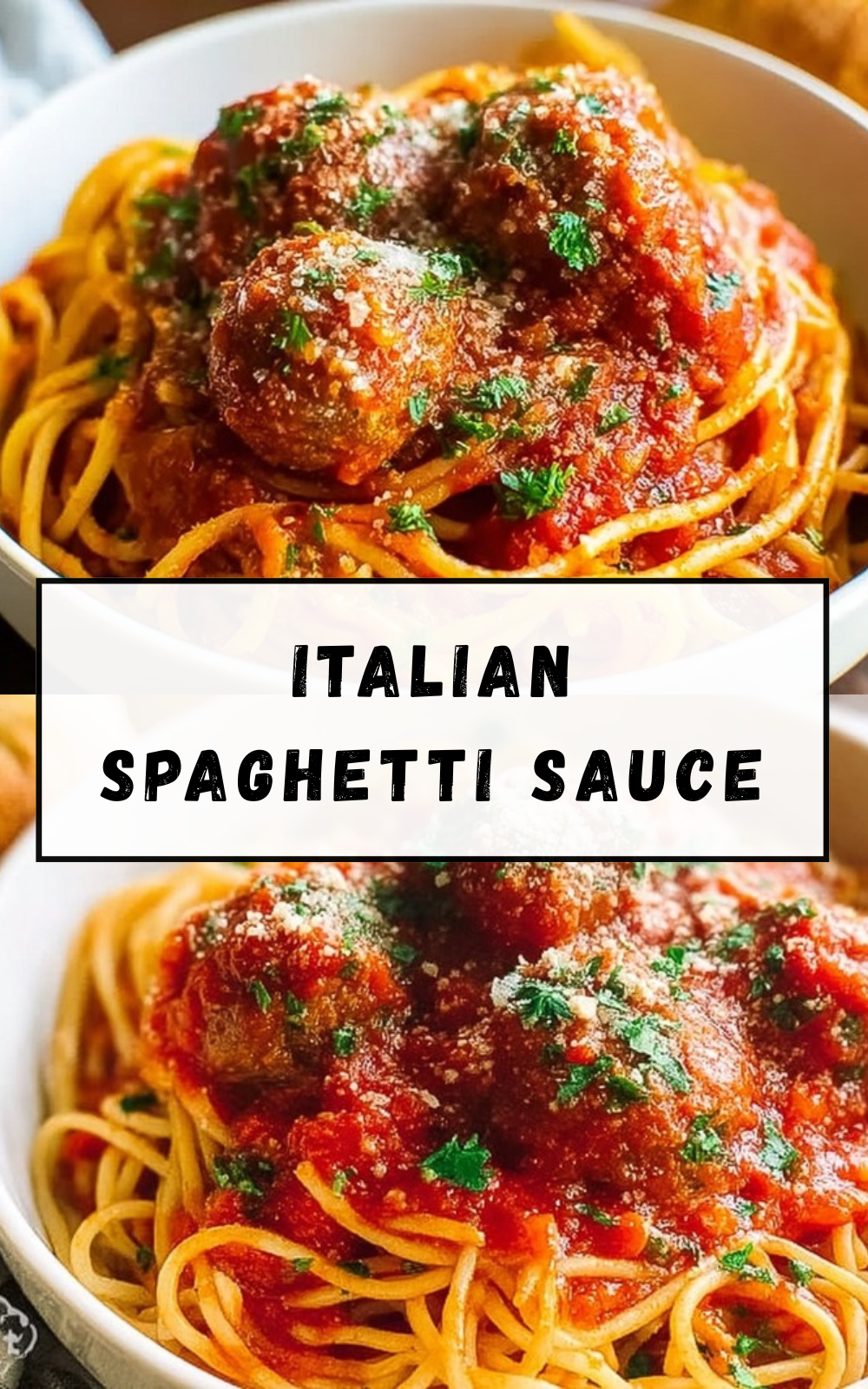
Final Step: Taste, adjust, and serve. Taste the sauce and adjust salt, pepper, or sugar to your preference. If the sauce seems thin on the first day, do not worry: it will thicken after resting overnight. For serving, toss hot cooked pasta directly into the pot or ladle sauce over drained pasta. Garnish with extra Parmesan and a sprinkle of fresh parsley.
Notes on meat: If you brown Italian sausage, meatballs, or ground beef first, stir often while simmering to prevent sticking and to keep sauce from separating. Meat can change the sauce thickness slightly; more fat or juices from meat may make it thinner, while a longer uncovered reduction will thicken it again.
Timing and Temperature Tips
- Cook aromatics over low to medium heat to avoid burning garlic.
- Keep the simmer low; you want gentle bubbles, not a rapid boil.
- Covered for most of the simmer helps infuse flavors; uncover for the last 30 minutes with wine for reduction.
Pro tip: Sauce often tastes even better the next day because flavors meld and the texture firms up after refrigerating.

Dietary Substitutions to Customize Your Italian Spaghetti Sauce
Protein and Main Component Alternatives
Here are easy substitutions when you want to add protein or change the main component of the sauce.
- Italian sausage: Brown 1.5 to 2 pounds of Italian sausage (mild or hot) in the pot first, drain excess fat if needed, then proceed with the recipe. Stir frequently while simmering to avoid sticking.
- Meatballs: Brown or bake meatballs separately and add them to the sauce to finish cooking for the last 30 to 60 minutes. This prevents meatballs from falling apart inside the sauce.
- Ground beef or turkey: Use 2 to 3 pounds for a full-batch; brown first for best texture. Ground turkey keeps calories lower but may need a splash of olive oil for richness.
- Plant-based proteins: Crumbled tempeh or textured vegetable protein can replace meat; brown with seasonings before adding the sauce.
Vegetable, Sauce, and Seasoning Modifications
Adjust vegetables and seasonings to match seasonal produce, dietary needs, or personal taste.
- Richer vegetable base: Add finely chopped carrots and celery with the onion for a traditional soffritto that sweetens and deepens the sauce.
- Lower-sodium option: Use low-sodium tomato sauce and reduce the added salt. Taste before serving and add salt at the end if needed.
- No sugar: Omit the 2 1/2 tablespoons sugar if you prefer a purist approach; some cooks avoid sugar entirely and rely on long simmering to round acidity.
- Bay leaves and stock swap: Replace part of the 2 1/2 cups water with chicken or vegetable stock, or add 1 to 2 bay leaves for aromatic depth. Remove bay leaves before serving.
- Wine substitutes: Use 1 cup beef or vegetable broth plus 1 tablespoon balsamic or red wine vinegar, or diluted grape juice, for an alcohol-free option.
Mastering Italian Spaghetti Sauce: Advanced Tips and Variations
Pro cooking techniques
Small technique changes lead to big improvements in texture and taste.
- Slow-simmer on the lowest heat you can maintain; a long, gentle cook builds depth without concentrating bitter flavors.
- Use a heavy-bottomed stockpot to prevent hotspots and reduce the chance of scorching during the long simmer.
- Add grated cheese mid-way to create a velvety mouthfeel; the Parmesan in this recipe both seasons and adds umami.
- Skim excess fat if using fattier meats to keep the sauce from becoming greasy.
Flavor variations
Try these variations to change the final profile while keeping the base technique.
- Spicy arrabbiata: Increase crushed red pepper flakes to 1 teaspoon or add a sliced hot pepper when sautéing.
- Herb-forward: Add fresh basil near the end instead of dried for a bright, garden-fresh note.
- Meaty ragu: Brown a mix of pork and beef, then simmer longer uncovered to concentrate.
- Chunky farmhouse: Stir in diced roasted peppers or mushrooms for extra texture.
Presentation tips
How you serve the sauce matters for weeknight meals and special dinners.
- Toss sauce with pasta in the pot to coat evenly, then plate with a twist of fresh parsley and a grating of Parmesan.
- Serve a small bowl of extra virgin olive oil and crushed red pepper at the table for guests to finish their plates.
- For family-style service, ladle sauce into a warmed serving bowl with a sprinkle of parsley for color.
Make-ahead options
Make the sauce a day ahead for best texture and taste. It thickens and flavors meld over 24 hours. Portion into containers for quick weeknight dinners or freeze for up to 3 months.
For party menus, pair with a simple dessert like party fruit pizza or a sweeter finish such as salted carmelitas. These internal links point to easy desserts that complement a classic pasta meal.
How to Store Italian Spaghetti Sauce: Best Practices
Follow these storage tips to keep your Italian Spaghetti Sauce tasting fresh and safe.
Refrigeration
Cool sauce to near room temperature within two hours of cooking, then transfer to airtight containers. Store in the refrigerator for 4 to 5 days. Reheat gently on the stovetop with a splash of water if needed to bring back a silky texture.
Freezing
Portion sauce into freezer-safe containers or quart bags. Lay flat to freeze for compact storage. Freeze up to 3 months for best quality. Thaw overnight in the refrigerator or use the microwave defrost setting for quicker use.
Reheating
Reheat on low heat, stirring to prevent scorching. If sauce has thickened too much, add small amounts of water, stock, or pasta cooking water to reach desired consistency. Never reheat repeatedly; only reheat once for best safety and quality.
Meal prep considerations
Label containers with the date. Portion into 2-cup servings for easy weeknight meals. If you plan to freeze a meat-filled sauce, cool meat separately if possible to reduce fat pooling and extend texture quality.
FAQs: Frequently Asked Questions About Italian Spaghetti Sauce
What kind of red wine should I use in Italian spaghetti sauce?
For authentic Italian spaghetti sauce, choose a dry red wine like Chianti, Sangiovese, or Cabernet Sauvignon. These add depth and acidity without overpowering the tomatoes. Avoid sweet wines like Merlot, as they can make the sauce taste fruity. Use about 1 cup per batch for 12-14 servings. If simmering, the alcohol cooks off, leaving rich flavor. Pour it in after browning the meat and onions, then reduce slightly before adding tomatoes. This step balances the sauce’s sweetness. Taste as you go and adjust; start with less if unsure. Pro tip: Room-temperature wine integrates better than cold from the fridge. This simple swap elevates homemade sauce over store-bought every time. (92 words)
Can I substitute red wine in spaghetti sauce recipe?
Yes, skip red wine in Italian spaghetti sauce with these easy substitutes: For alcohol-free, use 1 cup beef or vegetable broth mixed with 1 tablespoon balsamic vinegar or red wine vinegar for tang. Grape juice diluted with water (3:1 ratio) works too, or just extra tomato paste for umami. If avoiding alcohol entirely, pomegranate juice adds subtle acidity. Add after sautéing aromatics, then simmer 10 minutes to meld flavors. Test a small batch first—vinegar mimics wine’s brightness best. No wine won’t ruin the sauce; it still simmers to thick perfection. Many traditional recipes omit it anyway. Store leftovers in the fridge up to 5 days. (98 words)
How do I halve a spaghetti sauce recipe that serves 12-14 people?
To halve your Italian spaghetti sauce for 6-7 servings, cut all ingredients in half: 2 lbs ground beef (instead of 4), 2 cans (28 oz each) crushed tomatoes (not 4), 1/2 cup red wine, etc. Use a 6-quart pot instead of 12-quart. Brown meat in batches if needed to avoid overcrowding. Simmer 1-2 hours on low, stirring every 20 minutes. It yields about 8-10 cups, perfect for two family meals. Freeze half in portions for later—thaws in fridge overnight. Track time: Full batch takes 3 hours; halved is 1.5-2 hours. Adjust salt at end. This scales easily for weeknights. (102 words)
Why does spaghetti sauce recipe call for adding water?
Adding 2-4 cups water to Italian spaghetti sauce prevents scorching during the long simmer and helps create a smooth base that thickens naturally as it reduces. It dilutes thick tomato puree initially, allowing flavors to infuse evenly without burning. After 2-3 hours uncovered, evaporation concentrates it to the right consistency—no watery sauce. Skip if using crushed tomatoes already; they have enough liquid. Stir in after wine reduces, and monitor: If too thick midway, add 1/2 cup more. Pros swear by this for restaurant-style texture. Compare to no-water methods: Yours might separate. Always taste before serving. (96 words)
How long does homemade Italian spaghetti sauce last in the fridge or freezer?
Homemade Italian spaghetti sauce lasts 4-5 days in the fridge in an airtight container—reheat gently on stovetop with a splash of water. For longer storage, freeze in quart bags or containers up to 3 months; it thaws in fridge overnight or microwave defrost. Portion into 2-cup servings for easy pasta nights. Label with dates to track freshness. Freezing preserves flavor better than canning for home cooks. Tip: Cool fully before freezing to avoid ice crystals. Stats show 70% of home cooks freeze extras, reducing waste. Link to our pasta pairing guide for full meals. Always check for off smells before reheating. (98 words)
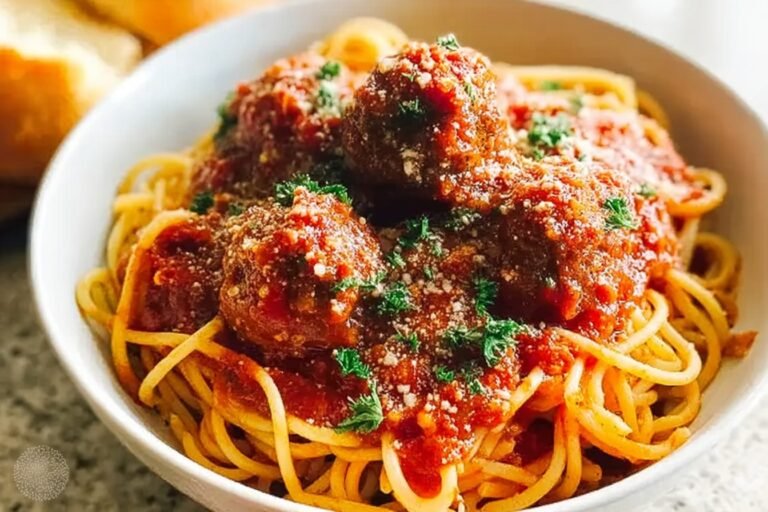
Italian Spaghetti Sauce
🍝 Rich, authentic Italian flavor that brings family together around the dinner table
🌿 Simmered for hours to develop deep, complex flavors just like Nonna used to make
- Total Time: 3 hours 40 minutes
- Yield: 12–14 servings 1x
Ingredients
2 cans (6 ounces each) tomato paste adds concentrated tomato flavor and helps thicken the sauce
1 can (28 ounces) tomato sauce provides a smooth tomato base and helps balance texture
2 cans (28 ounces each) crushed tomatoes gives body, texture, and that bright tomato taste associated with classic spaghetti sauce
4 cloves crushed garlic brings aromatic pungency and savory depth
1/2 cup chopped onion adds sweetness and a flavorful foundation when sautéed
3 1/2 tablespoons olive oil used to sauté aromatics and add richness with healthy fats
2 1/2 tablespoons sugar balances tomato acidity; adjustable to taste or omitted by traditionalists
1 teaspoon salt seasons and draws out flavors; adjust for dietary needs
1 teaspoon black pepper gives a mild warming spice and rounds flavor
1 tablespoon Italian seasoning a ready blend of herbs for classic Italian flavor
1 teaspoon dried basil adds sweet, herbal notes common in tomato sauces
1/2 teaspoon dried oregano brings a slightly bitter, aromatic counterpoint to the tomatoes
1/2 teaspoon crushed red pepper flakes optional; adds a gentle heat for balance
1/4 cup chopped fresh parsley stirred in for fresh herb brightness and color
1/2 cup grated Parmesan cheese adds savory umami and a subtle creaminess to the finished sauce
2 1/2 cups water prevents scorching during long simmer and helps the sauce reduce to the right consistency
Instructions
1-First Step: Mise en place and aromatics prep. Gather all ingredients and measure them out. Chop 1/2 cup of onion and crush 4 garlic cloves. Grate 1/2 cup Parmesan if not pre-grated. Having everything ready keeps the cooking flow smooth and helps prevent overcooking aromatics.
2-Second Step: Heat olive oil and sauté aromatics. In a large stockpot over low to medium heat, add 3 1/2 tablespoons olive oil. When oil shimmers, add the 1/2 cup chopped onion and sauté for about 4 minutes, stirring frequently so they soften without browning. Add 4 cloves crushed garlic and cook for 2 more minutes until fragrant. This step forms the flavor base for the Italian Spaghetti Sauce.
3-Third Step: Add liquids and tomato bases. Pour in 2 1/2 cups water, the 2 cans (6 ounces each) tomato paste, 1 can (28 ounces) tomato sauce, and the 2 cans (28 ounces each) crushed tomatoes. Stir well to combine all ingredients and to dissolve the paste into the water and sauces. Bringing everything to an even mix prevents pockets of paste that can scorch during long simmering.
4-Fourth Step: Season and bring to a gentle simmer. Add 2 1/2 tablespoons sugar, 1 teaspoon salt, 1 teaspoon black pepper, 1 tablespoon Italian seasoning, 1 teaspoon dried basil, 1/2 teaspoon dried oregano, 1/2 teaspoon crushed red pepper flakes, 1/4 cup chopped fresh parsley, and 1/2 cup grated Parmesan cheese. Stir well to distribute herbs and cheese. Cover the pot and cook over low heat for about 2 1/2 hours, stirring occasionally to prevent sticking. Keep the heat low so the sauce develops slowly without burning.
5-Fifth Step: Add red wine and finish cooking. After the covered simmer, add your choice of red wine: about 1 cup is standard for the full recipe. If you prefer not to use wine, substitutions are listed later. Add the wine to the pot and continue cooking uncovered for an additional 30 minutes. Cooking uncovered lets alcohol evaporate and the sauce reduce slightly, concentrating flavors. Note: the recipe’s total cooking time is approximately 3 hours and 25 minutes, including active prep and simmering.
6-Final Step: Taste, adjust, and serve. Taste the sauce and adjust salt, pepper, or sugar to your preference. If the sauce seems thin on the first day, do not worry: it will thicken after resting overnight. For serving, toss hot cooked pasta directly into the pot or ladle sauce over drained pasta. Garnish with extra Parmesan and a sprinkle of fresh parsley.
Last Step:
Please leave a rating and comment letting us know how you liked this recipe! This helps our business to thrive and continue providing free, high-quality recipes for you.Notes
🍷 Let the sauce rest overnight for even better flavor development
🔥 Simmer on low heat to prevent scorching and allow flavors to meld properly
🧂 Adjust seasoning at the end of cooking as flavors concentrate during simmering
- Prep Time: 15 minutes
- Cook Time: 3 hours 25 minutes
- Category: Main Course
- Method: Simmering
- Cuisine: Italian
- Diet: Vegetarian
Nutrition
- Serving Size: 1 cup
- Calories: 95
- Sugar: 8
- Sodium: 420
- Fat: 5
- Saturated Fat: 1.5
- Unsaturated Fat: 3.5
- Trans Fat: 0
- Carbohydrates: 12
- Fiber: 3
- Protein: 2
- Cholesterol: 5