

Why You’ll Love This Kutia
Kutia stands out as a cherished traditional dish, offering simplicity and depth that appeals to home cooks and busy parents alike. This recipe emphasizes ease of preparation, requiring just a few basic ingredients and straightforward steps that fit into any schedule. Beyond its simplicity, Kutia delivers notable health benefits through nutrient-rich elements like grains, nuts, and natural sweeteners, supporting digestive health and providing a balanced energy boost for diet-conscious individuals and students.
Its versatility extends to various lifestyles, making it adaptable for vegan, gluten-free, or low-calorie needs, which is ideal for travelers and working professionals exploring new flavors. The distinctive flavor profile combines honey’s sweetness with the nutty essence of poppy seeds and dried fruits, creating a unique taste that resonates with food enthusiasts and baking aficionados. In Eastern European traditions, Kutia not only nourishes the body but also symbolizes cultural heritage, often featured in holiday celebrations to foster family unity and remembrance.
As a nutrient-dense option, Kutia is rich in carbohydrates from grains and natural sugars from honey and raisins, while nuts add healthy fats and protein, enhancing its role in fasting periods. This makes it particularly appealing for seniors and newlyweds seeking wholesome, memorable meals. The preparation time typically spans a few hours, including soaking and cooking, with hands-on effort around 1 to 2 hours, allowing for easy integration into festive gatherings. Overall, this Kutia recipe promises a delightful blend of tradition, health, and adaptability that will inspire anyone to create lasting culinary moments.
Essential Ingredients for Kutia
When assembling the ingredients for this Kutia recipe, focus on quality items that enhance its authentic flavors and textures. Based on traditional practices, the following list outlines the key components needed, drawing from common Eastern European recipes. Remember, while specific measurements are provided here for clarity, variations exist across households to suit dietary preferences.
Main Ingredients
- 1 cup wheat berries – Serves as the base grain, offering rich fiber and a hearty texture.
- 1/2 cup poppy seeds – Contributes a nutty flavor and essential fats, ground finely for optimal integration.
- 1/3 cup honey – Acts as a natural sweetener and binding agent, highlighting the dish’s sweet gravy.
- 1/2 cup chopped walnuts – Adds crunch and beneficial omega-3 fats, with hazelnuts or almonds as alternatives.
- 1/2 cup raisins – Provides natural sweetness and chewiness, enhancing the overall pudding-like consistency.
Special Dietary Options
- For vegan adaptations: Substitute honey with agave syrup or maple syrup to maintain sweetness without animal products.
- For gluten-free versions: Replace wheat berries with quinoa or buckwheat to preserve the grain’s nutritional profile.
- For low-calorie adjustments: Reduce the quantities of nuts and honey, or opt for lighter sweeteners to control calorie intake.
Note that while these measurements are based on standard recipes, the original summary did not specify quantities, so adjustments can be made for personal taste or cultural variations. This comprehensive list ensures every item is accounted for, making it straightforward for readers to gather exactly what is needed.
How to Prepare the Perfect Kutia: Step-by-Step Guide
Preparing Kutia involves a series of simple yet precise steps that result in a delicious, symbolic dish ready for holiday celebrations. Begin by ensuring all ingredients are fresh and measured accurately to achieve the best texture and flavor. This process highlights the grain’s tender quality and the sweet integration of flavors, making it accessible for home cooks of all skill levels.
- First, rinse 1 cup of wheat berries thoroughly, then soak them overnight to soften and reduce cooking time.
- Second, drain the wheat berries and boil them in water for about 1 to 1.5 hours until they are tender but still intact; adjust the time based on the grain type for optimal consistency.
- Third, while the wheat berries boil, soak 1/2 cup of poppy seeds in warm water for 30 minutes to enhance their flavor and ease grinding.
- Fourth, drain the poppy seeds and grind them finely using a food processor or mortar and pestle to release their nutty essence.
- Fifth, in a large mixing bowl, combine the boiled grains with the ground poppy seeds, 1/2 cup chopped walnuts, and 1/2 cup raisins for a balanced mix.
- Sixth, stir in 1/3 cup of honey or an alternative sweetener to bind the ingredients and add the signature sweetness.
- Seventh, mix everything thoroughly to ensure even distribution of flavors, then refrigerate for at least one hour to allow the tastes to meld together.
- Final step: Serve the Kutia chilled or at room temperature, garnished with extra nuts or dried fruits as desired, while considering any allergen adjustments.
This method aligns with traditional directions, where boiling the grains and mixing with sweet elements creates a thick, pudding-like consistency ideal for ceremonial meals. The overall preparation reinforces Kutia’s role as a ritual food, taking a few hours including soaking, which adds to its cultural depth.

Dietary Substitutions to Customize Your Kutia
Customizing Kutia allows for flexibility to meet various dietary needs, ensuring everyone can enjoy this traditional dish. Protein and main component alternatives provide options for those with specific restrictions, maintaining the recipe’s essence. For instance, swapping wheat berries for quinoa or buckwheat addresses gluten-free diets without sacrificing texture.
- Swap wheat berries for quinoa or buckwheat to accommodate gluten-free diets and add a nutty flavor.
- Use chia seeds or hemp seeds as additional protein sources for vegan adaptations, boosting nutritional value.
- Incorporate citrus zest or cinnamon for seasonal flavor modifications, enhancing the dish’s aromatic profile.
- Substitute honey with maple syrup or agave for plant-based versions, keeping the sweetness intact.
- Adjust nut types, such as using almonds or pecans, based on availability or preference for varied crunch.
These changes not only personalize Kutia but also align with its vegan roots, avoiding milk or egg products as per fasting traditions. Such modifications make it suitable for busy parents, diet-conscious individuals, and food enthusiasts exploring new variations.
Mastering Kutia: Advanced Tips and Variations
To elevate your Kutia preparation, consider advanced techniques that enhance both flavor and presentation, drawing from time-honored practices in Eastern European cuisines. Pro cooking methods, such as lightly toasting poppy seeds before grinding, deepen their aromatic profile and improve texture, as suggested in traditional tips. Flavor variations can include adding vanilla extract, orange blossom water, or cardamom to introduce complexity and align with regional customs, making it more versatile for baking enthusiasts.
Presentation and Make-Ahead Strategies
For an appealing display, serve Kutia in individual glass bowls topped with edible flowers or candied nuts, especially during holiday celebrations. Make-ahead options prove beneficial, allowing the mixture to be prepared a day in advance and refrigerated to improve flavor integration, which saves time for working professionals and families. Here is a quick comparison of common variations in a table for easy reference:
| Variation Type | Ingredient Change | Benefit |
|---|---|---|
| Grain Base | Rice or millet instead of wheat berries | Offers a lighter texture for dietary preferences |
| Sweetener | Agave or maple syrup | Ensures vegan compatibility and varied taste |
| Add-ins | Dried fruits or spices like cinnamon | Enhances flavor and nutritional content |
In some traditions, a custom involves throwing a spoonful of Kutia to predict agricultural prosperity, adding a fun element. For related ideas, check out our guide to similar porridge recipes that complement this dish.
How to Store Kutia: Best Practices
Proper storage of Kutia maintains its freshness and texture, ensuring it remains enjoyable for subsequent servings. Refrigerate the dish in an airtight container for up to 3 days, which helps preserve the pudding-like consistency and prevents spoilage. Freezing is not ideal as it can degrade the texture of the grains and poppy seeds, so use it only if necessary for up to 1 month in sealed containers.
- Reheating is optional; serve chilled or at room temperature to retain original flavors and consistency.
- For meal prep, divide into small sealed containers for convenient, grab-and-go portions that suit busy schedules.
- Consider the dish’s vegan nature, storing it away from potential contaminants to uphold fasting traditions.
This approach aligns with tips for refrigerating leftovers, allowing flavors to blend further and supporting its use in cultural rituals.
FAQs: Frequently Asked Questions About Kutia
What is Kutia and where does this traditional dish come from?
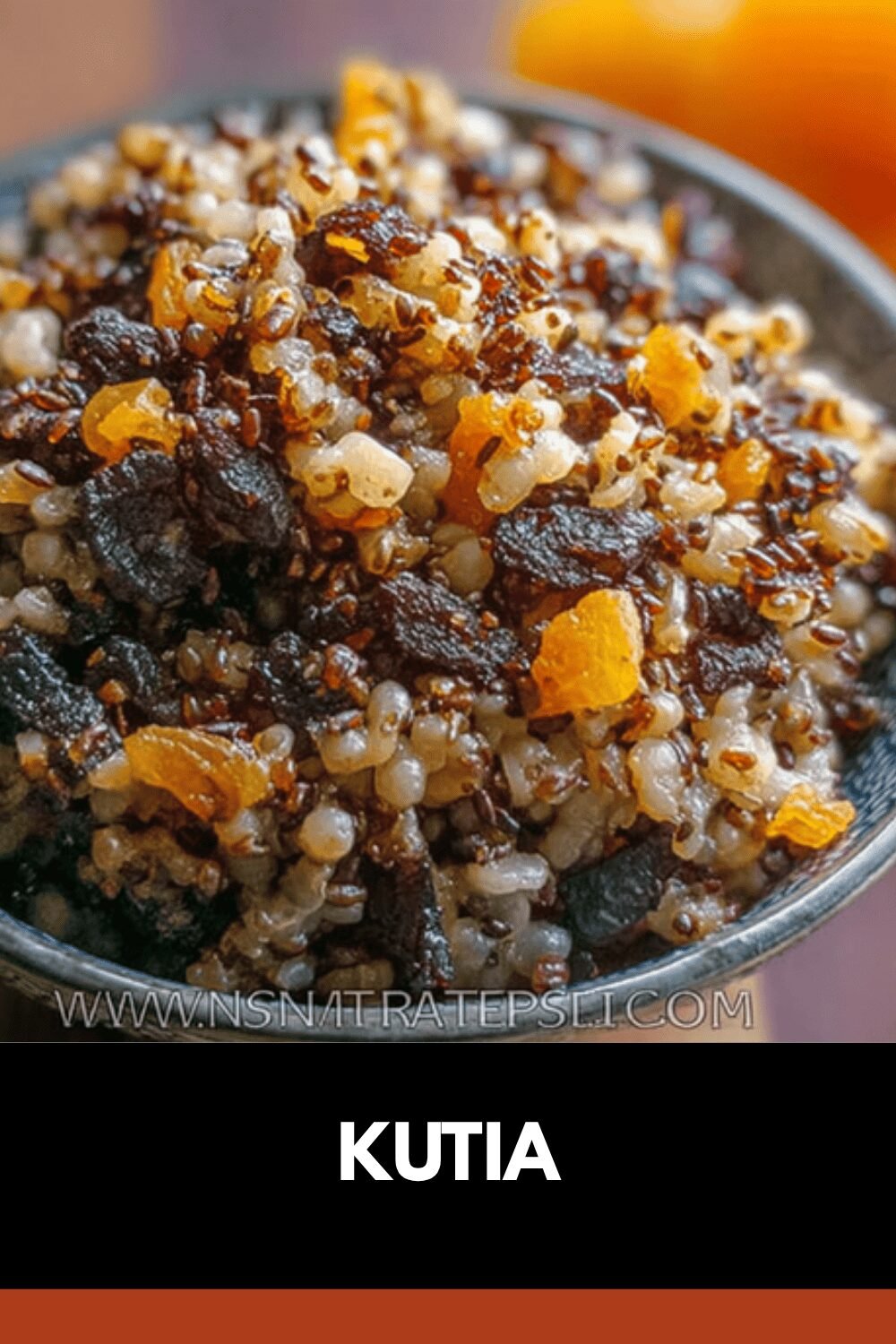
Kutia is a sweet grain pudding traditionally served in Eastern European countries like Ukraine, Russia, and Poland, especially during Christmas Eve or religious holidays. It is made primarily from boiled wheat berries mixed with honey, poppy seeds, and often nuts or dried fruits. The dish symbolizes remembrance, prosperity, and unity in these cultures. Kutia’s roots trace back to ancient Slavic rituals where it was used as a ceremonial food to honor ancestors.
How do you make Kutia at home step-by-step?
To make Kutia, start by rinsing 1 cup of wheat berries, then soak them overnight. Boil the soaked wheat berries until tender, about 1 to 1.5 hours, and drain any excess water. Next, mix the cooked wheat with 1/2 cup of ground poppy seeds (soaked in warm water to soften), 1/3 cup of honey for sweetness, and a handful of chopped nuts like walnuts or almonds. Add dried fruits such as raisins or chopped dates for extra flavor. Stir everything together until well combined and chill before serving.
Can Kutia be made gluten-free or with alternative grains?
Traditional Kutia relies on wheat berries, which contain gluten, so it is not gluten-free. However, you can create a gluten-free version by substituting wheat berries with cooked quinoa or buckwheat groats. Both provide a similar texture and nutty flavor while keeping the dish suitable for those with gluten sensitivities. Ensure that any other ingredients like dried fruits or nuts are certified gluten-free for safety.
What is the cultural significance of Kutia in holiday celebrations?
Kutia holds deep cultural and spiritual meaning in Eastern Slavic holiday traditions, particularly during Christmas Eve (Sviat Vechir). It represents a blessing for a good harvest, family unity, and remembrance of deceased loved ones. Often, it is the first dish served at the Christmas supper, symbolizing the start of the holiday and inviting prosperity for the coming year. Sharing Kutia is seen as a way to connect family members across generations.
How long can Kutia be stored, and what is the best way to keep it fresh?
Kutia can be stored in the refrigerator for up to 3 to 5 days when kept in an airtight container. Because it contains honey and cooked grains, refrigeration helps maintain freshness and prevents spoilage. Before serving leftovers, stir the mixture well and allow it to come to room temperature or serve chilled. Avoid freezing Kutia as it can alter the texture of the grains and poppy seeds.
Kutia
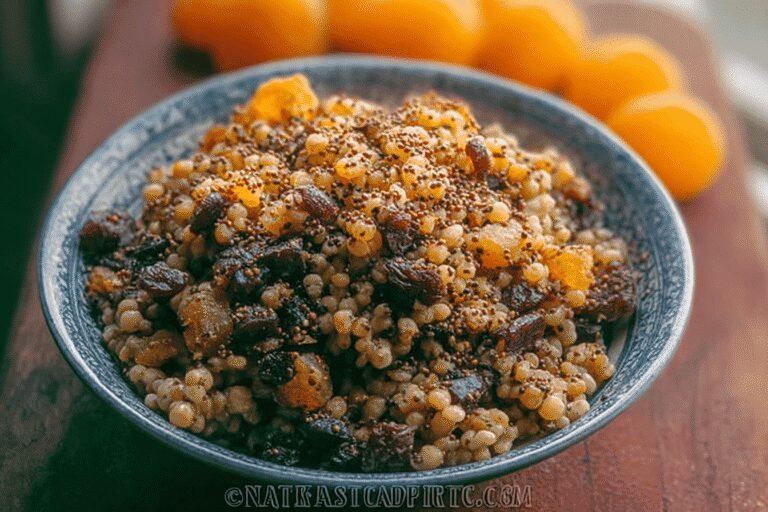
🌾 This Kutia Recipe offers a meaningful traditional sweet wheat porridge that connects you with rich Eastern European holiday customs.
🍯 It combines wholesome grains, nuts, and natural sweetness to create a nutrient-dense dish ideal for festive celebrations and fasting periods.
- Total Time: 3-5 hours
- Yield: About 6 servings (varies by quantity used)
Ingredients
– 1 cup wheat berries serves as the base grain, offering rich fiber and a hearty texture
– 1/2 cup poppy seeds contributes a nutty flavor and essential fats, ground finely for optimal integration
– 1/3 cup honey acts as a natural sweetener and binding agent, highlighting the dish’s sweet gravy
– 1/2 cup chopped walnuts adds crunch and beneficial omega-3 fats, with hazelnuts or almonds as alternatives
– 1/2 cup raisins provides natural sweetness and chewiness, enhancing the overall pudding-like consistency
Instructions
1-First, rinse 1 cup of wheat berries thoroughly, then soak them overnight to soften and reduce cooking time.
2-Second, drain the wheat berries and boil them in water for about 1 to 1.5 hours until they are tender but still intact; adjust the time based on the grain type for optimal consistency.
3-Third, while the wheat berries boil, soak 1/2 cup of poppy seeds in warm water for 30 minutes to enhance their flavor and ease grinding.
4-Fourth, drain the poppy seeds and grind them finely using a food processor or mortar and pestle to release their nutty essence.
5-Fifth, in a large mixing bowl, combine the boiled grains with the ground poppy seeds, 1/2 cup chopped walnuts, and 1/2 cup raisins for a balanced mix.
6-Sixth, stir in 1/3 cup of honey or an alternative sweetener to bind the ingredients and add the signature sweetness.
7-Seventh, mix everything thoroughly to ensure even distribution of flavors, then refrigerate for at least one hour to allow the tastes to meld together.
8-Final step: Serve the Kutia chilled or at room temperature, garnished with extra nuts or dried fruits as desired, while considering any allergen adjustments.
Last Step:
Please leave a rating and comment letting us know how you liked this recipe! This helps our business to thrive and continue providing free, high-quality recipes for you.Notes
🌱 Grind poppy seeds finely for the best texture and flavor in the dish.
⏳ Use freshly cooked wheat berries that are soft but retain their shape for proper consistency.
🍽️ Prepare Kutia in advance to allow flavors to meld, and refrigerate leftovers for best taste.
- Prep Time: 1-2 hours
- Soaking and chilling time: 2-3 hours or more
- Category: Dessert
- Method: Boiling and mixing
- Cuisine: Eastern European
- Diet: Vegan
Nutrition
- Serving Size: 1/2 cup





I tried this Kutia recipe for the holidays and it brought back so many memories of my grandmother’s kitchen.
I love how the combination of wheat, honey, and poppy seeds works so beautifully together.
Do you have any tips for making it a bit less sweet? Thanks for sharing this traditional dish!