

Why You’ll Love This Porridge
Porridge stands out as a simple yet nutritious option for anyone seeking a quick breakfast. It is a versatile dish prepared by heating, soaking, or boiling ground, crushed, or chopped starchy plants like grains in water or milk, making it ideal for various meal needs. This porridge recipe highlights ease of preparation, health benefits, versatility, and distinctive flavor, appealing to home cooks, busy parents, and diet-conscious individuals alike.
Porridge is packed with wholesome nutrients, offering high fiber content and essential vitamins that support overall wellness. For unenriched oat porridge cooked with water, it contains about 71 calories, 12 grams of carbohydrates, 1.7 grams of protein, 0.3 grams of fat, and 1.5 grams of dietary fiber per 100 grams, which promotes good digestion and sustained energy. Additionally, oats include soluble fiber like beta-glucan that helps reduce total and LDL cholesterol levels, supporting heart health when consumed regularly.
Key Benefits
- Ease of preparation: This porridge recipe requires minimal ingredients and straightforward steps, perfect for busy mornings, with preparation typically taking 5 to 30 minutes depending on the grain type.
- Health benefits: It provides essential nutrients such as 26 percent of the daily value for potassium and aids in weight management through satiety and balanced energy release.
- Versatility: Porridge can be adapted for various dietary preferences, including vegan or gluten-free options, and is suitable for any meal, from breakfast to a quick snack, reflecting local ingredients and traditions.
- Distinctive flavor: Enhance it with additions like fruit, cinnamon, or honey for a satisfying taste that goes beyond basic options.
Porridge is often enjoyed as a breakfast but can also serve as a main dish in different cultures, making it a flexible choice for food enthusiasts and travelers. For more on healthy eating, you can explore our internal guide on healthy eating tips, which complements this recipe perfectly.
Essential Ingredients for Porridge
Porridge relies on basic grains and liquids, with common ingredients including oats, rice, wheat, corn, millet, sorghum, and other starchy plants, typically mixed with water, milk, or a combination. Flavorings such as salt, sugar, honey, fruit, cream, butter, cinnamon, nutmeg, or almond essence can be added for variety. Below is a structured list of the essential ingredients for this recipe, ensuring all items are clearly listed with their precise measurements as specified.
Main Ingredients
- Rolled oats (1 cup) – Provides the creamy base and a good source of fiber for digestion.
- Milk or plant-based milk (1 1/2 cups) – Adds creaminess and calcium; plant-based versions suit vegan diets.
- Honey or maple syrup (1 tbsp) – Natural sweetener to enhance flavor without refined sugars.
- Cinnamon (1 tsp) – Adds warmth and antioxidant benefits.
Special Dietary Options
- Vegan: Use almond, oat, or soy milk as plant-based substitutes.
- Gluten-free: Opt for certified gluten-free oats to avoid wheat contamination.
- Low-calorie: Replace sweeteners with fresh fruit like berries for natural sweetness.
| Ingredient Category | Examples | Measurements |
|---|---|---|
| Grains | Oats, rice, wheat | 1 cup for rolled oats |
| Liquids | Milk or water | 1 1/2 cups |
| Flavorings | Honey, cinnamon | 1 tbsp for honey, 1 tsp for cinnamon |
This comprehensive list covers every item needed, making it easy for readers to follow and adapt based on preferences.
How to Prepare the Perfect Porridge: Step-by-Step Guide
To prepare porridge, cook the chosen grain slowly in boiling water or milk until it reaches the desired consistency, which can influence the final texture. The type of grain and its form, such as whole, steel-cut, rolled, or ground oats, affects cooking time and results. Follow these steps for a nutritious breakfast that aligns with porridge recipes for easy preparation.
- First Step: Gather all ingredients and measure precise quantities to ensure consistency.
- Second Step: In a medium saucepan, combine rolled oats and milk (or chosen plant-based milk) over medium heat.
- Third Step: Stir continuously to prevent sticking and cook for 5-7 minutes until the mixture thickens.
- Fourth Step: Add sweetener such as honey or maple syrup and cinnamon; mix thoroughly.
- Fifth Step: Adjust thickness by adding more milk or oats if needed.
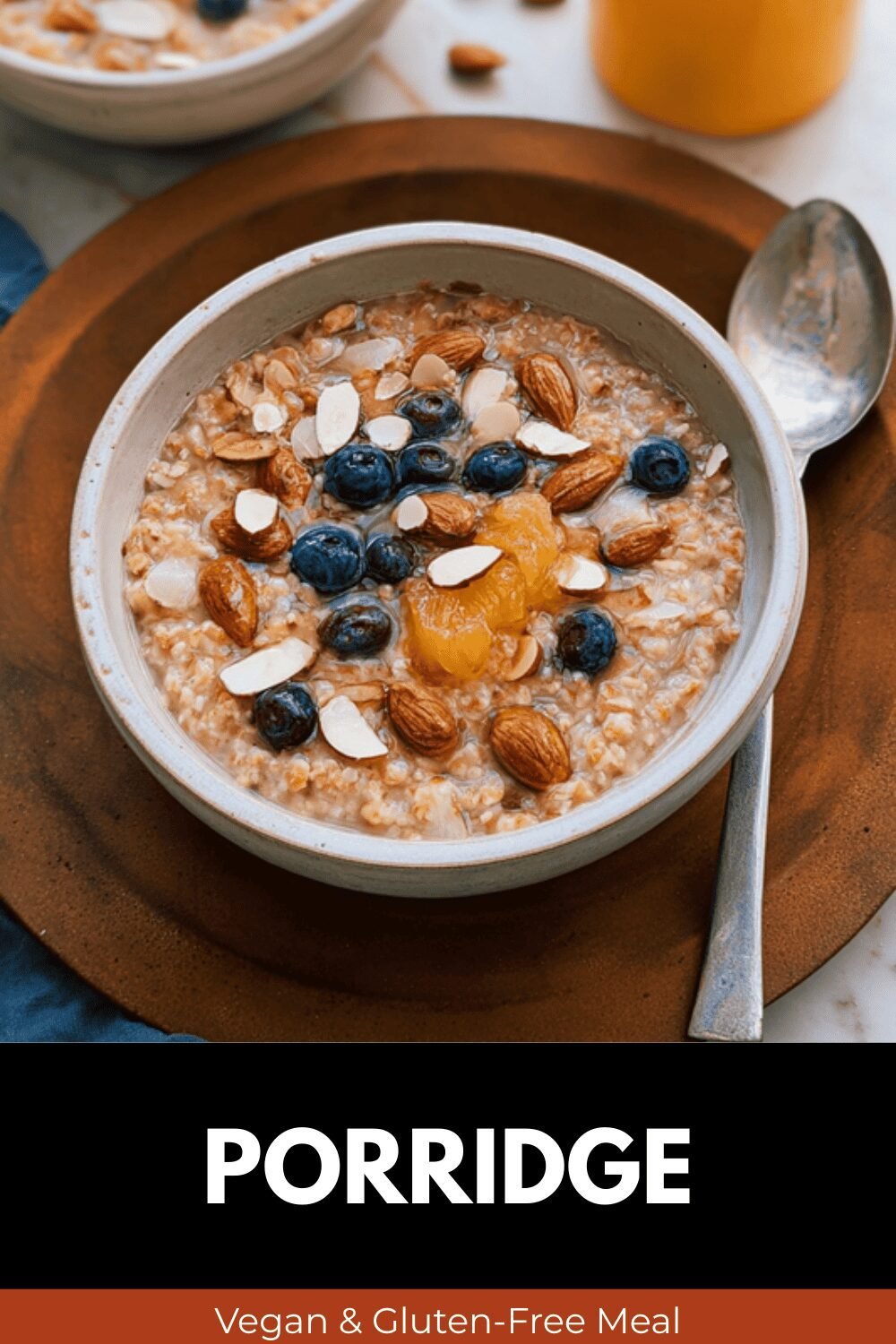
- Sixth Step: Customize with toppings like nuts, seeds, or fresh fruits to suit dietary preferences or flavor variations.
- Final Step: Serve warm immediately to enjoy the fresh, creamy texture; store leftovers for future meals.
Preparation time typically ranges from 5 to 30 minutes, with rolled oats cooking in 5 to 10 minutes. Some methods involve presoaking grains for a smoother texture, though it has little effect on the overall result.

Dietary Substitutions to Customize Your Porridge
Porridge is highly adaptable, allowing for substitutions based on dietary needs, such as vegan or gluten-free options. Common ingredients like oats can be replaced with other grains, and flavorings adjusted for variety. This makes it suitable for busy parents, students, and working professionals seeking healthy breakfast ideas.
- Protein and Main Component Alternatives: Substitute oats with quinoa flakes or buckwheat for gluten-free, protein-rich alternatives; use plant-based protein powders to boost nutritional value for vegan diets.
- Vegetable, Sauce, and Seasoning Modifications: Incorporate seasonal fruits or vegetables like pumpkin or apples to diversify textures; experiment with spices such as nutmeg, ginger, or vanilla extract; replace sweeteners with natural alternatives like stevia or mashed banana to reduce calories.
Porridge can be made savory with additions like spices, meat, or vegetables, reflecting cultural traditions and providing nutritious variations for any meal.
These changes ensure porridge remains a versatile, healthy option for all tastes.
Mastering Porridge: Advanced Tips and Variations
For a smoother texture, allow grains like oats to soak before cooking, which can help reduce preparation time. Use a mix of milk and water for added creaminess, and incorporate flavorings such as cinnamon or fruit for variety. Select grain cuts based on desired texture, like steel-cut oats for chewiness or rolled oats for creaminess, enhancing your nutritious breakfast porridge experience.
Pro Techniques and Ideas
- Pro cooking techniques: Toast oats lightly before cooking to enhance their nutty flavor; use a double boiler for gentle, even cooking to achieve perfect creaminess.
- Flavor variations: Try adding matcha powder, cocoa nibs, or a pinch of sea salt; adjust cooking times to control thickness and enhance taste.
- Presentation tips: Garnish with fresh herbs or a drizzle of nut butter; add cold milk or cream after cooking for extra flavor without overcooking.
- Make-ahead options: Prepare porridge base in bulk and store refrigerated; reheat with extra liquid to refresh texture, ideal for busy mornings.
Porridge is suitable for any meal, often adapted with local ingredients, for food enthusiasts and baking beginners. Visit our internal page on quick meal ideas for more inspiration.
How to Store Porridge: Best Practices
Proper storage maintains the freshness and nutritional quality of porridge, making it a practical choice for meal prep. Refrigerate cooked porridge in an airtight container and consume within 3-4 days to ensure safety. Freezing portions in freezer-safe containers allows storage for up to 1 month, with thawing overnight in the refrigerator before reheating.
- Refrigeration: Store in an airtight container in the fridge for up to 4 days.
- Freezing: Portion into containers for up to 1 month and thaw properly.
- Reheating: Warm gently with added liquid to restore creaminess.
- Meal prep considerations: Batch cook in advance for busy schedules, retaining flavor and nutrients.
This approach supports healthy porridge ideas for diets-conscious individuals and families.
FAQs: Frequently Asked Questions About Porridge
What is the best way to cook porridge for a creamy texture?
For a creamy porridge, use a 1:4 ratio of oats to liquid (water or milk). Cook the oats on low to medium heat, stirring frequently to prevent sticking. Using rolled oats yields creamier results compared to instant oats. Adding a pinch of salt enhances flavor, and cooking for 5-10 minutes allows the oats to fully soften. For extra creaminess, cook the porridge with milk or a milk alternative instead of water.
What are the health benefits of eating porridge regularly?
Porridge is a rich source of soluble fiber, particularly beta-glucan, which helps lower cholesterol and stabilize blood sugar levels. It also provides essential nutrients like iron, magnesium, and B vitamins. Regular consumption supports digestive health, promotes satiety, and can aid in weight management. Eating porridge made from whole oats delivers sustained energy and supports heart health.
How can I make porridge more flavorful without adding sugar?
To add flavor without sugar, mix in natural ingredients such as cinnamon, nutmeg, vanilla extract, or fresh fruits like berries and banana slices. Nuts and seeds contribute texture and healthy fats, while a spoonful of nut butter adds richness. Using unsweetened applesauce or mashed pumpkin can also enhance taste naturally.
Is porridge suitable for people with gluten intolerance?
Pure oats are naturally gluten-free; however, cross-contamination can occur during processing. Choose oats labeled gluten-free if you have celiac disease or gluten sensitivity. Always check packaging to ensure the porridge is certified gluten-free and safe for your diet.
Can porridge be prepared in advance for busy mornings?
Yes, porridge can be made ahead by cooking it and storing it in the refrigerator for up to 3 days. To reheat, add a little milk or water and warm it gently on the stove or in the microwave, stirring to restore creaminess. Alternatively, try overnight oats by soaking oats in milk or yogurt overnight in the fridge—no cooking needed and ready to eat in the morning.
Porridge
🥣 Porridge is a comforting and versatile breakfast option that provides sustained energy and essential nutrients.
🌾 This nutritious dish can be customized with a variety of grains and toppings, making it perfect for any taste or dietary preference.
- Total Time: 10 to 60 minutes
- Yield: Varies depending on serving size and grain
Ingredients
– 1 cup rolled oats Provides the creamy base and a good source of fiber for digestion
– 1 1/2 cups milk or plant-based milk Adds creaminess and calcium; plant-based versions suit vegan diets
– 1 tbsp honey or maple syrup Natural sweetener to enhance flavor without refined sugars
– 1 tsp cinnamon Adds warmth and antioxidant benefits
Instructions
1-First Step: Gather all ingredients and measure precise quantities to ensure consistency.
2-Second Step: In a medium saucepan, combine rolled oats and milk (or chosen plant-based milk) over medium heat.
3-Third Step: Stir continuously to prevent sticking and cook for 5-7 minutes until the mixture thickens.
4-Fourth Step: Add sweetener such as honey or maple syrup and cinnamon; mix thoroughly.
5-Fifth Step: Adjust thickness by adding more milk or oats if needed.
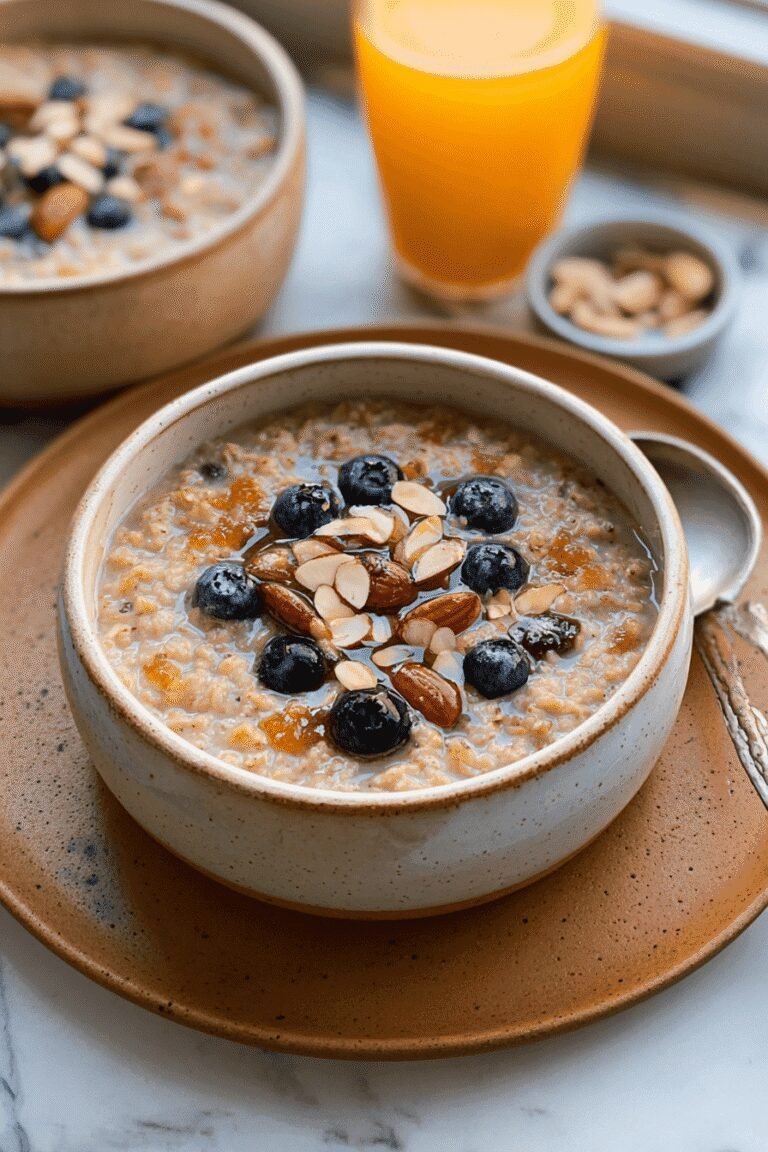
6-Sixth Step: Customize with toppings like nuts, seeds, or fresh fruits to suit dietary preferences or flavor variations.
7-Final Step: Serve warm immediately to enjoy the fresh, creamy texture; store leftovers for future meals.
Last Step:
Please leave a rating and comment letting us know how you liked this recipe! This helps our business to thrive and continue providing free, high-quality recipes for you.Notes
💧 Soak grains before cooking to achieve a creamier texture.
🥛 Use a combination of milk and water for richer flavor and creaminess.
🌿 Experiment with spices like cinnamon and nutmeg or add fresh fruit for variety.
- Prep Time: 5 to 30 minutes
- Cook Time: 5 to 30 minutes
- Category: Breakfast
- Method: Boiling, soaking, or heating
- Cuisine: Various
- Diet: Vegetarian, Vegan option if plant-based milk is used
Nutrition
- Calories: 71 per 100g cooked oat porridge
- Fat: 0.3 g per 100g cooked oat porridge
- Carbohydrates: 12 g per 100g cooked oat porridge
- Fiber: 1.5 g per 100g cooked oat porridge
- Protein: 1.7 g per 100g cooked oat porridge
- Cholesterol: 0 mg






I tried this porridge recipe this morning and it turned out perfectly creamy! I added a sprinkle of cinnamon and a handful of fresh berries for some extra flavor. Do you have any suggestions for savory toppings to switch things up?