

Why You’ll Love This Homemade Sauerkraut
Discovering the joy of Homemade Sauerkraut can transform your meals with its simple preparation and amazing benefits. This fermented food made from fresh green cabbage offers a tangy crunch that enhances everything from salads to sandwiches, making it a favorite for many home cooks. Not only is it easy to whip up with basic ingredients, but it also brings a host of health perks that keep you coming back for more.
This recipe stands out because of its probiotic-rich profile, which supports a healthy gut and boosts your overall wellness. Imagine enjoying a side dish that is both delicious and packed with nutrients, all while fitting into various diets like vegan or gluten-free options. Whether you’re a busy parent looking for quick meal additions or a food enthusiast exploring fermentation, this sauerkraut adds versatility and flavor to your table.
One of the best parts about making your own sauerkraut is how it creates a distinctive taste that store-bought versions can’t match. The natural process brings out a crisp, sour note that elevates simple meals into something special. Plus, it’s adaptable, so you can tweak it for your preferences, like adding seeds for extra zest. By trying this Homemade Sauerkraut recipe, you’re stepping into a world of easy, rewarding cooking that anyone can master.
Essential Ingredients for Homemade Sauerkraut
Gathering the right ingredients is key to mastering the homemade sauerkraut fermentation process. Start with fresh produce and quality salt to ensure your batch turns out perfectly. This section breaks down what you’ll need, focusing on a straightforward list that makes shopping and prep simple.
Structured List of Ingredients
- Very fresh green cabbage: Use as needed based on the salt ratio, for example, 450 grams for the recipe.
- Sea salt or kosher salt: 1 1/2 to 2 teaspoons per pound of cabbage, equivalent to 9-12 grams per 450 grams of cabbage.
- Caraway seeds: Quantity not specified, add to taste for optional flavor.
- Red pepper flakes: Quantity not specified, add to taste for optional spice.
- Black pepper: Quantity not specified, add to taste for optional seasoning.
- Whole crushed juniper berries: Quantity not specified, use as a flavor enhancer if desired.
These ingredients form the base of your sauerkraut, with the salt playing a crucial role in drawing out juices for fermentation. The optional flavorings like caraway seeds allow you to customize the taste while keeping things simple and accessible.
Special Dietary Options
This recipe is naturally vegan and gluten-free, making it ideal for various dietary needs. It’s also a low-calorie choice, perfect for those watching their intake while enjoying the benefits of fermented foods.
| Ingredient Type | Dietary Fit |
|---|---|
| Main cabbage and salt | Vegan, Gluten-free, Low-calorie |
| Optional seeds and spices | Easily adapted for all diets |
How to Prepare the Perfect Homemade Sauerkraut: Step-by-Step Guide
Diving into the homemade sauerkraut fermentation process is easier than you might think, and it all starts with fresh ingredients. Follow these detailed steps to create your own batch, ensuring you get that perfect tangy flavor every time. This guide incorporates the exact directions from a reliable recipe to help you succeed.
Step 1: Prepare the Cabbage
Begin by removing any damaged outer leaves from the very fresh green cabbage, then cut it in half and remove the core. Slice the cabbage very thinly, aiming for about 1/8 inch thick, using a sharp knife or mandoline. This step is crucial for even fermentation and better texture in your final product.
Step 2: Salt and Massage
Place the sliced cabbage in a large bowl and toss it with the specified amount of sea salt or kosher salt 1 1/2 to 2 teaspoons per pound of cabbage. Let the salted cabbage sit for about 20 minutes to wilt and release its juices, which helps create the natural brine.
Step 3: Crush and Pack
Use a tamper or pounder to crush the cabbage until it releases a significant amount of liquid. Transfer the cabbage and its juices into a clean glass or ceramic jar or crock, filling it to about two-thirds full. Press the cabbage down firmly to release more juice and eliminate air pockets, ensuring it is fully submerged in the brine.
Step 4: Submerge and Ferment
If needed, prepare a 2% salt water solution by dissolving 1 teaspoon of salt per cup of water and add it to keep the cabbage submerged. Place a weight on top to prevent mold and secure the lid fingertip tight. For more advanced setups, follow airlock lid instructions to release pressure.
Step 5: Monitor Fermentation
Store the jar in a dark place at 65-70 degrees Fahrenheit for at least two weeks. Taste daily after the fourth day until you achieve the desired tanginess and texture. Once ready, tighten the lid and move it to the refrigerator at 38-50 degrees Fahrenheit to slow fermentation. For a link to another fresh recipe idea, check out our berry trifle for a complementary dish.
The active preparation time is about 20 minutes, with fermentation taking at least 14 days for a stronger tang, making the total time around 14 days and 20 minutes. Fermentation temperature matters cooler spots below 65 degrees Fahrenheit slow it down, while warmer areas speed it up but could affect flavor or increase spoilage risk.

Dietary Substitutions to Customize Your Homemade Sauerkraut
Tailoring homemade sauerkraut to your preferences is simple with a few swaps. This section explores ways to modify the recipe for different tastes and dietary needs, keeping the core fermentation process intact. Whether you’re adding proteins or changing veggies, these ideas enhance your sauerkraut’s appeal.
- Consider adding cooked lentils or chickpeas for a plant-based protein boost, ideal for vegan diets.
- Swap green cabbage with red cabbage or Napa cabbage to change the flavor and color profile.
- Include grated carrots or sliced onions for extra sweetness and texture in your mix.
- Replace caraway seeds with fennel or mustard seeds to experiment with new tastes.
- For spice, add chili flakes or fresh ginger slices during preparation.
- Use apple cider vinegar as a flavor enhancer if you want more tang after fermentation.
These substitutions keep the recipe versatile, fitting for busy parents or diet-conscious individuals. Remember, no specialized equipment is required, just a large jar and a pounder for success.
Mastering Homemade Sauerkraut: Advanced Tips and Variations
Taking your homemade sauerkraut to the next level involves some pro techniques and creative twists. Here, you’ll learn how to optimize the fermentation for better results, drawing from expert advice on probiotics and flavor. These tips build on the basic recipe to make it even more rewarding.
Use fresh cabbage to ensure the best juice extraction and texture, as it directly impacts the quality of your sauerkraut.
Avoid iodized salt, as it can hinder fermentation; stick to sea or kosher salt for optimal results. Always keep the cabbage submerged to prevent mold remove any greenish or gray layers if they appear, but discard the batch if you see black, orange, or pink colors. For variations, try adding juniper berries, garlic, or beet juice to create unique profiles, or herbs like dill for a fresh twist.
Pro Techniques and Storage
Using a fermentation weight helps maintain submersion, reducing mold risk. If you’re not using an airlock lid, open the jar daily to release gases. The sauerkraut will shift from green to pale yellowish beige as it ferments, signaling progress. For external insights on gut health, visit this guide on gut health benefits of sauerkraut.
How to Store Homemade Sauerkraut: Best Practices
Proper storage keeps your homemade sauerkraut fresh and full of probiotics. After fermentation, focus on cool environments to preserve its tangy goodness. This ensures you can enjoy it for weeks or even months without losing quality.
Refrigerate in airtight containers to maintain moisture, or freeze for longer storage, though this affects probiotics. When reheating, use low heat to keep texture intact. For meal prep, portion into smaller containers for easy access throughout the week.
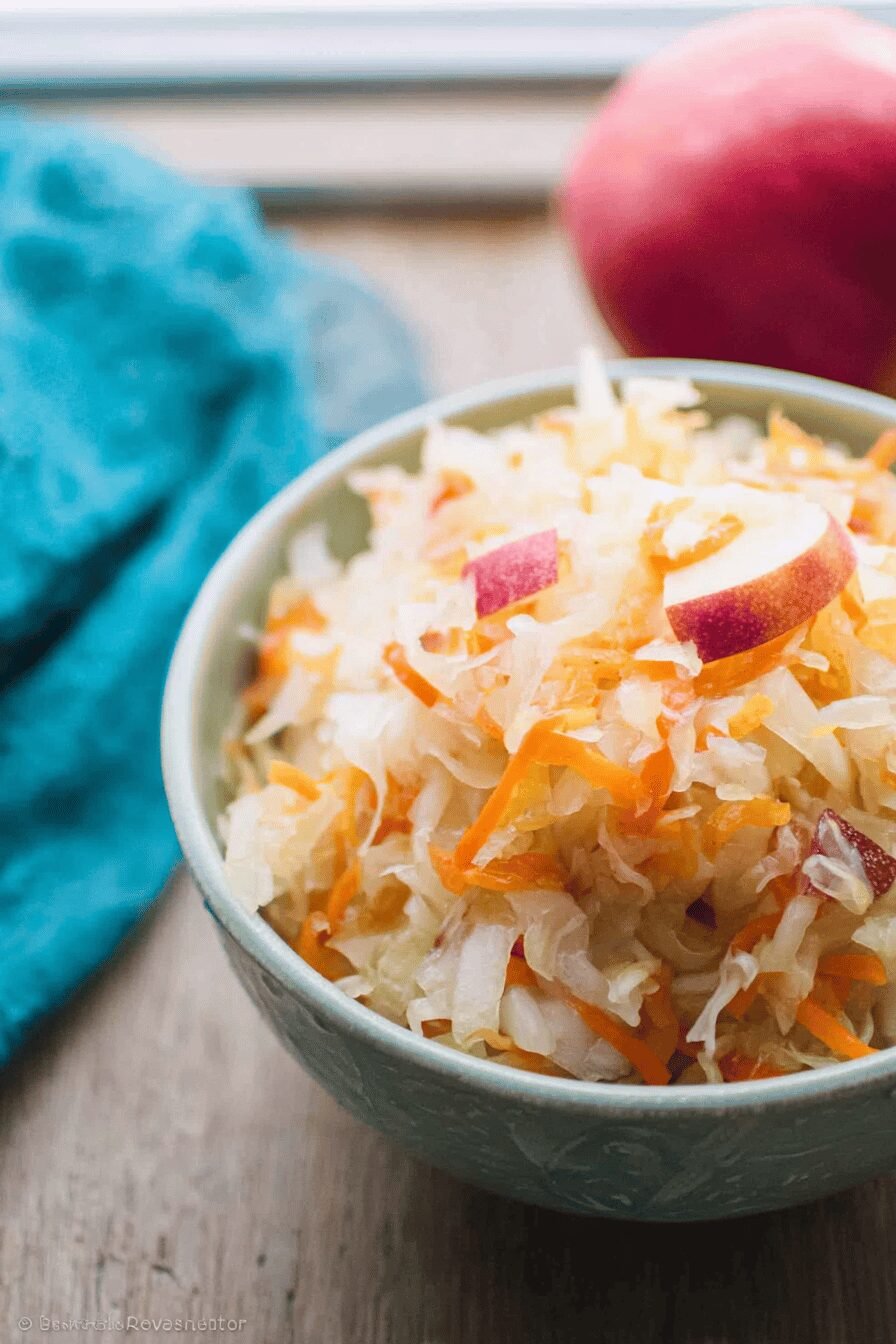
FAQs: Frequently Asked Questions About Homemade Sauerkraut
What basic equipment do I need to make homemade sauerkraut?
To make sauerkraut at home, you need a large glass or ceramic jar, a heavy flat-bottomed tamper or utensil to crush the cabbage, and a weight to keep the cabbage submerged during fermentation. Fresh cabbage and salt (sea salt or kosher salt) are essential, but no specialized tools are required. Avoid metal containers, as they can react with the fermentation.
How long should I ferment sauerkraut for the best flavor and texture?
Fermentation time varies depending on temperature and taste preference. At an ideal room temperature of 65-70°F (18-21°C), ferment sauerkraut for at least two weeks. Longer fermentation—several weeks up to a few months—will develop a tangier flavor and softer texture. Check taste regularly after two weeks to decide when it’s ready.
Can I make sauerkraut without adding salt?
While it is possible to ferment sauerkraut without salt, it’s not recommended. Salt inhibits harmful bacteria and yeast, promotes the growth of beneficial bacteria, helps preserve nutrients, and keeps the cabbage crisp. The standard ratio is 2-3% salt by weight—about 1 ½ to 2 teaspoons per pound of cabbage—for safe and tasty fermentation.
How do I tell if my sauerkraut has gone bad or developed harmful mold?
Sauerkraut can spoil if not properly fermented or stored. Signs of spoilage include an off smell, unpleasant color changes, or a slimy texture. White or grayish mold on the surface is common and usually safe to remove if the cabbage stays submerged, but black, orange, or pink mold indicates spoilage, and that batch should be discarded.
How should I store homemade sauerkraut to keep it fresh and safe?
After fermentation, store sauerkraut in the refrigerator or a cool, dark place below 40°F (4°C) to slow fermentation and prolong freshness. Sauerkraut can last for several months when refrigerated. Avoid freezing if you want to preserve live probiotics, as freezing kills beneficial bacteria but cooking sauerkraut also destroys them.
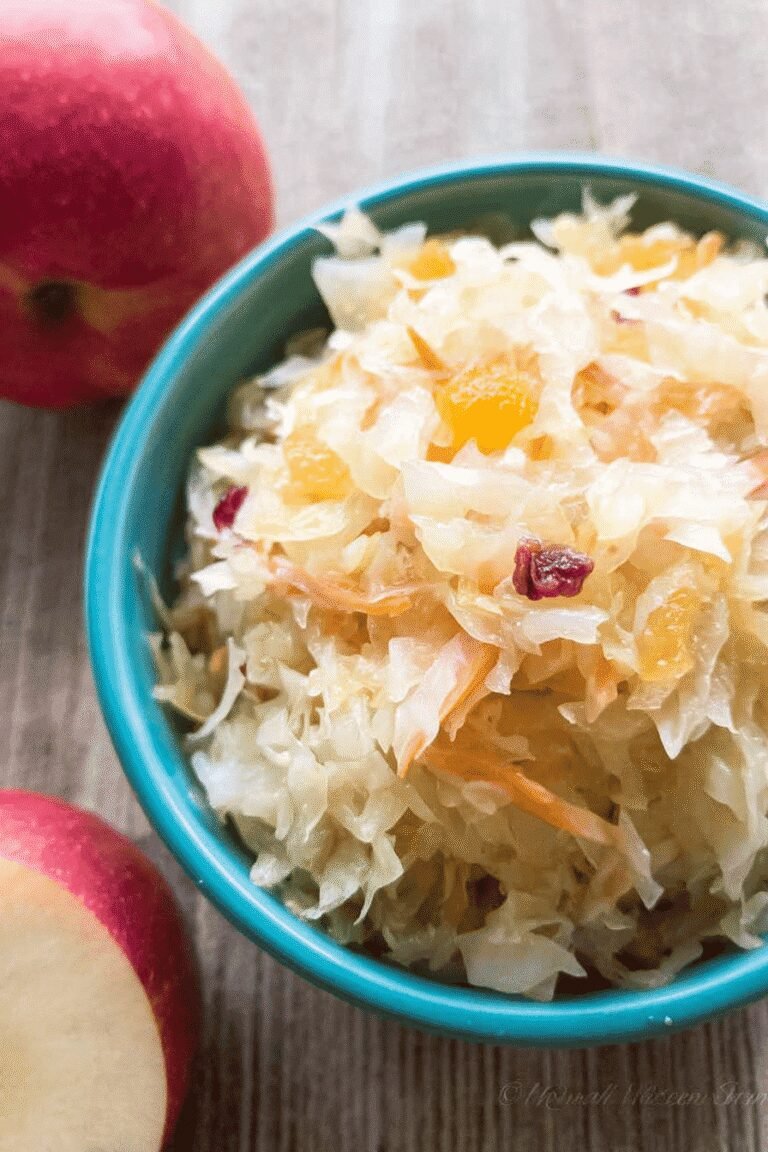
Homemade Sauerkraut
🥬 Making sauerkraut at home is a fantastic way to enjoy fresh, tangy fermented cabbage packed with probiotics and vibrant flavors.
🧂 This simple, step-by-step recipe guides you through the perfect fermentation process using minimal ingredients for delicious and healthy results.
- Total Time: 14 days 20 minutes
- Yield: Varies based on cabbage quantity
Ingredients
450 grams very fresh green cabbage
1 1/2 to 2 teaspoons sea salt or kosher salt per pound of cabbage
caraway seeds for optional flavor
red pepper flakes for optional spice
black pepper for optional seasoning
whole crushed juniper berries as a flavor enhancer
Instructions
1-Step 1: Prepare the Cabbage Begin by removing any damaged outer leaves from the very fresh green cabbage, then cut it in half and remove the core. Slice the cabbage very thinly, aiming for about 1/8 inch thick, using a sharp knife or mandoline. This step is crucial for even fermentation and better texture in your final product.
2-Step 2: Salt and Massage Place the sliced cabbage in a large bowl and toss it with the specified amount of sea salt or kosher salt 1 1/2 to 2 teaspoons per pound of cabbage. Let the salted cabbage sit for about 20 minutes to wilt and release its juices, which helps create the natural brine.
3-Step 3: Crush and Pack Use a tamper or pounder to crush the cabbage until it releases a significant amount of liquid. Transfer the cabbage and its juices into a clean glass or ceramic jar or crock, filling it to about two-thirds full. Press the cabbage down firmly to release more juice and eliminate air pockets, ensuring it is fully submerged in the brine.
4-Step 4: Submerge and Ferment If needed, prepare a 2% salt water solution by dissolving 1 teaspoon of salt per cup of water and add it to keep the cabbage submerged. Place a weight on top to prevent mold and secure the lid fingertip tight. For more advanced setups, follow airlock lid instructions to release pressure.
5-Step 5: Monitor Fermentation Store the jar in a dark place at 65-70 degrees Fahrenheit for at least two weeks. Taste daily after the fourth day until you achieve the desired tanginess and texture. Once ready, tighten the lid and move it to the refrigerator at 38-50 degrees Fahrenheit to slow fermentation. For a link to another fresh recipe idea, check out our berry trifle for a complementary dish.
Last Step:
Please leave a rating and comment letting us know how you liked this recipe! This helps our business to thrive and continue providing free, high-quality recipes for you.Notes
🥬 Use fresh cabbage for better juice extraction and texture.
🧂 Avoid iodized salt or salts with anti-caking agents to ensure proper fermentation.
⚠️ Keep cabbage fully submerged under brine to prevent mold; remove any surface mold promptly but discard batch if mold is black, pink, or orange.
- Prep Time: 20 minutes
- Fermentation Time: 14 days
- Category: Fermented Foods
- Method: Fermentation
- Cuisine: German
- Diet: Vegan, Gluten-Free, Probiotic
Nutrition
- Serving Size: 1/4 cup






This homemade sauerkraut recipe looks fantastic! I’ve always found store-bought kraut too salty and wanted to try fermenting my own. Do you recommend any specific type of cabbage for the best flavor and texture? Thanks for sharing!