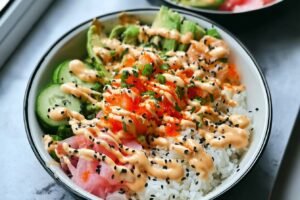

Why You’ll Love This Shoyu Tamago
Shoyu Tamago, or soy sauce eggs with jammy yolks, is a simple yet delicious recipe that has become a favorite in many kitchens, including mine as a home cook who loves experimenting with flavors. This dish is all about that perfect balance of soft, creamy yolks and a savory marinade that packs a punch without overwhelming your taste buds. If you’re like the busy parents or students in my audience, you’ll appreciate how this shoyu tamago comes together quickly, making it an ideal option for a nutritious meal or snack on the go.
One of the best things about this shoyu tamago recipe is its ease of preparation. It requires minimal ingredients and just a few minutes of active cooking time, perfect for fitting into tight schedules without sacrificing flavor. Beyond that, it offers great health benefits, like a solid dose of protein and essential nutrients that can support your wellness goals, which is why it’s a hit with diet-conscious folks and food enthusiasts alike. Plus, its versatility means you can tweak it for different dietary needs, ensuring everyone from newlyweds to seniors can enjoy this tasty treat.
This shoyu tamago stands out for its distinctive flavor, thanks to the rich, umami taste from the soy-based marinade that adds a special twist to everyday eggs. Imagine biting into that jammy yolk infused with savory notes, elevating simple meals like rice bowls or salads. Whether you’re a working professional looking for quick meal prep or a baking enthusiast wanting to try something savory, this recipe will spark joy and inspire you to get creative in the kitchen, just like I do on my blog at Kitchen Coast.
Essential Ingredients for Shoyu Tamago
When making shoyu tamago, selecting the right ingredients is key to achieving those perfectly jammy yolks and a flavorful marinade. This recipe focuses on fresh, simple items that you might already have on hand, making it accessible for home cooks of all levels. By using high-quality components, you’ll end up with eggs that are not only delicious but also packed with that signature soy sauce goodness.
Main Ingredients
Here is a comprehensive list of all the ingredients needed for this shoyu tamago recipe. I’ve extracted these directly from the details provided to ensure accuracy and completeness. Each one is listed with its precise measurement for easy preparation:
- 6 large eggs (preferably 4-5 days old)
- 3/4 cup low-sodium soy sauce (or tamari for gluten-free options)
- 3 tablespoons mirin or rice vinegar
- 1/2 tablespoon sesame oil
- 2 medium garlic cloves thinly sliced
Special Dietary Options
You can easily adapt this shoyu tamago for various dietary preferences, which makes it a versatile choice for everyone from busy parents to diet-conscious individuals. For instance, if you’re going gluten-free, swapping soy sauce for tamari works wonders without losing that umami depth.
| Dietary Need | Substitution |
|---|---|
| Vegan | Use silken tofu or tempeh instead of eggs, marinated in the same soy sauce mixture |
| Gluten-Free | Opt for tamari in place of soy sauce to keep the flavors intact |
| Low-Calorie | Reduce or omit sesame oil and use egg whites or plant-based substitutes for a lighter version |
This structured list covers everything required, so you can shop and prepare with confidence. Remember, fresh eggs make all the difference in getting those jammy yolks just right, as I always remind my readers on Kitchen Coast.
How to Prepare the Perfect Shoyu Tamago: Step-by-Step Guide
Getting shoyu tamago right is easier than you might think, and I’ll walk you through it like we’re chatting in the kitchen. Start by gathering your ingredients to set yourself up for success this is a recipe that rewards a little prep. Once you’re ready, the process moves quickly, leading to those irresistible jammy yolks that make any meal feel special.
- Gather all ingredients and prepare them ahead, like letting the eggs sit at room temperature for easier handling.
- Boil water in a pot and gently add the 6 large eggs, cooking them for exactly 7 minutes in rapidly boiling water to achieve soft yolks.
- In the meantime, whisk together the 3/4 cup low-sodium soy sauce, 3 tablespoons mirin or rice vinegar, 1/2 tablespoon sesame oil, and 2 medium garlic cloves thinly sliced to create the marinade.
- Immediately transfer the cooked eggs to an ice bath for 5 minutes to stop the cooking process and make peeling straightforward.
- Peel the eggs gently under cold water, taking care not to damage the whites for that perfect shape.
- Submerge the peeled eggs in the marinade, cover them, and refrigerate for 8 hours or overnight, remembering to turn them once halfway through for even flavor.
- For dietary tweaks, substitute ingredients as needed such as using tempeh for a vegan option while following the same steps.
Once marinated, serve your shoyu tamago sliced over sticky rice and thinly sliced seaweed for a delightful finish. This method ensures the eggs absorb the flavors fully, and you can store them in the marinade for up to 2 days. If you want to pair it with something complementary, check out this salmon tacos recipe on my blog for a fresh twist.

Dietary Substitutions to Customize Your Shoyu Tamago
One of the joys of cooking shoyu tamago is how adaptable it is to different needs, whether you’re a food enthusiast exploring new diets or a working professional watching your intake. By making smart swaps, you can keep the dish exciting and inclusive for your family or friends. Let’s dive into some easy changes that maintain the essence of this flavorful recipe.
Protein and Main Component Alternatives
If you’re looking to switch things up, try marinated silken tofu as a vegan replacement it soaks up the flavors just like eggs do. For a heartier option, tempeh or seitan can step in, providing that satisfying texture without straying from the original vibe. These substitutions work well for busy parents who need quick, versatile meals.
Vegetable, Sauce, and Seasoning Modifications
To vary the taste, swap garlic for ginger or green onions for a fresher note that pairs nicely with the soy marinade. If you’re going gluten-free, tamari is a seamless replacement for soy sauce, or try coconut aminos for a soy-free version. Adding veggies like spinach or mushrooms can bring in seasonal flair, making it even more appealing for travelers and seniors alike.
Remember, these tweaks let you learn about egg nutrition while customizing to your preferences. It’s all about making the recipe your own, just as I do in my kitchen experiments.
Mastering Shoyu Tamago: Advanced Tips and Variations
Once you’re comfortable with the basics of shoyu tamago, you can level up with some pro techniques that add a personal touch. For instance, using a sous vide method helps control the egg texture for even creamier yolks, which is great if you’re a baking enthusiast fine-tuning your skills. These tips can turn a simple recipe into something truly memorable for your dinner table.
Flavor Variations and Pro Cooking Techniques
Experiment by adding chili flakes or a bit more sesame oil to the marinade for a spicy or nutty kick that excites your taste buds. Presentation is key too serve the halved eggs on steamed rice with fresh herbs and toasted sesame seeds to make it look as good as it tastes. If you’re prepping ahead, marinate the eggs for up to 3 days to deepen the flavors and save time during the week.
For those interested in healthy eating, this recipe aligns with options like my kale pesto recipe, which complements shoyu tamago in a balanced meal. It’s these little enhancements that keep things fresh for food enthusiasts and diet-conscious readers.
How to Store Shoyu Tamago: Best Practices
Proper storage keeps your shoyu tamago tasting fresh and safe, especially if you’re meal prepping for a hectic week. Always store the marinated eggs in an airtight container in the fridge to lock in that savory flavor. This approach works well for working professionals who need grab-and-go options without compromising quality.
- Refrigerate the eggs submerged in their marinade for up to 2 days to preserve texture and taste.
- Avoid freezing regular eggs due to texture changes, but tofu-based versions can handle it better.
- Serve them cold or at room temperature; if you want to warm them, do so gently to avoid overcooking.
- For meal prep, make a batch ahead and store it to enjoy throughout the week, ensuring you turn the eggs for even marinating.
The marinade itself can be reused for up to one week, adding convenience to your routine. Pair this with dishes like grilled salmon for a complete meal, as suggested in the recipe details.
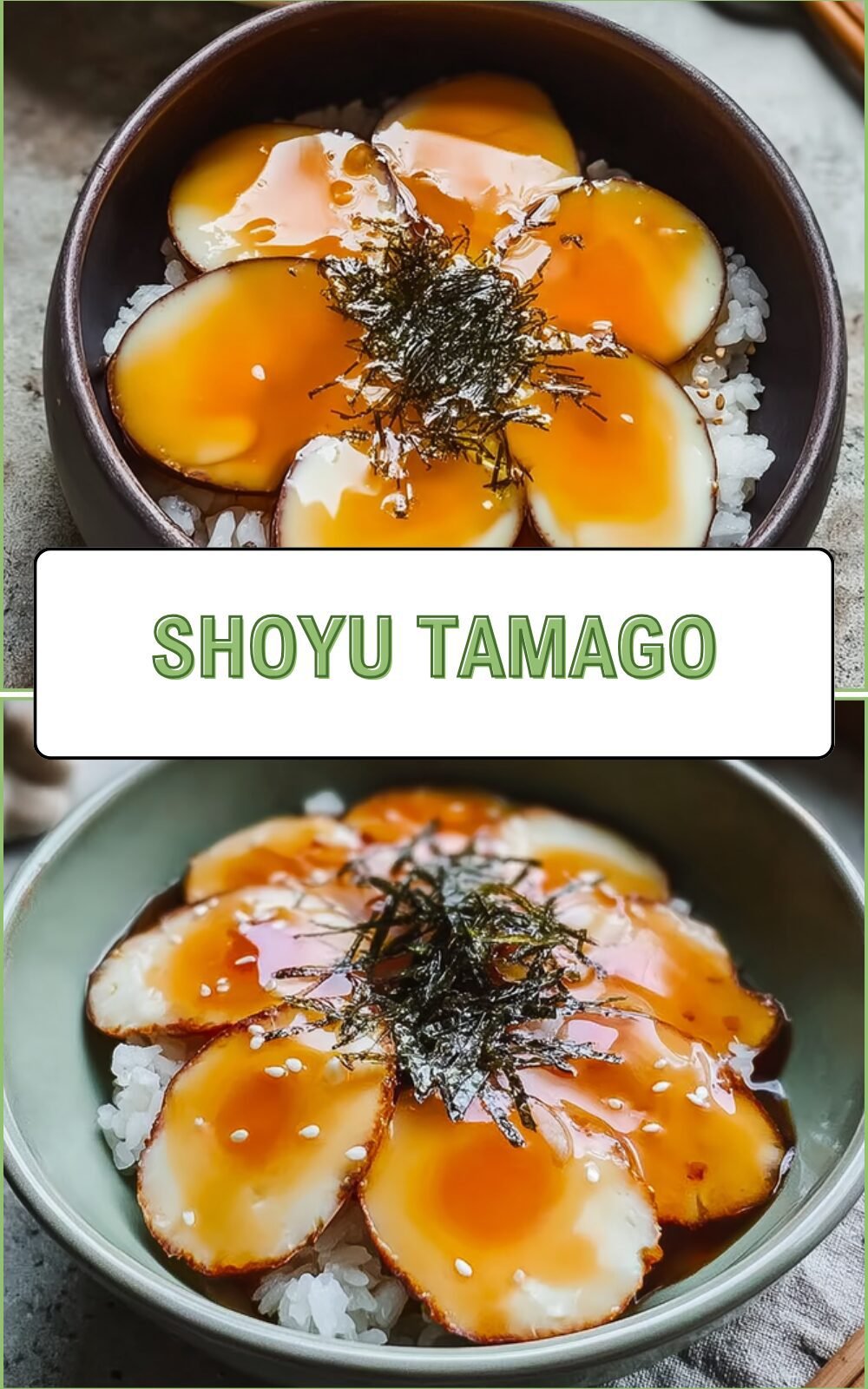
FAQs: Frequently Asked Questions About Shoyu Tamago
What is a shoyu tamago and how is it made?
A shoyu tamago is a soy sauce-marinated soft boiled egg, commonly served with ramen or rice dishes. To make it, boil eggs for about 7 minutes, then immediately cool them in ice water for 5 minutes. After peeling, marinate the eggs in a mixture of soy sauce, mirin, sesame oil, and garlic for at least 8 hours or overnight to allow the flavors to soak in and give the eggs a rich brown color.
How long can you store shoyu tamago safely?
Peeled shoyu tamago can be stored in their soy sauce marinade in the refrigerator for up to 2 days. Keeping them submerged in the marinade helps preserve their flavor and texture, but consuming them within this timeframe ensures the best quality and food safety.
Can shoyu tamago be made gluten-free?
Yes, shoyu tamago can be made gluten-free by replacing traditional soy sauce with tamari, which is a gluten-free soy sauce alternative. This substitution maintains the classic savory flavor while accommodating gluten sensitivities.
Should shoyu tamago be eaten cold or warm?
Shoyu tamago is typically eaten cold or at room temperature. They can be served straight from the fridge or left out for about 20 minutes to reduce chill. When added to hot dishes like ramen, the eggs gently warm up from the broth without needing additional reheating.
What dishes go well with shoyu tamago?
Shoyu tamago pairs well with a variety of dishes, including ramen, sticky rice topped with sliced seaweed, noodle bowls, grilled salmon, or even drizzled with chili oil and sprinkled with sesame seeds. Their umami-rich flavor complements both Japanese and fusion recipes.
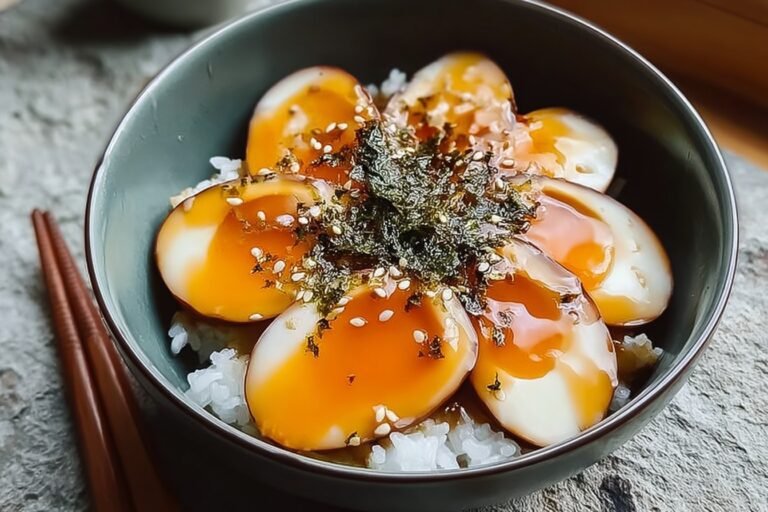
Shoyu Tamago
🥚 Perfectly jammy soft-boiled eggs marinated in a savory soy sauce blend that creates an irresistible umami flavor
🍜 Versatile Japanese-inspired delicacy that elevates any dish from ramen to rice bowls with minimal effort
- Total Time: 8 hours 17 minutes
- Yield: 6 eggs
Ingredients
– 6 large eggs (preferably 4-5 days old)
– 3/4 cup low-sodium soy sauce (or tamari for gluten-free options)
– 3 tablespoons mirin or rice vinegar
– 1/2 tablespoon sesame oil
– 2 medium garlic cloves thinly sliced
Instructions
1-Gather all ingredients and prepare them ahead, like letting the eggs sit at room temperature for easier handling.
2-Boil water in a pot and gently add the 6 large eggs, cooking them for exactly 7 minutes in rapidly boiling water to achieve soft yolks.
3-In the meantime, whisk together the 3/4 cup low-sodium soy sauce, 3 tablespoons mirin or rice vinegar, 1/2 tablespoon sesame oil, and 2 medium garlic cloves thinly sliced to create the marinade.
4-Immediately transfer the cooked eggs to an ice bath for 5 minutes to stop the cooking process and make peeling straightforward.
5-Peel the eggs gently under cold water, taking care not to damage the whites for that perfect shape.
6-Submerge the peeled eggs in the marinade, cover them, and refrigerate for 8 hours or overnight, remembering to turn them once halfway through for even flavor.
7-For dietary tweaks, substitute ingredients as needed such as using tempeh for a vegan option while following the same steps.
Last Step:
Please leave a rating and comment letting us know how you liked this recipe! This helps our business to thrive and continue providing free, high-quality recipes for you.Notes
🥚 Use eggs that are 4-5 days old for easier peeling – very fresh eggs are harder to peel
⏰ Set a timer for exactly 7 minutes to achieve the perfect jammy yolk consistency
🔄 Turn the eggs halfway through marinating for even flavor distribution and deeper color
- Prep Time: 10 minutes
- Marinating time: 8 hours minimum
- Cook Time: 7 minutes
- Category: Appetizer
- Method: Boiling and Marinating
- Cuisine: Japanese
- Diet: Gluten-Free (with tamari)
Nutrition
- Serving Size: 1 egg
- Calories: 86
- Sugar: 1.1g
- Sodium: 657mg
- Fat: 6.1g
- Saturated Fat: 1.7g
- Unsaturated Fat: 4.4g
- Trans Fat: 0g
- Carbohydrates: 1.1g
- Fiber: 0g
- Protein: 7g
- Cholesterol: 186mg