

Why You’ll Love This Hummus
This hummus recipe is simple, quick, and far better than most store-bought versions. It uses just a few pantry staples and a couple of easy tricks to get a creamy, tangy dip you can make in minutes. Whether you are a busy parent, a student cooking in a small kitchen, or someone watching calories, this classic hummus recipe at home fits right in.
- Ease of preparation: This easy hummus comes together in under 10 minutes with a food processor or high-speed blender. No long soaking or complicated steps are needed when you use canned chickpeas or 1 1/2 cups cooked chickpeas. The method is straightforward: blend tahini and lemon first, then add chickpeas and other ingredients in batches for a smooth result.
- Health benefits: Hummus is packed with plant-based protein, fiber, and healthy fats from olive oil and tahini. Chickpeas offer vitamins and minerals that support a balanced diet. For more on chickpea nutrition, see this Healthline guide to chickpeas.
- Versatility: Use this base as a dip, sandwich spread, or salad dressing. It adapts easily for vegan, gluten-free, or lower-calorie needs by swapping a few ingredients or adjusting quantities.
- Distinctive flavor: The balance of fresh lemon, tahini, garlic, and cumin gives a bright, nutty, and slightly smoky taste. A final drizzle of olive oil and a sprinkle of paprika, sumac, or Za’atar makes it feel restaurant-quality.
Homemade hummus tastes fresher and more personalized than anything from a tub. A small technique change makes a big difference.
Essential Ingredients for Hummus
Below are the exact ingredients used in this simple homemade hummus recipe, with short notes on what each does for texture and flavor.
- 1 (15-ounce) can chickpeas, drained or 1 ½ cups cooked chickpeas (250g) – Base and main source of protein and fiber; canned chickpeas save time.
- ¼ cup fresh lemon juice, from 1 large lemon (60ml) – Adds brightness and acidity to balance the tahini and olive oil.
- ¼ cup well-stirred tahini (60ml) – Gives the hummus its creamy, nutty backbone and authentic sesame flavor.
- 1 small garlic clove, minced – Provides a sharp savory note; adjust amount to taste.
- 2 tablespoons extra-virgin olive oil, plus more for serving (30ml) – Adds richness and smooth mouthfeel; use good quality for best taste.
- ½ teaspoon ground cumin – Warms and rounds out the flavor profile.
- Salt to taste – Balances and brings forward the other flavors.
- 2 to 3 tablespoons cold water or aquafaba (45ml) – Helps create a light, fluffy texture without heating the mix.
- Dash of ground paprika, sumac, or Za’atar for serving – Optional garnish that adds color and a finishing flavor note.
Special Dietary Options
- Vegan: This recipe is naturally vegan. Use aquafaba for extra fluff if preferred.
- Gluten-free: All ingredients are gluten-free. Serve with gluten-free crackers or sliced veggies.
- Low-calorie: Reduce olive oil to 1 tablespoon and use more lemon and water to maintain creaminess; serve with veggies instead of pita.
How to Prepare the Perfect Hummus: Step-by-Step Guide
First Step: Prep and mise en place
Gather ingredients and equipment: a food processor (or high-speed blender), measuring cups, a small bowl for lemon juice, and a spatula. Drain a 15-ounce can of chickpeas or measure 1 1/2 cups cooked chickpeas (250g). Mince 1 small garlic clove and measure the tahini, lemon juice, olive oil, cumin, salt, and cold water or aquafaba.
Second Step: Whip the tahini and lemon
Place 1/4 cup well-stirred tahini and 1/4 cup fresh lemon juice (60ml) into the food processor. Process for about 1 to 2 minutes until the mixture becomes thicker and paler. This aerates the tahini and creates a creamy base, which is a key trick for smooth hummus.
Third Step: Add garlic, oil, and seasoning
Add 1 small garlic clove, minced, 1/2 teaspoon ground cumin, and salt to taste to the tahini-lemon mixture. With the processor running, stream in 2 tablespoons extra-virgin olive oil (30ml). Process for 30 seconds more so the flavors blend. This step helps build flavor depth before the chickpeas go in.
Fourth Step: Process chickpeas in batches
Add half of the chickpeas (reserve the other half) and process until fairly smooth, about 30 to 60 seconds. Stop and scrape down the sides with a spatula. Add the remaining chickpeas and process again until thick and smooth. Processing in batches gives a more uniform result and reduces strain on the motor.
Fifth Step: Adjust texture with cold water or aquafaba
With the processor running, add 2 to 3 tablespoons cold water or aquafaba (45ml) a tablespoon at a time until the hummus reaches a light, fluffy texture. The cold liquid is important: it loosens the mix without warming it, keeping the hummus bright and airy.
Sixth Step: Taste and season
Taste and add more salt, lemon, or cumin as needed. If you want more creaminess, add another tablespoon of olive oil or a splash more cold water. For a sharper garlic note, add a small extra pinch of minced garlic and pulse briefly.
Final Step: Serve and garnish
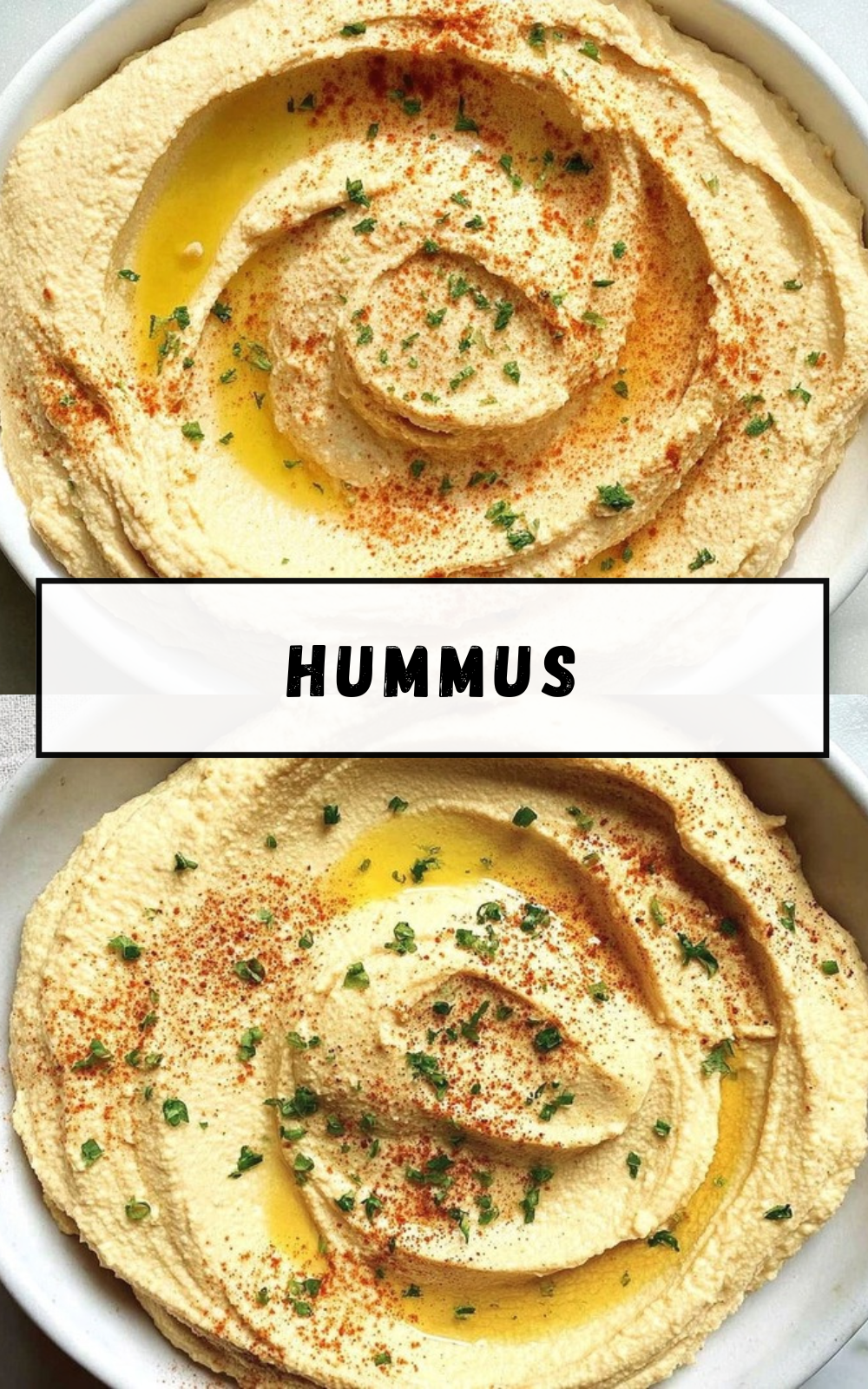
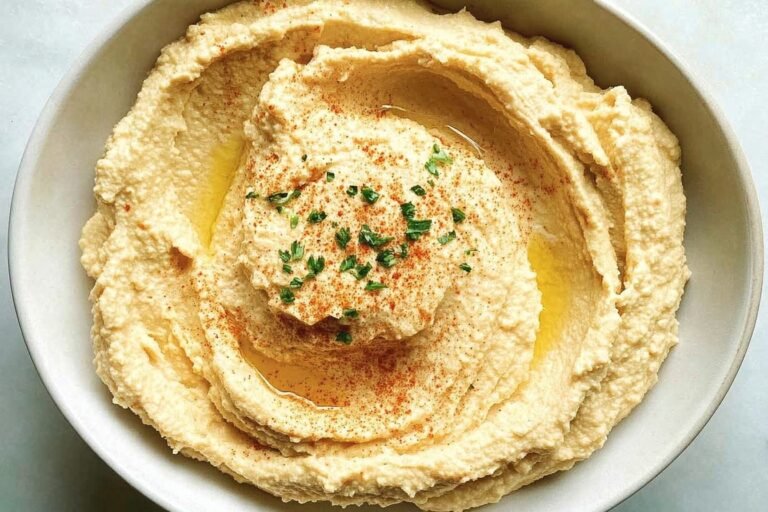
Spoon the hummus into a shallow bowl, use the back of a spoon to make a slight well in the center, and drizzle a little extra-virgin olive oil on top. Finish with a dash of ground paprika, sumac, or Za’atar, and a few whole chickpeas if you reserved some. Serve with warm pita, raw vegetables, or use as a spread in sandwiches.
Timing and temperature notes
- Total active time: about 10 to 15 minutes.
- Cooling: Chill for 30 minutes if you prefer a firmer texture and a fuller melded flavor.
Adaptations for tools
If you only have a blender, work in smaller batches and stop to scrape often. A high-speed blender gives very smooth results but can warm the mixture, so add ice-cold water and pulse briefly.

Dietary Substitutions to Customize Your Hummus
Protein and Main Component Alternatives
If chickpeas are not available or you want a different twist, try these swaps:
- White beans (cannellini) – Use 1 (15-ounce) can or 1 1/2 cups cooked. They yield a milder, creamier hummus.
- Edamame – Shelled edamame makes a bright green, protein-rich spread; cook and cool edamame before blending.
- Lentils – Cooked red lentils produce a softer, slightly sweet hummus with a different texture.
Vegetable, Sauce, and Seasoning Modifications
Change flavors with simple additions based on season or preference:
- Roasted red pepper – Blend in 1/2 cup roasted peppers for a sweet, smoky red pepper hummus.
- Herbs – Add 1/4 cup fresh parsley, cilantro, or basil for a green herb hummus. Adjust lemon to keep brightness.
- Spices – Swap or add smoked paprika, ground coriander, or a pinch of cayenne for heat.
- Dairy option – Stir in 2 tablespoons plain Greek yogurt for tang and extra creaminess if dairy is okay.
Mastering Hummus: Advanced Tips and Variations
Pro cooking techniques
For silky hummus like you get at a restaurant, try these methods:
- Peel chickpeas: Removing skins improves silkiness. Rub chickpeas between two towels or pinch each one many will slip free easily.
- Bake or simmer canned chickpeas with baking soda for extra softness: Simmer drained chickpeas with a pinch of baking soda for 10 minutes, then rinse and blend.
- Use aquafaba: The reserved liquid from the can or cooking pot adds lightness and helps achieve a whipped texture without added fat.
Flavor variations
- Roasted garlic hummus: Roast 1 head of garlic and blend the softened cloves in place of raw garlic for a sweet, mellow flavor.
- Spicy harissa hummus: Add 1 tablespoon harissa paste and a pinch of smoked paprika for a North African twist.
- Za’atar and lemon zest: Fold in 1 teaspoon za’atar and 1/2 teaspoon lemon zest for an herbal, citrusy note.
Presentation tips
Serve hummus in a shallow bowl with a swirl, a drizzle of olive oil, and garnishes like chopped parsley, toasted pine nuts, or a sprinkle of sumac. Pair it with warm pita, crunchy veggies, or use as a sauce for grilled meats and roasted vegetables.
Try it with grilled chicken breasts for a quick weeknight meal: Grilled chicken breasts recipe pairs beautifully as a protein option.
Make-ahead options
- Refrigerate: Make up to 5 days ahead; stir vigorously before serving.
- Freeze: Portion into airtight containers and freeze for up to 1 month for best texture. Thaw overnight in the fridge and whisk with a little water.
- Meal prep: Use hummus as a multi-use ingredient for wraps, bowls, and dips throughout the week. Try a bowl with pesto pasta for a quick lunch: Pesto pasta pairing.
How to Store Hummus: Best Practices
Proper storage keeps hummus fresh and safe to eat while maintaining texture and flavor.
Refrigeration
Store hummus in an airtight container in the fridge for up to 5 to 7 days. Press a thin layer of olive oil on top before sealing to slow down drying and oxidation.
Freezing
Freeze hummus in small portions in freezer-safe containers for up to 1 to 2 months. Leave a little headspace since it can expand. Thaw overnight in the fridge and stir to recombine. If the texture seems slightly grainy, add 1 tablespoon of cold water or aquafaba and whisk to smooth.
Reheating
Hummus is usually eaten cold or at room temperature. If you want it warm, gently heat a small portion in the microwave at low power for short bursts, stirring between intervals. Avoid high heat, which can separate oils and change texture.
Meal prep considerations
Make small batches for the week to keep flavors bright. Store garnishes like herbs and nuts separately and add right before serving for best texture. Label containers with the date to track freshness.
| Nutrient (per 1/4 cup) | Amount |
|---|---|
| Calories | ~150 kcal |
| Protein | ~8 g |
| Fiber | ~4 g |
| Healthy fats | From tahini and olive oil |
FAQs: Frequently Asked Questions About Hummus
What are the main ingredients in homemade hummus?
Homemade hummus requires simple pantry staples: 1-2 cans (15 oz each) of chickpeas (drained and rinsed, or 1.5 cups cooked from dry), 1/4 cup tahini, juice of 1-2 lemons (about 1/4 cup), 1-3 garlic cloves (minced), 1/2 tsp ground cumin, 1/2 tsp salt, 2-4 tbsp cold water or aquafaba, and 2 tbsp olive oil. Optional add-ins include paprika or sumac for topping. Start by processing tahini and lemon juice first for creaminess, then add garlic, cumin, salt, chickpeas in batches, and liquid gradually. Drizzle with olive oil and garnish with herbs or pine nuts. This yields about 2 cups, perfect for 4-6 servings. Adjust garlic and lemon for taste—it’s forgiving for beginners. (92 words)
How do you make hummus creamy and smooth?
For ultra-creamy hummus, use a food processor. First, whip 1/4 cup tahini with juice from 1 lemon (2 minutes) until thick and pale—this aerates it. Add 1 minced garlic clove, 1/2 tsp cumin, and salt, then process half of 2 cans chickpeas (drained) until smooth before adding the rest. Peel skins if desired (rub in a towel for 10 minutes) for extra silkiness, though not essential. Drizzle in 2-4 tbsp cold water or aquafaba while running to reach fluffy consistency. A high-speed blender works too—stop and scrape sides often. Taste and adjust; chill 30 minutes for flavors to meld. Avoid over-processing to prevent warmth affecting texture. Serves 4-6. (112 words)
Do you have to peel chickpeas when making hummus?
Peeling chickpeas is optional but improves smoothness by removing tough skins. Drain and rinse 2 cans (15 oz each), then roll them in a clean kitchen towel for 10 minutes—most skins slip off easily. Reserve a few whole chickpeas for garnish. Process peeled chickpeas in batches with tahini-lemon base, garlic, cumin, and liquid for restaurant-quality fluffiness. Unpeeled still tastes great and saves time; the difference is subtle for home use. Pro tip: Cook dried chickpeas from scratch (soak overnight, simmer 1-2 hours) for even better results without skins. This step addresses common texture complaints and takes minimal effort for superior dip. (98 words)
Can you make hummus without tahini?
Yes, tahini-free hummus works well for nut allergies or substitutions. Replace 1/4 cup tahini with 2-3 tbsp extra-virgin olive oil or 2 tbsp natural creamy peanut butter (unsweetened) for richness. Blend with 2 cans chickpeas, lemon juice, garlic, cumin, salt, and 3-5 tbsp cold water for creaminess. Greek yogurt (2 tbsp) adds tang if dairy’s okay. Process tahini sub with lemon first, then chickpeas in batches. It won’t match traditional sesame flavor but stays delicious—many prefer the lighter version. Top with olive oil, paprika, and herbs. Stores 5-7 days in fridge. Great for quick recipes or variations like roasted red pepper hummus. (102 words)
How long does homemade hummus last?
Store homemade hummus in an airtight container in the fridge for up to 5-7 days—lemon juice acts as a natural preservative. For longer storage, freeze in portions (up to 1-2 months); top with a thin olive oil layer before sealing to prevent drying. Thaw overnight in fridge and stir well. Signs it’s gone bad: off smell, mold, or separation. Make small batches for freshness. Nutrition bonus: one 1/4 cup serving has ~150 calories, 8g protein, and heart-healthy fats from chickpeas and tahini. Pair with veggies, pita, or as a sandwich spread. Always label with date. Freezing maintains quality for meal prep. (104 words)
Hummus
🥄 Creamy, smooth homemade hummus that’s incredibly simple to make and tastes fresher than any store-bought version
🌿 Perfect healthy dip that’s packed with protein and can be customized with your favorite seasonings and toppings
- Total Time: 15 minutes
- Yield: 2 cups 1x
Ingredients
1 (15-ounce) can chickpeas or 1 ½ cups cooked chickpeas (250g) for base and main source of protein and fiber
¼ cup fresh lemon juice (60ml) for brightness and acidity
¼ cup well-stirred tahini (60ml) for creamy, nutty backbone and sesame flavor
1 small garlic clove for sharp savory note
2 tablespoons extra-virgin olive oil (30ml) for richness and smooth mouthfeel
½ teaspoon ground cumin for warming and rounding out flavor profile
Salt for balancing and bringing forward flavors
2 to 3 tablespoons cold water or aquafaba (45ml) for creating light, fluffy texture
Dash of ground paprika, sumac, or Za’atar for garnish, color and finishing flavor
Instructions
1-First Step: Prep and mise en place Gather ingredients and equipment: a food processor (or high-speed blender), measuring cups, a small bowl for lemon juice, and a spatula. Drain a 15-ounce can of chickpeas or measure 1 1/2 cups cooked chickpeas (250g). Mince 1 small garlic clove and measure the tahini, lemon juice, olive oil, cumin, salt, and cold water or aquafaba.
2-Second Step: Whip the tahini and lemon Place 1/4 cup well-stirred tahini and 1/4 cup fresh lemon juice (60ml) into the food processor. Process for about 1 to 2 minutes until the mixture becomes thicker and paler. This aerates the tahini and creates a creamy base, which is a key trick for smooth hummus.
3-Third Step: Add garlic, oil, and seasoning Add 1 small garlic clove, minced, 1/2 teaspoon ground cumin, and salt to taste to the tahini-lemon mixture. With the processor running, stream in 2 tablespoons extra-virgin olive oil (30ml). Process for 30 seconds more so the flavors blend. This step helps build flavor depth before the chickpeas go in.
4-Fourth Step: Process chickpeas in batches Add half of the chickpeas (reserve the other half) and process until fairly smooth, about 30 to 60 seconds. Stop and scrape down the sides with a spatula. Add the remaining chickpeas and process again until thick and smooth. Processing in batches gives a more uniform result and reduces strain on the motor.
5-Fifth Step: Adjust texture with cold water or aquafaba With the processor running, add 2 to 3 tablespoons cold water or aquafaba (45ml) a tablespoon at a time until the hummus reaches a light, fluffy texture. The cold liquid is important: it loosens the mix without warming it, keeping the hummus bright and airy.
6-Sixth Step: Taste and season Taste and add more salt, lemon, or cumin as needed. If you want more creaminess, add another tablespoon of olive oil or a splash more cold water. For a sharper garlic note, add a small extra pinch of minced garlic and pulse briefly.
7-Final Step: Serve and garnish Spoon the hummus into a shallow bowl, use the back of a spoon to make a slight well in the center, and drizzle a little extra-virgin olive oil on top. Finish with a dash of ground paprika, sumac, or Za’atar, and a few whole chickpeas if you reserved some. Serve with warm pita, raw vegetables, or use as a spread in sandwiches.
Last Step:
Please leave a rating and comment letting us know how you liked this recipe! This helps our business to thrive and continue providing free, high-quality recipes for you.Notes
🥄 For the smoothest hummus, remove the skins from canned chickpeas by gently rubbing them between your hands – this takes extra time but makes a big difference in texture
🌿 Let the hummus rest in the refrigerator for at least 30 minutes before serving to allow flavors to meld together
💧 Use ice-cold water or aquafaba to achieve the creamiest consistency and help lighten the texture
- Prep Time: 15 minutes
- Cook Time: 0 minutes
- Category: Appetizer
- Method: No-cook
- Cuisine: Middle Eastern
- Diet: Vegan
Nutrition
- Serving Size: 2 tablespoons
- Calories: 80
- Sugar: 0g
- Sodium: 65mg
- Fat: 5g
- Saturated Fat: 1g
- Unsaturated Fat: 4g
- Trans Fat: 0g
- Carbohydrates: 6g
- Fiber: 2g
- Protein: 3g
- Cholesterol: 0mg