

Why You'll Love This Alfredo Sauce
Author: Stella Romano
My blog shares my passion for cooking by offering a variety of recipes that are simple and accessible to everyone. My ambition is to inspire readers to explore new flavors, cook with joy, and create memorable moments around the table.
This Alfredo Sauce is a quick, rich, and reliable recipe that fits weeknight dinners, date nights, and simple gatherings. It uses everyday pantry ingredients and comes together in about 10 minutes, so you can get dinner on the table fast without sacrificing flavor.
- Ease of preparation: This alfredo sauce recipe takes about 10 minutes total (5 minutes prep, 5 minutes cook). Melt butter, simmer cream briefly, stir in garlic and seasonings, then whisk in freshly grated Parmesan for an easy homemade alfredo sauce you can toss with hot pasta right away.
- Health benefits: While this creamy alfredo is indulgent, you control the ingredients. Using real garlic adds flavor and some proven benefits; check the health benefits of garlic for more on why garlic is a great addition. You can also adapt the recipe for lighter or plant-based options listed below.
- Versatility: This creamy alfredo sauce pairs with fettuccine, penne, chicken, shrimp, or roasted vegetables. It's a base you can adapt to preferences: add herbs, swap cheeses, or turn it into a skillet sauce for protein-packed meals.
- Distinctive flavor: Freshly grated Parmesan and low, gentle heat give this best homemade alfredo sauce recipe a silky, nutty finish that beat store-bought jars every time. The balance of butter, cream, garlic, and seasoning creates that classic, comforting taste.
Pro tip: always use freshly grated Parmesan cheese for a smooth, non-grainy texture.
Essential Ingredients for Alfredo Sauce
The ingredient list below shows exact quantities used in this homemade alfredo sauce. Each item plays a role in texture, flavor, or stability of the sauce.
- 1/2 cup butter – provides richness and a silky mouthfeel; start with unsalted if you prefer to control sodium.
- 1 1/2 cups heavy cream – adds body and creaminess, preventing separation when combined with cheese.
- 2 teaspoons minced garlic – brightens the sauce and rounds out the buttery base with aromatic flavor.
- 1/2 teaspoon Italian seasoning – brings an herby background note that pairs well with pasta and proteins.
- 1/2 teaspoon salt – balances and brings out the flavors; adjust to taste, especially if using salty cheese.
- 1/4 teaspoon pepper – adds gentle heat and contrast against the cream.
- 2 cups freshly grated Parmesan cheese – the backbone of the sauce; freshly grated melts smoothly into a silky emulsion.
Special Dietary Options
- Vegan: Replace butter with vegan margarine or olive oil, use full-fat plant-based cream (oat or cashew), and swap Parmesan for a firm, tangy vegan grated cheese or a nutritional yeast-based blend.
- Gluten-free: The sauce itself is gluten-free. Serve with gluten-free pasta or spiralized vegetables for a low-carb swap.
- Low-calorie: Use reduced-fat cream or a blend of milk and a small amount of cornstarch to thicken; swap half the butter for olive oil, and choose a lower-fat grated cheese sparingly to keep calories down.
How to Prepare the Perfect Alfredo Sauce: Step-by-Step Guide
This section follows a clear step format so you can make a silky, lump-free alfredo sauce every time. Timings assume low to medium-low stovetop heat.
First Step: Mise en place
Gather and measure the ingredients: 1/2 cup butter, 1 1/2 cups heavy cream, 2 teaspoons minced garlic, 1/2 teaspoon Italian seasoning, 1/2 teaspoon salt, 1/4 teaspoon pepper, and 2 cups freshly grated Parmesan cheese. Grate the cheese fresh from a block and place it in a small bowl so it's ready to go.
Second Step: Warm the dairy
- Place a large skillet or wide saucepan over low heat.
- Add 1/2 cup butter to the skillet. Let it melt gently; do not brown.
- Pour in 1 1/2 cups heavy cream and stir to combine. Simmer the butter and cream together over low heat for 2 minutes. Keep the temperature low so the cream does not boil; boiling can cause separation.
Timing note: simmer for 2 minutes exactly to warm the cream and allow flavors to marry without risking curdling.
Third Step: Add aromatics and seasoning
- Whisk in 2 teaspoons minced garlic, 1/2 teaspoon Italian seasoning, 1/2 teaspoon salt, and 1/4 teaspoon pepper. Cook for 1 minute to soften the garlic and bloom the herbs.
- Keep the pan on low heat. If your heat is too high, reduce it further before adding cheese.
Fourth Step: Emulsify the cheese
- Gradually add 2 cups freshly grated Parmesan cheese, a handful at a time, whisking continuously. Allow each addition to melt before adding more.
- Continue whisking until the sauce is smooth and fully combined. This should take about 2 to 3 minutes.
Key technique: add cheese slowly and whisk constantly so the cheese melts evenly into the warm cream, creating a stable emulsion rather than clumping.
Final Step: Finish and serve
- Taste and adjust salt and pepper. If the sauce is thicker than you like, stir in a splash of reserved pasta water or a tablespoon of milk to loosen it.
- Serve right away over freshly cooked pasta, grilled chicken, roasted shrimp, or steamed vegetables. Toss pasta directly in the skillet for even coating.
Serving suggestion: this recipe makes about 2 cups of sauce, enough for 12 to 16 ounces of dry pasta and four servings. Double the recipe if you need more.
Timing and temperature summary
- Prep time: 5 minutes (grate cheese, mince garlic)
- Cook time: 5 minutes total on low heat
- Total time: 10 minutes
Adaptations while cooking
- If you prefer a thicker sauce, remove the pan from heat and let it sit 2-3 minutes; it will thicken as it cools.
- For a looser sauce, add reserved pasta water a tablespoon at a time until it reaches the desired consistency.
- To avoid graininess, always use freshly grated Parmesan rather than pre-grated varieties.
Protein and Main Component Alternatives
Not everyone wants plain pasta. Here are reliable protein swaps and main component ideas that pair beautifully with this alfredo sauce.
Chicken options
- Grilled chicken breast: season lightly with salt and pepper and grill until just cooked, then slice and toss with pasta and sauce.
- Shredded rotisserie chicken: a fast weeknight shortcut that blends into the sauce for a quick meal.
- Pan-seared thighs: more flavorful and forgiving for longer cook times; serve sliced on top.
Seafood options
- Shrimp: sauté in garlic and a splash of lemon before adding to the sauce. Shrimp cooks quickly and pairs wonderfully with creamy alfredo sauce.
- Scallops: sear until golden and nestle into pasta for a restaurant-style dish.
Vegetarian and plant-based proteins
- Tofu: firm tofu cubes, pan-fried until crisp, make a filling vegetarian option when tossed with warm alfredo sauce.
- Tempeh or seitan: marinate and pan-sear for a chewier texture that stands up to the creamy sauce.
- Roasted chickpeas: add crunch and protein if you want a lighter, fiber-rich twist.
Low-carb and keto-friendly options
- Serve the sauce over spiralized zucchini noodles, spaghetti squash, or shirataki noodles.
- Pair with roasted cauliflower florets or a bed of sautéed greens for a vegetable-forward meal.
Vegetable, Sauce, and Seasoning Modifications
Swap vegetables and tweak flavorings to match the season, dietary needs, or what you have on hand. Below are ideas that keep the core alfredo sauce intact while offering variety.
Vegetable additions by season
- Spring: peas, asparagus tips, and baby spinach wilt quickly into Alfredo Sauce for a bright finish.
- Summer: roasted cherry tomatoes and zucchini add color and a touch of sweetness against the creamy backdrop.
- Fall/Winter: roasted mushrooms, caramelized onions, and roasted butternut squash make the dish heartier.
Alternative sauces and blends
- Garlic and herb: increase fresh parsley and add a splash of lemon for brightness.
- Four-cheese variation: fold in a small amount of shredded Asiago or Pecorino Romano for sharper notes in addition to Parmesan.
- Light tomato-alfredo: stir in a few tablespoons of tomato purée to create a pink, slightly tangy sauce for variety.
Seasoning swaps
- Italian seasoning is mild; try fresh basil or thyme for a fresher taste.
- Add a pinch of nutmeg for a subtle warm note that pairs surprisingly well with cream and cheese.
- For a little heat, add red pepper flakes while warming the cream or finish with cracked black pepper.
Mastering Alfredo Sauce: Advanced Tips and Variations
Once you know the basic method, try these pro techniques and fun variations to make this alfredo sauce recipe your own.
Pro cooking techniques
- Low and slow is essential: keep the heat low when combining cream and cheese to prevent breaking or graininess.
- Temper the cheese: if your pan feels hot, remove it from heat and whisk in the cheese in small amounts to avoid clumping.
- Use some reserved pasta water: the starchy water helps create a silkier sauce that clings to noodles.
Flavor variations
- Truffle Alfredo: finish with a few drops of truffle oil and a sprinkle of chives for a luxe touch.
- Lemony spinach Alfredo: add lemon zest and wilted spinach at the end for a fresher profile.
- Herbed mushroom Alfredo: sauté mixed mushrooms with garlic and thyme, then fold into the sauce for an earthy pasta.
Presentation tips
- Toss pasta and sauce in the skillet for even coating, then plate using tongs for a neat nest of noodles.
- Finish with a dusting of freshly grated Parmesan and chopped parsley for color contrast.
- Serve in warm bowls so the sauce stays silky longer at the table.
Make-ahead options
- Store sauce in the fridge for up to 3 days. Reheat gently in a saucepan over low heat with a splash of cream or milk to loosen.
- Freeze portions in airtight containers for up to 2 months. Thaw in the refrigerator overnight and reheat slowly.
- Prep extras like grilled chicken or roasted veggies in advance and assemble at mealtime for faster weeknight dinners. Consider pairing the meal with a light dessert like a berry trifle for a fresh finish.
How to Store Alfredo Sauce: Best Practices
Proper storage preserves flavor and texture. Use these guidelines for refrigeration, freezing, and reheating.
Refrigeration
- Cool the sauce to room temperature within two hours of cooking, then transfer to an airtight container.
- Store in the refrigerator for up to 3 days. Before serving, reheat gently on low heat and stir in a splash of cream or milk to restore creaminess.
Freezing
- Portion into freezer-safe containers or heavy-duty freezer bags. This recipe yields about 2 cups; consider freezing in 1-cup portions for easier thawing.
- Freeze for up to 2 months. Thaw overnight in the refrigerator before reheating.
Reheating
- Reheat on the stovetop over very low heat. Add a splash of cream, milk, or reserved pasta water and whisk until smooth.
- Avoid reheating at high heat or microwaving on high, which can cause separation or a grainy texture.
Meal prep considerations
- Cook pasta just shy of al dente if you plan to finish it with sauce later. Reheat together briefly to finish cooking and meld flavors.
- Store sauces and proteins separately for best texture when reheating.
| Calories | Carbohydrates |
|---|---|
| 535 kcal | 10 g |
For expanded nutrition data including protein and fat breakdown, see Alfredo sauce nutrition facts.

FAQs: Frequently Asked Questions About Alfredo Sauce
What is Alfredo sauce?
Alfredo sauce is a rich, creamy white sauce originating from Italy, traditionally made with just butter and freshly grated Parmesan cheese. The American version, popularized in the U.S., adds heavy cream for extra smoothness and body. Common additions include minced garlic, black pepper, salt, and sometimes nutmeg or Italian herbs. It’s famously paired with fettuccine pasta but works great on chicken, shrimp, broccoli, or veggies. Unlike tomato-based sauces, it has a mild, buttery flavor with a velvety texture from the emulsified cheese and dairy. A basic recipe serves 4 as a pasta coating, using about 1/2 cup butter, 1.5 cups cream, and 1.5 cups Parmesan. Always use real ingredients for authentic taste—avoid pre-made jars for the freshest results. (92 words)
How do you make Alfredo sauce from scratch?
Making Alfredo sauce at home is quick and easy. Start with 1/2 cup unsalted butter in a saucepan over low heat until melted. Add 1.5 cups heavy cream and simmer gently for 2 minutes without boiling. Stir in 2 minced garlic cloves, 1/2 tsp salt, 1/4 tsp black pepper, and a pinch of nutmeg for 1 minute. Remove from heat, then whisk in 1.5 cups freshly grated Parmesan cheese until smooth and thickened—about 2 minutes. If too thick, add a splash of pasta water. Toss immediately with hot fettuccine. Total time: 10 minutes. Pro tip: Low heat prevents separation; fresh cheese melts best. Serves 4. Store leftovers in the fridge up to 3 days. (118 words)
What kind of Parmesan cheese is best for Alfredo sauce?
Freshly grated Parmesan Reggiano from a block is ideal for Alfredo sauce—it melts smoothly into a silky texture without graininess. Aim for 1.5 cups grated (about 6 oz) per standard recipe. Pre-grated or shaker-can Parmesan contains anti-caking agents like cellulose, which prevent proper melting and create lumps. Grate it finely just before using for maximum creaminess. Alternatives like Pecorino Romano work for a sharper tang, but stick to authentic Parmigiano-Reggiano for classic flavor. Fun fact: Real Parmesan has a protected designation and ages 24+ months, adding nutty depth. Avoid low-fat versions; full-fat yields the best emulsion. This choice alone elevates your sauce’s quality. (112 words)
How much Alfredo sauce does a standard recipe make?
A standard homemade Alfredo sauce recipe yields about 2 cups, enough to coat 12-16 oz dry pasta (serves 4 main dishes). This uses 1/2 cup butter, 1.5 cups heavy cream, and 1.5 cups grated Parmesan. Double ingredients for 4 cups to feed 8 or have leftovers. It thickens as it cools, so thin with reserved pasta water or milk when reheating. Nutrition per 1/4 cup serving: ~300 calories, 28g fat, 10g carbs, 8g protein. Perfect for meal prep—freeze in portions up to 2 months. Pair with fettuccine, add grilled chicken for protein (boosts to 6 servings), or use as pizza base. Scale easily for crowds. (108 words)
How long does it take to make Alfredo sauce?
Homemade Alfredo sauce takes just 10 minutes total: 2 minutes prep (grate cheese, mince garlic) and 8 minutes cooking. Melt butter (1 min), simmer cream (2 min), season and add cheese (3 min), then stir to thicken (2 min). No chopping boards needed beyond garlic. It’s faster than takeout and customizable—add spinach in the last minute for greens. Common mistake: high heat causes curdling; keep it low. Reheats in 2 minutes on stovetop with cream splash. Compared to jarred sauce (5 min heat-up), fresh tastes better. Ideal weeknight side; kids love it. Pro storage: Fridge 3-5 days, microwave-safe. Link to full recipe for exact timing. (104 words)
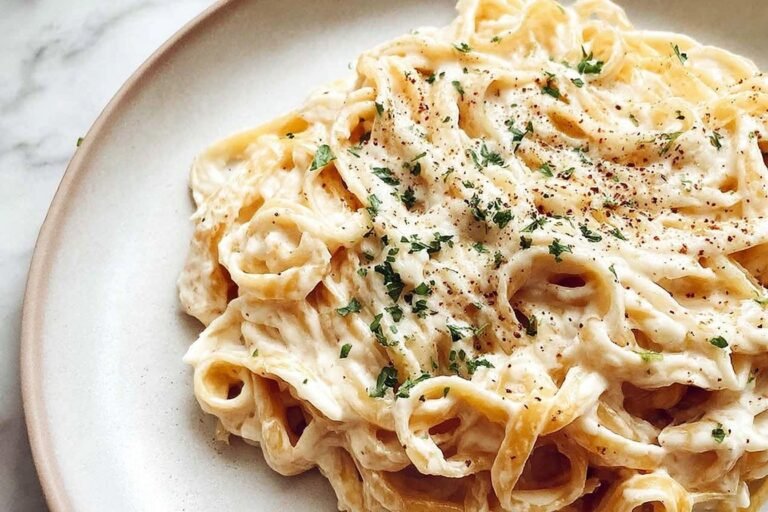
Alfredo Sauce
🍝 Rich, creamy homemade Alfredo sauce that’s far superior to jarred versions and ready in just 10 minutes
- Total Time: 10 minutes
- Yield: 4 servings 1x
Ingredients
1/2 cup butter provides richness and a silky mouthfeel
1 1/2 cups heavy cream adds body and creaminess, preventing separation when combined with cheese
2 teaspoons minced garlic brightens the sauce and rounds out the buttery base with aromatic flavor
1/2 teaspoon Italian seasoning brings an herby background note that pairs well with pasta and proteins
1/2 teaspoon salt balances and brings out the flavors
1/4 teaspoon pepper adds gentle heat and contrast against the cream
2 cups freshly grated Parmesan cheese the backbone of the sauce
Instructions
1-First Step: Mise en place Gather and measure the ingredients: 1/2 cup butter, 1 1/2 cups heavy cream, 2 teaspoons minced garlic, 1/2 teaspoon Italian seasoning, 1/2 teaspoon salt, 1/4 teaspoon pepper, and 2 cups freshly grated Parmesan cheese. Grate the cheese fresh from a block and place it in a small bowl so it’s ready to go.
2-Second Step: Warm the dairy 1. Place a large skillet or wide saucepan over low heat. 2. Add 1/2 cup butter to the skillet. Let it melt gently; do not brown. 3. Pour in 1 1/2 cups heavy cream and stir to combine. Simmer the butter and cream together over low heat for 2 minutes. Keep the temperature low so the cream does not boil; boiling can cause separation.
3-Third Step: Add aromatics and seasoning 4. Whisk in 2 teaspoons minced garlic, 1/2 teaspoon Italian seasoning, 1/2 teaspoon salt, and 1/4 teaspoon pepper. Cook for 1 minute to soften the garlic and bloom the herbs. 5. Keep the pan on low heat. If your heat is too high, reduce it further before adding cheese.
4-Fourth Step: Emulsify the cheese 6. Gradually add 2 cups freshly grated Parmesan cheese, a handful at a time, whisking continuously. Allow each addition to melt before adding more. 7. Continue whisking until the sauce is smooth and fully combined. This should take about 2 to 3 minutes.
5-Final Step: Finish and serve 8. Taste and adjust salt and pepper. If the sauce is thicker than you like, stir in a splash of reserved pasta water or a tablespoon of milk to loosen it. 9. Serve right away over freshly cooked pasta, grilled chicken, roasted shrimp, or steamed vegetables. Toss pasta directly in the skillet for even coating.
Last Step:
Please leave a rating and comment letting us know how you liked this recipe! This helps our business to thrive and continue providing free, high-quality recipes for you.Notes
🧀 Always use freshly grated Parmesan cheese for a creamy texture—avoid pre-grated varieties to prevent graininess
- Prep Time: 5 minutes
- Cook Time: 5 minutes
- Category: Sauce
- Method: Stovetop
- Cuisine: Italian-American
- Diet: Vegetarian
Nutrition
- Serving Size: 1/2 cup
- Calories: 535
- Sugar: 2g
- Sodium: 600mg
- Fat: 45g
- Saturated Fat: 28g
- Unsaturated Fat: 17g
- Trans Fat: 0g
- Carbohydrates: 10g
- Fiber: 0g
- Protein: 15g
- Cholesterol: 150mg