

Why You’ll Love This Beef Stew
By Stella Romano
My blog shares my passion for cooking by offering a variety of recipes that are simple and accessible to everyone. My ambition is to inspire readers to explore new flavors, cook with joy, and create memorable moments around the table.
- Ease of preparation: This Beef Stew uses straightforward steps and common pantry items so home cooks, busy parents, students, and working professionals can make a hearty meal without fuss. Prep time is just 20 minutes and total time is about 1 hour 30 minutes, so the beef stew comes together quickly for a weeknight or a relaxed weekend dinner.
- Health benefits: With balanced macronutrients and plenty of vegetables, this classic beef stew offers protein, fiber, and potassium. Each serving provides about 25g protein and 1105mg potassium, which helps support muscle repair and electrolyte balance. For nutrition details, see the table below.
- Versatility: This beef stew adapts to many diets and ingredients. Swap the beef for chuck roast, use gluten-free flour or cornstarch, or add extra vegetables. It fits into meal prep routines and can be scaled to serve singles or a family.
- Distinctive flavor: Browning the beef and cooking tomato paste with the aromatics builds deep savory notes. The mix of potatoes, carrots, celery, and peas gives a comforting, well-rounded taste that feels familiar and satisfying.
+ $(‘AI Agent’).item.json.output.Anchor1 +
Searing beef before adding stock develops rich, caramelized flavor that makes this beef stew taste like it simmered all day.
Essential Ingredients for Beef Stew
This ingredients list is formatted so you can shop or check your pantry quickly. Each line shows the quantity first, then the ingredient and a brief note on its role in the recipe.
- 2 pounds stewing beef (trimmed and cubed) – Main protein; tough cuts break down into tender pieces while simmering.
- 3 tablespoons flour – Coats the beef to help with browning and slightly thickens the stew base.
- 1/2 teaspoon garlic powder – Adds savory garlic flavor without the need to add fresh garlic if you’re short on time.
- 1/2 teaspoon salt – Basic seasoning; some goes in the coating and you can adjust later to taste.
- 1/2 teaspoon black pepper – Adds mild heat and depth.
- 3 tablespoons olive oil (more as needed) – For searing the beef and sautéing the onions.
- 1 chopped onion – Builds aromatic base and sweetness when softened.
- 6 cups beef broth – The liquid base that cooks the meat and vegetables; low-sodium options let you control salt.
- 1/2 cup red wine (optional) – Adds acidity and depth; you can omit or replace with extra broth.
- 1 pound potatoes (peeled and cubed) – Adds body and natural starch for a hearty texture.
- 4 carrots (cut into 1-inch pieces) – Sweetness and color; pairs well with beef.
- 4 ribs celery (cut into 1-inch pieces) – Adds aromatic crunch and savory balance.
- 3 tablespoons tomato paste – Brings concentrated tomato flavor and slight acidity for balance.
- 1 teaspoon dried rosemary (or 1 sprig fresh) – Herbaceous note; fresh rosemary can be tied to remove easily.
- 2 tablespoons cornstarch (or as needed) – For making a slurry to thicken the stew to gravy-like consistency.
- 2 tablespoons water (or as needed) – Used to make the cornstarch slurry.
- 3/4 cup peas – Added near the end for a pop of color and sweet flavor.
Special Dietary Options
- Vegan: Use hearty plant-based stew meat or cubed seitan and replace beef broth with mushroom or vegetable broth. Use tamari or coconut aminos for extra depth.
- Gluten-free: Replace the 3 tablespoons flour with a gluten-free 1:1 flour or use cornstarch to dust the beef. Use gluten-free broth if needed.
- Low-calorie: Trim visible fat from the beef, use 1-2 tablespoons oil instead of 3, and increase vegetables while reducing potatoes.
How to Prepare the Perfect Beef Stew: Step-by-Step Guide
Mise en place
First Step: Prep all ingredients. Trim and cube 2 pounds stewing beef into 1- to 2-inch pieces so they cook evenly. Peel and cube 1 pound potatoes, cut 4 carrots and 4 ribs of celery into 1-inch pieces, and chop 1 onion. Measure the 3 tablespoons flour, 1/2 teaspoon garlic powder, 1/2 teaspoon salt, and 1/2 teaspoon black pepper and combine them in a bowl to create the dredge.
Browning the beef
Second Step: Toss the beef in the flour mixture so each cube gets a light coating. Heat 3 tablespoons olive oil (or more as needed) in a large heavy-bottomed pot over medium-high heat. Shake off the excess flour before adding the meat. Brown the beef in batches to avoid steaming: place cubes in a single layer and let them sear without moving for 1-2 minutes, then turn to brown the other sides. Remove browned beef and set aside on a plate.
Sweating the aromatics and deglazing
Third Step: Reduce heat to medium and add the chopped onion to the pot. Cook until softened, about 3 minutes. If the pot is dry, add a splash of oil. Pour in 6 cups beef broth and the optional 1/2 cup red wine, scraping the bottom to release browned bits; those bits carry a lot of flavor. Bring the mixture to a simmer.
Building the stew
Fourth Step: Return the browned beef to the pot along with the potatoes, carrots, celery, 3 tablespoons tomato paste, and 1 teaspoon dried rosemary or 1 sprig fresh. Stir to combine. Reduce heat to low, cover, and simmer gently. Cook for 1 hour, checking for tenderness; if the beef is not yet tender, simmer up to 90 minutes. The long, slow simmer helps break down connective tissue and develop flavor.
Thickening and finishing
Final Step: When the beef is tender and vegetables are cooked, mix 2 tablespoons cornstarch with 2 tablespoons water to make a smooth slurry. Slowly add the slurry to the stew while bringing it to a boil, stirring constantly. Boil 1-2 minutes until the stew thickens; add more slurry if you want a thicker sauce. Stir in 3/4 cup peas and simmer 5-10 minutes until peas are heated through. Taste and adjust seasoning with salt and pepper.
Serving suggestions and timing details
This beef stew is best served hot with crusty bread, over mashed potatoes, or with buttered egg noodles. Total hands-on prep is about 20 minutes, active cooking and simmering time arrives at about 1 hour 10 minutes, and total time about 1 hour 30 minutes. If you prefer a pot pie, reduce some broth and thicken more before transferring to pie plates.

Dietary Substitutions to Customize Your Beef Stew
Protein and Main Component Alternatives
If you need to substitute the main protein, there are several good options:
- Chuck roast: A great swap for stewing beef. It has marbling and connective tissue that breaks down into tender, juicy meat.
- Brisket or round: Both are flavorful; brisket is fattier, round is leaner. Adjust simmer time for tenderness.
- Slow cooker option: Sear beef first (recommended) and then cook on low for 7-8 hours or high for 4-5 hours for a hands-off approach.
- Plant-based: Use seitan, tempeh, or hearty mushrooms like portobello or king trumpet for a vegetarian version. Replace beef broth with vegetable or mushroom broth.
Vegetable, Sauce, and Seasoning Modifications
You can change the vegetable mix and seasonings to suit seasons and tastes:
- Extra root vegetables: Parsnips, turnips, or rutabaga add sweetness and texture.
- Mushrooms: Add earthy flavor and meaty texture; sauté separately and add near the end to avoid overcooking.
- Herbs and aromatics: Swap rosemary for thyme or add a bay leaf. Fresh herbs added at the end lift the flavor.
- Thickening choices: Use the cornstarch slurry in the recipe for a clear, glossy finish. For a richer mouthfeel, mash some potatoes into the stew or make a flour-based roux before adding broth.
- Wine alternatives: Skip the red wine and add an equal amount of extra beef broth plus a splash of balsamic vinegar for acidity.
Mastering Beef Stew: Advanced Tips and Variations
Pro cooking techniques
- Brown the beef in small batches so the pan temperature stays hot and you get good caramelization. This builds layers of savory flavor.
- Deglaze the pot with wine or a portion of the broth, scraping up the fond. Those browned bits are pure flavor.
- Simmer gently on low instead of a rolling boil to keep the meat tender and prevent vegetables from turning to mush.
Flavor variations
- Herb-forward: Add a bundle of thyme, rosemary, and bay leaf for an aromatic profile.
- Umami boost: Stir in a tablespoon of Worcestershire sauce, soy sauce, or a handful of rehydrated porcini mushroom pieces and their soaking liquid.
- Smoky twist: Add a teaspoon smoked paprika for warmth and a subtle smoke note.
Presentation tips
Serve the stew in wide, shallow bowls so the rich broth cools slightly and the meat and vegetables present nicely. Garnish with chopped parsley for color and a sprinkle of coarse salt for texture.
Make-ahead options
- Make the stew a day ahead; flavors meld overnight and reheat beautifully the next day.
- Freeze in portions for quick lunches; thaw overnight in the refrigerator before reheating.
Pair this hearty main with a simple dessert from the site, such as a Berry Trifle or a light Fruit Pizza for entertaining. These internal links lead to easy desserts that complement the rich flavors of the stew.
How to Store Beef Stew: Best Practices
Refrigeration
Store cooled stew in airtight containers and keep in the refrigerator for up to 4 days. Divide into meal-sized portions for quick reheating. If you notice the stew is very thick after cooling, add a splash of broth or water when reheating to loosen the sauce.
Freezing
Freeze beef stew for up to 3 months. Cool completely, then portion into freezer-safe containers or heavy-duty freezer bags, removing excess air. Flatten bags for faster thawing and space-saving storage.
Reheating
Thaw overnight in the fridge or use the microwave defrost setting. Reheat on the stovetop over medium heat until the internal temperature reaches 165 F and the stew is hot throughout, adding a splash of broth if needed. Add peas or delicate greens fresh when reheating to keep their texture.
Meal prep considerations
- Freeze before adding delicate vegetables like peas; add them fresh when reheating.
- Label containers with the date so you can rotate frozen portions easily.
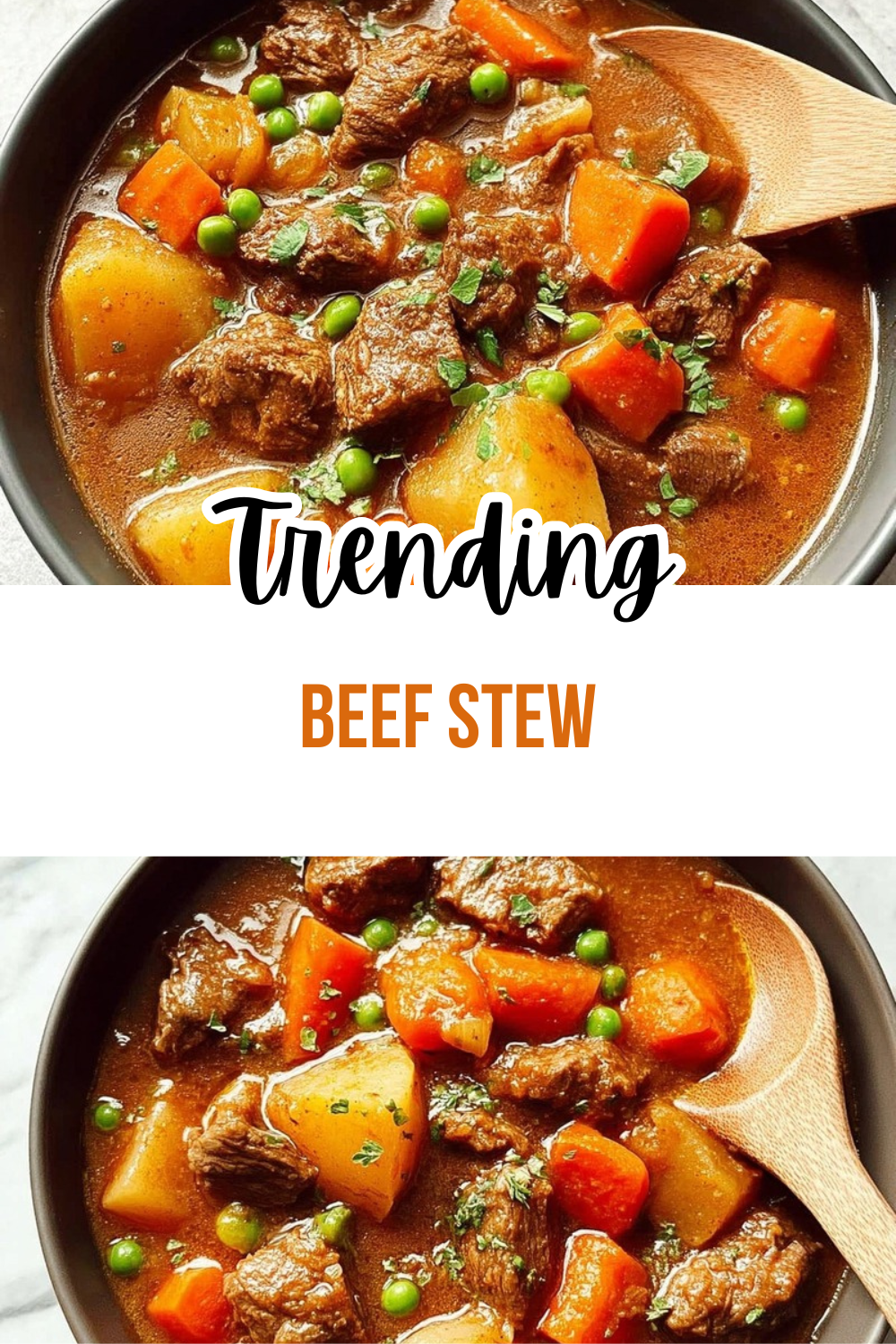
FAQs: Frequently Asked Questions About Beef Stew
What cut of beef is best for beef stew?
The best cuts for beef stew are tough, flavorful ones like chuck roast, brisket, or round steak, as they break down during slow cooking and become tender. Chuck roast is ideal because it has enough marbling to stay juicy without falling apart too much. Cut the beef into 1- to 2-inch cubes for even cooking. Avoid lean cuts like sirloin, which can dry out. Before cooking, pat the meat dry and season with salt and pepper. Sear in batches over medium-high heat in a Dutch oven with oil until browned on all sides—this locks in juices and builds flavor through the Maillard reaction. Expect 2-3 pounds for a family-sized stew serving 6-8 people. These cuts typically need 2-3 hours of simmering for tenderness.
How do you add flavor to beef stew?
Start by searing beef cubes in hot oil until deeply browned—this creates caramelization for rich, savory depth. Layer in aromatics: dice and sauté onions, garlic, carrots, and celery for 5-7 minutes. Add tomato paste and cook 2 minutes to mellow its acidity. Use low-sodium beef broth, red wine (1 cup for deglazing), Worcestershire sauce, and fresh herbs like thyme, bay leaves, and rosemary tied in a bundle. Potatoes, mushrooms, and pearl onions add earthiness. Simmer covered on low for 2-3 hours. Taste midway and adjust with salt, pepper, or a splash of balsamic vinegar. For extra umami, stir in dried porcini mushrooms soaked in hot water. This method builds complex flavors without overpowering the beef.
How do you thicken beef stew?
Thicken beef stew by mashing some potatoes and carrots directly in the pot after 90 minutes of cooking—use a potato masher for 1-2 minutes to release starches naturally. For more control, make a slurry: mix 2 tablespoons cornstarch with 2 tablespoons cold water, then stir into simmering stew. Boil 1-2 minutes until clear and thickened; add more slurry if needed. A flour roux works too—whisk 2 tablespoons flour into equal fat from the pot, cook 1 minute, then add broth gradually. Avoid over-thickening; aim for gravy-like consistency. If using a slow cooker, transfer to stovetop for slurry. This prevents a watery stew and gives a silky texture that coats the spoon perfectly.
Can you freeze beef stew?
Yes, beef stew freezes well for up to 3 months. Cool completely, then portion into freezer-safe bags or containers, removing excess air to prevent freezer burn. Flatten bags for quick thawing and space-saving. Label with date. Thaw overnight in the fridge or use the microwave defrost setting. Reheat on stovetop over medium heat, stirring until 165°F internally—add a splash of broth if thickened. Avoid repeated freeze-thaw cycles to maintain texture. Single servings are great for lunches. Potatoes may soften slightly upon reheating, but flavors intensify. For best results, freeze before adding delicate veggies like peas, adding them fresh when reheating.
Can beef stew be made in a slow cooker?
Yes, adapt beef stew for a slow cooker easily. Sear beef cubes first in a skillet for flavor (optional but recommended), then transfer to the cooker with onions, carrots, celery, garlic, potatoes, broth, wine, tomato paste, herbs, salt, and pepper. Cook on low 7-8 hours or high 4-5 hours until beef shreds easily. For thickening, mash veggies or add cornstarch slurry in the last 30 minutes on high. Chuck roast works perfectly. Avoid lifting the lid often to retain heat. This hands-off method yields tender results. Leftovers store in the fridge 4 days or freeze as noted. Serves 6-8; scale as needed for your cooker size.
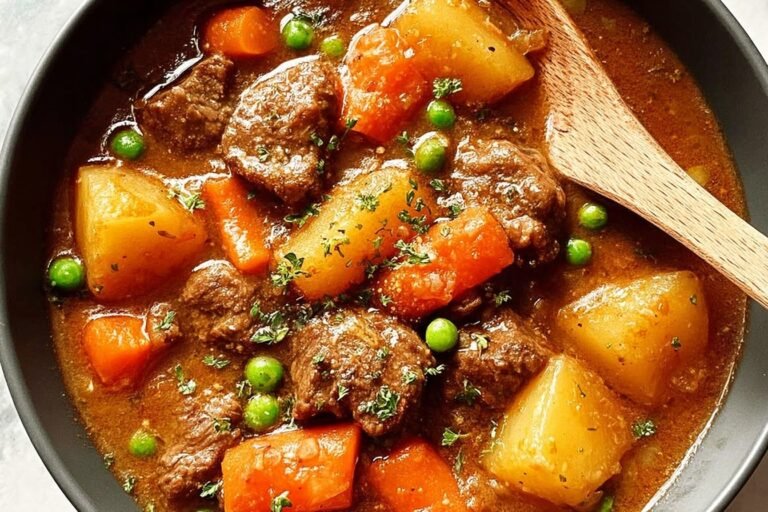
Beef Stew
🥩 Rich, hearty beef stew packed with tender meat and vegetables in a savory gravy
- Total Time: 1 hour 30 minutes
- Yield: 6-8 servings
Ingredients
– 2 pounds stewing beef for main protein
– 3 tablespoons flour for coating
– 1/2 teaspoon garlic powder for flavor
– 1/2 teaspoon salt for seasoning
– 1/2 teaspoon black pepper for heat and depth
– 3 tablespoons olive oil for searing
– 1 chopped onion for aromatic base
– 6 cups beef broth for liquid base
– 1/2 cup red wine for acidity and depth
– 1 pound potatoes for body
– 4 carrots for sweetness and color
– 4 ribs celery for aromatic crunch
– 3 tablespoons tomato paste for flavor
– 1 teaspoon dried rosemary for herbaceous note
– 2 tablespoons cornstarch for thickening
– 2 tablespoons water for slurry
– 3/4 cup peas for color and flavor
Instructions
1-First Step: Prep all ingredients. Trim and cube 2 pounds stewing beef into 1- to 2-inch pieces so they cook evenly. Peel and cube 1 pound potatoes, cut 4 carrots and 4 ribs of celery into 1-inch pieces, and chop 1 onion. Measure the 3 tablespoons flour, 1/2 teaspoon garlic powder, 1/2 teaspoon salt, and 1/2 teaspoon black pepper and combine them in a bowl to create the dredge.
2-Second Step: Toss the beef in the flour mixture so each cube gets a light coating. Heat 3 tablespoons olive oil (or more as needed) in a large heavy-bottomed pot over medium-high heat. Shake off the excess flour before adding the meat. Brown the beef in batches to avoid steaming: place cubes in a single layer and let them sear without moving for 1-2 minutes, then turn to brown the other sides. Remove browned beef and set aside on a plate.
3-Third Step: Reduce heat to medium and add the chopped onion to the pot. Cook until softened, about 3 minutes. If the pot is dry, add a splash of oil. Pour in 6 cups beef broth and the optional 1/2 cup red wine, scraping the bottom to release browned bits; those bits carry a lot of flavor. Bring the mixture to a simmer.
4-Fourth Step: Return the browned beef to the pot along with the potatoes, carrots, celery, 3 tablespoons tomato paste, and 1 teaspoon dried rosemary or 1 sprig fresh. Stir to combine. Reduce heat to low, cover, and simmer gently. Cook for 1 hour, checking for tenderness; if the beef is not yet tender, simmer up to 90 minutes. The long, slow simmer helps break down connective tissue and develop flavor.
5-Final Step: When the beef is tender and vegetables are cooked, mix 2 tablespoons cornstarch with 2 tablespoons water to make a smooth slurry. Slowly add the slurry to the stew while bringing it to a boil, stirring constantly. Boil 1-2 minutes until the stew thickens; add more slurry if you want a thicker sauce. Stir in 3/4 cup peas and simmer 5-10 minutes until peas are heated through. Taste and adjust seasoning with salt and pepper.
Last Step:
Please leave a rating and comment letting us know how you liked this recipe! This helps our business to thrive and continue providing free, high-quality recipes for you.Notes
🥩 Searing beef before adding stock develops flavor through caramelization
- Prep Time: 20 minutes
- Cook Time: 1 hour 10 minutes
- Category: Main Course
- Method: Stovetop
- Cuisine: American
- Diet: Non-vegetarian
Nutrition
- Serving Size: 1 serving
- Calories: 444
- Sugar: 4g
- Sodium: 383mg
- Fat: 28g
- Saturated Fat: 9g
- Unsaturated Fat: 19g
- Trans Fat: 0g
- Carbohydrates: 22g
- Fiber: 4g
- Protein: 25g
- Cholesterol: 80mg