

Why You’ll Love This How To Peel Eggs
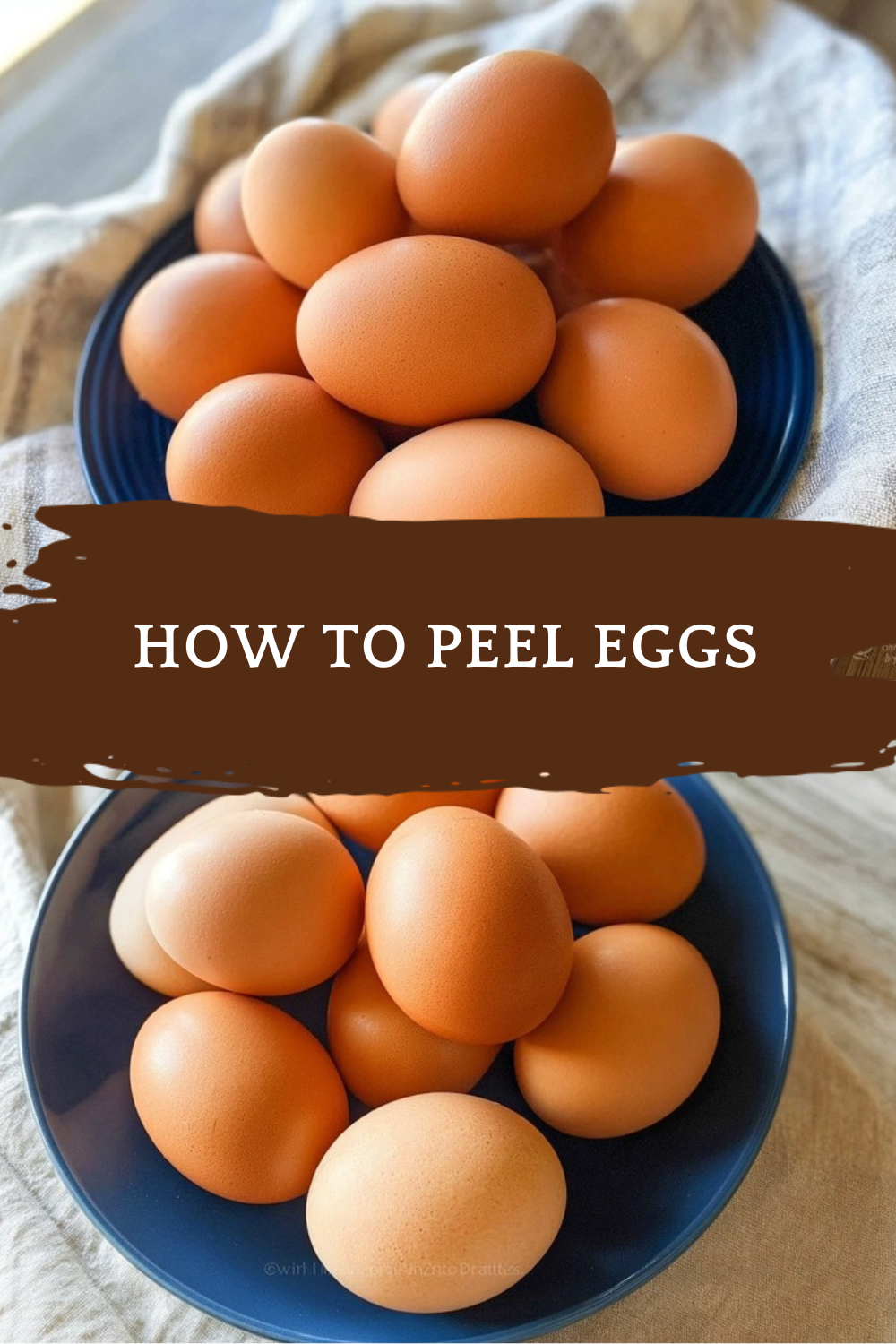
If you make hard boiled eggs at home, learning how to peel eggs cleanly is a small skill that pays off every time you reach for one. I cook eggs often for quick breakfasts and meal prep, and a few simple tricks turned peel-time from frustrating to fast. Here are the main reasons this method works and why you’ll want to use it.
- Ease of preparation: The method uses plain equipment and straightforward steps so you can peel eggs in minutes. With a short cooking time and a quick ice bath, the process is fast and reliable, making it great for busy mornings and last-minute salads.
- Health benefits: Hard boiled eggs are a lean protein source with vitamins and minerals. Knowing how to peel eggs without wasting whites means you get more of the food and value. This helps with portion control and keeps the nutrition intact for simple meals.
- Versatility: Once you know how to peel eggs well, they work in countless dishes. From a quick snack to topping a salad or making deviled eggs, the same peeling technique fits many dietary needs like low-carb, keto, or protein-focused meals.
- Distinctive results: Cleanly peeled eggs look better on the plate and are easier to slice or mash. That little difference improves presentation for guests or a packed lunch, and it saves time when you need neat halves for deviled eggs or slices for sandwiches.
Throughout this post you’ll find practical steps on how to peel eggs, plus tips I use at home. The goal is simple: less fuss, more perfectly peeled eggs every time.
Essential Ingredients for How To Peel Eggs
Below is a clear, structured list of the ingredients required for making and peeling hard boiled eggs. Quantities are given for a typical home batch of 6 eggs; scale up or down as needed.
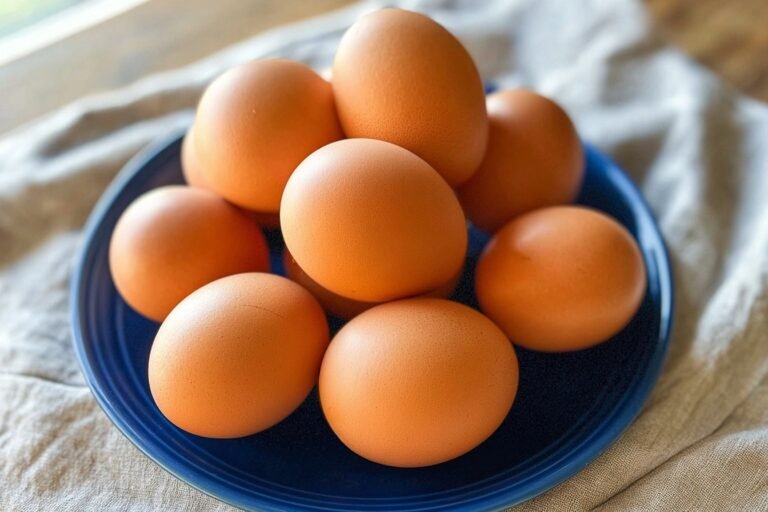
- 6 large eggs – the main ingredient; slightly older eggs peel more easily
- Enough water to cover eggs by about 1 inch (approximately 6 cups) – for boiling or steaming
- 1 teaspoon salt (optional) – added to the boiling water to help make peeling a bit easier and to season slightly
- 1 teaspoon baking soda (optional) – some cooks use this instead of salt to raise pH and help loosen shells
- Ice cubes, about 2 cups – for an ice bath to cool eggs rapidly after cooking
Special Dietary Options:
- Vegan: No direct plant-based substitute for eggs for peeling practice; try chickpea flour “aquafaba” techniques for egg-free recipes.
- Gluten-free: All ingredients listed are naturally gluten-free.
- Low-calorie: Hard boiled eggs are already low in calories for a high-protein snack; use them plain or with light seasonings.
How to Prepare the Perfect How To Peel Eggs: Step-by-Step Guide
Below is a stepwise guide to cook and peel eggs with timing and temperature suggestions. I write these steps in a practical order so you can follow along while cooking. Make sure your tools are ready: a pot, steamer basket (optional), slotted spoon, bowl for ice bath, and a timer.
First Step: Prep and choose the right eggs
First Step: Gather your ingredients and tools. Use eggs that are 7 to 14 days old if possible; slightly older eggs peel much easier because the membrane separates a little from the white. Place 6 large eggs in a single layer in a pot or prepare your steamer basket. Fill the pot with cold water to cover eggs by about 1 inch (about 6 cups for 6 eggs). Add 1 teaspoon salt or 1 teaspoon baking soda if you like; both are optional. Set a bowl with 2 cups of ice cubes and cold water nearby for an ice bath.
Second Step: Boil or steam carefully
Second Step: Heat the water. For boiling, bring the pot to a gentle boil over medium-high heat. Once boiling, lower the heat to maintain a gentle simmer and start timing. For a classic hard boiled egg with a fully set yolk, simmer for 12 minutes. If you prefer steaming (my go-to for cleaner peeling, especially with fresher eggs), bring about 1 inch of water to a rolling boil, place eggs in a steamer basket, cover, and steam for 12 to 15 minutes. Steaming gives more even heat and often yields smoother separation between shell and membrane.
Third Step: Shock in an ice bath
Third Step: Immediately transfer eggs to the ice bath using a slotted spoon and let them chill for 5 to 10 minutes. The ice cubes cool the eggs quickly and cause the egg white to contract slightly away from the shell. This step is a key to learning how to peel eggs cleanly; skipping it usually causes sticking and torn whites.
Fourth Step: Crack and roll to loosen shell
Fourth Step: Crack each egg by tapping it gently on the counter until you create a network of small cracks all over the shell. Roll the egg gently with your palm on the countertop to loosen the shell from the membrane. Start peeling from the wider, fat end where the air pocket sits; this is usually the easiest place to get under the membrane. If you prefer, peel under a gentle stream of cool running water to help slide bits of shell away.
Fifth Step: Use the spoon trick for stubborn eggs
Fifth Step: If shells cling, use a spoon. Slip a teaspoon under the cracked shell at the fat end and rotate the spoon around the curve to separate shell and membrane. This tool approach reduces damage to the white. Peel with short, gentle strokes; for neat halves, keep the egg chilled until just before slicing.
Final Step: Serve and store
Final Step: Rinse peeled eggs to remove small shell pieces, then pat dry. Serve immediately, slice for salads, or store in the refrigerator up to 5 days. For packing, place peeled eggs in a sealed container lined with a damp paper towel to prevent drying. Try pairing halved eggs with a light dressing or use in a shrimp salad for a protein boost. You can find a simple shrimp salad recipe here: shrimp salad recipe. For a simple dressing idea, pair with a tangy vinaigrette like this balsamic vinaigrette.
Timing and temperature quick reference
| Method | Time | Heat | Cooling |
|---|---|---|---|
| Boiling | 12 minutes at gentle simmer | Medium-high to maintain simmer | 5-10 minutes in ice bath |
| Steaming | 12-15 minutes over boiling water | Rolling boil under basket | 5-10 minutes in ice bath |
One simple trick I’ve found is to let hard boiled eggs sit in an ice bath right after cooking this cools them quickly and makes peeling much less frustrating.

Dietary Substitutions to Customize Your How To Peel Eggs
Protein and Main Component Alternatives
Eggs are a versatile protein, but sometimes you need a swap. If you’re avoiding eggs entirely, use these alternatives depending on the dish:
- For salads and sandwiches: Firm tofu slices or smoked tempeh work as a protein replacement. Press and chill tofu so it holds shape like a sliced hard boiled egg.
- For deviled egg-style spreads: Use mashed chickpeas or mashed white beans mixed with a little aquafaba and mustard to get a similar creamy texture.
- For egg-free baking or binding: Use flax “eggs” (1 tablespoon ground flaxseed + 3 tablespoons water per egg) though they won’t peel or look like real eggs.
Vegetable, Sauce, and Seasoning Modifications
Adjust seasonings and add-ins to match diets and seasons:
- Low-sodium: Skip the optional salt in the boiling water and use low-sodium toppings like plain yogurt mixed with herbs instead of mayonnaise.
- Low-calorie: Pair sliced eggs with lots of greens, cucumber, and a squeeze of lemon rather than heavy dressings.
- Flavor boosts: Add smoked paprika, chopped chives, or a sprinkle of everything bagel seasoning for interest without many calories.
These swaps keep your meals flexible while still letting you apply the same peeling techniques to eggs or egg-like alternatives used in salads and spreads.
Mastering How To Peel Eggs: Advanced Tips and Variations
Once you have the basics, a few pro tricks will make peeling nearly foolproof and let you experiment with flavors and make-ahead strategies.
Pro cooking techniques
- Use a wide, shallow pot that lets eggs sit in a single layer; crowded eggs heat unevenly and may crack during cooking.
- For very fresh eggs from backyard hens, steam instead of boil: steaming works better with fresher eggs because heat is gentler and separates the membrane more predictably.
- Try the cold-water crack method: after ice bath, crack and return eggs to cold water for a minute. Water seeps under the shell and helps lift it away.
Flavor variations
Hard boiled eggs are a blank slate season them simply or turn them into small dishes:
- Simple snack: Cut in half, sprinkle with sea salt, black pepper, and a dusting of smoked paprika.
- Herb mash: Mash yolks with Greek yogurt, Dijon mustard, chopped dill, and lemon zest for a lighter deviled egg filling.
- Pickled eggs: Peel then place whole eggs in a jar with vinegar, beet juice for color, and spices. Let sit at least 24 hours for flavor.
Presentation tips
Neat visuals make a home meal feel special:
- Slice eggs with a thin, sharp knife and wipe between cuts for clean halves.
- Use egg molds for cute shapes when serving to kids.
- Garnish with microgreens, a pinch of flaky salt, or a drizzle of extra virgin olive oil for a simple plate.
Make-ahead options
Hard boiled eggs are perfect for prepping ahead. Peel and store them in a sealed container in the fridge for up to 5 days. If you plan to make deviled eggs, keep yolk filling separate until the day of serving to retain a fresher texture. For picnic-ready salads, keep dressing on the side until serving.
How to Store How To Peel Eggs: Best Practices
Storing hard boiled eggs properly keeps them safe and tasting their best. Here are short-term and long-term tips for refrigeration, freezing, reheating, and meal prep.
Refrigeration
Store whole, unpeeled hard boiled eggs in the refrigerator for up to 1 week from the day you boiled them. If peeled, place eggs in a sealed container with a damp paper towel or a little water to keep whites from drying out; replace the water every day if stored that way.
Freezing
Freezing peeled whole eggs is not recommended because whites become rubbery. However, mashed yolks freeze well for later use in sauces or fillings. Label and freeze yolks in small portions for up to 3 months.
Reheating
Reheat gently by placing refrigerated peeled eggs in warm (not boiling) water for a few minutes to avoid overcooking and becoming sulfurous. For dishes that include eggs, reheat at low temperature to maintain texture.
Meal prep considerations
If you’re batch-cooking, cool eggs fully in an ice bath before storing. Keep peeled eggs separate from strong-smelling foods in the fridge to avoid flavor transfer. Hard boiled eggs are a great protein to prep for lunches and can be added to soups like a potato-leek soup for a heartier meal; try this comforting soup for cooler nights: potato leek soup.
FAQs: Frequently Asked Questions About How To Peel Eggs
How do you peel hard boiled eggs easily?
Peeling hard boiled eggs is simple with these steps: Use eggs that are 7-10 days old for better results, as their pH rises and the membrane pulls away from the white. Boil or steam for 12-15 minutes, then transfer immediately to an ice bath for 5-10 minutes to contract the egg and loosen the shell. Gently roll each egg on a countertop to crack the shell all over without breaking the white. Start peeling from the wider, fat end where the air pocket is. Peel under cool running water to slide off bits of shell and membrane. If stubborn, use a spoon to gently scoop under the membrane. This method works 90% of the time, even with store-bought eggs. Avoid peeling too soon while hot, as it causes sticking. (92 words)
Does the age of an egg matter for peeling hard boiled eggs?
Yes, egg age significantly impacts peeling ease. Fresh eggs (laid within a few days) have a low pH and tight membrane clinging to the egg white, making shells hard to remove. Eggs stored 7-21 days develop higher pH from carbon dioxide loss, causing the white to shrink slightly and separate from the membrane. In North America, grocery store eggs are typically 1-4 weeks old at purchase, so they’re often peelable without issues. Test by checking your carton date—aim for older ones nearing expiration (but not rotten). For very fresh farm eggs, steam instead of boil. This natural process explains why restaurant eggs peel effortlessly. Store eggs in the fridge pointed-end down to preserve air pocket size. (108 words)
Is steaming eggs better than boiling for easy peeling?
Steaming often beats boiling for peeling, especially fresh eggs. Place eggs in a steamer basket over 1 inch of boiling water, cover, and steam 12-15 minutes for medium yolks. The even heat prevents overcooking the white’s surface proteins that glue the membrane. Immediately plunge into ice water. Tests show steamed eggs peel 2-3 times faster than boiled ones, with 80% cleaner results per home experiments. Boiling can cause uneven heat and sticking if crowded. Steam works for up to a dozen eggs without waterlogging. After cooling, peel warm for best separation. Compare: boiled eggs average 30% membrane tears; steamed drop to 10%. Great for batch cooking salads or deviled eggs. (112 words)
How does using a spoon help peel hard boiled eggs?
A spoon simplifies peeling by acting as a precise tool to lift shell and membrane without damaging the egg. After cracking and rolling the egg, hold it in one hand and slide a teaspoon’s edge under a shell piece at the fat end. Gently scrape or chisel in short strokes, keeping the spoon cupped against the curve. This separates layers cleanly where fingers slip. Use a regular teaspoon—not too sharp—to avoid gouges. Peel under water to keep it moist. Home cooks report 50% less frustration and smoother whites. Pro tip: Fashion a “shell spoon” from the broken top if needed. Ideal for beginners or tricky spots near the bottom. Practice on one egg first. (104 words)
Why won’t my hard boiled eggs peel easily and how to fix it?
Hard-to-peel eggs usually result from freshness, cooking errors, or no shock cooling. Fresh eggs stick due to tight membranes; use week-old ones. Over- or under-boiling toughens whites—aim for 12 minutes at a gentle simmer. Skipping an ice bath (5+ minutes) lets heat set the glue-like proteins. Fix by steaming next time: 15 minutes over boiling water, then ice. Post-crack, soak cracked eggs in cold water 1-2 minutes to loosen bits. Roll firmly to spiderweb cracks. Vinegar or baking soda myths don’t help and can alter taste. For perfect results 95% of the time, combine age, steam, and ice. Link to our steaming guide for visuals. Refrigerate peeled eggs up to 5 days in water. (116 words)
How To Peel Eggs
🥚 Say goodbye to frustrating egg peeling with this foolproof method that works every time
✨ Perfect hard boiled eggs with smooth shells that slide right off for beautiful results
- Total Time: 27 minutes
- Yield: 12 eggs 1x
Ingredients
6 large eggs the main ingredient
enough water to cover eggs by about 1 inch (approximately 6 cups) for boiling or steaming
1 teaspoon salt added to the boiling water to help make peeling a bit easier and to season slightly
1 teaspoon baking soda to raise pH and help loosen shells
ice cubes about 2 cups for an ice bath to cool eggs rapidly after cooking
Instructions
1-First Step: Prep and choose the right eggs
First Step: Gather your ingredients and tools. Use eggs that are 7 to 14 days old if possible; slightly older eggs peel much easier because the membrane separates a little from the white. Place 6 large eggs in a single layer in a pot or prepare your steamer basket. Fill the pot with cold water to cover eggs by about 1 inch (about 6 cups for 6 eggs). Add 1 teaspoon salt or 1 teaspoon baking soda if you like; both are optional. Set a bowl with 2 cups of ice cubes and cold water nearby for an ice bath.
2-Second Step: Boil or steam carefully
Second Step: Heat the water. For boiling, bring the pot to a gentle boil over medium-high heat. Once boiling, lower the heat to maintain a gentle simmer and start timing. For a classic hard boiled egg with a fully set yolk, simmer for 12 minutes. If you prefer steaming (my go-to for cleaner peeling, especially with fresher eggs), bring about 1 inch of water to a rolling boil, place eggs in a steamer basket, cover, and steam for 12 to 15 minutes. Steaming gives more even heat and often yields smoother separation between shell and membrane.
3-Third Step: Shock in an ice bath
Third Step: Immediately transfer eggs to the ice bath using a slotted spoon and let them chill for 5 to 10 minutes. The ice cubes cool the eggs quickly and cause the egg white to contract slightly away from the shell. This step is a key to learning how to peel eggs cleanly; skipping it usually causes sticking and torn whites.
4-Fourth Step: Crack and roll to loosen shell
Fourth Step: Crack each egg by tapping it gently on the counter until you create a network of small cracks all over the shell. Roll the egg gently with your palm on the countertop to loosen the shell from the membrane. Start peeling from the wider, fat end where the air pocket sits; this is usually the easiest place to get under the membrane. If you prefer, peel under a gentle stream of cool running water to help slide bits of shell away.
5-Fifth Step: Use the spoon trick for stubborn eggs
Fifth Step: If shells cling, use a spoon. Slip a teaspoon under the cracked shell at the fat end and rotate the spoon around the curve to separate shell and membrane. This tool approach reduces damage to the white. Peel with short, gentle strokes; for neat halves, keep the egg chilled until just before slicing.
6-Final Step: Serve and store
Final Step: Rinse peeled eggs to remove small shell pieces, then pat dry. Serve immediately, slice for salads, or store in the refrigerator up to 5 days. For packing, place peeled eggs in a sealed container lined with a damp paper towel to prevent drying. Try pairing halved eggs with a light dressing or use in a shrimp salad for a protein boost. You can find a simple shrimp salad recipe here: shrimp salad recipe. For a simple dressing idea, pair with a tangy vinaigrette like this balsamic vinaigrette.
Last Step:
Please leave a rating and comment letting us know how you liked this recipe! This helps our business to thrive and continue providing free, high-quality recipes for you.Notes
🥄 Adding baking soda to the water raises the pH level and makes eggs easier to peel
❄️ The ice bath shock stops the cooking process and creates steam between the shell and membrane
🕐 Older eggs (1-2 weeks old) are easier to peel than very fresh eggs
- Prep Time: 5 minutes
- Cooling Time: 10 minutes
- Cook Time: 12 minutes
- Category: Technique
- Method: Boiling
- Cuisine: Universal
- Diet: Regular
Nutrition
- Serving Size: 1 egg
- Calories: 78
- Sugar: 0
- Sodium: 62
- Fat: 5
- Saturated Fat: 2
- Unsaturated Fat: 2
- Trans Fat: 0
- Carbohydrates: 1
- Fiber: 0
- Protein: 6
- Cholesterol: 187