

Why You’ll Love This Balsamic Glaze
This balsamic glaze recipe is a game-changer for anyone who loves adding a touch of sweet and tangy flavor to their meals. It’s incredibly easy to whip up, using just a few simple ingredients that you probably already have in your kitchen. With its quick preparation time of about 15 minutes, it’s perfect for busy home cooks who want something special without spending hours in the kitchen.
One of the best things about this glaze is its health benefits. Made from balsamic vinegar, it’s packed with antioxidants that support digestion and offer a low-calorie alternative to richer sauces. As natural ingredients come together in this recipe, you get a boost of wellness without any added sugars or preservatives, making it a smart choice for diet-conscious individuals.
The versatility of balsamic glaze is truly impressive. You can use it on salads, meats, vegetables, fruits, or even desserts, and it fits seamlessly into various dietary needs like vegan or gluten-free lifestyles. This adaptability means it’s not just a condiment but a flexible addition that can enhance any meal, inspiring you to get creative in the kitchen.
Beyond that, the distinctive flavor of this glaze stands out with its rich, tangy sweetness. It adds a burst of taste that makes everyday dishes feel exciting and gourmet. Whether you’re drizzling it over grilled veggies or using it as a dressing, this glaze brings everything together in a delicious way.
Why It’s Perfect for Everyday Use
For home cooks and busy parents, the ease of making this glaze at home saves time and money. Imagine preparing a batch in just a few minutes and having it ready for your next family dinner. This simple process encourages everyone, from students to working professionals, to experiment with flavors without feeling overwhelmed.
Let’s not forget how it supports a healthy lifestyle. With natural elements like balsamic vinegar providing key nutrients, it’s a lighter option that fits well into balanced diets. Plus, its customizability allows for adjustments based on preferences, making it accessible for all skill levels.
Including tips from the recipe summary, such as using good quality balsamic vinegar, ensures the best results every time. This glaze can be scaled as needed, yielding about 1/3 cup, so you can make just enough for one meal or stock up for the week. Overall, it’s a staple that adds joy to cooking and helps create those memorable moments around the table.
Essential Ingredients for Balsamic Glaze
Gathering the right ingredients is key to making a delicious balsamic glaze. This section focuses on the essentials from the recipe summary, ensuring you have everything needed for a simple and effective preparation. By listing them out clearly, you’ll find it easy to follow along and adjust based on your needs.
- 1 cup balsamic vinegar – This serves as the base, providing the tangy flavor and acidity that defines the glaze.
- 1/2 tablespoon honey (optional, adjust for sweetness preference) – This adds a touch of sweetness to balance the vinegar’s sharpness, and you can omit it for savory dishes or increase it for sweeter applications like fruits.
These ingredients keep the recipe straightforward and minimal, aligning with the summary’s details. Remember, good quality balsamic vinegar is crucial for the best results, as mentioned in the tips.
Special Dietary Options
The recipe is naturally versatile. For vegan options, stick with honey alternatives if needed, though honey is optional. It’s also gluten-free by default, so just ensure your kitchen setup avoids cross-contamination. This makes it ideal for diet-conscious readers looking for healthy, adaptable choices.
To expand, while the summary lists these basics, you might add a pinch of salt if desired for enhanced flavor, as noted in other parts of the provided information. Always measure precisely to get that perfect consistency.
How to Prepare the Perfect Balsamic Glaze: Step-by-Step Guide
Making balsamic glaze at home is straightforward and rewarding. Start by following the directions from the recipe summary for a foolproof result. This guide combines those steps with additional insights to help you create a glaze that yields about 1/3 cup, perfect for enhancing salads, meats, vegetables, fruits, or desserts.
- Pour the balsamic vinegar into a saucepan and add the honey if you’re using it. This sets the base for your glaze, mixing the tangy vinegar with a hint of sweetness.
- Bring the mixture to a low boil, then reduce the heat to a simmer. Keep an eye on it to ensure even reduction without burning.
- Simmer for 12 to 15 minutes, stirring occasionally, until it reduces by at least half and lightly coats the back of a spoon. Remember, it will thicken further as it cools, so don’t overdo it.
- Transfer the glaze to an airtight container, allow it to cool to room temperature, then refrigerate for up to 3 to 4 weeks. This step ensures it’s ready for future use and stays fresh.
The total preparation time is approximately 15 minutes, making it ideal for quick kitchen sessions. As you simmer, the flavors concentrate, creating that signature sweet and tangy sauce. For added depth, consider the nutritional info per 1 tablespoon serving: 51 calories, 10g carbohydrates, 9g sugar, 0.3g protein, 12mg sodium, 58mg potassium, 0.004g fiber, 0.01mg vitamin C, 14mg calcium, and 0.4mg iron.
Tips for Smooth Preparation
When preparing, use a good quality balsamic vinegar as recommended to achieve the best flavor. If the glaze becomes too thick, gently heat it and thin with a little water. Simmering time may vary with pan size, so a wider pan reduces faster keep stirring to avoid burning.
Here, you might want to check out a berry trifle recipe on our site for ideas on using this glaze with fruits. It’s a great way to incorporate sweet elements into your cooking.

Dietary Substitutions to Customize Your Balsamic Glaze
Customizing your balsamic glaze allows it to fit various preferences and restrictions. From the recipe summary, the base is simple, but you can swap ingredients to make it your own. This keeps the glaze versatile for everyone from home cooks to those with specific dietary needs.
For protein alternatives, replace traditional meats with firm tofu or tempeh when using the glaze in meals. If you’re leaning towards lean options, chicken or fish pairs wonderfully with this tangy sauce.
- Swap standard vegetables like zucchini or bell peppers with seasonal ones such as asparagus or eggplant for a fresh twist.
- Enhance the glaze with additions like garlic powder, smoked paprika, or chili flakes to vary the flavor.
- Use monk fruit or coconut sugar instead of honey for different dietary requirements, keeping it low-calorie or vegan-friendly.
These changes ensure the glaze remains accessible, drawing from the summary’s tips on sweetness adjustments. For instance, omit honey for savory dishes or add more for fruits, making it easy for baking enthusiasts to experiment.
Why These Substitutions Work
Substitutions help maintain the glaze’s core appeal while adapting to diverse tastes. As noted, preparing in advance lets it thicken properly, so try these tweaks for memorable meals. This approach aligns with the blog’s goal of inspiring joyful cooking.
Mastering Balsamic Glaze: Advanced Tips and Variations
Once you’re comfortable with the basics, take your balsamic glaze to the next level with some advanced techniques. Start by reducing the vinegar slowly over low heat to build deeper, more complex flavors, as suggested in the recipe summary. This method ensures a rich, syrupy texture without any risk of burning.
For flavor variations, add a splash of fresh orange juice, a touch of soy sauce, or infused chili peppers to create unique profiles. Presentation is key too drizzle the glaze artistically over dishes and garnish with fresh herbs or edible flowers for an eye-catching finish.
| Variation | Ingredients to Add | Best For |
|---|---|---|
| Herbal Infusion | Fresh rosemary or thyme | Meats and vegetables |
| Citrus Twist | Orange juice | Salads and fruits |
| Spicy Kick | Chili flakes | Grilled dishes |
Make-ahead options are a big plus; prepare the glaze in advance and store it in an airtight container for up to two weeks. This is especially helpful for busy parents or working professionals, saving time on weeknights.
Pro Tips for Success
If you double the recipe, allow for extra simmering time as per the summary. Also, explore our fruit pizza recipe for fun ways to use this glaze on desserts. These expert tips make balsamic glaze a versatile kitchen staple that enhances any meal.
How to Store Balsamic Glaze: Best Practices
Proper storage keeps your balsamic glaze fresh and flavorful for weeks. From the recipe summary, transfer the cooled glaze to an airtight container and refrigerate it for up to 3 to 4 weeks. Using a glass container helps preserve the taste, as plastic might affect the flavor over time.
For longer storage, avoid freezing since it can alter the texture and flavor, as warned in the tips. If the glaze thickens in the fridge, gently warm it before use to restore its pourable consistency. This makes it convenient for meal prep, allowing you to portion it out for quick additions to your dishes.
Daily Storage Tips
Always use clean utensils when scooping the glaze to prevent contamination. For those preparing larger batches, consider the summary’s advice on simmering adjustments to ensure even results. By following these practices, your glaze stays a reliable ingredient for everyday cooking.
FAQs: Frequently Asked Questions About Balsamic Glaze
What is balsamic glaze and how is it made?
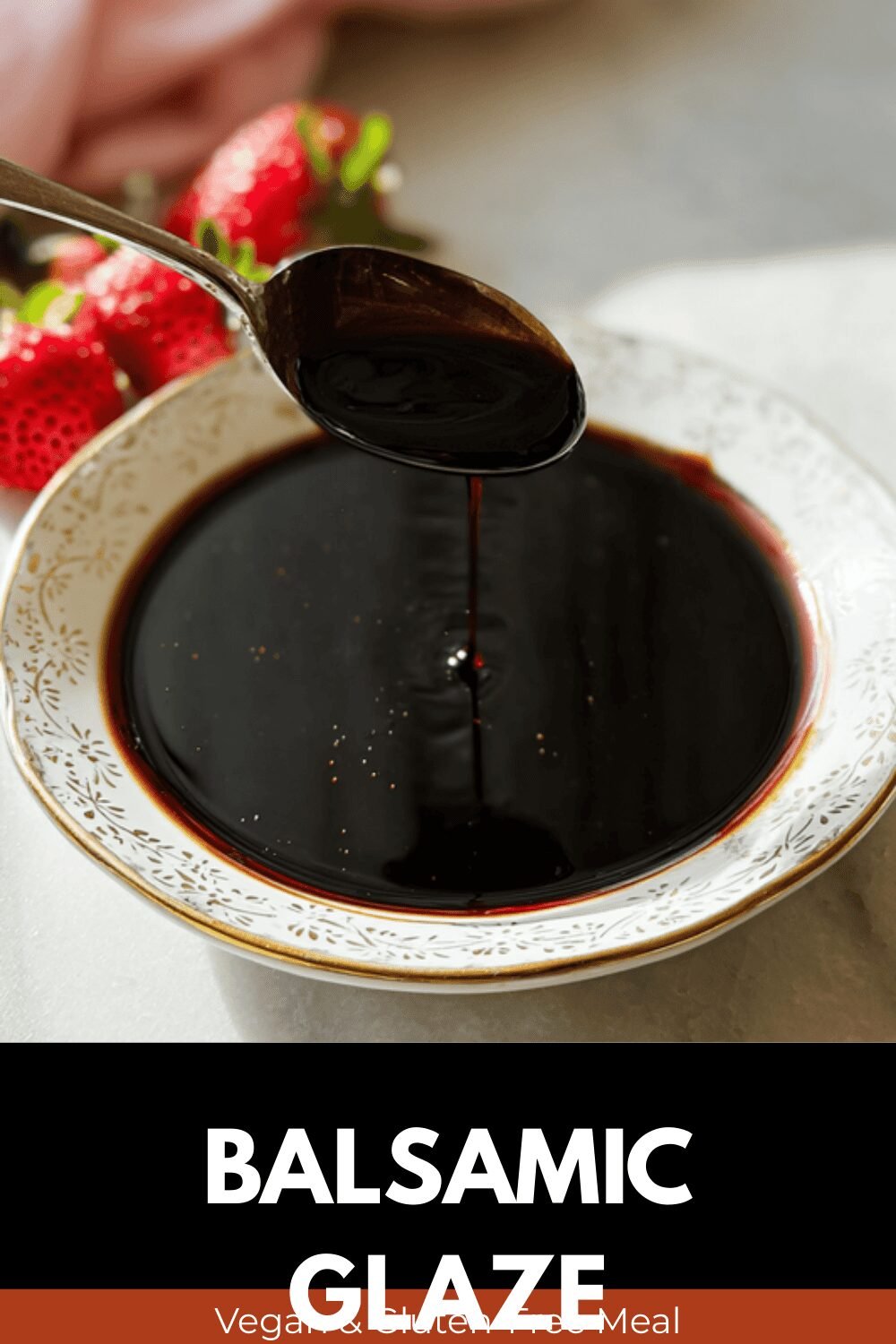
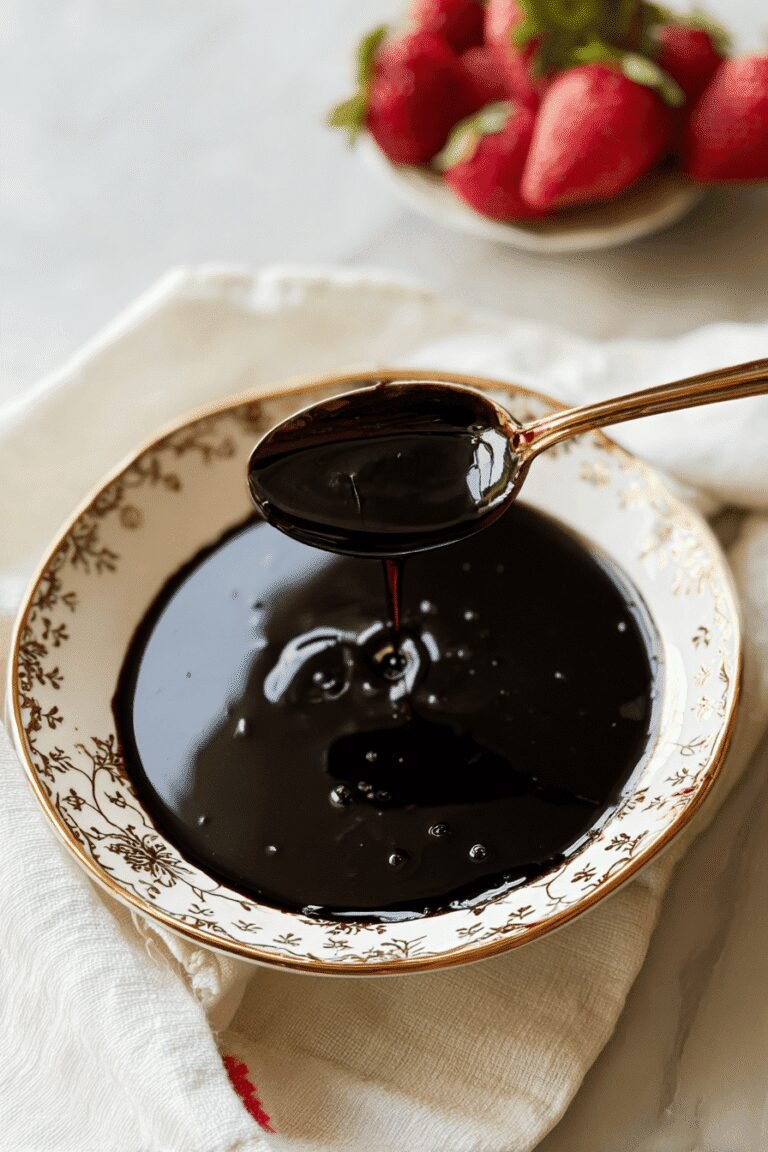
Balsamic glaze is a thick, syrupy sauce made by simmering balsamic vinegar until it reduces and concentrates in flavor. Often, a sweetener like honey or sugar is added during the simmering process to balance the vinegar’s acidity. The reduction process typically takes 12-15 minutes until the liquid thickens enough to coat the back of a spoon. It’s commonly used to add a sweet and tangy finish to dishes.
Which type of balsamic vinegar should I use to make balsamic glaze?
For making balsamic glaze, balsamic vinegar of Modena is the best choice. It offers a good balance of quality, flavor, and affordability. Avoid traditional balsamic vinegar, as it is pricey and meant to be consumed as is. Commercial varieties with artificial additives can compromise taste, so sticking to authentic Modena balsamic vinegar yields the best results.
How can I fix balsamic glaze if it becomes too thick?
If your balsamic glaze thickens too much, gently reheat it over low heat and stir in small amounts of water to thin it to the desired consistency. Avoid overheating or boiling it again because this can cause the glaze to burn, which ruins the flavor and cannot be corrected.
What are common foods that pair well with balsamic glaze?
Balsamic glaze pairs well with a variety of foods, including salads, grilled meats like chicken and steak, roasted vegetables, and fresh fruits such as strawberries or peaches. It also works as an unexpected topping for desserts like vanilla ice cream. Its sweet and tangy flavor complements many dishes by adding depth and brightness.
How should I store homemade balsamic glaze to keep it fresh?
After the balsamic glaze cools completely, transfer it to an airtight glass container and refrigerate. Stored this way, it can last for 3 to 4 weeks. Avoid freezing, as freezing can alter the texture and flavor. When ready to use, if the glaze hardens in the fridge, gently warm it in a bowl of warm water to return it to a pourable state.
Balsamic Glaze
🍷 Enhance your dishes with this homemade balsamic glaze that delivers a perfect balance of sweet and tangy flavor.
👌 This versatile glaze is easy to make and adds sophistication to salads, meats, vegetables, and even desserts.
- Total Time: 15 minutes
- Yield: About 1/3 cup
Ingredients
– 1 cup balsamic vinegar for base, providing tangy flavor and acidity
– 1/2 tablespoon honey (optional) to add a touch of sweetness
Instructions
1-Pour the balsamic vinegar into a saucepan and add the honey if you’re using it. This sets the base for your glaze, mixing the tangy vinegar with a hint of sweetness.
2-Bring the mixture to a low boil, then reduce the heat to a simmer. Keep an eye on it to ensure even reduction without burning.
3-Simmer for 12 to 15 minutes, stirring occasionally, until it reduces by at least half and lightly coats the back of a spoon. Remember, it will thicken further as it cools, so don’t overdo it.
4-Transfer the glaze to an airtight container, allow it to cool to room temperature, then refrigerate for up to 3 to 4 weeks. This step ensures it’s ready for future use and stays fresh.
Last Step:
Please leave a rating and comment letting us know how you liked this recipe! This helps our business to thrive and continue providing free, high-quality recipes for you.Notes
🍯 Use a good quality balsamic vinegar for best flavor results.
💧 If the glaze becomes too thick, gently warm it and thin with a little water.
⏱️ Simmering time varies with pan size; using a wider pan will reduce the glaze faster.
- Cook Time: 15 minutes
- Category: Sauce
- Method: Simmering
- Cuisine: Italian
- Diet: Vegan
Nutrition
- Serving Size: 1 tablespoon
- Calories: 51
- Sugar: 9g
- Sodium: 12mg
- Fat: 0g
- Saturated Fat: 0g
- Carbohydrates: 10g
- Fiber: 0g
- Protein: 0.3g
- Cholesterol: 0mg






I tried this balsamic glaze recipe yesterday and it turned out amazing! I drizzled it over roasted veggies and it added such a perfect tangy sweetness. Do you think it would hold up well as a marinade, or is it best used as a finishing drizzle?