
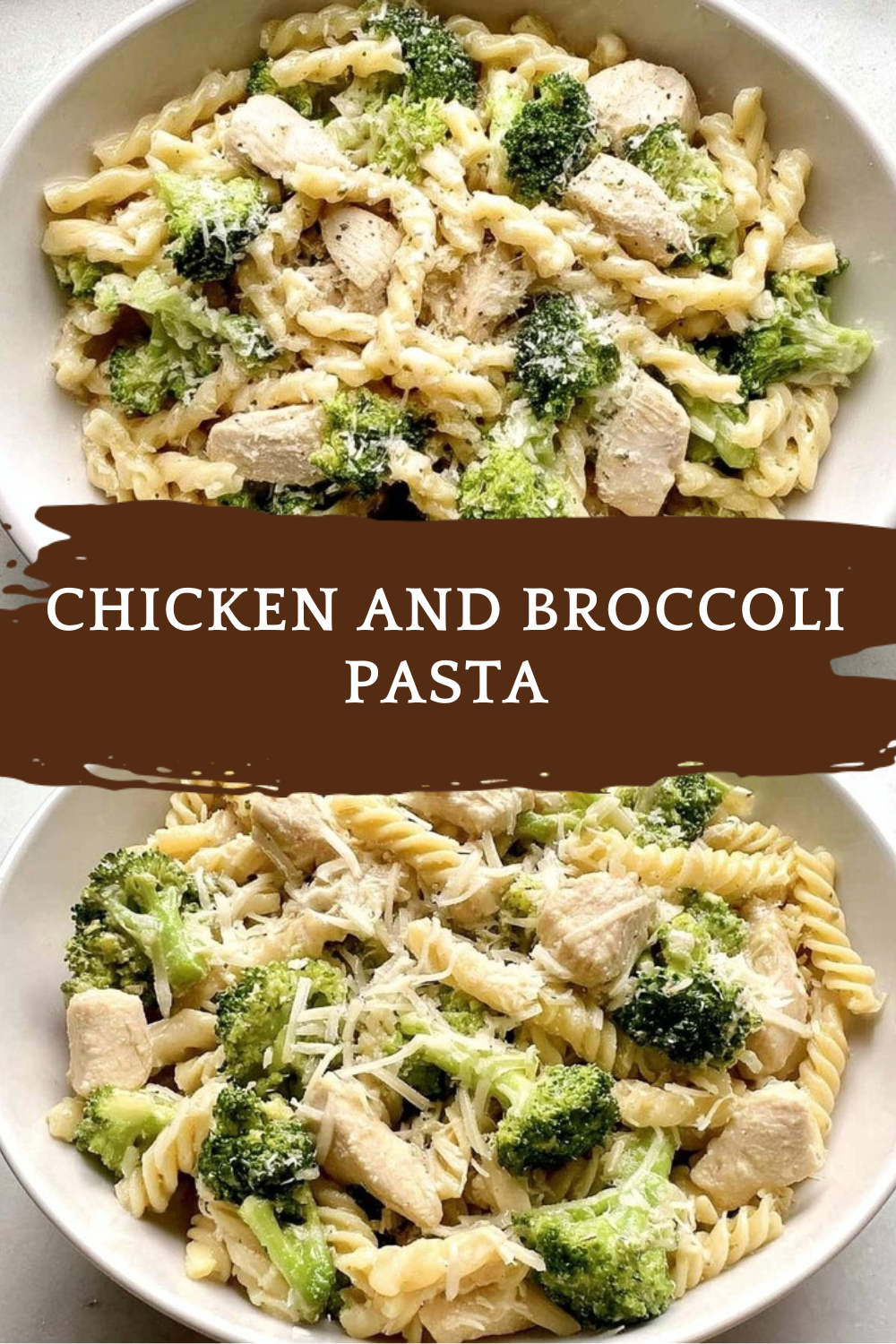
Why You’ll Love This Chicken And Broccoli Pasta
Welcome! I’m Stella Romano, and on Kitchen Coast I share my passion for cooking with simple, accessible recipes that bring joy to the table. This Chicken And Broccoli Pasta is one of those weeknight winners: quick to make, comforting, and packed with flavor.
- Ease of preparation: Chicken And Broccoli Pasta comes together in about 45 minutes total (15 minutes prep, 30 minutes cook). With simple steps like searing the chicken, simmering a quick cream sauce, and boiling penne with broccoli, this chicken broccoli pasta is friendly for busy parents, students, and working professionals.
- Health benefits: This chicken broccoli pasta balances protein, vegetables, and carbohydrates. Chicken offers lean protein while broccoli provides fiber, vitamin C, and potassium. If you want more on chicken nutrition, read this resource: + $(‘AI Agent’).item.json.output.Anchor1 +.
- Versatility: The recipe adapts easily: swap penne for a gluten-free pasta, use chicken broth instead of wine, or replace chicken with a plant-based protein. The flexible approach makes this chicken and broccoli pasta suitable for many diets.
- Distinctive flavor: Tangy lemon, a touch of hot sauce, mustard powder, and a mix of Parmesan and Asiago create a sauce that tastes bright and savory. Those browned bits from searing the chicken add extra depth to the sauce.
Start by seasoning your chicken with a good lemon pepper blend, then sear it until it’s golden brown. Those browned bits in the pan will give your sauce an extra boost of flavor.
Essential Ingredients for Chicken And Broccoli Pasta
Below is a clear, structured list of every ingredient with measurements and a short note on purpose or benefit. Use this checklist when you shop or prep.
- 1 large boneless skinless chicken breast – main protein, sliced into bite-size pieces for quick cooking
- Lemon pepper seasoning (for chicken) – bright, zesty seasoning for the chicken; balances the cream sauce
- 2 tablespoons olive oil – for searing chicken; adds a light, fruity base fat
- 1/2 cup dry white wine (or chicken broth as alternative) – deglazes the pan and adds acidity; chicken broth works if avoiding alcohol
- 3 tablespoons butter – builds a silky sauce base and rounds flavors
- 3 cloves garlic – fresh minced garlic gives aromatic depth
- 2 tablespoons flour – thickens the sauce into a smooth roux
- 3/4 cup chicken broth – adds savory liquid and balances creaminess
- 1 1/4 cups half and half – creates a rich, creamy sauce without being overly heavy
- 1 teaspoon hot sauce – adds tang and subtle depth without making the dish overtly spicy
- 2 1/2 cups broccoli florets – bright vegetable component; adds fiber and color
- 3/4 cup Parmesan cheese – primary cheese for salty, nutty flavor and melting into the sauce
- 1/4 cup Asiago cheese (or all Parmesan) – adds a sharper, tangy note; use all Parmesan if preferred
- 1/2 pound penne pasta – holds the sauce well and pairs with broccoli and chicken
- 2 teaspoons freshly squeezed lemon juice – brightens the sauce and balances cream
- 1 teaspoon Italian seasonings – herb blend for an aromatic backbone
- 1/2 teaspoon mustard powder – a hidden flavor booster that lifts the sauce
- Pinch of red pepper flakes (optional) – for a gentle warmth if you like a little heat
Special Dietary Options
- Vegan: Replace chicken with firm tofu or tempeh; swap butter for vegan butter and half and half for a plant-based cream (oat or soy), and use nutritional yeast plus vegan Parmesan for flavor.
- Gluten-free: Use gluten-free penne and replace the 2 tablespoons flour with a gluten-free flour blend or cornstarch slurry (mix 1 tablespoon cornstarch with 2 tablespoons water) to thicken the sauce.
- Low-calorie: Use a light evaporated milk or half-and-half diluted with low-fat milk, reduce butter to 1 tablespoon, and increase broccoli for volume. Swap regular pasta for a high-fiber legume pasta to boost protein and fiber.
How to Prepare the Perfect Chicken And Broccoli Pasta: Step-by-Step Guide
This step-by-step section walks you through every stage, with timing, temperatures, and helpful notes for substitutions and common adjustments. I have broken long sections into subheadings for clarity.
First Step: Prep and Mise en Place
Gather and measure all ingredients. Cut the chicken into 3/4-inch pieces so it cooks quickly and evenly. Grate the Parmesan and Asiago from wedges for best melting (avoid pre-grated cheese when possible). Mince the garlic and measure your dry wine or chicken broth. Bring a large pot of salted water to a boil for the pasta.
Second Step: Season the Chicken and Sear
Combine the seasoning ingredients (Italian seasonings, mustard powder, pinch of red pepper flakes if using) in a small bowl and set aside. Sprinkle lemon pepper over the chicken pieces to taste. Heat 2 tablespoons olive oil in a large skillet over medium-high heat. When the oil shimmers, add the chicken in a single layer and cook for 2-3 minutes per side until golden brown and cooked through. Remove the chicken from the pan and set aside on a plate. Those browned bits left in the skillet are full of flavor for the sauce.
Third Step: Deglaze and Build the Sauce
Reduce heat to medium. Pour 1/2 cup dry white wine into the hot skillet and scrape up the browned bits from the bottom with a wooden spoon; reduce the wine by about half (this usually takes 2-4 minutes). If you prefer not to use wine, substitute 1/2 cup chicken broth instead and skip the alcohol.
Once reduced, add 3 tablespoons butter and 3 cloves minced garlic to the pan. Cook for about 1 minute until fragrant but not browned. Sprinkle in 2 tablespoons flour and stir continuously for 1-2 minutes to cook the raw flour taste. This forms the roux that will thicken the sauce.
Fourth Step: Add Liquids and Seasonings
Slowly pour in 3/4 cup chicken broth in small splashes while whisking or stirring to avoid lumps. Then add 1 1/4 cups half and half the same way, little by little, stirring until the sauce is smooth. Add 1 teaspoon hot sauce (or to taste) and the reserved seasoning mix (Italian seasonings, 1/2 teaspoon mustard powder, pinch of red pepper flakes if using). Bring the sauce to a gentle boil, then reduce heat to a simmer and partially cover the skillet so it can thicken slightly.
Fifth Step: Cook Pasta and Broccoli
- Add 1/2 pound penne to the boiling salted pasta water and cook until al dente according to package directions.
- When the pasta has about 4 minutes remaining, add 2 1/2 cups broccoli florets to the boiling water (for frozen broccoli, add during the last 3 minutes; see FAQ).
- Drain pasta and broccoli together well to keep extra water from thinning the sauce.
Sixth Step: Finish the Sauce with Cheese
Reduce sauce heat to low. Slowly stir in 3/4 cup grated Parmesan and 1/4 cup grated Asiago (or use all Parmesan if preferred), adding a little at a time and stirring until smooth. Take the skillet off the heat and stir in 2 teaspoons freshly squeezed lemon juice to brighten flavors. Add the seared chicken back into the pan.
Final Step: Combine and Serve
Toss the drained penne and broccoli into the skillet with the sauce and chicken. Mix gently to coat everything evenly. Taste and adjust salt and black pepper if needed. Serve immediately with extra grated Parmesan at the table.
Prep time: 15 minutes. Cook time: 30 minutes. Total time: 45 minutes.

Dietary Substitutions to Customize Your Chicken And Broccoli Pasta
Protein and Main Component Alternatives
If you need to swap the chicken, here are some reliable options that work well in this creamy pasta format:
- Tofu or tempeh: Press and cube firm tofu, then season and sear until golden. Use the same method as chicken for pan time, but watch closely since tofu browns faster.
- Shrimp: Add peeled shrimp to the skillet after the sauce is ready and cook 2-3 minutes until opaque. Shrimp pairs wonderfully with lemon and garlic.
- Plant-based chicken: Use store-bought plant-based chicken strips; add them in the final minutes just to heat through.
Vegetable, Sauce, and Seasoning Modifications
Broccoli is classic here, but other vegetables also work depending on season and taste:
- Asparagus: Trim and cut into 1-2 inch pieces; add during the last 3-4 minutes of pasta cooking.
- Peas and spinach: Stir in fresh spinach at the end to wilt; frozen peas can be added with the broccoli.
- Sauces: For a lighter sauce, reduce half and half and replace some with low-sodium chicken broth. For a richer sauce, add a splash of heavy cream.
Mastering Chicken And Broccoli Pasta: Advanced Tips and Variations
Try these tips to take the dish a step further or to adapt it for special occasions.
Pro cooking techniques
- Sear chicken in a hot pan without overcrowding; a crowded pan causes steaming and prevents good browning.
- Deglaze with wine or broth right after searing to capture fond (brown bits) for the sauce.
- Add cheese off the heat or on very low heat to avoid the sauce becoming grainy from overheating.
Flavor variations
- Garlic-lemon: Increase lemon zest and juice for a brighter finish, plus an extra clove of garlic for punch.
- Smoky: Substitute half the Parmesan with smoked gouda or add a small amount of smoked paprika to the seasoning mix.
- Herb-forward: Stir in fresh basil or parsley just before serving.
Presentation tips
- Serve in shallow bowls and garnish with a sprinkle of grated Asiago, a few basil leaves, and a twist of lemon zest.
- For family-style service, present the pasta in a large serving dish with extra cheese at the side.
Make-ahead options
- Cook the chicken and prepare the sauce ahead, cool, and refrigerate separately from the pasta. Reheat the sauce gently and toss with freshly cooked pasta for best texture.
- When freezing, undercook pasta slightly so it does not become mushy when reheated from frozen.
Looking for a simple dessert to pair with this dinner? Try a light fruit option like berry trifle or a fun fruit pizza like fruit pizza to finish the meal with a sweet, fresh note.
How to Store Chicken And Broccoli Pasta: Best Practices
Follow these storage tips to keep leftovers tasty and safe.
Refrigeration
Place cooled leftovers in an airtight container and refrigerate for up to 3 days. Portioning into single servings makes reheating faster and safer. Label containers with the date for easy tracking.
Freezing
Freeze in airtight, freezer-safe containers for up to 3 months. For best texture, slightly undercook the pasta before freezing and freeze in meal-sized portions. Thaw in the refrigerator overnight before reheating.
Reheating
The stovetop gives the best texture: reheat over medium-low heat with 1-2 tablespoons milk or cream per serving, cover and stir until hot (about 5-7 minutes; target internal temp 165 F). Microwave in short intervals if needed, stirring between each burst to avoid hot spots.
Meal prep considerations
For weekly meal prep, keep the sauce and pasta separate in the fridge. Reheat sauce and add freshly cooked pasta to keep the texture pleasing. If freezing, cool food within two hours to reduce bacterial growth.
FAQs: Frequently Asked Questions About Chicken And Broccoli Pasta
Can I use frozen broccoli in chicken broccoli pasta?
Yes, frozen broccoli works great in chicken broccoli pasta and saves time on prep. It’s already blanched, so add it directly to the boiling pasta water during the last 3 minutes of cooking instead of 4 minutes for fresh broccoli. This keeps it tender without turning mushy. Drain well before tossing with the chicken and sauce to avoid excess water diluting the creamy texture. For best results, thaw it slightly first if clumped, and pat dry. This substitution maintains the dish’s fresh flavor and nutrition—frozen broccoli retains most vitamins. Use about 12-16 ounces for a standard recipe serving 4-6 people. It’s a convenient option for busy weeknights.
Does hot sauce make chicken broccoli pasta spicy?
No, the hot sauce in chicken broccoli pasta adds a subtle tang and depth without making it spicy. It acts as a flavor booster, balancing the cream and lemon with a mild kick—typically 1-2 teaspoons for the whole recipe won’t overpower the dish. If you’re sensitive to heat, start with half the amount or skip it entirely; the pasta still tastes rich and savory from Parmesan, garlic, and herbs. Taste the sauce before serving and adjust. This keeps the recipe family-friendly while enhancing umami. Hot sauce varieties like Frank’s RedHot work best due to their vinegar base, which cuts through richness without dominating.
How do you store chicken broccoli pasta leftovers?
Store chicken broccoli pasta leftovers in an airtight container in the fridge for up to 3 days, or freeze for up to 3 months to keep it fresh. Portion into single servings before cooling completely at room temperature (no more than 2 hours) to prevent bacterial growth. The cream sauce may separate slightly upon reheating, but stirring revives it. Label containers with dates for easy tracking. Freezing works best if you undercook the pasta slightly beforehand for better texture post-thaw. Avoid microwaving large batches straight from the fridge to prevent uneven heating—opt for stovetop instead. This method preserves flavor and safety for quick meals.
What’s the best way to reheat chicken broccoli pasta?
Reheat chicken broccoli pasta in a skillet over medium-low heat for the best results, restoring its creamy consistency and preventing sogginess. Add 1-2 tablespoons of milk or cream per serving, cover, and stir occasionally for 5-7 minutes until hot (internal temp 165°F). If frozen, thaw overnight in the fridge first. Microwave works in a pinch: cover loosely, heat in 1-minute intervals, stirring between, but it can dry out the pasta. Avoid high heat to keep broccoli tender and sauce smooth. Freshly grate extra Parmesan on top post-reheat for added flavor. This stovetop method mimics the original dish’s texture perfectly.
How do you add lemon juice to chicken broccoli pasta sauce without curdling?
Turn off the heat before adding lemon juice to chicken broccoli pasta sauce to prevent curdling—residual warmth emulsifies it smoothly. Stir in 2-3 tablespoons slowly while whisking continuously for even distribution. Use fresh lemon juice for bright flavor; bottled can be more acidic and risky. If the sauce is very hot, temper the juice by mixing it with a bit of room-temp cream first. This keeps the sauce velvety and prevents separation. Aim for 1 tablespoon per cup of sauce, tasting as you go. Pro tip: grate zest from half a lemon into the sauce earlier for extra aroma without extra acid. Results in a silky, zesty finish every time.
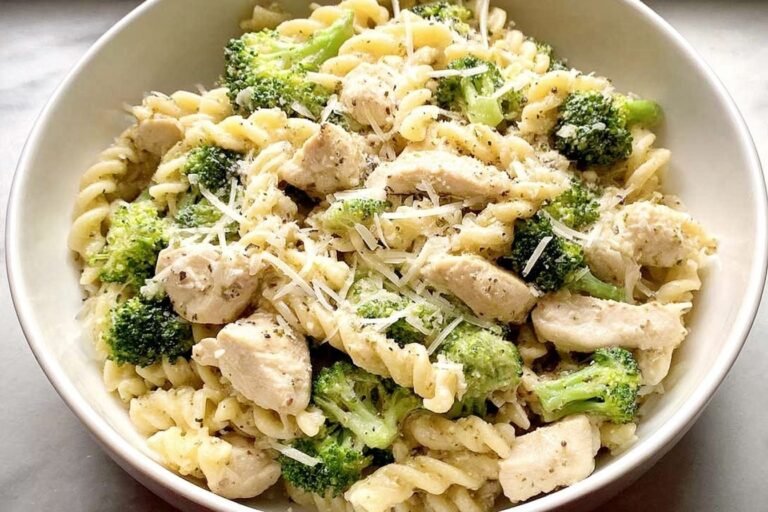
Chicken And Broccoli Pasta
🍗 Creamy and satisfying one-pot pasta dish that combines tender chicken with nutritious broccoli in a rich cheese sauce
- Total Time: 45 minutes
- Yield: 4 servings
Ingredients
– 1 large boneless skinless chicken breast main protein
– Lemon pepper seasoning bright, zesty seasoning for the chicken
– 2 tablespoons olive oil for searing chicken
– 1/2 cup dry white wine deglazes the pan and adds acidity
– 3 tablespoons butter builds a silky sauce base
– 3 cloves garlic fresh minced garlic gives aromatic depth
– 2 tablespoons flour thickens the sauce into a smooth roux
– 3/4 cup chicken broth adds savory liquid
– 1 1/4 cups half and half creates a rich, creamy sauce
– 1 teaspoon hot sauce adds tang and subtle depth
– 2 1/2 cups broccoli florets bright vegetable component
– 3/4 cup Parmesan cheese primary cheese for salty, nutty flavor
– 1/4 cup Asiago cheese adds a sharper, tangy note
– 1/2 pound penne pasta holds the sauce well
– 2 teaspoons freshly squeezed lemon juice brightens the sauce
– 1 teaspoon Italian seasonings herb blend for an aromatic backbone
– 1/2 teaspoon mustard powder a hidden flavor booster
– Pinch of red pepper flakes for a gentle warmth
Instructions
1-First Step: Prep and Mise en Place Gather and measure all ingredients. Cut the chicken into 3/4-inch pieces so it cooks quickly and evenly. Grate the Parmesan and Asiago from wedges for best melting (avoid pre-grated cheese when possible). Mince the garlic and measure your dry wine or chicken broth. Bring a large pot of salted water to a boil for the pasta.
2-Second Step: Season the Chicken and Sear Combine the seasoning ingredients (Italian seasonings, mustard powder, pinch of red pepper flakes if using) in a small bowl and set aside. Sprinkle lemon pepper over the chicken pieces to taste. Heat 2 tablespoons olive oil in a large skillet over medium-high heat. When the oil shimmers, add the chicken in a single layer and cook for 2-3 minutes per side until golden brown and cooked through. Remove the chicken from the pan and set aside on a plate. Those browned bits left in the skillet are full of flavor for the sauce.
3-Third Step: Deglaze and Build the Sauce Reduce heat to medium. Pour 1/2 cup dry white wine into the hot skillet and scrape up the browned bits from the bottom with a wooden spoon; reduce the wine by about half (this usually takes 2-4 minutes). If you prefer not to use wine, substitute 1/2 cup chicken broth instead and skip the alcohol. Once reduced, add 3 tablespoons butter and 3 cloves minced garlic to the pan. Cook for about 1 minute until fragrant but not browned. Sprinkle in 2 tablespoons flour and stir continuously for 1-2 minutes to cook the raw flour taste. This forms the roux that will thicken the sauce.
4-Fourth Step: Add Liquids and Seasonings Slowly pour in 3/4 cup chicken broth in small splashes while whisking or stirring to avoid lumps. Then add 1 1/4 cups half and half the same way, little by little, stirring until the sauce is smooth. Add 1 teaspoon hot sauce (or to taste) and the reserved seasoning mix (Italian seasonings, 1/2 teaspoon mustard powder, pinch of red pepper flakes if using). Bring the sauce to a gentle boil, then reduce heat to a simmer and partially cover the skillet so it can thicken slightly.
5-Fifth Step: Cook Pasta and Broccoli * Add 1/2 pound penne to the boiling salted pasta water and cook until al dente according to package directions. * When the pasta has about 4 minutes remaining, add 2 1/2 cups broccoli florets to the boiling water (for frozen broccoli, add during the last 3 minutes; see FAQ). * Drain pasta and broccoli together well to keep extra water from thinning the sauce.
6-Sixth Step: Finish the Sauce with Cheese Reduce sauce heat to low. Slowly stir in 3/4 cup grated Parmesan and 1/4 cup grated Asiago (or use all Parmesan if preferred), adding a little at a time and stirring until smooth. Take the skillet off the heat and stir in 2 teaspoons freshly squeezed lemon juice to brighten flavors. Add the seared chicken back into the pan.
7-Final Step: Combine and Serve Toss the drained penne and broccoli into the skillet with the sauce and chicken. Mix gently to coat everything evenly. Taste and adjust salt and black pepper if needed. Serve immediately with extra grated Parmesan at the table.
Last Step:
Please leave a rating and comment letting us know how you liked this recipe! This helps our business to thrive and continue providing free, high-quality recipes for you.Notes
🧀 Grate cheese from wedges instead of using pre-grated cheese for better melting and taste, Parmesan and Asiago recommended
- Prep Time: 15 minutes
- Cook Time: 30 minutes
- Category: Main Course
- Method: Stovetop
- Cuisine: Italian-American
- Diet: Non-vegetarian
Nutrition
- Serving Size: 1 serving
- Calories: 647
- Sugar: 6g
- Sodium: 780mg
- Fat: 33g
- Saturated Fat: 16g
- Unsaturated Fat: 14g
- Trans Fat: 1g
- Carbohydrates: 57g
- Fiber: 4g
- Protein: 27g
- Cholesterol: 87mg