

Why You’ll Love This Chicken Lo Mein
Have you ever craved that authentic Chinese takeout flavor but wanted something you could whip up quickly at home? This chicken lo mein recipe brings all the excitement of a restaurant meal right to your kitchen, mixing tender noodles with savory chicken and fresh veggies. It’s perfect for anyone from busy parents to food enthusiasts looking for a satisfying dinner without the fuss.
One reason this chicken lo mein stands out is its ease of preparation. This dish offers simplicity and quick cooking time, making it an ideal choice for busy weeknight dinners, with basic ingredients and straightforward steps to get a flavorful meal ready in under 30 minutes. I remember my first time making it during a hectic week, and it turned out so well that it became a staple in my rotation. Packed with lean chicken breast and fresh vegetables, this recipe provides a balanced meal rich in protein, vitamins, and minerals, supporting wellness by boosting your diet with nutrients like those from cabbage and carrots.
Plus, it’s incredibly versatile for different lifestyles, as you can customize it with gluten-free noodles or vegan options like tofu to suit dietary needs. The combination of savory soy sauce, aromatic garlic, and a hint of sesame oil creates a distinctive flavor that stands out from standard noodle dishes, offering that balance of sweet and salty notes for pure satisfaction. For more on how chicken fits into a healthy diet, check out National Chicken Council’s nutrition guide.
Benefits for Your Daily Routine
This chicken lo mein isn’t just tasty; it fits into various daily routines. Whether you’re a student rushing between classes or a working professional needing a quick meal, the straightforward steps make it accessible. Opting for low-sodium soy sauce and whole wheat noodles can enhance the nutritional profile, promoting heart health and energy levels. It’s adaptable for families too, allowing tweaks based on what’s in your fridge.
From my experience, sharing this dish with friends has created memorable moments around the table, just like my blog promises. If you’re exploring new flavors, this recipe is a fantastic starting point, blending classic elements with easy home cooking.
Essential Ingredients for Chicken Lo Mein
Gathering the right ingredients is key to making a delicious chicken lo mein that tastes like it came from your favorite spot. This section lists everything you need, focusing on fresh, simple items that bring out the best flavors. Start by checking your pantry and fridge to ensure you have it all ready.
Main Ingredients List
- 1 pound lo mein noodles (uncooked or pre-cooked)
- 8 oz. boneless skinless chicken thighs or chicken breast, thinly sliced
- 2 teaspoons cornstarch
- 2 teaspoons water (for chicken marinade)
- 2 teaspoons oil (plus more for cooking)
- 1 teaspoon oyster sauce
- 2 tablespoons hot water
- 1/8 teaspoon salt
- 1/8 teaspoon sugar
- 1 tablespoon light soy sauce
- 4 teaspoons dark soy sauce
- 1 teaspoon sesame oil
- 1/8 teaspoon white pepper
- 1 clove garlic, minced
- 4 cups shredded cabbage
- 2 medium carrots, julienned (about 1 1/2 cups)
- 1 tablespoon Shaoxing wine or dry sherry cooking wine
- 2 cups bean sprouts
- 2 scallions, julienned
This structured list ensures you have every item with precise measurements, making it easy to follow and shop for. Each ingredient plays a role in creating that perfect balance of flavors and textures.
Special Dietary Options
If you have specific dietary needs, don’t worry this recipe is flexible. For instance, replace chicken with firm tofu for a vegan twist, or use rice noodles if you’re going gluten-free. I often adjust based on what’s available, and it still turns out great, keeping the dish accessible and enjoyable for everyone.
How to Prepare the Perfect Chicken Lo Mein: Step-by-Step Guide
Ready to dive into making this tasty dish? Follow these steps for a foolproof chicken lo mein that rivals any takeout. The process is straightforward, starting with prepping your ingredients to ensure everything cooks evenly and quickly.
- If using uncooked lo mein noodles, boil according to package instructions until al dente, rinse with warm water, and drain well. If pre-cooked, bring noodles to room temperature.
- Marinate the chicken by mixing chicken strips with cornstarch, water, oil, and oyster sauce in a medium bowl. Set aside for a few minutes to let the flavors soak in.
- Prepare the sauce by dissolving salt and sugar in hot water, then add light soy sauce, dark soy sauce, sesame oil, and white pepper for that authentic taste.
- Heat 2 tablespoons of oil in a wok over high heat. Sear the chicken until browned, then remove and set aside to keep it juicy.
- Add additional oil to the wok, sauté minced garlic for 10 seconds, then stir-fry cabbage and carrots for one minute. Pour cooking wine around the edge of the wok to enhance the aroma.
- Return chicken and noodles to the wok, pour the sauce over and stir from the bottom for about 30 seconds to coat everything evenly.
- Reduce heat to medium, cover the wok and cook for one minute to let the flavors meld.
- Remove cover and stir-fry noodles. If they seem dry, add 1/4 cup water or stock, continuing to stir-fry until noodles are slippery and heated through.
- Add bean sprouts and scallions, stir-fry for an additional minute to keep them crisp and fresh.
- Serve immediately for the best texture and taste. The total preparation time is approximately 30 minutes, excluding boiling uncooked noodles, which adds 10-15 minutes.
When I make this, I always focus on high heat to keep things quick and flavorful, just like in a real kitchen. For more dessert ideas to pair with your meal, try this berry trifle recipe on my blog.
Tips for Better Results
To get that restaurant-quality flavor, stir-fry quickly on high heat to keep vegetables crisp. Use yellow egg noodles for the best texture, and remember to add water if needed to maintain that slippery noodle feel.

Dietary Substitutions to Customize Your Chicken Lo Mein
One of the best parts of this chicken lo mein is how easy it is to tweak for different tastes or needs. Whether you’re vegan or watching your sodium, small changes can make a big difference without losing that delicious flavor.
- Swap chicken with firm tofu, tempeh, or seitan for vegan and vegetarian options.
- Use shrimp or beef strips if you want a different protein source.
- Opt for rice noodles or gluten-free alternatives for those avoiding gluten.
- Substitute soy sauce with tamari or coconut aminos to cut down on sodium.
- Add chili paste for a spicy kick or fresh herbs like cilantro for extra freshness.
For more on vegetable benefits, see the benefits of cabbage as an overlooked superfood. This flexibility lets you adapt the recipe to your lifestyle seamlessly.
Mastering Chicken Lo Mein: Advanced Tips and Variations
Once you’re comfortable with the basics, try these advanced tips to elevate your chicken lo mein game. Using high heat and preheating your wok can add that special ‘wok hei’ flavor, making your dish feel truly authentic.
Flavor variations might include adding hoisin sauce for richness or crushed peanuts for crunch, which I love for a personal touch. Presentation is key too serve in deep bowls with fresh herbs and sesame seeds to make it look as good as it tastes. For make-ahead meals, prepare ingredients separately and combine later to keep everything fresh.
Creative Changes for Fun
If you’re feeling adventurous, experiment with different veggies or proteins to keep things exciting. These techniques make every meal unique, perfect for food enthusiasts looking to impress.
How to Store Chicken Lo Mein: Best Practices
Leftovers from this chicken lo mein don’t have to go to waste if stored properly. Store in an airtight container in the fridge for up to 3-4 days, cooling it first to maintain quality. For longer storage, freeze in portions for 1-2 months without losing much flavor.
When reheating, use a skillet with a bit of water to keep noodles from drying out. For meal prep, keep sauce and noodles separate until serving to preserve that fresh taste, as per the tips for storing leftovers effectively.
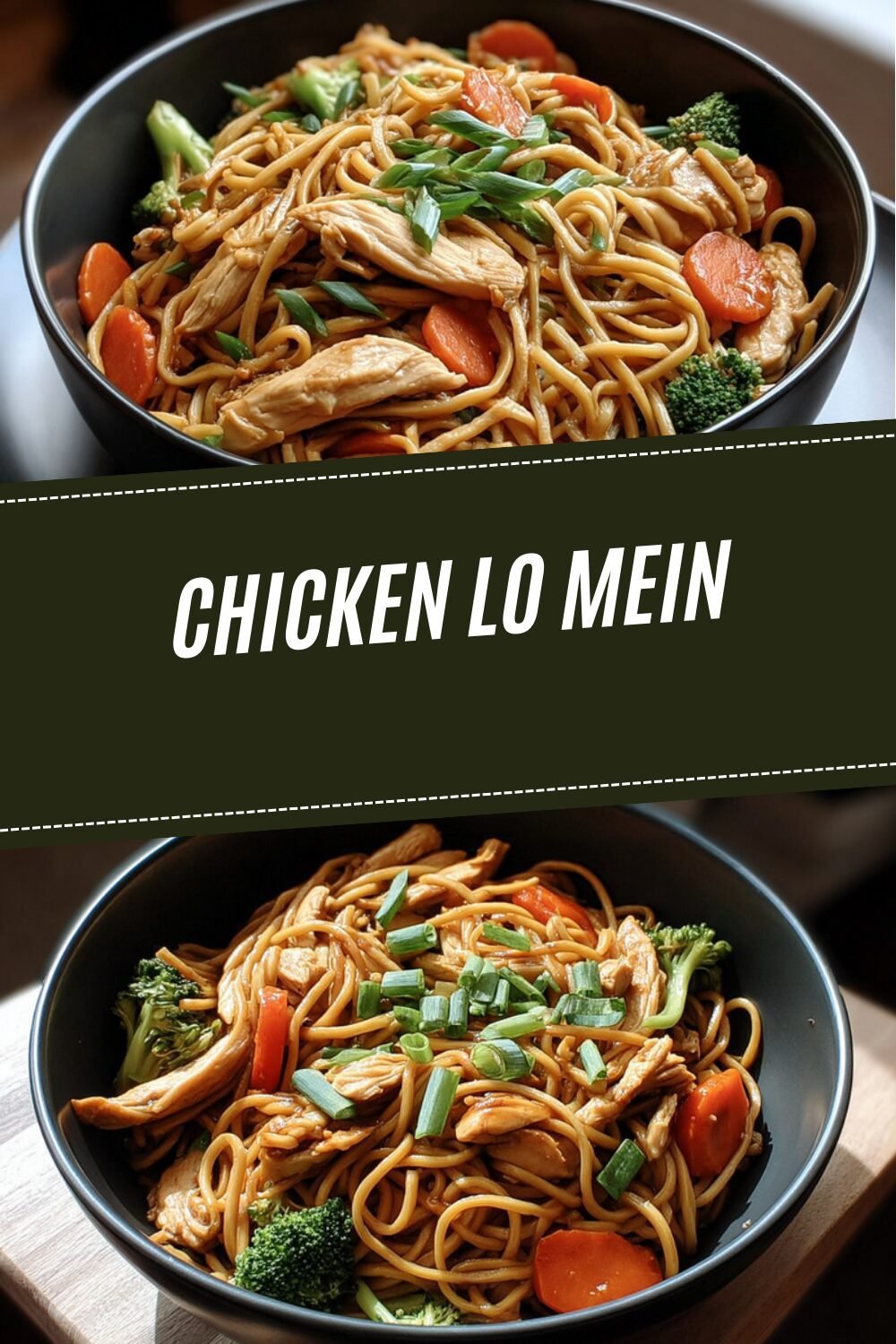
FAQs: Frequently Asked Questions About Chicken Lo Mein
What type of noodles are best for making chicken lo mein?
The best noodles for chicken lo mein are yellow egg noodles labeled as “lo mein,” “Hokkien noodles,” or “oil noodles.” You can use either uncooked noodles that need to be boiled before stir-frying or pre-cooked noodles that are ready to use in the pan. Both options provide the classic soft, chewy texture ideal for lo mein dishes.
How do I cook uncooked lo mein noodles properly before stir-frying?
To cook uncooked lo mein noodles, boil them in plenty of water until they are al dente, typically for 3-5 minutes depending on the package. Drain immediately in a colander, rinse briefly with warm water to remove excess starch, and drain well. This prevents the noodles from sticking together when stir-fried.
What vegetables should I add to chicken lo mein for the best flavor and texture?
Common vegetables for chicken lo mein include carrots, cabbage, bean sprouts, and scallions, which offer a nice mix of crunch and sweetness. You can also add red bell pepper, mushrooms, and snow peas to add more color and variety in texture, balancing the savory chicken and noodles.
Can I substitute chicken breast for chicken thighs in chicken lo mein recipes?
Yes, chicken breast works well as a substitute for chicken thighs. Use boneless, skinless chicken breast cut into thin, bite-sized strips for even cooking. Keep in mind that chicken breast will be leaner and may cook faster than thighs, so adjust cooking time to avoid dryness.
How do I prevent soggy or greasy noodles when making chicken lo mein at home?
To avoid soggy or greasy noodles, stir-fry the noodles and vegetables on high heat quickly, allowing excess moisture to evaporate. Use just enough oil for coating, and add a splash of water or chicken stock during stir-frying to keep noodles slippery without becoming mushy. Proper draining of noodles before cooking also helps maintain a good texture.
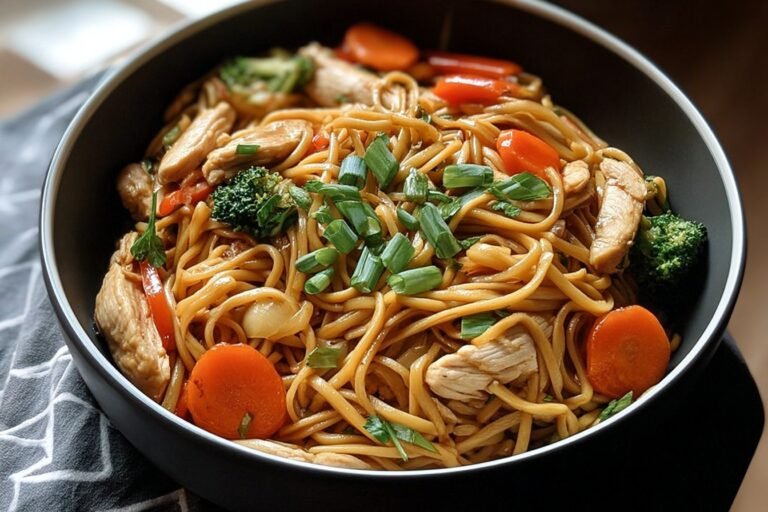
Chicken Lo Mein
🍜 Master the art of restaurant-quality Chinese takeout right in your own kitchen with this authentic lo mein that delivers perfect textures and balanced flavors every time
🥢 Enjoy tender chicken, crisp vegetables, and slippery noodles coated in a savory sauce that rivals your favorite Asian restaurant without the expensive delivery fees
- Total Time: 55 minutes
- Yield: 6 servings 1x
Ingredients
1 pound lo mein noodles (uncooked or pre-cooked)
8 oz. boneless skinless chicken thighs or chicken breast, thinly sliced
2 teaspoons cornstarch
2 teaspoons water for chicken marinade
2 teaspoons oil plus more for cooking
1 teaspoon oyster sauce
2 tablespoons hot water
1/8 teaspoon salt
1/8 teaspoon sugar
1 tablespoon light soy sauce
4 teaspoons dark soy sauce
1 teaspoon sesame oil
1/8 teaspoon white pepper
1 clove garlic, minced
4 cups shredded cabbage
2 medium carrots, julienned (about 1 1/2 cups)
1 tablespoon Shaoxing wine or dry sherry cooking wine
2 cups bean sprouts
2 scallions, julienned
Instructions
1-If using uncooked lo mein noodles, boil according to package instructions until al dente, rinse with warm water, and drain well. If pre-cooked, bring noodles to room temperature.
2-Marinate the chicken by mixing chicken strips with cornstarch, water, oil, and oyster sauce in a medium bowl. Set aside for a few minutes to let the flavors soak in.
3-Prepare the sauce by dissolving salt and sugar in hot water, then add light soy sauce, dark soy sauce, sesame oil, and white pepper for that authentic taste.
4-Heat 2 tablespoons of oil in a wok over high heat. Sear the chicken until browned, then remove and set aside to keep it juicy.
5-Add additional oil to the wok, sauté minced garlic for 10 seconds, then stir-fry cabbage and carrots for one minute. Pour cooking wine around the edge of the wok to enhance the aroma.
6-Return chicken and noodles to the wok, pour the sauce over and stir from the bottom for about 30 seconds to coat everything evenly.
7-Reduce heat to medium, cover the wok and cook for one minute to let the flavors meld.
8-Remove cover and stir-fry noodles. If they seem dry, add 1/4 cup water or stock, continuing to stir-fry until noodles are slippery and heated through.
9-Add bean sprouts and scallions, stir-fry for an additional minute to keep them crisp and fresh.
10-Serve immediately for the best texture and taste. The total preparation time is approximately 30 minutes, excluding boiling uncooked noodles, which adds 10-15 minutes.
Last Step:
Please leave a rating and comment letting us know how you liked this recipe! This helps our business to thrive and continue providing free, high-quality recipes for you.Notes
🍜 Use yellow egg noodles labeled for lo mein or similar types for the best authentic texture and slippery consistency
🔥 Stir-fry quickly on high heat to keep vegetables crisp and prevent noodles from becoming soggy – this is the key to restaurant-quality results
💧 Add water or stock during stir-frying if noodles dry out to maintain that perfect slippery texture that makes lo mein so special
- Prep Time: 30 minutes
- Noodle Boiling Time: 10-15 minutes
- Cook Time: 15 minutes
- Category: Main Course
- Method: Stir-frying
- Cuisine: Chinese
- Diet: Non-Vegetarian
Nutrition
- Serving Size: 1 serving (1/6 of recipe)
- Calories: 306
- Sugar: 4
- Sodium: 502
- Fat: 5
- Saturated Fat: 1
- Unsaturated Fat: 3
- Trans Fat: 0
- Carbohydrates: 42
- Fiber: 3
- Protein: 13
- Cholesterol: 58