
Why You’ll Love This Chicken Tikka Masala
Chicken Tikka Masala has earned its place as one of the most beloved curry dishes worldwide, and this easy authentic chicken tikka masala recipe brings that restaurant-quality experience right to your home kitchen. Whether you’re a complete beginner or a seasoned home cook, this recipe delivers exceptional results without requiring specialized equipment or hard-to-find ingredients.
Here’s why this homemade chicken tikka masala will become a regular in your meal rotation:
- Simple preparation: With just 20 minutes of active prep time and straightforward steps, this easy chicken tikka masala fits seamlessly into busy weeknight schedules. The marinating does most of the work for you, infusing the chicken with incredible flavor while you attend to other tasks.
- Nutritious and satisfying: Each serving provides 26g of protein, along with essential vitamins and minerals including Vitamin A, Vitamin C, calcium, and iron. The Greek yogurt marinade adds probiotics beneficial for digestive health. According to WebMD, yogurt offers numerous health benefits including improved gut health and immune function.
- Adaptable for dietary needs: This authentic chicken tikka masala home recipe can easily be customized for various dietary preferences, including dairy-free options using cashew cream instead of heavy cream.
- Authentic restaurant-quality flavor: The combination of char-grilled chicken and aromatic spices creates that signature smoky, creamy taste you expect from your favorite Indian restaurant, but made fresh in your own kitchen.
Fun fact: Chicken tikka masala has become so popular that over 23 million portions are served yearly in British curry houses alone. Now you can recreate this global favorite at home!
Essential Ingredients for Chicken Tikka Masala
Creating the perfect chicken tikka masala recipe at home requires two main components: a well-spiced marinade for the chicken and a rich, creamy tomato-based sauce. Here’s everything you’ll need to make this dish from scratch.
Ingredients for Chicken Marinade
The marinade is crucial for tender, flavorful chicken. Each ingredient plays a specific role:
- 1½ lbs. (680g) boneless chicken (preferably thighs or breasts) Thighs stay juicier, while breasts offer leaner protein
- ½ cup Greek yogurt (hung curd) Provides tenderness and helps spices adhere to the meat
- ½ to 1 teaspoon Kashmiri red chili powder Adds vibrant color and adjustable heat level
- 1 teaspoon garam masala Warm spice blend essential for authentic flavor
- ¼ teaspoon turmeric Provides golden color and anti-inflammatory properties
- 1 teaspoon coriander powder Adds citrusy, aromatic notes
- ½ teaspoon cumin powder Earthy base flavor
- ½ teaspoon salt Seasoning
- 1 tablespoon lemon juice Brightens flavors (skip if yogurt is already sour)
- 1 tablespoon kasuri methi (dried fenugreek leaves) Distinctive aromatic flavor
- 1 tablespoon ginger garlic paste Aromatic base (or ¾ tbsp grated ginger plus ¾ tbsp grated garlic)
- 1 tablespoon oil (mustard oil recommended) Helps coat and seal in flavors
Ingredients for Masala Sauce
The sauce is what transforms grilled chicken into a rich, comforting curry:
- 3 tablespoons oil or ghee Cooking fat for sautéing
- 1½ cups finely chopped onions (1 large or 2 medium) Sweet base for the sauce
- 1 green chili (optional) Additional heat if desired
- 1 teaspoon salt Seasoning
- 1 tablespoon ginger garlic paste Aromatic foundation
- ½ to 1 teaspoon Kashmiri red chili powder Color and heat (up to 1 tablespoon for extra spicy)
- 2 teaspoons garam masala Warm spice blend
- 1 tablespoon coriander powder Citrusy notes
- 1 to 1½ teaspoon cumin powder Earthy depth
- 1 to 2 teaspoons sugar Balances acidity (adjust to taste)
- 1.1 lbs. (500g) tomatoes, pureed or chopped (or 1¼ cup bottled tomato puree/passata) Tangy, rich base
- 1 cup hot water (use 2 cups if using cashew cream) Adjusts sauce consistency
- 1 tablespoon kasuri methi Authentic finishing flavor
- ½ cup heavy cream or thickened cream Creates silky texture (or cashew cream from 30 cashews)
For Garnish
- 3 tablespoons heavy cream Decorative swirl
- 3 tablespoons chopped coriander leaves Fresh, herbal finish
Special Dietary Options
For those with dietary restrictions, here are simple swaps:
- Dairy-free/Vegan: Replace Greek yogurt with coconut yogurt, use oil instead of ghee, and substitute heavy cream with cashew cream (blend 30 cashews with water until smooth).
- Gluten-free: This recipe is naturally gluten-free when prepared with pure ingredients. Always verify spice blends are certified gluten-free.
- Lower calorie: Use light coconut milk instead of heavy cream and reduce oil to 1-2 tablespoons. For more protein facts and nutritional information about chicken, visit the National Chicken Council.
How to Prepare the Perfect Chicken Tikka Masala: Step-by-Step Guide
This easy homemade chicken tikka masala recipe comes together beautifully when you follow these detailed instructions. The secret lies in properly marinating the chicken and building layers of flavor in the sauce.
Step 1: Marinate the Chicken
Begin by cutting your boneless chicken into 1.5-inch cubes for even cooking. In a large bowl, combine all marinade ingredients: Greek yogurt, Kashmiri red chili powder, garam masala, turmeric, coriander powder, cumin powder, salt, lemon juice, kasuri methi, ginger garlic paste, and oil. Mix well to combine all the spices.
Add the chicken pieces and toss to coat thoroughly with the marinade. Cover the bowl and refrigerate for a minimum of 8 hours, though 24-48 hours produces the most tender, flavorful results. If you’re pressed for time, 3 hours will work, but the chicken won’t be quite as juicy.
Why marinating matters: The yogurt’s lactic acid breaks down protein fibers, making the meat tender while allowing spices to penetrate deeply. This step is essential for achieving restaurant-quality texture.
Step 2: Prepare the Masala Sauce Base
When you’re ready to cook, heat 3 tablespoons of oil or ghee in a large, heavy-bottomed pan or Dutch oven over medium heat. Add the finely chopped onions along with 1 teaspoon of salt, which helps draw out moisture and promotes even browning. Sauté patiently, stirring frequently, until the onions turn a deep golden brown color, approximately 8-10 minutes.
This caramelization step is crucial browned onions provide the rich, sweet base that characterizes authentic chicken tikka masala. Rush this step and your sauce will lack depth.
Step 3: Add Aromatics
Once the onions are perfectly golden, add the green chili (if using) and 1 tablespoon of ginger garlic paste. Sauté for 2-3 minutes until the raw smell disappears and the mixture becomes fragrant. The ginger and garlic form the aromatic backbone of the sauce, so make sure they cook properly without burning.
Step 4: Incorporate Spices
Lower the heat to prevent burning, then quickly add the Kashmiri red chili powder, coriander powder, garam masala, and cumin powder. Stir continuously for 30-45 seconds just until the spices release their fragrance. Spices can scorch easily at this stage, so work quickly and keep them moving in the pan.
The blooming process awakens the essential oils in the spices, intensifying their flavor. You’ll notice an immediate aromatic change when this happens.
Step 5: Build the Tomato Base
Add your prepared tomatoes (either pureed fresh tomatoes or bottled tomato puree/passata) to the spiced onion mixture. Increase heat to medium-high and cook for 8-10 minutes, stirring frequently, until the tomatoes break down completely and the mixture thickens considerably. You want to see oil starting to separate from the sides this indicates the tomatoes have cooked sufficiently.
If using canned tomatoes or passata, the sauce might taste slightly acidic. Consider blending it smooth after cooking to reduce any sharpness.
Step 6: Simmer the Sauce
Pour in 1 cup of hot water (use 2 cups if planning to add cashew cream later), bring to a boil, then cover and reduce heat to low. Simmer for 12-14 minutes until the sauce becomes fragrant and reaches your desired consistency. The sauce should coat the back of a spoon but still have enough liquid to simmer the chicken.
Step 7: Cook the Chicken
While the sauce simmers, cook your marinated chicken using one of these methods:
| Method | Temperature | Time | Instructions |
|---|---|---|---|
| Oven Bake | 460°F (238°C) | 18-20 minutes | Place on foil-lined tray, turn once, broil for char marks |
| Skillet | Medium-high heat | 3-4 min per side | Hot oiled skillet, cook until nearly done with charred edges |
| Air Fryer | 400°F (204°C) | 12 minutes total | Turn halfway through cooking time |
Whichever method you choose, the chicken should reach an internal temperature of 165°F and have nice char marks on the exterior. Don’t overcrowd your cooking surface work in batches if necessary to ensure proper browning rather than steaming.
Step 8: Finish the Curry
Once your sauce has simmered and thickened, add 1-2 teaspoons of sugar to balance the acidity. Pour in ½ cup of heavy cream (or your prepared cashew cream) and stir gently. Simmer for 2-3 minutes until the sauce becomes glossy and aromatic.
Add your grilled chicken pieces to the sauce along with 1 tablespoon of crushed kasuri methi. Cover and cook for 2-3 minutes on low heat, allowing the chicken to finish cooking through and absorb the sauce’s flavors. Taste and adjust seasoning as needed.
Step 9: Serve and Garnish
Transfer your finished chicken tikka masala to a serving dish. Create a beautiful swirl pattern using the remaining 3 tablespoons of heavy cream and sprinkle generously with fresh chopped coriander leaves. Serve immediately with butter naan, roti, paratha, or basmati rice.
Pro tip: For restaurant-style presentation, use the back of a spoon to create a decorative cream swirl on top of the curry before adding the fresh coriander garnish.
Looking for the perfect dessert to follow this flavorful meal? Try our berry trifle for a sweet finish that complements the spicy curry beautifully.

Dietary Substitutions to Customize Your Chicken Tikka Masala
One of the wonderful aspects of this easy authentic chicken tikka masala recipe is its versatility. Whether you’re cooking for dietary restrictions, personal preferences, or simply using what’s available in your pantry, here are modifications that work beautifully.
Protein and Main Component Alternatives
While traditional chicken tikka masala features boneless chicken thighs or breasts, you can easily adapt this recipe:
- Chicken alternatives: Paneer (Indian cottage cheese) makes an excellent vegetarian substitute. Cut into 1-inch cubes and follow the same marinating and cooking process. For a vegan option, try extra-firm tofu or chickpeas.
- Seafood variation: Firm white fish like cod or halibut works wonderfully. Reduce marinating time to 30 minutes and cooking time to 6-8 minutes to prevent overcooking.
- Lamb option: For a richer variation, substitute boneless lamb shoulder. Increase cooking time significantly lamb needs 45-60 minutes in the sauce to become tender.
Vegetable, Sauce, and Seasoning Modifications
The sauce and seasonings can be adjusted for various dietary needs and flavor preferences:
- Dairy-free cream alternatives: Cashew cream (blend 30 soaked cashews with water) provides the closest texture to heavy cream. Coconut milk offers a subtle tropical note that pairs surprisingly well with the spices.
- Yogurt substitutes: For dairy-free marinating, use coconut yogurt or a mixture of lemon juice and oil. Note that the tenderizing effect will be slightly different.
- Heat adjustments: Reduce Kashmiri red chili powder to ¼ teaspoon for a mild version, or increase up to 1 tablespoon for those who enjoy spicy food. Remember, Kashmiri chili primarily adds color with mild heat, so you can substitute smoked paprika for a similar effect.
- Lower sodium: Reduce added salt and rely more on whole spices and fresh aromatics for flavor. A squeeze of lemon juice at the end brightens flavors without adding sodium.
For those seeking more wholesome dessert options after enjoying chicken tikka masala, our fruit pizza offers a refreshing, lighter alternative that’s perfect for entertaining.
Mastering Chicken Tikka Masala: Advanced Tips and Variations
Once you’ve mastered the basic chicken tikka masala recipe, these advanced techniques will take your dish to the next level and help you achieve truly authentic results.
Pro Cooking Techniques
The dhungar method for smoky flavor: For that distinctive restaurant-style smokiness, try this traditional technique. After cooking the chicken, place a small piece of hot charcoal in a small steel bowl. Place this bowl in the center of your cooked chicken (in a heatproof container), drizzle 1 teaspoon of ghee on the charcoal, and immediately cover tightly. Let the smoke infuse for 3-4 minutes before removing the charcoal. This adds an incredible depth of flavor.
Perfect onion browning: Patience when browning onions is non-negotiable. The deeper the color (without burning), the richer your final sauce will taste. For the best results, cut onions uniformly and cook over consistent medium heat, stirring every 30-45 seconds.
Flavor Variations
Whole spice infusion: For more complex flavor, add whole spices when heating your oil. A bay leaf, 2-inch cinnamon stick, 3-4 cloves, and 2-3 green cardamom pods will infuse the oil beautifully. Remove these whole spices before adding the cream, or leave them in for diners who enjoy the authentic touch.
Vegetable additions: Create a more complete meal by adding bell peppers and onions to your marinated chicken before grilling. This adds texture, color, and nutrients to the final dish.
Kashmiri style: For a deeper red color without extra heat, increase the Kashmiri red chili powder to 1 tablespoon and add 1-2 tablespoons of tomato paste for concentrated tomato flavor.
Presentation Tips
Restaurant-style presentation makes your homemade curry feel special. Always serve in warmed bowls or plates. The cream swirl technique mentioned earlier, combined with fresh green coriander and a sprinkle of red chili powder, creates a beautiful contrast against the orange-red curry.
Make-Ahead Options
Busy schedules require smart strategies. The marinade can be prepared up to 3 days in advance and stored in the refrigerator. The sauce base (before adding cream) can be made ahead and frozen for up to 1 month. Simply thaw, reheat, add cream and grilled chicken, and simmer for 5 minutes before serving.
How to Store Chicken Tikka Masala: Best Practices
Properly storing your easy chicken tikka masala ensures you can enjoy leftovers safely and maintain the quality of this carefully prepared dish.
Refrigeration
Allow the curry to cool to room temperature within 2 hours of cooking. Transfer to an airtight container and refrigerate promptly. Properly stored, chicken tikka masala keeps for 3-4 days in the refrigerator. The flavors often develop further overnight, making day-two servings even more delicious.
Store rice and naan separately to prevent them from becoming soggy. Rice keeps for 2-3 days when properly refrigerated.
Freezing
For longer storage, chicken tikka masala freezes exceptionally well. Portion into airtight containers or heavy-duty freezer bags, leaving 1 inch of headspace for expansion. Label with the date and freeze for up to 1-2 months. Cream-based curries may separate slightly upon thawing, but a gentle stir while reheating restores the smooth texture.
Reheating
Thaw frozen portions overnight in the refrigerator. Reheat gently over medium-low heat in a saucepan, stirring occasionally. Add a splash of water or cream if the sauce has thickened too much. Microwave reheating works for individual portions heat in 1-minute intervals, stirring between each, until heated through to 165°F.
Meal Prep Considerations
This recipe is ideal for batch cooking. Double or triple the sauce portion and freeze in separate containers. On busy weeknights, thaw a sauce portion, grill fresh marinated chicken, and combine for a quick dinner in under 30 minutes. For more make-ahead dessert inspiration, check out our pumpkin whoopie pies that also freeze beautifully.
FAQs: Frequently Asked Questions About Chicken Tikka Masala
What is chicken tikka masala?
Chicken tikka masala is a popular curry dish featuring tender, char-grilled chicken chunks (tikka) simmered in a rich, aromatic tomato-based sauce (masala). The chicken is marinated in yogurt and spices like garam masala, cumin, and ginger, then grilled for a smoky flavor before adding to the creamy gravy made with onions, tomatoes, garlic, ginger, and cream or cashews. It’s mildly spicy with a balance of tangy, savory, and creamy notes. Originating in the UK with Indian influences, it serves 4-6 people and takes about 1-2 hours active time plus marination. Pair it with naan or rice for a complete meal. This dish has become a global favorite, with over 23 million portions served yearly in British curry houses.
Chicken tikka masala vs butter chicken—what’s the difference?
Chicken tikka masala uses boneless grilled chicken in a chunky, spicier sauce with onions, tomatoes, and oil or minimal butter, offering bold flavors and a tomato-forward taste. Butter chicken (murgh makhani) features bone-in or boneless chicken in a smooth, silky, mildly sweet sauce cooked in generous butter or ghee, without onions, and milder spices for a richer, creamier profile. Tikka masala is tangier and smokier from grilling, while butter chicken emphasizes buttery smoothness. Both use similar spices but differ in texture and heat—tikka masala suits spice lovers, butter chicken those preferring gentle flavors. Prep both similarly, but tikka masala needs grilling first.
How long to marinate chicken for chicken tikka masala?
For the best tender, flavorful results, marinate boneless chicken thighs or breasts in yogurt, ginger-garlic paste, spices, and lemon juice for 8-48 hours in the fridge—this allows deep flavor penetration and juiciness. If rushed, 3 hours minimum works but yields less tender meat. Use thick Greek yogurt or hung curd to avoid watery marinade. Cut chicken into 1.5-inch chunks for even cooking. Longer marination (overnight ideal) breaks down proteins, preventing dryness, especially with breasts which need at least 8 hours. After marinating, pat dry before grilling to get char marks. This step is key to authentic taste.
Can I make chicken tikka masala without cream?
Yes, replace cream with cashew cream for a dairy-free, creamy texture: soak ½ cup cashews in hot water for 15 minutes, blend with ½ cup water until smooth, then stir into the sauce. This adds natural nuttiness and thickness without altering flavor. Other options include coconut milk for a tropical twist or blended boiled onions for lightness. Simmer the sauce 5-10 minutes after adding to thicken. Traditional recipes sometimes skip cream entirely, using yogurt or cashews for creaminess. This substitution keeps the dish under 400 calories per serving and suits lactose-intolerant eaters. Test consistency and adjust salt—cashew cream thickens as it cooks.
How do you cook chicken tikka for chicken tikka masala?
Grill marinated chicken for authentic smoky flavor. Oven: Preheat to 460°F, bake chunks on a foil-lined tray 9-10 minutes per side, then broil 2 minutes for char. Skillet: Medium-high heat with oil, 3-4 minutes per side until charred. Air fryer: 400°F for 6 minutes per side. Avoid overcrowding for crisp edges. Internal temp should hit 165°F. No grill? Pan-sear works fine. After cooking, add tikka to simmering masala sauce with kasuri methi for aroma. This method takes 15-20 minutes and yields juicy results. Pro tip: Brush with butter midway for extra gloss. Store leftovers in fridge up to 3 days or freeze 1 month.
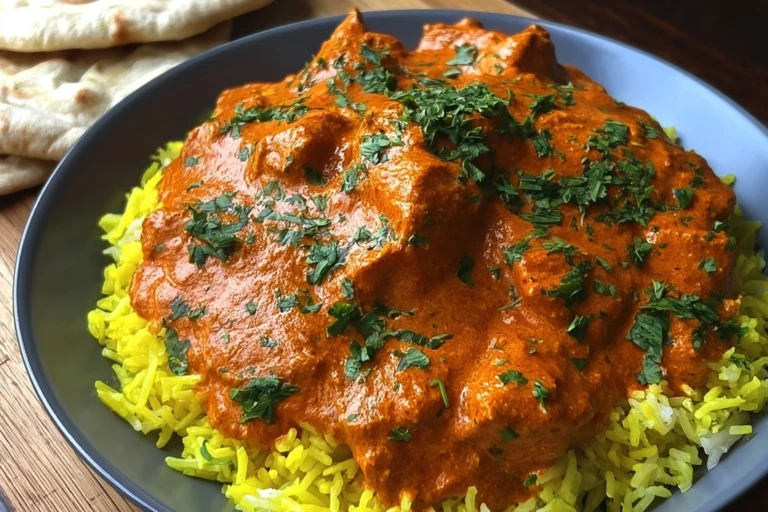
Chicken Tikka Masala
🍛 Dive into tender, char-grilled chicken enveloped in a creamy, aromatic tomato masala sauce bursting with authentic Indian spices and protein!
🏠 This easy home version, marinated for deep flavor, serves up restaurant-quality delight over rice or naan in under an hour active time.
- Total Time: 1 hour + marination
- Yield: 4 servings
Ingredients
– 1½ lbs. (680g) boneless chicken (preferably thighs or breasts) Thighs stay juicier, while breasts offer leaner protein
– ½ cup Greek yogurt (hung curd) Provides tenderness and helps spices adhere to the meat
– ½ to 1 teaspoon Kashmiri red chili powder Adds vibrant color and adjustable heat level
– 1 teaspoon garam masala Warm spice blend essential for authentic flavor
– ¼ teaspoon turmeric Provides golden color and anti-inflammatory properties
– 1 teaspoon coriander powder Adds citrusy, aromatic notes
– ½ teaspoon cumin powder Earthy base flavor
– ½ teaspoon salt Seasoning
– 1 tablespoon lemon juice Brightens flavors (skip if yogurt is already sour)
– 1 tablespoon kasuri methi (dried fenugreek leaves) Distinctive aromatic flavor
– 1 tablespoon ginger garlic paste Aromatic base (or ¾ tbsp grated ginger plus ¾ tbsp grated garlic)
– 1 tablespoon oil (mustard oil recommended) Helps coat and seal in flavors
– 3 tablespoons oil or ghee Cooking fat for sautéing
– 1½ cups finely chopped onions (1 large or 2 medium) Sweet base for the sauce
– 1 green chili (optional) Additional heat if desired
– 1 teaspoon salt Seasoning
– 1 tablespoon ginger garlic paste Aromatic foundation
– ½ to 1 teaspoon Kashmiri red chili powder Color and heat (up to 1 tablespoon for extra spicy)
– 2 teaspoons garam masala Warm spice blend
– 1 tablespoon coriander powder Citrusy notes
– 1 to 1½ teaspoon cumin powder Earthy depth
– 1 to 2 teaspoons sugar Balances acidity (adjust to taste)
– 1.1 lbs. (500g) tomatoes, pureed or chopped (or 1¼ cup bottled tomato puree/passata) Tangy, rich base
– 1 cup hot water (use 2 cups if using cashew cream) Adjusts sauce consistency
– 1 tablespoon kasuri methi Authentic finishing flavor
– ½ cup heavy cream or thickened cream Creates silky texture (or cashew cream from 30 cashews)
– 3 tablespoons heavy cream Decorative swirl
– 3 tablespoons chopped coriander leaves Fresh, herbal finish
Instructions
1-Step 1: Marinate the Chicken Begin by cutting your boneless chicken into 1.5-inch cubes for even cooking. In a large bowl, combine all marinade ingredients: Greek yogurt, Kashmiri red chili powder, garam masala, turmeric, coriander powder, cumin powder, salt, lemon juice, kasuri methi, ginger garlic paste, and oil. Mix well to combine all the spices. Add the chicken pieces and toss to coat thoroughly with the marinade. Cover the bowl and refrigerate for a minimum of 8 hours, though 24-48 hours produces the most tender, flavorful results. If you’re pressed for time, 3 hours will work, but the chicken won’t be quite as juicy.
2-Step 2: Prepare the Masala Sauce Base When you’re ready to cook, heat 3 tablespoons of oil or ghee in a large, heavy-bottomed pan or Dutch oven over medium heat. Add the finely chopped onions along with 1 teaspoon of salt, which helps draw out moisture and promotes even browning. Sauté patiently, stirring frequently, until the onions turn a deep golden brown color, approximately 8-10 minutes.
3-Step 3: Add Aromatics Once the onions are perfectly golden, add the green chili (if using) and 1 tablespoon of ginger garlic paste. Sauté for 2-3 minutes until the raw smell disappears and the mixture becomes fragrant. The ginger and garlic form the aromatic backbone of the sauce, so make sure they cook properly without burning.
4-Step 4: Incorporate Spices Lower the heat to prevent burning, then quickly add the Kashmiri red chili powder, coriander powder, garam masala, and cumin powder. Stir continuously for 30-45 seconds just until the spices release their fragrance. Spices can scorch easily at this stage, so work quickly and keep them moving in the pan.
5-Step 5: Build the Tomato Base Add your prepared tomatoes (either pureed fresh tomatoes or bottled tomato puree/passata) to the spiced onion mixture. Increase heat to medium-high and cook for 8-10 minutes, stirring frequently, until the tomatoes break down completely and the mixture thickens considerably. You want to see oil starting to separate from the sides this indicates the tomatoes have cooked sufficiently.
6-Step 6: Simmer the Sauce Pour in 1 cup of hot water (use 2 cups if planning to add cashew cream later), bring to a boil, then cover and reduce heat to low. Simmer for 12-14 minutes until the sauce becomes fragrant and reaches your desired consistency. The sauce should coat the back of a spoon but still have enough liquid to simmer the chicken.
7-Step 7: Cook the Chicken While the sauce simmers, cook your marinated chicken using one of these methods: Method Temperature Time Instructions Oven Bake 460°F (238°C) 18-20 minutes Place on foil-lined tray, turn once, broil for char marks Skillet Medium-high heat 3-4 min per side Hot oiled skillet, cook until nearly done with charred edges Air Fryer 400°F (204°C) 12 minutes total Turn halfway through cooking time Whichever method you choose, the chicken should reach an internal temperature of 165°F and have nice char marks on the exterior. Don’t overcrowd your cooking surface work in batches if necessary to ensure proper browning rather than steaming.
8-Step 8: Finish the Curry Once your sauce has simmered and thickened, add 1-2 teaspoons of sugar to balance the acidity. Pour in ½ cup of heavy cream (or your prepared cashew cream) and stir gently. Simmer for 2-3 minutes until the sauce becomes glossy and aromatic. Add your grilled chicken pieces to the sauce along with 1 tablespoon of crushed kasuri methi. Cover and cook for 2-3 minutes on low heat, allowing the chicken to finish cooking through and absorb the sauce’s flavors. Taste and adjust seasoning as needed.
9-Step 9: Serve and Garnish Transfer your finished chicken tikka masala to a serving dish. Create a beautiful swirl pattern using the remaining 3 tablespoons of heavy cream and sprinkle generously with fresh chopped coriander leaves. Serve immediately with butter naan, roti, paratha, or basmati rice.
Last Step:
Please leave a rating and comment letting us know how you liked this recipe! This helps our business to thrive and continue providing free, high-quality recipes for you.Notes
🥛 Use thick Greek yogurt or hung curd in marinade to keep chicken juicy without excess moisture.
🔥 Marinate 8+ hours for tender, flavorful results mimicking restaurant style.
🌶️ Kashmiri chili gives color & mild heat; adjust for spice, blend sauce if using canned tomatoes.
- Prep Time: 20 minutes
- Marinate: 8 hours (up to 48)
- Cook Time: 40 minutes
- Category: Main Dishes
- Method: Stovetop/Grill
- Cuisine: Indian
Nutrition
- Serving Size: 1/4 recipe
- Calories: 483 kcal
- Sugar: 6 g
- Sodium: 728 mg
- Fat: 38 g
- Saturated Fat: 12 g
- Unsaturated Fat: 25 g
- Trans Fat: 0 g
- Carbohydrates: 10 g
- Fiber: 2 g
- Protein: 26 g
- Cholesterol: 120 mg