

Why You’ll Love This Coconut Buttercream Frosting
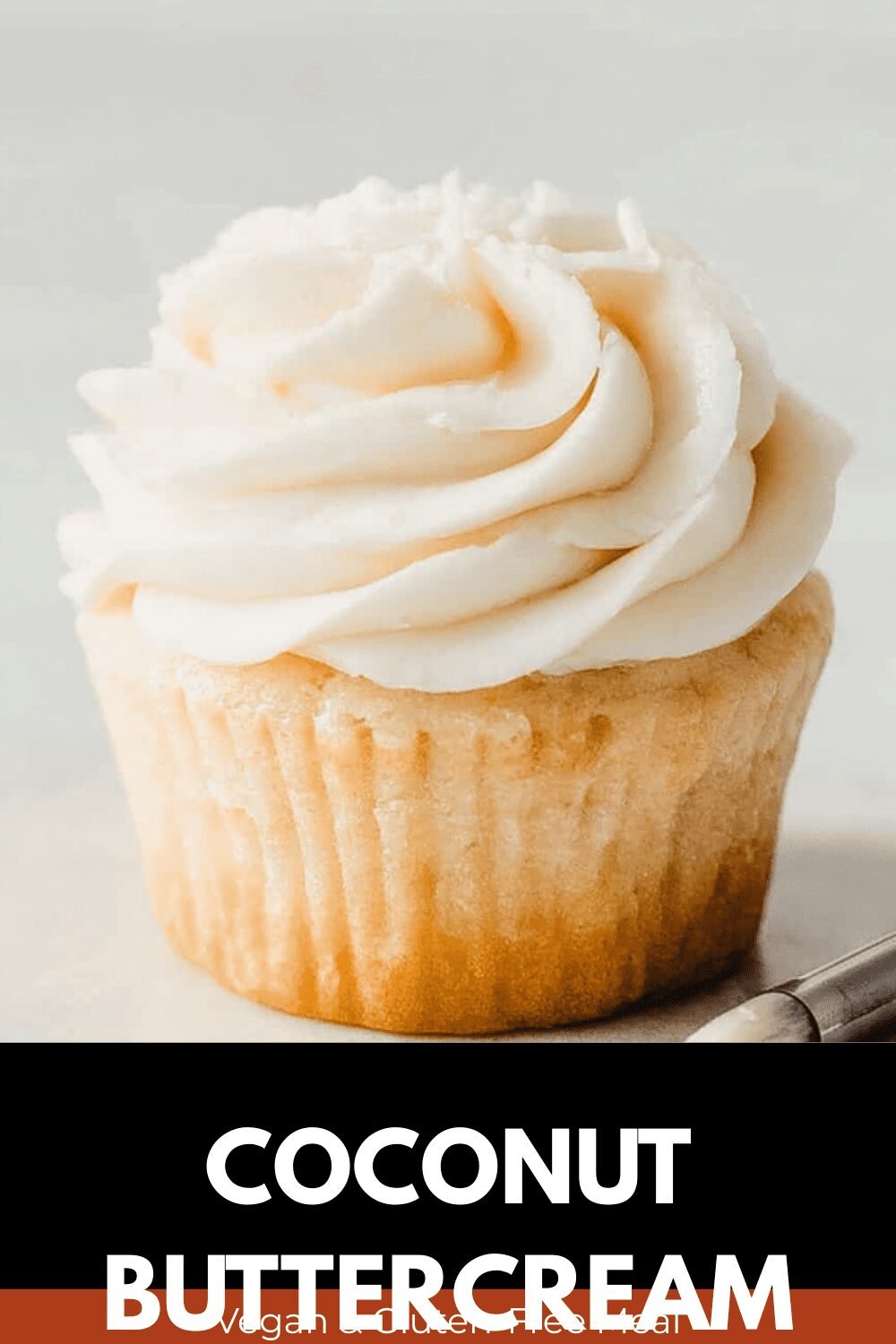
This coconut buttercream frosting is a homemade treat that’s simple to whip up and adds a touch of tropical fun to your baking. It features a creamy, silky, and fluffy texture with a subtle coconut flavor, making it ideal for cakes, cupcakes, and tropical desserts. If you’re a home baker looking for something easy and delicious, you’ll find this recipe fits right in.
This recipe shines because of its ease of preparation, requiring just a few common ingredients and straightforward steps. It’s packed with health benefits like healthy fats from coconut that can support wellness, all while staying free from artificial additives. Plus, its versatility lets you adapt it for different needs, from vegan options to gluten-free delights, without losing that rich taste.
One of the best parts is the distinctive flavor that brings a natural coconut essence to your desserts. Imagine topping your favorite cupcakes with this smooth coconut buttercream frosting recipe that everyone can enjoy. It’s perfect for busy parents or students who want quick results with big flavor.
This frosting also appeals to baking enthusiasts and food lovers by offering a base you can tweak for various occasions. For example, if you enjoy seasonal twists, it pairs well with autumn flavors like a pumpkin spice latte recipe on our site. Overall, it helps create memorable moments around the table, just as our blog aims to do.
Benefits for Different Lifestyles
For home cooks and working professionals, this coconut buttercream frosting is a game-changer because it’s quick and forgiving. Diet-conscious individuals appreciate its natural ingredients, while newlyweds might use it for special celebrations. Seniors and travelers can enjoy its simple prep, and busy parents love how it stores well for later use.
Let’s not forget food enthusiasts who experiment in the kitchen. This recipe encourages you to try variations, like adding extracts for more depth. In short, this coconut buttercream frosting recipe is all about making baking accessible and fun for everyone.
Essential Ingredients for Coconut Buttercream Frosting
When making this coconut buttercream frosting, selecting the right ingredients is key to achieving that perfect creamy texture. This section breaks down what you need, focusing on fresh, high-quality items that bring out the best flavors. We’ll use the exact measurements provided to ensure your frosting turns out just right.
Main Ingredients List
Here is a structured list of all the ingredients required for this recipe. Each item includes the precise quantity to make it easy to follow:
- 1 ½ cups (339 g) unsalted butter, softened
- 5 cups (600 g) confectioners’ sugar, sifted
- ⅛ teaspoon salt
- 6 tablespoons canned unsweetened coconut milk or coconut cream
This list covers everything you need for a smooth coconut buttercream frosting that’s fluffy and full of subtle coconut flavor. Remember, using canned full-fat coconut milk or cream is crucial for the right consistency.
Special Dietary Options
Besides the main ingredients, you can customize for dietary needs. Unsalted butter provides the creamy base, while powdered sugar sweetens and thickens. Coconut cream adds moisture and flavor, and a pinch of salt balances everything. For vegan options, swap butter with plant-based alternatives, and ensure your powdered sugar is certified gluten-free for those restrictions.
A low-calorie version might use light substitutes, keeping this coconut frosting adaptable. This makes it a hit for baking enthusiasts exploring new flavors in their creamy coconut buttercream frosting.
| Ingredient | Role in Recipe |
|---|---|
| Unsalted butter (1 ½ cups) | Creates the rich, creamy texture |
| Confectioners’ sugar (5 cups) | Sweetens and stabilizes the frosting |
| Salt (⅛ teaspoon) | Enhances and balances flavors |
| Coconut milk or cream (6 tablespoons) | Infuses the subtle coconut essence |
This table highlights how each ingredient contributes, helping you understand why they’re essential for your smooth coconut buttercream frosting.
How to Prepare the Perfect Coconut Buttercream Frosting: Step-by-Step Guide
Creating this coconut buttercream frosting is straightforward and fun, taking about 15 minutes total. It results in approximately 3 cups, enough to frost 24 cupcakes, so it’s great for family baking sessions. Start by ensuring all your ingredients are ready to go for the best results.
First, beat the softened butter with a handheld or stand mixer fitted with a paddle attachment on medium-high speed until smooth and creamy, about 5 minutes. Then, gradually add 2 cups of the confectioners’ sugar, mixing on medium-low speed until mostly moistened. Next, add the remaining confectioners’ sugar one cup at a time, mixing well after each addition and scraping down the bowl sides as needed.
After that, incorporate the salt and coconut milk or cream one tablespoon at a time, beating on medium speed until fully mixed. Adjust the amount based on your desired flavor intensity to keep that subtle coconut taste just right. Finally, increase the speed to medium-high and beat until the mixture is light and fluffy, scraping the sides as necessary.
- Gather ingredients and let butter soften at room temperature for 1-2 hours.
- Beat butter until creamy in a large bowl.
- Add powdered sugar gradually to avoid clumps.
- Mix in coconut cream and other flavors slowly.
- Beat until fluffy and taste for adjustments.
This step-by-step guide ensures your coconut buttercream frosting recipe turns out silky every time. For more baking ideas, check out our Johnny Cakes Recipe that complements sweet toppings.

Dietary Substitutions to Customize Your Coconut Buttercream Frosting
Making this coconut buttercream frosting adaptable means you can tweak it for various diets while keeping it creamy. For instance, replace unsalted butter with vegan butter or coconut oil for a dairy-free version that still holds its fluffy texture. These changes let you enjoy the subtle coconut flavor without any hassle.
Other options include using almond or cashew cream instead of coconut cream to vary the taste. You can also add natural flavorings like lemon zest or cinnamon to mix things up. This flexibility makes the recipe perfect for diet-conscious individuals and food enthusiasts alike.
This coconut buttercream frosting is so versatile; it’s like having a blank canvas for your baking adventures!
For more tips on using coconut in baking, visit this expert frosting guide externally. It dives into creative uses that enhance your creamy coconut buttercream frosting.
Mastering Coconut Buttercream Frosting: Advanced Tips and Variations
Once you’re comfortable with the basics, mastering this coconut buttercream frosting involves some pro techniques. For a smoother texture, sift your powdered sugar before mixing and beat the frosting longer at low speed to incorporate air, resulting in that ideal fluffy finish. Experimenting with flavors, like adding toasted coconut flakes or citrus zest, can create exciting new profiles for your desserts.
Presentation is key, so try using piping bags with decorative nozzles for elegant designs, and garnish with shredded coconut for extra appeal. If you’re planning ahead, prepare the frosting in advance and store it tightly covered in the refrigerator, then rewhip it before use. These tips help elevate your baking game while keeping the process fun and approachable.
Adding high-quality gel food coloring can make your frosting pop for special occasions. Remember, for a stronger coconut flavor, include ½ to 1 teaspoon of coconut extract, or add vanilla extract to enhance the overall taste. This smooth coconut buttercream frosting recipe opens up endless possibilities for personalization.
Flavor Variations to Try
Here are some quick variations: mix in espresso powder for a coffee twist, or use almond extract for a nutty note. These changes keep the frosting versatile and exciting, perfect for travelers and newlyweds exploring new tastes.
How to Store Coconut Buttercream Frosting: Best Practices
Proper storage keeps your coconut buttercream frosting fresh and ready for use. Store it in an airtight container in the refrigerator for up to one week, which helps maintain its creamy texture. For longer needs, freeze it in a sealed container for up to three months and thaw overnight in the refrigerator.
When you’re ready to use it, bring the frosting to room temperature and rewhip briefly to restore its fluffiness. This method is ideal for meal prep, allowing busy parents and working professionals to save time. Following these steps ensures your coconut frosting stays delicious for your next baking session.
For insights on coconut in recipes, check out this baking with coconut milk resource, which offers great advice on ingredients like those in your coconut buttercream frosting.
FAQs: Frequently Asked Questions About Coconut Buttercream Frosting
Can I use regular coconut milk instead of canned for coconut buttercream frosting?
For coconut buttercream frosting, canned coconut milk is recommended because it is thicker and contains more fat, which helps achieve the right texture and creaminess. Regular coconut milk beverages from the refrigerated section are watered down and won’t provide the same richness or stability needed for frosting.
Is it okay to substitute coconut cream for coconut milk in the frosting?
Yes, using coconut cream will give your buttercream a richer coconut flavor and a creamier texture because it has a higher fat content than coconut milk. Keep in mind that using coconut cream might make the frosting slightly thicker, so you can adjust with a small amount of liquid if needed.
How should I store coconut buttercream frosting and how long does it last?
Coconut buttercream frosting can be kept at room temperature for a couple of hours safely. For longer storage, refrigerate the frosting in an airtight container for up to 3–4 days. Before using refrigerated frosting, let it soften at room temperature for about 30 minutes and then re-whip it to restore the creamy texture.
Can I add shredded coconut to the frosting, and will it affect piping?
Adding shredded coconut is possible and adds a nice texture and extra coconut flavor. However, keep in mind that the flakes may make the frosting difficult to pipe through small tips. If you plan to decorate with detailed piping, you might want to skip the shredded coconut or use larger piping tips.
Should I use salted or unsalted butter in coconut buttercream frosting?
Unsalted butter is best for coconut buttercream frosting because it allows you to control the salt level in your recipe. Salted butter varies in salt content, which can make the frosting too salty. You can always add a small pinch of salt if needed to balance the flavors.
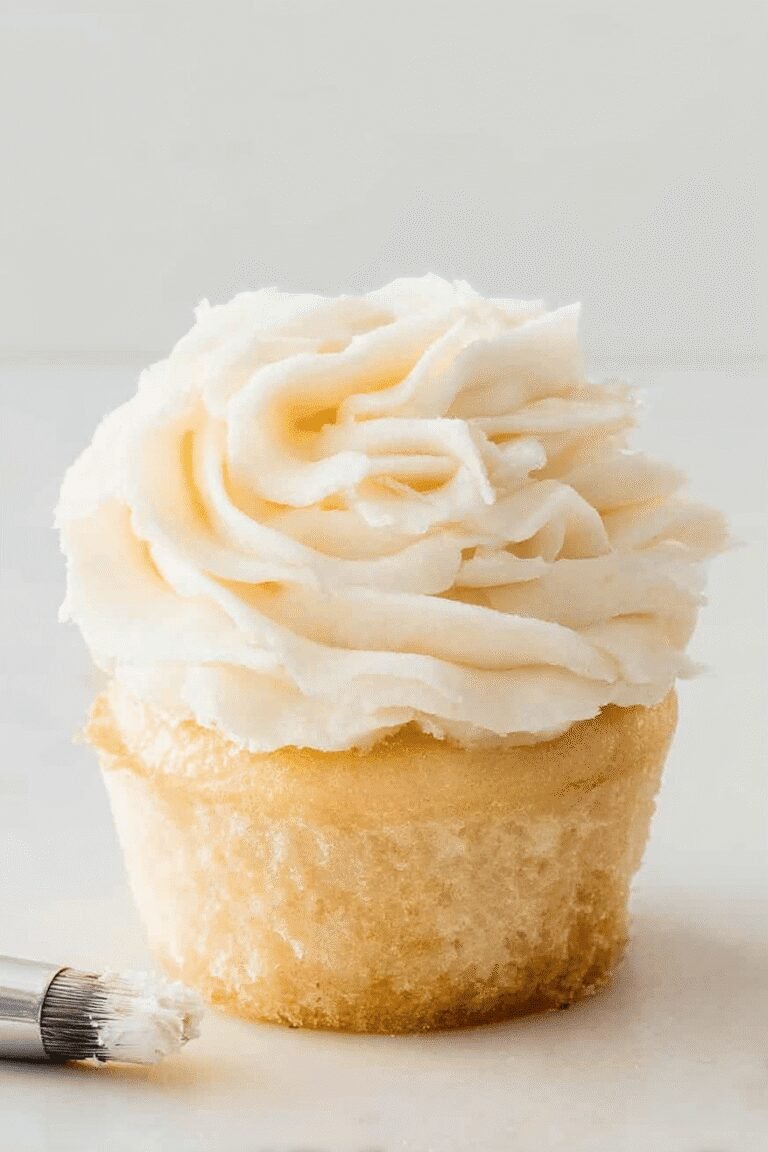
Coconut Buttercream Frosting
🥥 Enjoy a smooth, creamy coconut buttercream frosting that adds a subtle tropical flavor to your desserts.
🎂 This homemade frosting is perfect for cakes, cupcakes, and any treat needing a silky, fluffy finish.
- Total Time: 15 minutes
- Yield: Approximately 3 cups
Ingredients
– 1 ½ cups unsalted butter for creating the rich, creamy texture
– 5 cups confectioners’ sugar for sweetening and stabilizing the frosting
– ⅛ teaspoon salt for enhancing and balancing flavors
– 6 tablespoons coconut milk or cream for infusing the subtle coconut essence
Instructions
1-Gather ingredients and let butter soften at room temperature for 1-2 hours.
2-Beat butter until creamy in a large bowl.
3-Add powdered sugar gradually to avoid clumps.
4-Mix in coconut cream and other flavors slowly.
5-Beat until fluffy and taste for adjustments.
Last Step:
Please leave a rating and comment letting us know how you liked this recipe! This helps our business to thrive and continue providing free, high-quality recipes for you.Notes
🥥 Use canned full-fat coconut milk for best creaminess; avoid refrigerated coconut milk beverages.
🌴 Soften butter at room temperature for 1-2 hours; avoid microwave softening.
❄️ Store frosting in refrigerator up to 4 days; let soften at room temperature and re-whip before use.
- Prep Time: 15 minutes
- Category: Dessert
- Method: Mixing
- Cuisine: American
Nutrition
- Calories: 208 kcal per 2 tablespoons
- Sugar: 25 g
- Sodium: 15 mg
- Fat: 12 g
- Saturated Fat: 8 g
- Unsaturated Fat: 3.4 g
- Trans Fat: 0.5 g
- Carbohydrates: 25 g
- Fiber: 0.1 g
- Protein: 0.2 g
- Cholesterol: 31 mg




I just made this coconut buttercream frosting for a birthday cake and it turned out wonderfully creamy and not too sweet. Have you ever tried adding a bit of pineapple juice for a tropical twist? I think it would complement the coconut flavor really well!