
Why You’ll Love These Fermented Pickles
If you’re a pickle fan like me, you’ll absolutely adore these crisp, garlicky Fermented Pickles that bring a burst of tangy goodness to your table in just a few days! This homemade version is simple, budget-friendly, and so satisfying to make at home. Plus, you get that classic crunchy bite without needing vinegar or a long ingredient list.
- Easy to make: The hands-on work takes about 15 to 20 minutes, then the brine does the rest. You just prep the cucumbers, mix the salt water, pack the jar, and let time do its magic.
- Great for many diets: These pickles are naturally gluten-free, vegetarian, and vegan as written. They also fit well into diet-conscious meal plans because the ingredients are simple and the portion is small.
- Bold, classic flavor: Fresh dill, garlic, mustard seed, coriander, fennel, bay leaves, and chilies give these pickles that old-fashioned deli-style flavor with a lively tang.
- Fun homemade food project: Fermenting is a hands-on kitchen activity that feels rewarding, especially when you hear those first little bubbles after a couple of days.
According to Cedars-Sinai’s guide to fermented foods, fermented foods can be a tasty part of a balanced eating pattern. That makes this recipe a smart pick for home cooks who want something tasty and practical.
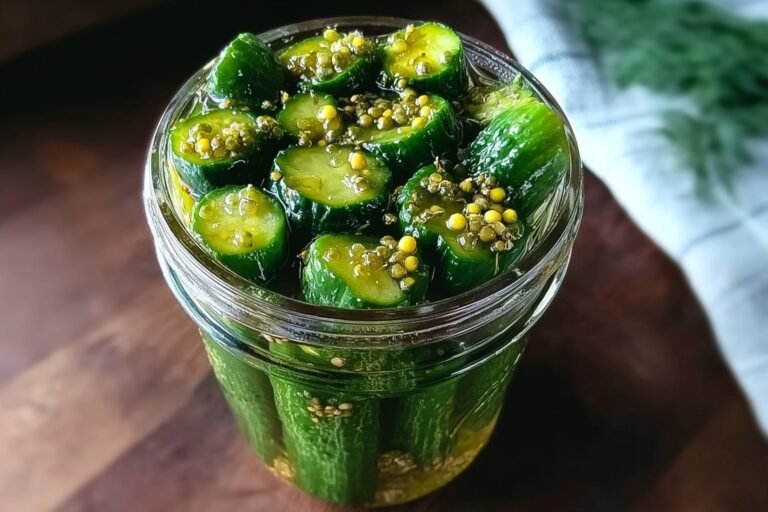
These homemade half-sour style pickles are all about crisp texture, bright garlic flavor, and that fun fizzy brine that makes fermentation feel extra rewarding.
Essential Ingredients for Fermented Pickles
Here is everything you need for this Fermented Pickles recipe. Use fresh cucumbers and clean tools for the best texture and flavor.
Main Ingredients
- 2 to 2.5 pounds pickling cucumbers – Small cucumbers work best because they stay crisp and fit neatly into the jar.
- 5 cups filtered water or tap water that is not overly chlorinated – This becomes the base of the brine.
- 2 tablespoons fine sea salt or Himalayan salt – Salt helps create the fermentation environment and keeps the pickles crunchy.
- 1/4 teaspoon turmeric – Adds warm color and a subtle earthy note.
- 1 teaspoon fennel seeds – Brings a light sweet, herbal flavor.
- 1 teaspoon coriander seeds – Adds a citrusy, warm spice note.
- 1 teaspoon allspice – Gives a deeper, aromatic flavor.
- 1 teaspoon peppercorns – Adds gentle heat and classic pickle spice.
- 1 teaspoon dill seeds – Boosts that familiar dill pickle flavor.
- 1 teaspoon mustard seeds – Adds tangy warmth and a little crunch.
- 1 teaspoon celery seeds – Offers savory, slightly bitter depth.
- 10 to 20 garlic cloves, sliced – The garlic brings big flavor and a delicious aroma.
- 1/2 onion, thinly sliced – Adds a little sharpness and extra savoriness.
- A big handful of fresh dill – Fresh dill is the heart of the flavor here.
- 1 to 3 fresh red chilies or dried arbol chilies or chili flakes – Optional heat for a little kick.
- 3 to 4 bay leaves or a grape leaf or oak leaf – These help support crisp texture, especially if you want a firmer pickle.
Special Dietary Options
- Vegan: This recipe is naturally vegan as written.
- Gluten-free: All ingredients are naturally gluten-free, so no swap is needed.
- Low-calorie: Stick to a smaller serving and keep the brine and spices as written for a light snack.
For a quick refresher on cucumber nutrition, this Healthline article on the benefits of cucumbers is a helpful read.
Ingredient Snapshot
| Ingredient | Amount | Why It Matters |
|---|---|---|
| Pickling cucumbers | 2 to 2.5 pounds | Gives the pickles structure and crunch |
| Water | 5 cups | Forms the brine |
| Salt | 2 tablespoons | Supports fermentation |
| Garlic | 10 to 20 cloves | Adds bold flavor |
| Dill and spices | Several measured teaspoons plus fresh dill | Creates classic pickle flavor |
How to Prepare the Perfect Fermented Pickles: Step-by-Step Guide
Making Fermented Pickles at home is much easier than most people think. The key is a clean jar, the right brine, fresh cucumbers, and a little patience. Once you learn the process, you can repeat it anytime the pickle craving hits.
First Step: Wash and prep the cucumbers
Start by washing 2 to 2.5 pounds of pickling cucumbers very well. Trim off about 1/16 inch from the blossom end of each cucumber, since this part can hold enzymes that make pickles soft. After trimming, place the cucumbers in an ice-water bath for 15 to 30 minutes. This little chill helps them stay extra crisp during fermentation.
Second Step: Mix the brine
In a bowl or pitcher, combine 5 cups of filtered water or tap water that is not overly chlorinated with 2 tablespoons of fine sea salt or Himalayan salt. Stir until the salt is fully dissolved. This creates a 3% brine, which is the sweet spot for half-sour style pickles and helps the natural fermentation process get going.
For crisp Fermented Pickles, the brine matters just as much as the cucumbers. Fresh produce and clean salt water make a big difference.
Third Step: Build the flavor base in the jar
Grab a clean jar and start layering in the flavor makers. Add 1/4 teaspoon turmeric, 1 teaspoon fennel seeds, 1 teaspoon coriander seeds, 1 teaspoon allspice, 1 teaspoon peppercorns, 1 teaspoon dill seeds, 1 teaspoon mustard seeds, and 1 teaspoon celery seeds. Then add 10 to 20 sliced garlic cloves, 1/2 thinly sliced onion, a big handful of fresh dill, and 1 to 3 fresh red chilies or dried arbol chilies or chili flakes. Finish with 3 to 4 bay leaves or use a grape leaf or oak leaf if you have one.
Fourth Step: Pack the cucumbers tightly
Pack the prepared cucumbers into the jar as tightly as you can without smashing them. A snug fit helps keep the cucumbers below the brine and supports even fermentation. If the jar has extra space, tuck in a few more slices of onion, dill, or spices to fill the gaps. The goal is a compact jar with very little floating room.
Fifth Step: Pour in the brine and weigh everything down
Pour the salt water brine over the cucumbers, leaving about 1.5 inches of headroom at the top of the jar. Make sure every cucumber is covered. Use a fermentation weight, a clean small jar, or another safe weight to keep the cucumbers submerged. This step is important because any food sitting above the brine can mold.
Sixth Step: Cover and ferment
Cover the jar loosely so gas can escape while fermentation starts. Place it in a cool, dark place for 3 to 5 days. A temperature around 60 to 70 degrees Fahrenheit is ideal for crispness. By day 2 or 3, you should start seeing bubbles, which is a good sign that the good bacteria are doing their work.
Seventh Step: Taste and watch for signs of readiness
After 3 days, begin tasting a cucumber each day. If you want half-sour pickles, they may be ready in 3 to 5 days. Warmer rooms speed things up, while cooler rooms slow them down. The flavor should be tangy, bright, and lightly salty, with a good crunch.
Final Step: Refrigerate and serve
Once the pickles taste the way you like them, move the jar to the refrigerator to slow fermentation. Refrigeration helps keep the flavor stable and the texture crisp. Serve them cold as a snack, alongside sandwiches, or chopped into a salad for a pop of briny crunch.
Helpful timing at a glance
- Hands-on time: about 15 to 20 minutes
- Total fermentation time: 3 to 5 days
- Best fermentation temperature: 60 to 70 degrees Fahrenheit

Dietary Substitutions to Customize Your Fermented Pickles
Protein and Main Component Alternatives
This recipe does not use a protein, so the main ingredient swaps are all about the cucumbers and flavoring ingredients. If you cannot find small pickling cucumbers, use firm Persian cucumbers or other small cucumbers with thin skins. Just be sure they are fresh, similar in size, and as firm as possible.
If you want a different herb profile, swap some of the dill for fresh thyme or tarragon. You can also use a grape leaf or oak leaf for crunch support if you do not have bay leaves. For the chili component, choose fresh red chilies, dried arbol chilies, or chili flakes based on how much heat you want.
Vegetable, Sauce, and Seasoning Modifications
You can also make the flavor your own. Add carrot sticks, green beans, or cauliflower florets to the jar for a mixed pickle feel. If you like a more classic deli-style profile, keep the garlic and dill front and center and use fewer chilies. If you want a brighter flavor, add a little more coriander and dill seed.
For a stronger ferment, use a slightly firmer brine and let the jar ferment a bit longer, but watch closely so the pickles do not lose their crunch. Busy cooks may like to make two jars at once, one plain and one spicy, so everyone at the table gets a version they love.
Mastering Fermented Pickles: Advanced Tips and Variations
Once you have made a batch or two, you may want to play around with the flavor and texture. These small changes can make a big difference in how your Fermented Pickles turn out.
Pro cooking techniques
- Keep the jar at 60 to 70 degrees Fahrenheit for the crispest results.
- Remove any floating bits right away so mold has less chance to form.
- Use clean hands, clean spoons, and a clean jar to avoid contamination.
- If you want fizzy brine, tighten the lid after fermentation starts and burp it daily to release gas.
Flavor variations
For a more aromatic batch, add extra coriander seed or a few more peppercorns. For a spicier jar, increase the chili flakes or use more fresh red chilies. If you want a softer herbal note, add a little more fresh dill and reduce the onion slightly. You can also try a few sliced radish coins or thin carrot sticks for color and crunch.
Presentation tips
Serve the pickles in a small bowl with some of the brine and a few dill sprigs for a fresh look. They pair nicely with sandwiches, burgers, grain bowls, and picnic plates. For a fun snack board, add cheese, crackers, olives, and sliced vegetables alongside the pickles.
Make-ahead options
These are great for busy schedules because the prep is so quick. You can wash and trim the cucumbers in advance, then make the brine and pack the jar later the same day. If you meal prep, make a batch at the start of the week so they are ready by the weekend.
For more easy meal ideas to serve with pickles, try the flavorful grilled chicken breasts recipe on Kitchen Coast or pair them with this simple pesto pasta dish for a fast lunch plate.
How to Store Fermented Pickles: Best Practices
Refrigeration
After the pickles reach your preferred tang level, store the jar in the refrigerator at 35 to 40 degrees Fahrenheit. This slows fermentation and helps keep the pickles crunchy. Try to keep the cucumbers submerged in brine, and if the level drops, top them off with a little leftover brine.
Freezing
Freezing is not a great option for fermented pickles because the texture can turn soft and watery once thawed. If you need long-term storage, refrigeration is much better for quality.
Reheating
These pickles are meant to be eaten cold, so reheating is not needed. In fact, heat would hurt the crisp texture and change the flavor. Enjoy them straight from the fridge for the best bite.
Meal prep considerations
If you are making a big batch, label the jar with the date so you know when fermentation started. This recipe usually keeps well in the fridge for 1 to 2 months. It is a smart make-ahead snack for lunches, sandwiches, and simple plates.
Nutrition Information
Each serving of these Fermented Pickles is light and flavorful, making it a nice snack or side for many eating styles.
| Nutrient | Per Serving |
|---|---|
| Calories | 16 |
| Sugar | 1.3 grams |
| Sodium | 297.4 milligrams |
| Fat | 0.2 grams |
| Saturated fat | 0 grams |
| Carbohydrates | 3.7 grams |
| Fiber | 0.5 grams |
| Protein | 0.7 grams |
| Cholesterol | 0 milligrams |
FAQs: Frequently Asked Questions About Fermented Pickles
How long does it take to ferment pickles?
Fermented pickles in a 3% salt brine, like half-sour crunchy ones, typically take 3-5 days at room temperature (around 70°F or 21°C). Taste them daily starting on day 3 to check for the right tanginess and crunch. Factors like cucumber size, brine strength, and ambient temperature affect timing—warmer spots speed it up, cooler ones slow it down. Once ready, move to the fridge to halt fermentation and enjoy for weeks. Burp the jar daily to release gases and prevent explosions. This natural lacto-fermentation process builds probiotics without vinegar. (78 words)
What’s the difference between fermented pickles and vinegar pickles?
Fermented pickles use only salt brine for lacto-fermentation by natural bacteria, creating tangy flavor, probiotics, and crunch over days at room temp. Vinegar pickles are quick-pickled in heated vinegar, salt, and spices, ready in hours but lacking live cultures and fizz. Fermented ones offer gut health benefits from beneficial bacteria, while vinegar versions are shelf-stable longer without refrigeration. For home use, start fermented with small cukes in 3-5% brine; vinegar pickles suit beginners wanting speed. Both stay crisp if packed tightly. (92 words)
How do you make fermented pickles at home?
Wash small pickling cucumbers, trim ends, and pack into a quart jar. Mix 2 tbsp non-iodized salt per quart of filtered water for 3-5% brine; pour over cukes leaving 1-inch headspace. Add garlic, dill, or spices. Weigh down with a glass weight or ziplock bag of brine to keep submerged. Cover loosely, ferment 3-5 days at 65-75°F, tasting daily. Skim scum if any, fridge when tangy. Use clean tools to avoid bad bacteria. Yields probiotic-rich, crunchy results in under a week. (96 words)
Can fermented pickles go bad and how do you tell?
Yes, if not submerged or contaminated. Signs of spoilage: mushy texture, off smells like yeast or alcohol (not sour), pink/white mold (skim surface yeast but discard if deep), or sliminess. Good fermentation smells tangy, produces bubbles, and keeps pickles firm. Always use fresh cukes, 3-5% brine, and keep below brine level. If in doubt, toss. Properly fermented and fridged, they last 1-2 months. Burp jars daily during process. Pro tip: add grape/black tea leaves or oak for natural tannins to maintain crunch. (94 words)
How should you store fermented pickles after fermentation?
Once tangy (3-5 days), move the jar to the fridge at 35-40°F to slow fermentation and preserve crunch/probiotics for 1-2 months. Keep submerged in brine; top off with leftover brine if needed. For longer storage, process in a water bath canner for 10 minutes (pint jars) but note heat kills live cultures. Avoid freezing—texture suffers. Label with date. Serve cold for best flavor. If gassy, burp before opening. This keeps your half-sour delights safe and tasty. Link to canning guide for shelf-stable options. (98 words)
Fermented Pickles
🥒🧄 Crunch into probiotic-rich homemade fermented garlic dill pickles – tangy, crisp, and gut-healthy without vinegar!
🥒🧄 Easy preservation method for fresh cukes, customizable spices, perfect snack or burger topper that lasts months.
- Total Time: 3-5 days
- Yield: 2 quarts (8 servings)
Ingredients
– 2 to 2.5 pounds pickling cucumbers
– 5 cups filtered water or tap water that is not overly chlorinated
– 2 tablespoons fine sea salt or Himalayan salt
– 1/4 teaspoon turmeric
– 1 teaspoon fennel seeds
– 1 teaspoon coriander seeds
– 1 teaspoon allspice
– 1 teaspoon peppercorns
– 1 teaspoon dill seeds
– 1 teaspoon mustard seeds
– 1 teaspoon celery seeds
– 10 to 20 garlic cloves, sliced
– 1/2 onion, thinly sliced
– A big handful of fresh dill
– 1 to 3 fresh red chilies or dried arbol chilies or chili flakes
– 3 to 4 bay leaves or a grape leaf or oak leaf
Instructions
1-First Step: Wash and prep the cucumbers Start by washing 2 to 2.5 pounds of pickling cucumbers very well. Trim off about 1/16 inch from the blossom end of each cucumber, since this part can hold enzymes that make pickles soft. After trimming, place the cucumbers in an ice-water bath for 15 to 30 minutes. This little chill helps them stay extra crisp during fermentation.
2-Second Step: Mix the brine In a bowl or pitcher, combine 5 cups of filtered water or tap water that is not overly chlorinated with 2 tablespoons of fine sea salt or Himalayan salt. Stir until the salt is fully dissolved. This creates a 3% brine, which is the sweet spot for half-sour style pickles and helps the natural fermentation process get going.
3-Third Step: Build the flavor base in the jar Grab a clean jar and start layering in the flavor makers. Add 1/4 teaspoon turmeric, 1 teaspoon fennel seeds, 1 teaspoon coriander seeds, 1 teaspoon allspice, 1 teaspoon peppercorns, 1 teaspoon dill seeds, 1 teaspoon mustard seeds, and 1 teaspoon celery seeds. Then add 10 to 20 sliced garlic cloves, 1/2 thinly sliced onion, a big handful of fresh dill, and 1 to 3 fresh red chilies or dried arbol chilies or chili flakes. Finish with 3 to 4 bay leaves or use a grape leaf or oak leaf if you have one.
4-Fourth Step: Pack the cucumbers tightly Pack the prepared cucumbers into the jar as tightly as you can without smashing them. A snug fit helps keep the cucumbers below the brine and supports even fermentation. If the jar has extra space, tuck in a few more slices of onion, dill, or spices to fill the gaps. The goal is a compact jar with very little floating room.
5-Fifth Step: Pour in the brine and weigh everything down Pour the salt water brine over the cucumbers, leaving about 1.5 inches of headroom at the top of the jar. Make sure every cucumber is covered. Use a fermentation weight, a clean small jar, or another safe weight to keep the cucumbers submerged. This step is important because any food sitting above the brine can mold.
6-Sixth Step: Cover and ferment Cover the jar loosely so gas can escape while fermentation starts. Place it in a cool, dark place for 3 to 5 days. A temperature around 60 to 70 degrees Fahrenheit is ideal for crispness. By day 2 or 3, you should start seeing bubbles, which is a good sign that the good bacteria are doing their work.
7-Seventh Step: Taste and watch for signs of readiness After 3 days, begin tasting a cucumber each day. If you want half-sour pickles, they may be ready in 3 to 5 days. Warmer rooms speed things up, while cooler rooms slow them down. The flavor should be tangy, bright, and lightly salty, with a good crunch.
8-Final Step: Refrigerate and serve Once the pickles taste the way you like them, move the jar to the refrigerator to slow fermentation. Refrigeration helps keep the flavor stable and the texture crisp. Serve them cold as a snack, alongside sandwiches, or chopped into a salad for a pop of briny crunch.
Last Step:
Please leave a rating and comment letting us know how you liked this recipe! This helps our business to thrive and continue providing free, high-quality recipes for you.Notes
🌡️ Ferment at 60-70°F for the crispiest, best-textured pickles.
🧼 Keep everything submerged and skim floaters to prevent mold.
🥒 Use fresh, uniform-sized cucumbers for even fermentation.
- Prep Time: 20 minutes
- Fermentation Time: 3-5 days
- Category: Condiments
- Method: Fermenting
- Cuisine: American
- Diet: Vegan, Gluten-Free, Vegetarian, Paleo, Keto
Nutrition
- Serving Size: 1/2 cup
- Calories: 16 kcal
- Sugar: 1.3 g
- Sodium: 297 mg
- Fat: 0.2 g
- Saturated Fat: 0 g
- Unsaturated Fat: 0.2 g
- Trans Fat: 0 g
- Carbohydrates: 3.7 g
- Fiber: 0.5 g
- Protein: 0.7 g
- Cholesterol: 0 mg