
Why You’ll Love This Gochujang Eggs
Author: Stella Romano
My blog shares my passion for cooking by offering a variety of recipes that are simple and accessible to everyone. My ambition is to inspire readers to try new flavors, cook with joy, and create memorable moments around the table.
- Ease of preparation: Gochujang Eggs come together fast: prep time is just 5 minutes and total time is about 15 minutes. The recipe uses basic kitchen tools and an easy boil-and-mash technique, so even busy cooks can pull this together before work or class.
- Health benefits: Eggs are a high-quality protein source and supply essential vitamins and minerals. Combined with a small amount of mayo and sesame oil, this dish balances healthy fats and protein for sustained energy.
- Versatility: This spicy egg salad works on toast, in rice bowls, on sandwiches, or as an appetizer on crackers. It adapts to low-carb diets, vegetarian menus, or heartier bowls with extra protein.
- Distinctive flavor: The creamy mayo meets the fermented, sweet-spicy depth of gochujang and finishes with a nutty note from toasted sesame oil. That combination makes a familiar egg salad feel new and exciting.
Essential Ingredients for Gochujang Eggs
Below is a clear, structured list of every ingredient and its precise measurement for the recipe that makes 2 servings.
Main Ingredients:
- 4 large eggs – the main protein; use large eggs for consistent cooking times
- 1/2 tablespoon gochujang paste – provides fermented chili heat and umami; adjust to taste
- 2 tablespoons mayonnaise – creates a creamy texture and binds the mixture
- 1/2 teaspoon toasted sesame oil – adds a nutty aroma and depth of flavor
- 1/4 teaspoon brown sugar (optional) – balances heat and acid; can be substituted with honey or maple syrup
- Salt – to taste; brightens flavors
- Freshly ground black pepper – to taste; adds mild heat and aroma
Optional for serving:
- 2 thick slices sourdough bread – for toasting and building an open-faced sandwich
- Butter – for spreading on toast to add richness
- 4 tablespoons roughly chopped kimchi – adds crunch, tang, and an extra fermented kick
- 1 teaspoon toasted sesame seeds – for garnish and a subtle crunch
- 1 teaspoon thinly sliced chives or green onion (green parts only) – fresh herb finish
Special Dietary Options:
- Vegan: Substitute hard-cooked eggs with crumbled firm tofu or mashed chickpeas; swap mayonnaise for vegan mayo and keep gochujang for flavor.
- Gluten-free: Most gochujang pastes contain wheat; choose a certified gluten-free gochujang or use a mix of miso and chili paste. Confirm mayonnaise is gluten-free.
- Low-calorie: Use light mayonnaise or a yogurt-based mayo substitute and reduce sesame oil slightly. Serve on leafy greens instead of toast.
How to Prepare the Perfect Gochujang Eggs: Step-by-Step Guide
This step-by-step section walks you through the entire process, from mise en place to serving. Timings and small tips are included so you can get consistently creamy yolks and a smooth sauce.
First Step: Mise en place and prep
Gather and measure all ingredients so you can move quickly. Have an ice bath ready (bowl of ice and cold water) to stop the eggs cooking immediately after boiling. This preserves a creamy yolk and makes peeling easier. If serving on toast, preheat the pan or toaster so the bread is ready when the eggs are mixed.
Second Step: Boil the eggs
Bring a pot of water to a rolling boil. Gently add the 4 large eggs using a slotted spoon to avoid cracking. Set a timer for 7.5 minutes for creamy, nearly hard-boiled yolks that mash well without being runny. If you prefer a softer yolk, reduce the time to 5 minutes; for firmer yolks, extend to up to 10 minutes.
Third Step: Shock and peel
When the timer finishes, immediately transfer the eggs to the ice bath to cool for at least 5 minutes. This stops the cooking process and helps the eggs peel cleanly. Peel under running water if needed; this removes small shell fragments and keeps the whites intact.
Fourth Step: Make the gochujang-mayo sauce
In a small bowl, whisk together 1/2 tablespoon gochujang paste, 2 tablespoons mayonnaise, 1/2 teaspoon toasted sesame oil, and 1/4 teaspoon brown sugar if using. Mix until smooth. Taste and adjust the gochujang to your preferred spice level. If you want more tang, add a small squeeze of lemon or 1/2 teaspoon rice vinegar.
Fifth Step: Mash and fold
Peel and rinse the cooled eggs, then place them in a medium bowl. Use a fork to mash them to your desired texture: leave some chunks for a rustic salad or mash until mostly smooth for a silky spread. Fold the gochujang-mayo mixture into the mashed eggs until evenly coated. Season with salt and freshly ground black pepper to taste. If the mixture is too thick, a teaspoon of water or milk can loosen it slightly.
Sixth Step: Build your toast or bowl
To serve on toast: toast 2 thick slices of sourdough until golden. Spread a thin layer of butter on the warm toast. Spoon 4 tablespoons roughly chopped kimchi over the butter, top with a generous portion of the gochujang egg mixture, and finish with 1 teaspoon toasted sesame seeds and 1 teaspoon thinly sliced chives or green onion (green parts only).
Final Step: Serve and enjoy
Serve the Gochujang Eggs warm on toast or alongside steamed rice and kimchi for a quick meal. Garnish with extra sesame seeds or a drizzle of sesame oil if desired. Leftover egg salad keeps well in an airtight container in the fridge for up to 3 days.
Tip: For the cleanest peel, use eggs that are a few days old rather than freshly laid eggs. Older eggs separate from the shell membrane more easily.

Dietary Substitutions to Customize Your Gochujang Eggs
Protein and Main Component Alternatives
If you need to replace or complement the eggs, these swaps keep the spirit of the dish while fitting dietary needs.
- Vegan protein: Use crumbled firm tofu (press out excess water) or mashed chickpeas to mimic the texture of chopped eggs; mix with vegan mayonnaise and gochujang.
- Extra protein: Stir in shredded cooked chicken or flaked canned tuna for a heartier salad that still pairs well with rice and toast.
- Lower cholesterol: Use more egg whites and fewer yolks, or replace two yolks with mashed silken tofu for creaminess with less cholesterol.
Vegetable, Sauce, and Seasoning Modifications
Swap or add ingredients to reflect seasonality, heat tolerance, or pantry limits.
- Heat adjustments: Use less gochujang for milder flavor or add a pinch of Korean chili flakes (gochugaru) for smoky heat. For a different spicy profile, try sambal oelek or harissa mixed with a small spoon of miso.
- Crunch and freshness: Add diced cucumber, thinly sliced radish, or shredded carrot for texture and a cooling balance to the spicy sauce.
- Acid balance: If the mix tastes too rich, a splash of rice vinegar or a squeeze of lime brightens the dish without changing the texture.
Mastering Gochujang Eggs: Advanced Tips and Variations
Here are techniques and creative twists to improve texture and expand how you serve this recipe.
Pro cooking techniques
- For ultra-smooth egg salad, push the mashed eggs through a fine mesh sieve into the sauce and then fold gently. This creates a spread-like texture perfect for elegant appetizers.
- Warm the gochujang briefly in a small pan with sesame oil before mixing into mayo to release more of the paste’s aroma; cool slightly before combining with eggs to avoid warming the yolks.
- Use an ice bath immediately after boiling to guarantee consistent yolk texture and easy peeling.
Flavor variations
- Sesame-Avocado: Fold in diced avocado for creaminess and fewer mayo calories. Finish with toasted sesame seeds.
- Korean BBQ Twist: Add a small spoon of bulgogi marinade or gochujang mixed with soy sauce and sesame oil for a meaty, savory note.
- Bright Herb Version: Mix in chopped cilantro and a dash of lime for a fresher, brighter profile that pairs well with cucumber slices.
Presentation tips
- Serve on warm sourdough for contrast between creamy egg salad and crunchy toast.
- Use small ramekins for appetizer portions; top each with a sliver of kimchi, a sprinkle of sesame seeds, and a chive for colorful plating.
- For bowls, arrange rice, greens, pickled veggies, and a scoop of gochujang eggs on top for an attractive build.
Make-ahead options
- Boil and peel eggs up to 24 hours ahead and store them in the fridge. Mix with sauce just before serving to keep texture fresh.
- Prepare the gochujang-mayo in advance and refrigerate up to 3 days. Stir before folding into eggs.
- For batch meal prep, store assembled egg salad in an airtight container for up to 3 days. Place a paper towel on top to absorb excess moisture.
How to Store Gochujang Eggs: Best Practices
Proper storage keeps the egg salad safe and flavorful. Below are clear guidelines for refrigeration, freezing, reheating, and meal prep.
Refrigeration
Store assembled gochujang egg salad in an airtight container and refrigerate immediately. It keeps well for up to 3 days. For peak texture and flavor, aim to consume within 48 hours. Use a shallow container to cool quickly after assembling.
Freezing
Freezing is not recommended. The mayonnaise and egg yolks change texture when frozen and thawed yolks become rubbery and the sauce can separate. For long-term planning, freeze hard-boiled whole eggs only for other uses, but avoid freezing the mixed salad.
Reheating
Reheating is unnecessary for this dish. If you prefer warm, briefly return the egg salad to room temperature or gently warm a serving in a microwave-safe bowl for 10-15 seconds and stir. Avoid prolonged heat to prevent separation.
Meal prep considerations
For weekly meal prep, boil and peel large batches of eggs and keep the sauce separate. Combine just before eating for the freshest texture. If transporting, pack the kimchi separately to keep toast crisp.
Nutrition Facts
Per serving nutritional information is helpful for diet-conscious readers. Below is the breakdown included with the recipe:
| Nutrient | Amount per Serving |
|---|---|
| Calories | 472 kcal |
| Carbohydrates | 5 g |
| Protein | 23 g |
| Fat | 40 g (Saturated: 9 g; Polyunsaturated: 17 g; Monounsaturated: 12 g; Trans: 0.1 g) |
| Cholesterol | 666 mg |
| Sodium | 430 mg |
| Potassium | 279 mg |
| Fiber | 0.04 g |
| Sugar | 3 g |
| Vitamin A | 985 IU |
| Vitamin C | 1 mg |
| Calcium | 103 mg |
| Iron | 3 mg |
FAQs: Frequently Asked Questions About Gochujang Eggs
What are gochujang eggs?
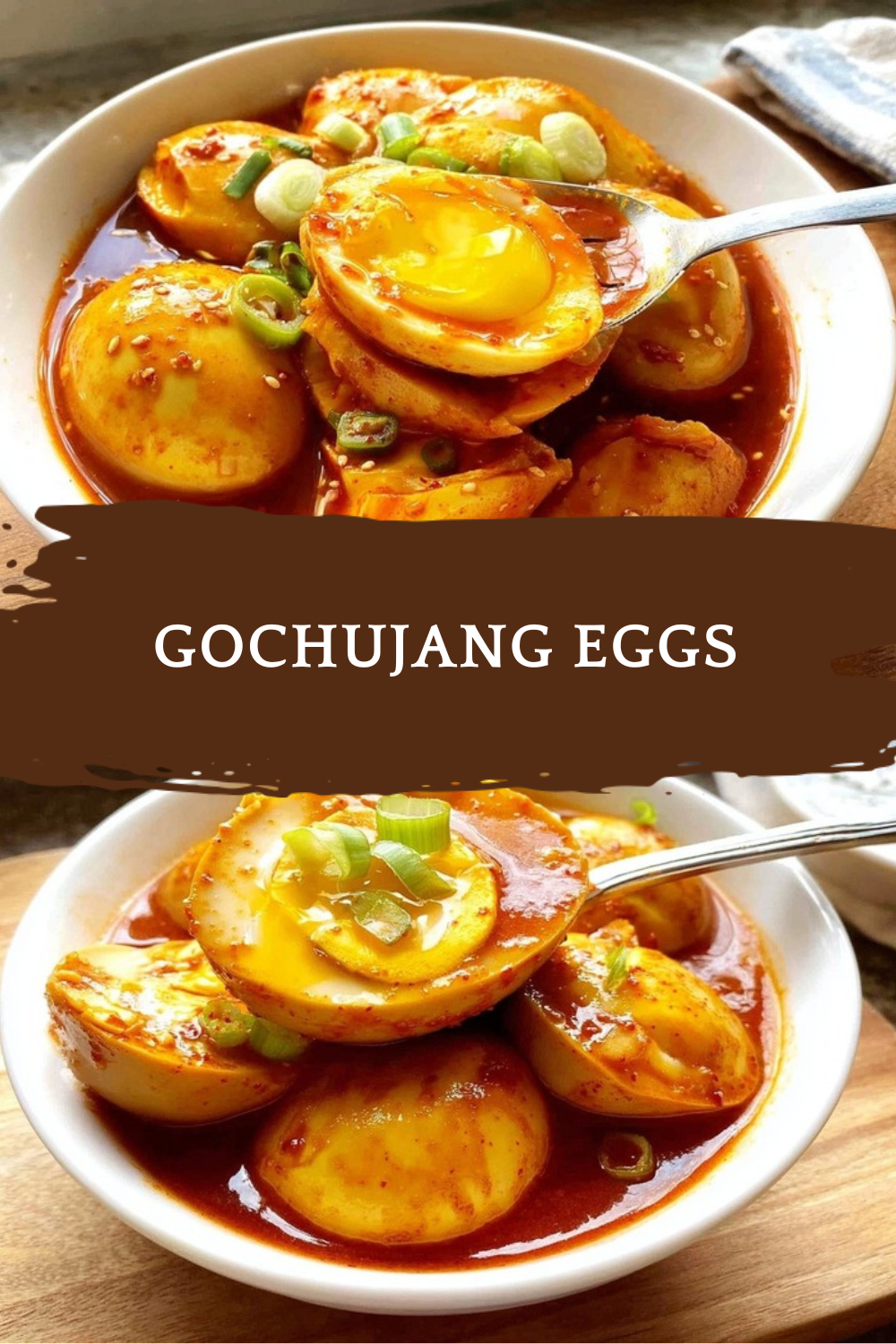
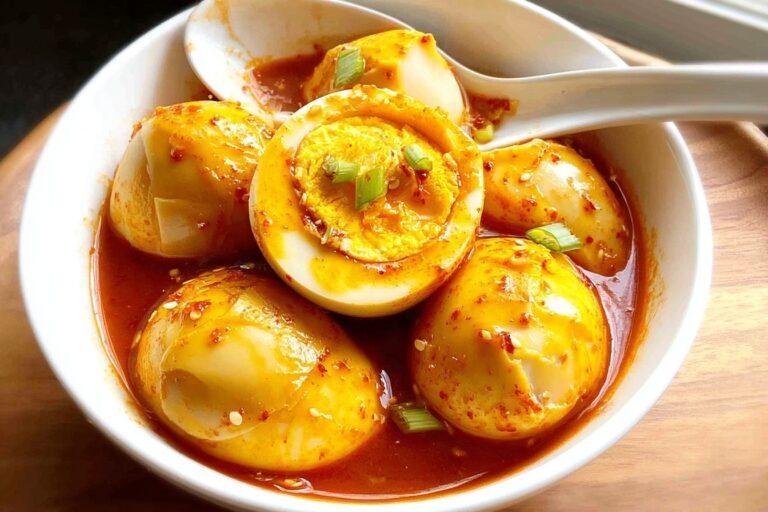
Gochujang eggs are a Korean-inspired dish featuring soft or hard-boiled eggs tossed in a spicy, savory sauce made with gochujang paste, a fermented red chili condiment. The eggs get a glossy coating from the thick paste mixed with mayo, sesame oil, rice vinegar, and garlic for umami depth and a mild heat. This simple recipe transforms basic boiled eggs into a flavorful snack, salad topper, or meal component. Popular in Korean cuisine for their balance of creamy yolks, spicy tang, and subtle sweetness, they’re quick to prepare in under 20 minutes. Perfect for meal prep, they store well and pair with rice, toast, or veggies. Each serving offers about 200 calories, high protein from the eggs, and probiotics from the fermented paste.
How do you make gochujang eggs at home?
To make gochujang eggs, boil 6 eggs for 6-7 minutes for jammy yolks, then cool in ice water and peel. Mix 2 tablespoons gochujang paste, 1 tablespoon mayonnaise, 1 teaspoon sesame oil, 1 teaspoon rice vinegar, 1 minced garlic clove, and a pinch of sugar. Halve the eggs, scoop out yolks if desired, mash with the sauce, and refill or toss whole eggs in it for a coated effect. Garnish with sesame seeds, green onions, or furikake. Total time: 15 minutes. This yields 3 servings. For best results, use room-temperature eggs to prevent cracking. Store leftovers in an airtight container in the fridge for up to 3 days. Adjust gochujang for spice level—start with less if you’re heat-sensitive.
What can I substitute for gochujang in eggs recipe?
If gochujang isn’t available, substitute with 1-2 tablespoons Sriracha mixed with 1 teaspoon miso paste and a dash of honey for similar spicy-umami flavor. Gochugaru chili flakes (1 tablespoon) blended with soy sauce, sugar, and vinegar work as a quick homemade version. For milder options, use sambal oelek or harissa thinned with ketchup. These alternatives mimic the fermented depth but won’t match the exact sweet heat—test small batches. In the eggs recipe, keep other ingredients like mayo and sesame oil the same for creaminess. Always taste and adjust seasoning. This flexibility makes gochujang eggs accessible for beginners while preserving the bold Korean taste profile.
How long do gochujang eggs last in the fridge?
Gochujang eggs, whether as a salad or coated whole, stay fresh in an airtight container in the refrigerator for up to 3 days. The mayo-based sauce and fermented paste help preserve them, but the eggs’ moisture can make them watery after that—best eaten within 48 hours for peak texture and flavor. Do not freeze, as yolks become rubbery and the sauce separates. For make-ahead prep, boil and peel eggs a day early, then mix with sauce just before serving. Signs of spoilage include off smells, sliminess, or discoloration. Pro tip: Layer paper towels in the container to absorb excess moisture. This storage method keeps your high-protein snack (about 15g per serving) ready for lunches or snacks.
What should I serve gochujang eggs with?
Serve gochujang eggs on buttered sourdough toast topped with kimchi for breakfast, over steamed rice or noodles for a quick dinner, or in a banh mi-style sandwich with cucumber and cilantro. As an appetizer, plate with rice crackers, cucumber slices, or bruschetta. Pair with Korean banchan like spinach namul or pickled radish to round out flavors. For low-carb, enjoy with avocado or a green salad. The spicy eggs balance cooling yogurt dip or fresh herbs. One recipe serves 2-4; scale up for parties. This versatile dish shines in meal bowls—add tofu or chicken for protein boosts. Experiment with toppings like nori or chili threads for extra crunch.
Gochujang Eggs
🌶️ Experience the perfect fusion of Korean spice and creamy egg salad that will transform your breakfast routine
🥚 This quick 15-minute recipe delivers restaurant-quality umami flavors with minimal effort for maximum satisfaction
- Total Time: 15 minutes
- Yield: 2 servings
Ingredients
– 4 large eggs
– 1/2 tablespoon gochujang paste for fermented chili heat
– 2 tablespoons mayonnaise for creamy texture
– 1/2 teaspoon toasted sesame oil for nutty aroma
– 1/4 teaspoon brown sugar for balance
– Salt for brightening flavors
– Freshly ground black pepper for mild heat
– 2 thick slices sourdough bread for toasting
– Butter for spreading
– 4 tablespoons roughly chopped kimchi for crunch
– 1 teaspoon toasted sesame seeds for garnish
– 1 teaspoon thinly sliced chives or green onion for garnish
Instructions
1-First Step: Mise en place and prep Gather and measure all ingredients so you can move quickly. Have an ice bath ready (bowl of ice and cold water) to stop the eggs cooking immediately after boiling. This preserves a creamy yolk and makes peeling easier. If serving on toast, preheat the pan or toaster so the bread is ready when the eggs are mixed.
2-Second Step: Boil the eggs Bring a pot of water to a rolling boil. Gently add the 4 large eggs using a slotted spoon to avoid cracking. Set a timer for 7.5 minutes for creamy, nearly hard-boiled yolks that mash well without being runny. If you prefer a softer yolk, reduce the time to 5 minutes; for firmer yolks, extend to up to 10 minutes.
3-Third Step: Shock and peel When the timer finishes, immediately transfer the eggs to the ice bath to cool for at least 5 minutes. This stops the cooking process and helps the eggs peel cleanly. Peel under running water if needed; this removes small shell fragments and keeps the whites intact.
4-Fourth Step: Make the gochujang-mayo sauce In a small bowl, whisk together 1/2 tablespoon gochujang paste, 2 tablespoons mayonnaise, 1/2 teaspoon toasted sesame oil, and 1/4 teaspoon brown sugar if using. Mix until smooth. Taste and adjust the gochujang to your preferred spice level. If you want more tang, add a small squeeze of lemon or 1/2 teaspoon rice vinegar.
5-Fifth Step: Mash and fold Peel and rinse the cooled eggs, then place them in a medium bowl. Use a fork to mash them to your desired texture: leave some chunks for a rustic salad or mash until mostly smooth for a silky spread. Fold the gochujang-mayo mixture into the mashed eggs until evenly coated. Season with salt and freshly ground black pepper to taste. If the mixture is too thick, a teaspoon of water or milk can loosen it slightly.
6-Sixth Step: Build your toast or bowl To serve on toast: toast 2 thick slices of sourdough until golden. Spread a thin layer of butter on the warm toast. Spoon 4 tablespoons roughly chopped kimchi over the butter, top with a generous portion of the gochujang egg mixture, and finish with 1 teaspoon toasted sesame seeds and 1 teaspoon thinly sliced chives or green onion (green parts only).
7-Final Step: Serve and enjoy Serve the Gochujang Eggs warm on toast or alongside steamed rice and kimchi for a quick meal. Garnish with extra sesame seeds or a drizzle of sesame oil if desired. Leftover egg salad keeps well in an airtight container in the fridge for up to 3 days.
Last Step:
Please leave a rating and comment letting us know how you liked this recipe! This helps our business to thrive and continue providing free, high-quality recipes for you.Notes
🌡️ For softer yolks boil eggs for 5 minutes; for firmer yolks boil up to 10 minutes
🍱 Make a double or triple batch and store in an airtight container in the fridge for up to 3 days
🥑 Add fresh avocado slices or serve over rice with steamed vegetables for a complete meal
- Prep Time: 5 minutes
- Cook Time: 10 minutes
- Category: Breakfast
- Method: Boiling
- Cuisine: Korean
- Diet: Gluten-Free
Nutrition
- Serving Size: 1 serving
- Calories: 472 kcal
- Sugar: 3 g
- Sodium: 430 mg
- Fat: 40 g
- Saturated Fat: 9 g
- Unsaturated Fat: 29 g
- Trans Fat: 0.1 g
- Carbohydrates: 5 g
- Fiber: 0.04 g
- Protein: 23 g
- Cholesterol: 666 mg