

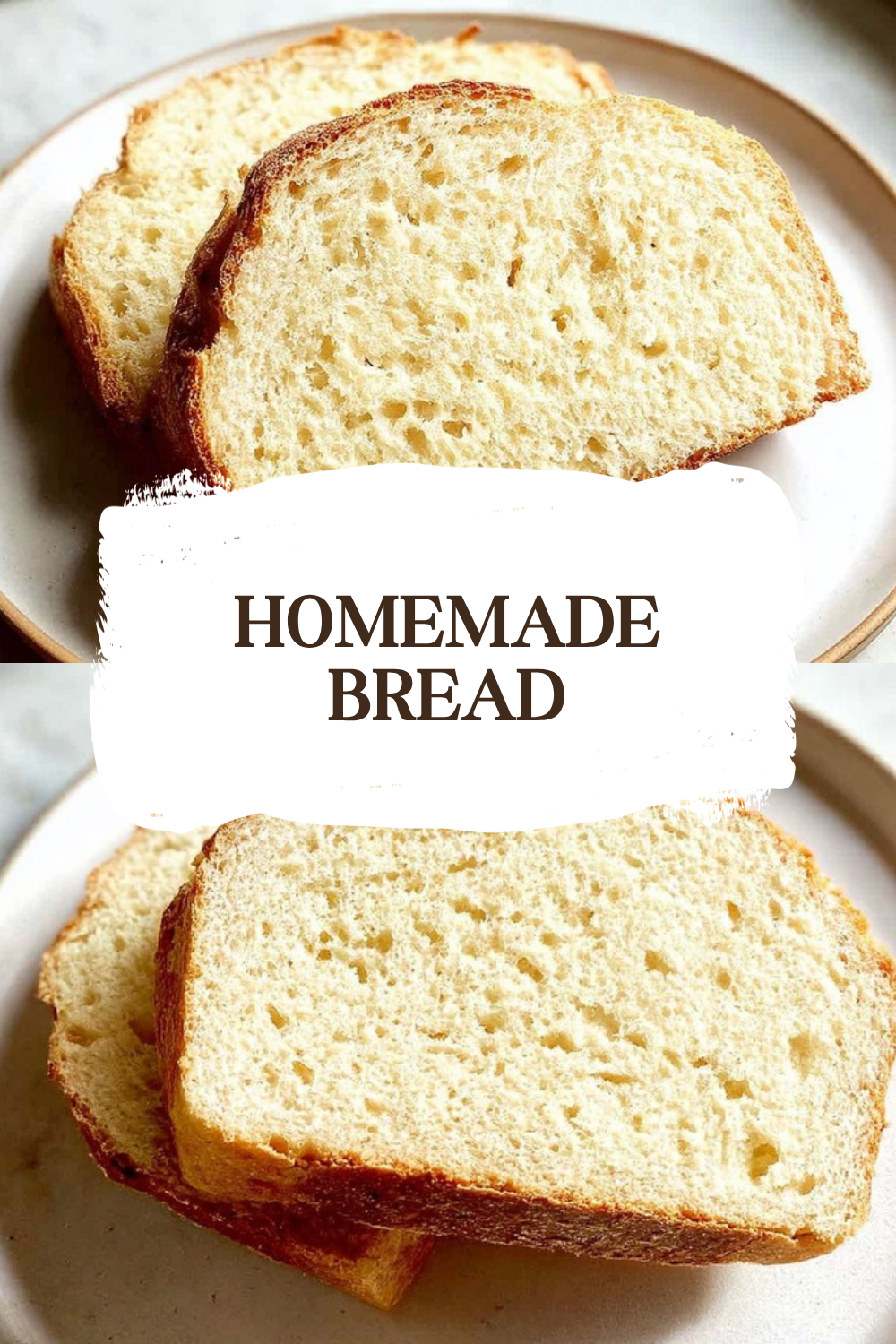
Why You’ll Love This Homemade Bread
By Stella Romano – My blog shares my passion for cooking by offering a variety of recipes that are simple and accessible to everyone. My ambition is to inspire readers to explore new flavors, cook with joy, and create memorable moments around the table.
- Ease of preparation: This homemade bread recipe is straightforward and friendly for busy home cooks. With just six ingredients and simple steps, you can make two full loaves in about 3 hours 45 minutes total time (15 minutes active prep, about 3 hours rising, 30 minutes baking). The clear step-by-step method makes homemade bread accessible to beginners and reliable for experienced bakers.
- Health benefits: Making homemade bread lets you control what goes in. Use white or all-purpose flour for soft sandwich loaves, or swap some flour for whole wheat to add fiber. Because you mix and bake at home, you avoid added preservatives found in many store-bought loaves and can pick healthier oils like canola or a small amount of melted butter for flavor.
- Versatility: This basic homemade bread is a flexible base. Change flavors by rolling one portion with cinnamon-sugar for a swirl loaf or add raisins for raisin bread. You can make it vegan by using oil instead of butter, or adapt hydration and flour types to suit dietary needs.
- Distinctive flavor: The combination of proofed yeast, a touch of sugar or honey, and a short, gentle bake at 350°F yields a golden crust and tender crumb. The smell of fresh homemade bread is inviting and makes the finished loaf taste like comfort.
Looking for a friendly community chat about why homemade bread is worth the effort? Check out this discussion on homemade bread and home cooking inspiration: homemade bread discussion.
Essential Ingredients for Homemade Bread
This structured ingredients list contains every item and exact measurement needed to make two loaves of classic homemade white bread. Each ingredient appears on its own line with the amount first for easy shopping and prep.
- 2 1/2 cups warm water (105-115°F)
- 1 tablespoon active dry yeast (instant or rapid-rise yeast may be substituted)
- 1/4 cup granulated sugar or honey
- 2 teaspoons salt
- 1/4 cup vegetable oil, canola oil, or melted butter
- 6 1/2 – 7 cups bread flour or all-purpose flour (adjust flour gradually until dough is smooth, elastic, and slightly sticky)
Why each ingredient matters:
- Warm water (2 1/2 cups): Activates yeast and hydrates flour. Use a thermometer between 105-115°F for best results.
- Active dry yeast (1 tablespoon): The leavening agent that produces carbon dioxide for rise. Instant yeast may be used as a swap without proofing.
- Sugar or honey (1/4 cup): Feeds the yeast and adds a touch of sweetness that promotes browning and flavor.
- Salt (2 teaspoons): Enhances flavor and controls yeast fermentation for steady rise.
- Oil or melted butter (1/4 cup): Adds tenderness and extends crumb softness while providing richness.
- Flour (6 1/2 – 7 cups): Structure comes from flour and gluten development. Start with 6 1/2 cups and add up to 7 cups as needed until the dough is slightly sticky and elastic.
Special Dietary Options
- Vegan: Use 1/4 cup vegetable oil or canola oil instead of melted butter. Use honey swap with granulated sugar for strict vegan diets.
- Gluten-free: Replace flour with a gluten-free bread flour blend and follow the blend manufacturer’s hydration recommendations. A 1:1 swap rarely works without binders; add 1-2 tablespoons of xanthan gum if your blend does not include it.
- Low-calorie: Reduce oil to 2 tablespoons and use a sugar substitute that measures like sugar. Keep in mind texture and browning may change slightly.
How to Prepare the Perfect Homemade Bread: Step-by-Step Guide
This tested method walks you from proofing the yeast to slicing warm loaves. Follow the steps closely for best results and adapt notes where useful for dietary preferences or tool availability.
Prep times: Active: 15 minutes. Rising: about 3 hours total (1 1/2 hours first rise, 45-60 minutes second rise). Bake: 30-33 minutes. Total about 3 hours 45 minutes.
First Step: Proof the yeast
Measure 2 1/2 cups warm water at 105-115°F. In a small bowl or directly in the mixing bowl, combine 1 tablespoon active dry yeast with 1 teaspoon of the 1/4 cup sugar or honey and the warm water. Stir gently and let sit 5-10 minutes until foamy. If it does not foam, the yeast may be old; discard and start with fresh yeast.
Second Step: Combine base ingredients
In a large bowl or the bowl of a stand mixer, stir in the remaining sugar or honey from the 1/4 cup (subtracting the 1 teaspoon used for proofing), 2 teaspoons salt, 1/4 cup oil or melted butter, and 3 cups of the flour. Add the foamy yeast mixture and mix until blended.
Third Step: Add remaining flour and form dough
Gradually add the remaining 3 1/2 to 4 cups flour while mixing. Stop adding flour when the dough pulls away from the sides of the bowl and forms a slightly sticky ball. If mixing by hand, combine until shaggy and then turn onto a lightly floured surface.
Fourth Step: Knead until smooth
If using a stand mixer with a dough hook, knead on low for about 5 minutes until the dough is smooth and elastic. If kneading by hand, knead for 5-8 minutes by pressing, folding, and turning the dough until it becomes smooth and springy. The dough should be slightly tacky but not overly sticky. Avoid adding too much extra flour to keep the loaf light.
Fifth Step: First rise
Place the dough into a greased bowl, turning once to coat the surface. Cover with a clean towel or plastic wrap. Let rise in a warm spot until doubled in size, about 1 1/2 hours. To speed rising, place dough in an oven warmed to 180°F then turned off with the door cracked open slightly.
Sixth Step: Shape and second rise
Punch down the dough to release gases and divide it into two equal portions. Shape each portion into a loaf and place into greased 9 x 5-inch loaf pans. Cover and let rise until about 1 inch above the pan rims, 45-60 minutes.
Final Step: Bake and finish
Preheat oven to 350°F. Bake the loaves for 30-33 minutes until golden brown and hollow-sounding when tapped on the bottom. Remove loaves from pans, brush tops with butter for a soft crust, and cool on a wire rack for 10-15 minutes before slicing.
Tool notes and adaptations
- If you do not have a stand mixer, a large bowl, wooden spoon, and your hands work perfectly. Hand-kneading builds strength and connection to the dough.
- Instant or rapid-rise yeast may be substituted 1:1 and added directly to dry ingredients, skipping proofing. Rise times may be 20-30% shorter.
- To make cinnamon swirl bread, roll one shaped portion with cinnamon-sugar before placing in pan. For raisin bread, knead in 1 cup raisins after the first knead.
This method keeps the phrase homemade bread natural in each step so search engines and readers recognize the focus of the recipe while staying simple for home cooks.

Dietary Substitutions to Customize Your Homemade Bread
Below are practical alternatives to adapt this homemade bread recipe for different dietary needs and flavor preferences.
Protein and Main Component Alternatives
Changing the main flour or fat affects texture and nutrition. Here are recommended swaps:
- All-purpose flour: Works as a direct swap for bread flour. The dough will be softer with slightly less chew and a modestly lower rise.
- Whole wheat: Replace up to half the flour with whole wheat flour and add 2-4 tablespoons extra water to maintain hydration. Full swaps will produce denser loaves unless extra gluten or vital wheat gluten is added.
- Gluten-free blends: Use a ready-made gluten-free bread flour blend and add xanthan gum if the blend lacks it. Follow the blend’s hydration guidelines; texture differs from wheat bread.
- Fats: Use canola or vegetable oil for vegan loaves; melted butter for richer flavor. Reducing oil will change crumb tenderness.
Vegetable, Sauce, and Seasoning Modifications
Seasonings and mix-ins can elevate your homemade bread. Try these ideas:
- Herb loaves: Add 2-3 tablespoons chopped fresh herbs like rosemary, thyme, or chives into the dough for savory sandwiches.
- Garlic and cheese: Fold in 1 cup grated cheese and 1-2 teaspoons garlic powder for a tasty loaf to serve with soup.
- Sweet variations: Mix 1 cup raisins and 1 teaspoon cinnamon into one portion for raisin bread or roll with cinnamon-sugar for a swirl loaf.
- Seeds and grains: Top shaped loaves with seeds (sesame, poppy, or sunflower) after brushing with water or egg wash for texture and flavor.
These changes help keep homemade bread relevant for diets, seasons, and meal plans while keeping basics intact.
Mastering Homemade Bread: Advanced Tips and Variations
Once you are comfortable with the basic homemade bread process, try these pro tips and creative ideas to make your loaves stand out.
Pro cooking techniques
- Autolyse: Mix flour and water and rest 20-30 minutes before adding yeast, salt, and oil. This can improve gluten structure and crumb openness.
- Windowpane test: Stretch a small piece of dough thinly; if it becomes translucent without tearing, gluten development is good.
- Even baking: Rotate pans halfway through baking if your oven has hot spots. Use an oven thermometer to confirm 350°F for reliable results.
Flavor variations
- Milk-enriched loaf: Replace 1 cup water with milk for a softer crumb and richer taste.
- Honey and oat: Substitute up to half the sugar with honey, and add 1 cup rolled oats for texture.
- Olive oil and herbs: Use high-quality olive oil and fold in 2 tablespoons chopped sun-dried tomatoes and herbs for Mediterranean-style bread.
Presentation tips
- Brush loaves with melted butter after baking for a soft, attractive crust.
- Slice with a serrated bread knife and display on a wooden board with butter or a spread like kale pesto as a delicious pairing.
Make-ahead options
- Refrigerate dough up to 24 hours after kneading and before the first rise for improved flavor and scheduling flexibility.
- Freeze shaped, unbaked loaves up to 3 months; thaw in the fridge and allow a final rise before baking.
These ideas let you customize and refine your homemade bread while fitting baking into a busy life.
How to Store Homemade Bread: Best Practices
Proper storage keeps your homemade bread fresh and tasty. Below are methods for short- and long-term storage plus reheating tips.
Refrigeration
Store baked loaves in an airtight bag or container at room temperature for 2-3 days. If you expect to use bread within 5 days, refrigeration can extend life but will slightly dry the crumb. Wrap loaves tightly in plastic or foil before refrigerating.
Freezing
Freeze baked loaves whole or in slices in freezer-safe resealable bags for up to 3 months. For dough: complete the first rise, shape, place in greased pans, then wrap tightly with plastic and foil and freeze. Thaw overnight in the fridge and allow a second rise at room temperature before baking.
Reheating
To refresh frozen or slightly stale bread, warm in a 350°F oven for 5-10 minutes wrapped in foil. For a crisper crust, remove foil for the last 2 minutes. Microwaving is faster but can make bread gummy; use the oven when possible.
Meal prep considerations
- Slice loaves before freezing so you can pull just a few slices at a time for sandwiches.
- Label bags with dates to track freshness.
Nutrition and Yield
This homemade white bread recipe yields two loaves and roughly 32 slices total. Nutrition per serving (1 slice):
| Nutrient | Per slice |
|---|---|
| Calories | 202 |
| Carbohydrates | 41 g |
| Protein | 5 g |
| Fat | 2 g (1 g saturated) |
| Sodium | 196 mg |
| Potassium | 56 mg |
| Fiber | 1 g |
| Sugars | 3 g |
| Calcium | 8 mg |
| Iron | 2 mg |
FAQs: Frequently Asked Questions About Homemade Bread
Do I need a bread maker or stand mixer to make homemade bread?
No, you don’t need special equipment like a bread maker or stand mixer for homemade bread. This simple white bread recipe works perfectly with basic kitchen tools. Start by mixing ingredients in a large bowl using a wooden spoon until a shaggy dough forms. Then, turn it out onto a lightly floured surface and knead by hand for 8-10 minutes until smooth and elastic. If you have a stand mixer, use the dough hook on low speed for 5-7 minutes to save effort. For bread machines, halve the recipe to fit most models and use the dough cycle. Hand-kneading builds strength and is satisfying for beginners. Always flour your hands and surface to prevent sticking. This approach yields soft, fluffy loaves every time without fancy gadgets. (92 words)
How do I proof yeast for homemade bread?
Proofing yeast ensures it’s active and alive for proper bread rise. In a large bowl or stand mixer bowl, combine 2 1/4 teaspoons active dry yeast, 1 cup warm water (110°F, like wrist-warm), and 1 teaspoon sugar or honey. Stir gently and let sit 5-10 minutes. Look for foaming and bubbling on top—if it doesn’t, discard and use fresh yeast, as dead yeast leads to flat bread. This step activates the yeast’s enzymes, producing carbon dioxide for lift. Test water temperature with a thermometer or your finger; too hot kills yeast, too cold slows it. Once proofed, add to flour, salt, oil, and remaining water per recipe. Proofed yeast guarantees tall, airy homemade bread loaves. Skip for instant yeast. (112 words)
Can I substitute instant yeast for active dry yeast in homemade bread?
Yes, you can swap instant or rapid-rise yeast for active dry yeast 1:1 in homemade bread recipes. The key difference: skip proofing. Add instant yeast directly with dry ingredients like flour and salt in step 2, then mix in liquids. It dissolves faster and rises quicker—often 20-30% shorter time for first and second rises. Use 2 1/4 teaspoons per loaf. Instant yeast is more reliable for beginners since no foaming test is needed. Results in soft crumb and great flavor, though active dry gives a slightly tangier taste from proofing. Store both in the fridge for longer life. Always check expiration dates. This sub works seamlessly for white, whole wheat, or enriched doughs. (108 words)
What flour works best for homemade bread recipes?
Both bread flour and all-purpose flour make excellent homemade bread with no recipe changes. Bread flour (12-14% protein) creates a chewier texture and higher rise due to more gluten—ideal for artisan loaves. All-purpose (10-12% protein) yields softer, everyday sandwich bread. Measure by weight for accuracy: 4 1/2 cups bread flour is about 540g. Don’t sub whole wheat 1:1; it absorbs more liquid and lacks gluten, so replace half with white flour and add 2-4 extra tablespoons water. For fluffier results, sift flour to aerate. King Arthur or Gold Medal brands perform consistently. Test dough windowpane for readiness. These options keep your bread tall and tender without adjustments. (104 words)
How do I freeze homemade bread dough or baked loaves?
Freezing preserves homemade bread flavor and freshness easily. For dough: prepare through first rise, shape into loaves, place in greased freezer pans, cover tightly with plastic wrap and foil, and freeze up to 3 months. Thaw overnight in fridge, then rise at room temp 1-2 hours before baking. For baked bread: cool fully, slice or whole, bag in freezer-safe resealable bags (squeeze out air), and freeze up to 3 months. Thaw at room temp or overnight in fridge; refresh in 350°F oven 5-10 minutes wrapped in foil. Make-ahead tip: fridge shaped dough up to 24 hours post-first rise. Label with dates. Freezing retains moisture better than room storage, avoiding waste. (110 words)
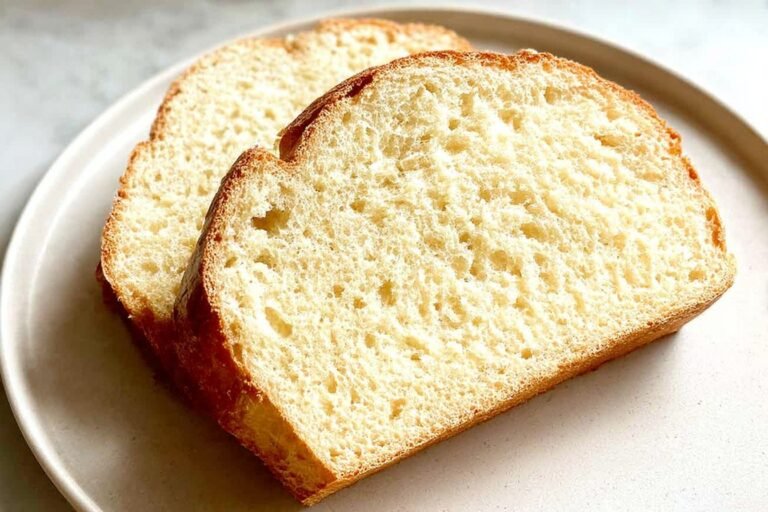
Homemade Bread
🍞 Experience the satisfaction of baking perfect homemade bread with just six simple ingredients
🥖 Create bakery-quality loaves with soft, tender crumb and golden crust right in your own kitchen
- Total Time: 3 hours 18 minutes
- Yield: 2 loaves (32 slices) 1x
Ingredients
2 1/2 cups warm water (105-115°F)
1 tablespoon active dry yeast
1/4 cup granulated sugar or honey
2 teaspoons salt
1/4 cup vegetable oil, canola oil, or melted butter
6 1/2 – 7 cups bread flour or all-purpose flour
Instructions
1-First Step: Proof the yeast Measure 2 1/2 cups warm water at 105-115°F. In a small bowl or directly in the mixing bowl, combine 1 tablespoon active dry yeast with 1 teaspoon of the 1/4 cup sugar or honey and the warm water. Stir gently and let sit 5-10 minutes until foamy. If it does not foam, the yeast may be old; discard and start with fresh yeast.
2-Second Step: Combine base ingredients In a large bowl or the bowl of a stand mixer, stir in the remaining sugar or honey from the 1/4 cup (subtracting the 1 teaspoon used for proofing), 2 teaspoons salt, 1/4 cup oil or melted butter, and 3 cups of the flour. Add the foamy yeast mixture and mix until blended.
3-Third Step: Add remaining flour and form dough Gradually add the remaining 3 1/2 to 4 cups flour while mixing. Stop adding flour when the dough pulls away from the sides of the bowl and forms a slightly sticky ball. If mixing by hand, combine until shaggy and then turn onto a lightly floured surface.
4-Fourth Step: Knead until smooth If using a stand mixer with a dough hook, knead on low for about 5 minutes until the dough is smooth and elastic. If kneading by hand, knead for 5-8 minutes by pressing, folding, and turning the dough until it becomes smooth and springy. The dough should be slightly tacky but not overly sticky. Avoid adding too much extra flour to keep the loaf light.
5-Fifth Step: First rise Place the dough into a greased bowl, turning once to coat the surface. Cover with a clean towel or plastic wrap. Let rise in a warm spot until doubled in size, about 1 1/2 hours. To speed rising, place dough in an oven warmed to 180°F then turned off with the door cracked open slightly.
6-Sixth Step: Shape and second rise Punch down the dough to release gases and divide it into two equal portions. Shape each portion into a loaf and place into greased 9 x 5-inch loaf pans. Cover and let rise until about 1 inch above the pan rims, 45-60 minutes.
7-Final Step: Bake and finish Preheat oven to 350°F. Bake the loaves for 30-33 minutes until golden brown and hollow-sounding when tapped on the bottom. Remove loaves from pans, brush tops with butter for a soft crust, and cool on a wire rack for 10-15 minutes before slicing.
Last Step:
Please leave a rating and comment letting us know how you liked this recipe! This helps our business to thrive and continue providing free, high-quality recipes for you.Notes
🌡️ Use fresh yeast and always proof it first to confirm viability – refrigerate extras for longer shelf life
🥖 Avoid adding excess flour for a lighter texture – dough should be smooth, elastic, and slightly sticky
⏰ Speed up rising by placing dough in an off oven preheated to 180°F with door ajar
- Prep Time: 15 minutes
- Rising Time: 2 hours 30 minutes
- Cook Time: 33 minutes
- Category: Bread
- Method: Baking
- Cuisine: American
- Diet: Vegetarian
Nutrition
- Serving Size: 1 slice
- Calories: 202
- Sugar: 3g
- Sodium: 196mg
- Fat: 2g
- Saturated Fat: 1g
- Unsaturated Fat: 1g
- Trans Fat: 0g
- Carbohydrates: 41g
- Fiber: 1g
- Protein: 5g
- Cholesterol: 0mg