
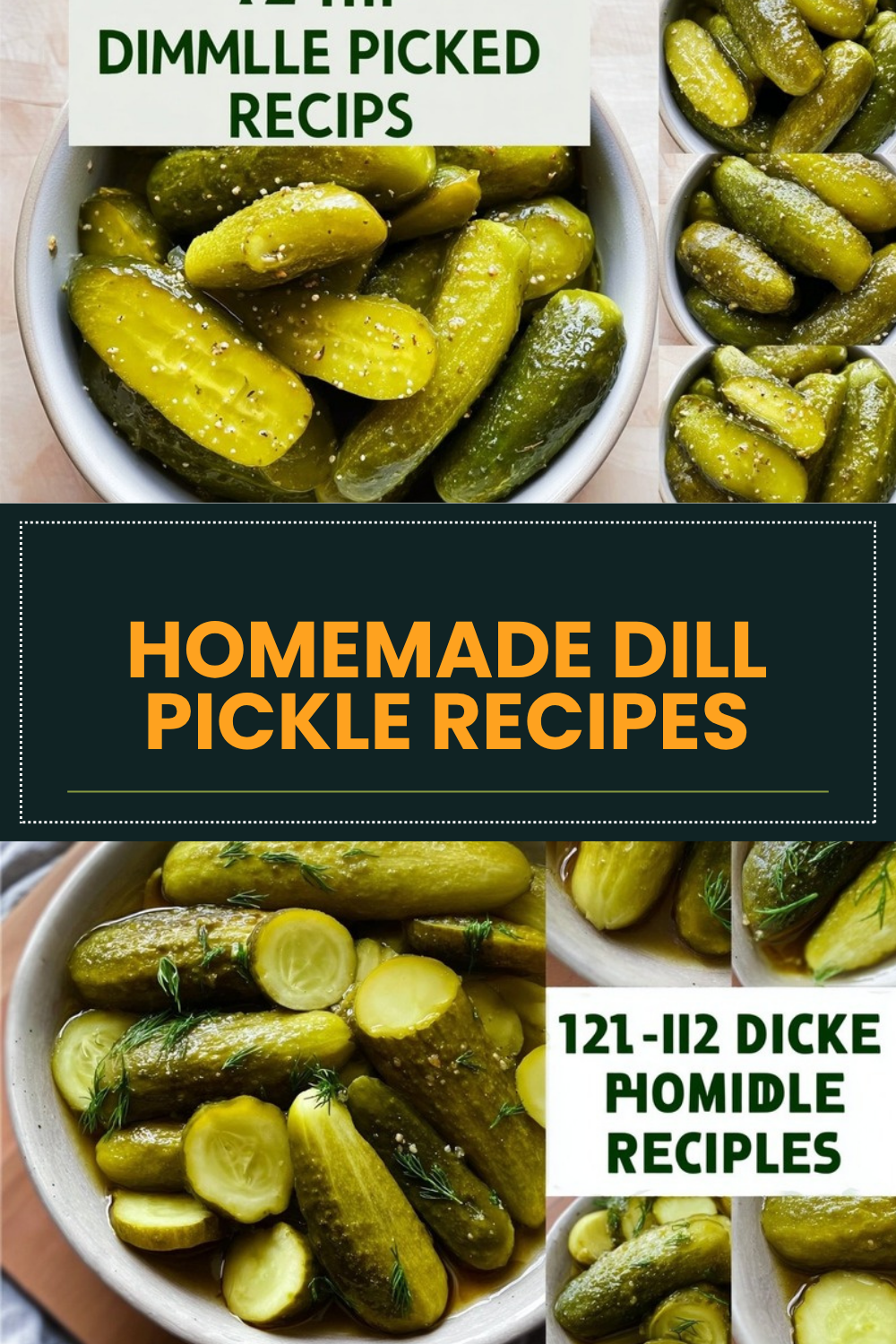
Why You’ll Love These Homemade Dill Pickle Recipes
If you have been looking for Homemade Dill Pickle Recipes that are crisp, tangy, and easy to make, this one fits right into real life. It uses simple pantry ingredients, takes just minutes to prep, and gives you that fresh pickle flavor you do not always get from a store-bought jar. For busy parents, students, and working professionals, this is the kind of recipe that feels doable on a weeknight.
- Easy preparation: You only need about 10 minutes of prep and 1 minute of cooking time. Slice the cucumbers, pack the jars, heat the brine, and chill. That is it.
- Good for many eating styles: These pickles are naturally vegetarian, and they can fit into diet-conscious meal plans since they are low in calories and made without heavy ingredients.
- Flexible use: Add them to sandwiches, burgers, salads, grain bowls, or serve them as a snack straight from the fridge.
- Bold flavor: The mix of garlic, mustard seeds, peppercorns, dill, vinegar, and a little sugar creates that classic dill pickle taste with a bright crunch.
For a quick dinner idea, these pickles pair well with simple grilled chicken breasts or alongside a plate of easy pesto pasta. They bring a fresh, sharp bite that makes everyday meals feel a little more fun.
Once you make your own pickles at home, it is easy to see why they are such a great fridge staple. They are fast, tasty, and always handy when you need a crunchy side or snack.
According to WebMD’s pickles nutrition guide, pickles can be a flavorful add-on when enjoyed in sensible portions. That is part of what makes this recipe a nice fit for people who want big flavor without a heavy dish.
Essential Ingredients for Homemade Dill Pickle Recipes
Below is the full ingredient list for this easy quick pickle recipe. Every item matters because each one plays a role in the crunch, flavor, and balance of the brine.
Main Ingredients
- 12 to 14 Persian cucumbers or 8 to 10 pickling cucumbers – These are the best cucumbers for a crisp bite and a clean pickle flavor.
- 4 garlic cloves, halved – Garlic gives the brine a savory kick.
- 2 teaspoons mustard seeds – Adds warm, sharp flavor in the background.
- 2 teaspoons peppercorns – Brings gentle spice and depth.
- Fresh dill sprigs, a few per jar – Dill gives these pickles their classic fresh, herby taste.
- 2 cups water – Helps form the base of the brine.
- 2 cups white vinegar – Supplies the tang and acidity needed for quick pickling.
- 1/4 cup sugar – Balances the vinegar and salt without making the pickles sweet.
- 2 tablespoons salt – Draws out flavor and supports the brining process.
Special Dietary Options
- Vegan: This recipe is already vegan as written.
- Gluten-free: All the listed ingredients are naturally gluten-free, but always check packaged vinegar and spices if you have a sensitivity.
- Low-calorie: Reduce the sugar slightly if you want a lighter brine, though a little sugar helps the flavor stay balanced.
| Ingredient | Purpose | Swap Idea |
|---|---|---|
| Cucumbers | Crunch and structure | Use Persian or pickling cucumbers |
| White vinegar | Tang and preservation | Stick with a mild vinegar for best results |
| Sugar | Balances sharpness | Reduce slightly for a less sweet brine |
| Dill | Classic flavor | Use fresh dill sprigs or dill seeds |
How to Prepare the Perfect Homemade Dill Pickle Recipes: Step-by-Step Guide
First Step: Prep the cucumbers and jars
Start by washing the cucumbers well. For the best crunch, use Persian cucumbers or pickling cucumbers, since they stay firmer than many regular slicing cucumbers. You can slice them into spears or chips depending on how you want to use them later. Spears are great for snacking and sandwiches, while chips work well on burgers and in salads.
Next, get your jars ready. Clean, dry jars help keep the pickles fresh in the fridge. You do not need a full canning setup for this quick fridge pickle recipe, but your jars should still be clean and airtight. A wide-mouth jar is handy because it makes packing the cucumbers much easier.
Second Step: Pack the flavor into each jar
Divide the cucumber pieces among the jars. Then add the garlic cloves, mustard seeds, peppercorns, and fresh dill sprigs to each jar. Try to spread the seasonings out evenly so every jar gets a good mix of flavor.
If you want a stronger dill taste, add a little more fresh dill. If you like a sharper pickle, keep the peppercorns and mustard seeds near the top so the brine can flow past them and pull out their flavor. This step is simple, but it makes a big difference in how the pickles taste later.
Third Step: Make the brine
Set a small saucepan on the stove and add the water, white vinegar, sugar, and salt. Heat the mixture just until the sugar and salt dissolve. You do not need a rolling boil. A gentle heat is enough for this recipe because the goal is to make a quick brine, not a cooked pickle.
Once everything dissolves, remove the pan from the heat and let the brine cool slightly. It should still be warm, but not scorching hot. This helps protect the crunch of the cucumbers once you pour it over them.
Tip: sugar is not there to make the pickles sweet. It just smooths out the sharp vinegar and salt so the flavor tastes balanced.
Fourth Step: Fill the jars with brine
Carefully pour the warm brine over the cucumbers in each jar. Make sure the cucumbers are covered well. If needed, gently press them down with a clean spoon so they sit under the liquid. Leave a little room at the top of the jar so the brine does not spill when you close it.
Once the jars are filled, let them cool to room temperature. This part matters because sealing in too much heat can soften the cucumbers. Cooling first helps keep the texture crisper.
Fifth Step: Chill and wait for the flavor
After the jars cool, place the lids on and move them to the refrigerator. The pickles begin tasting good after a short rest, but they really shine after a little patience. Pickle chips are usually ready in 1 day. Pickle spears need about 2 days, and the best flavor comes after 5 to 6 days.
That wait may feel long if you are excited, but it is worth it. The brine needs time to work through the cucumbers so the flavor reaches the center. For the best texture and taste, wait at least 1 to 2 days before serving, especially if you made spears.
Final Step: Serve and enjoy
Once the pickles are ready, serve them cold straight from the jar. They are great on sandwiches, burgers, salads, or as a crunchy snack. You can also chop them into relish-style pieces for potato salad or egg salad. If you are serving them with dinner, they pair nicely with baked chicken, pasta, or simple rice bowls.
For another easy dinner idea that would taste great with a side of pickles, try these braised chicken thighs. The rich, savory meat and bright pickle crunch are a really nice match.

Dietary Substitutions to Customize Your Homemade Dill Pickle Recipes
Protein and Main Component Alternatives
Since this recipe is a pickle recipe, the main ingredient is the cucumber, and there are a few easy ways to swap it based on what you can find. Persian cucumbers are usually the best choice because they are small, crisp, and have fewer seeds. Pickling cucumbers also work very well and are a classic option for homemade pickles.
If you only have standard cucumbers, you can still use them. Just slice them into chips and remove some of the seeds if they are large. That said, very soft or overripe cucumbers will not give you the crunch you want. Freshness matters a lot here.
Vegetable, Sauce, and Seasoning Modifications
You can change the flavor in a few simple ways without losing the spirit of the recipe. If you want more heat, add crushed red pepper flakes. If you like a stronger herb flavor, add extra dill sprigs. For a slightly different spice note, some cooks add coriander seeds or a bay leaf.
You can also reduce the sugar if you want a sharper, less rounded brine. Just know that a little sugar helps balance the vinegar and salt. If you want to keep things very simple, you can stick with the base recipe exactly as written and still get a great result.
- More heat: Add crushed red pepper flakes.
- More herb flavor: Add extra dill sprigs.
- Sharper taste: Reduce the sugar a little.
- More spice depth: Try coriander seeds or a bay leaf.
Mastering Homemade Dill Pickle Recipes: Advanced Tips and Variations
A few small habits can make a big difference in how your pickles turn out. First, always choose firm cucumbers. Soft cucumbers will stay soft after pickling, no matter how good the brine is. Second, cut the pieces evenly so they pickle at about the same speed. Thin chips will be ready sooner than thick spears.
Pro cooking techniques
If you want even better texture, chill the cucumbers before slicing. Cold cucumbers tend to stay crisper in the jar. You can also reuse the brine for a second small batch, though the flavor will be a little lighter the second time around. Always use clean utensils when handling the jars so the pickles stay fresh longer.
Flavor variations
Try adding crushed red pepper for heat, or swap in dill seeds if you do not have fresh dill. A few slices of onion can also give the brine a sharper edge. Some people like a sweeter version, while others prefer a more sour finish. That is the fun part of homemade pickles. You can adjust the flavor to fit your own taste.
Presentation tips
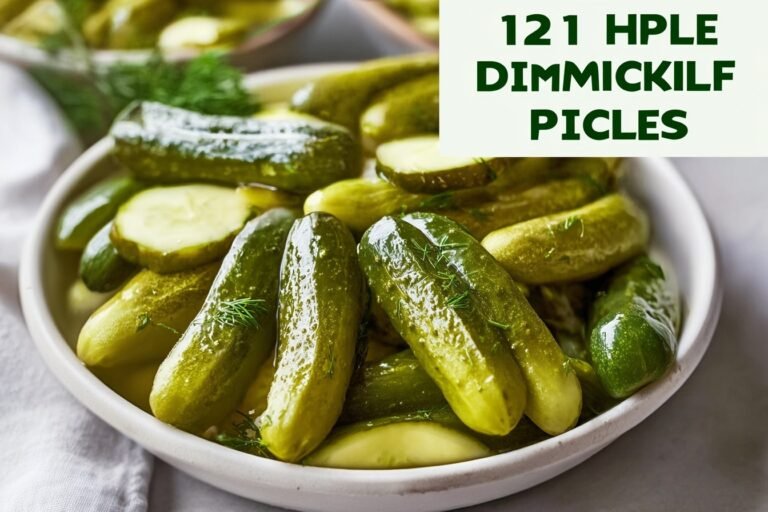
For serving, place the pickles in a small bowl and top them with a little fresh dill. If you are making a snack board, pair them with cheese, crackers, boiled eggs, and sliced tomatoes. Pickles also make a bright side for lunch boxes and meal prep containers.
Make-ahead options
This recipe is a great make-ahead choice because the jars keep in the fridge for weeks. Make a batch on the weekend, then use them through the week for quick meals. They are especially handy for sandwiches, salads, burgers, and wraps. If you are planning meals ahead of time, these pickles are one of the easiest fridge staples to keep around.
How to Store Homemade Dill Pickle Recipes: Best Practices
Store the cooled pickles in airtight jars in the refrigerator. They will stay fresh for several weeks, and the flavor often gets better after the first couple of days. Keep them cold at all times and use a clean fork or spoon each time you take some out.
This quick pickle recipe is made for fridge storage, not long-term pantry canning. Freezing is not a good option because it changes the texture and makes the cucumbers lose their crunch. Reheating is not needed either. These are meant to be eaten cold.
- Refrigeration: Keep the jars sealed and chilled for best flavor and crunch.
- Freezing: Not recommended for this quick pickle recipe because the texture becomes soft.
- Reheating: Not needed. Serve straight from the fridge.
- Meal prep: Make a few jars at once and use them across lunches and dinners through the week.
FAQs: Frequently Asked Questions About Homemade Dill Pickle Recipes
What ingredients do I need for homemade dill pickles?
For a basic batch of homemade dill pickles that yields about 4 pint jars, gather these fresh ingredients: 4 pounds of small Kirby or Persian cucumbers (washed and trimmed), 4 cups white vinegar, 4 cups water, 1/4 cup pickling salt, 8 garlic cloves (peeled and smashed), 4 teaspoons dill seeds (or 8 fresh dill heads), 2 teaspoons black peppercorns, 2 teaspoons mustard seeds, and optional red pepper flakes for heat. Use pickling salt to avoid clouding the brine. Slice cucumbers into spears or chips for faster pickling. This simple mix creates crisp, tangy dill pickles ready in 24 hours in the fridge or after canning. Scale up as needed and always sterilize jars first for safety. Total prep time: 20 minutes. (92 words)
What are the best jars for making homemade dill pickles?
Ball Mason jars are a classic option for pickling homemade dill pickles. I love the brand’s wide-mouth pints, especially because you can get them in a pack of 12 for under $16 at Target. That’s just under $1.30 a jar! They’re dishwasher-safe, reusable, and create a completely airtight seal with their two-piece lids, preventing spoilage. For dill pickles, pint-sized jars (16 oz) hold spears perfectly without overcrowding. Avoid thin glass or recycled jars, as they may crack during processing. Always inspect for chips and sterilize by boiling for 10 minutes. These jars work for both fridge pickles and water bath canning. (98 words)
How do you make homemade dill pickles step by step?
Start by sterilizing pint jars and lids in boiling water for 10 minutes. Pack each jar tightly with cucumber spears or slices, adding 2 garlic cloves, 1 teaspoon dill seeds, 1/2 teaspoon peppercorns, and 1/2 teaspoon mustard seeds per jar. Boil 4 cups water, 4 cups vinegar, and 1/4 cup pickling salt until dissolved. Pour hot brine over cucumbers, leaving 1/2-inch headspace. Wipe rims, apply lids, and process in a boiling water bath for 10 minutes (adjust for altitude). For fridge pickles, skip canning and refrigerate 24-48 hours. Cool completely before storing. Taste after 1 week for peak flavor—crisp and garlicky! Yields 4 pints. (112 words)
How long do homemade dill pickles last?
Properly canned homemade dill pickles last up to 18 months in a cool, dark pantry when sealed correctly—check for a firm lid pop. Once opened, refrigerate and use within 2 months for best crunch. Quick fridge pickles (no canning) stay fresh 1-2 months in the fridge. Freezing pickled cucumbers extends life up to 6 months; thaw in fridge before eating. Signs of spoilage: bulging lids, off odors, mushiness, or mold—discard immediately. For safety, follow USDA guidelines: maintain acidity above pH 4.6 with vinegar brine. Track dates on jars. Most taste best within 3-6 months. Always use clean utensils to avoid contamination. (104 words)
Why are my homemade dill pickles soft and how do I fix it?
Soft homemade dill pickles often result from using overripe cucumbers, low brine acidity, or overheating. Fix by selecting firm, fresh Kirby cucumbers under 4 inches—avoid waxed grocery ones. Add 1/2 teaspoon calcium chloride (pickle crisp) per quart to jars for crunch. Use a 5% acidity vinegar and hot-pack method: briefly blanch cucumbers in brine before jarring. Process promptly in water bath—no longer than 10 minutes. Avoid tight-packing; leave headspace. For next batch, chill spears overnight before brining. Common stat: 90% of softness comes from cucumber quality. Test one jar after 2 weeks; if soft, adjust salt to 1/4 cup per quart. Results in snappy pickles every time. (108 words)
Homemade Dill Pickle Recipes
🥒🌿 Crunch into easy homemade dill pickles – tangy, garlicky fridge pickles with unbeatable fresh crunch in days!
🥒🫙 No canning hassle, customizable spices, vegan snack boost for burgers, salads, or straight from the jar.
- Total Time: 1 day 11 minutes
- Yield: 2-3 pint jars (about 40 servings)
Ingredients
– 12 to 14 Persian cucumbers or 8 to 10 pickling cucumbers for a crisp bite and a clean pickle flavor
– 4 garlic cloves, halved for a savory kick
– 2 teaspoons mustard seeds for warm, sharp flavor in the background
– 2 teaspoons peppercorns for gentle spice and depth
– Fresh dill sprigs, a few per jar for classic fresh, herby taste
– 2 cups water for the base of the brine
– 2 cups white vinegar for tang and acidity needed for quick pickling
– 1/4 cup sugar for balancing the vinegar and salt
– 2 tablespoons salt for drawing out flavor and supporting the brining process
Instructions
1-First Step: Prep the cucumbers and jars Start by washing the cucumbers well. For the best crunch, use Persian cucumbers or pickling cucumbers, since they stay firmer than many regular slicing cucumbers. You can slice them into spears or chips depending on how you want to use them later. Spears are great for snacking and sandwiches, while chips work well on burgers and in salads. Next, get your jars ready. Clean, dry jars help keep the pickles fresh in the fridge. You do not need a full canning setup for this quick fridge pickle recipe, but your jars should still be clean and airtight. A wide-mouth jar is handy because it makes packing the cucumbers much easier.
2-Second Step: Pack the flavor into each jar Divide the cucumber pieces among the jars. Then add the garlic cloves, mustard seeds, peppercorns, and fresh dill sprigs to each jar. Try to spread the seasonings out evenly so every jar gets a good mix of flavor. If you want a stronger dill taste, add a little more fresh dill. If you like a sharper pickle, keep the peppercorns and mustard seeds near the top so the brine can flow past them and pull out their flavor. This step is simple, but it makes a big difference in how the pickles taste later.
3-Third Step: Make the brine Set a small saucepan on the stove and add the water, white vinegar, sugar, and salt. Heat the mixture just until the sugar and salt dissolve. You do not need a rolling boil. A gentle heat is enough for this recipe because the goal is to make a quick brine, not a cooked pickle. Once everything dissolves, remove the pan from the heat and let the brine cool slightly. It should still be warm, but not scorching hot. This helps protect the crunch of the cucumbers once you pour it over them.
4-Fourth Step: Fill the jars with brine Carefully pour the warm brine over the cucumbers in each jar. Make sure the cucumbers are covered well. If needed, gently press them down with a clean spoon so they sit under the liquid. Leave a little room at the top of the jar so the brine does not spill when you close it. Once the jars are filled, let them cool to room temperature. This part matters because sealing in too much heat can soften the cucumbers. Cooling first helps keep the texture crisper.
5-Fifth Step: Chill and wait for the flavor After the jars cool, place the lids on and move them to the refrigerator. The pickles begin tasting good after a short rest, but they really shine after a little patience. Pickle chips are usually ready in 1 day. Pickle spears need about 2 days, and the best flavor comes after 5 to 6 days. That wait may feel long if you are excited, but it is worth it. The brine needs time to work through the cucumbers so the flavor reaches the center. For the best texture and taste, wait at least 1 to 2 days before serving, especially if you made spears.
6-Final Step: Serve and enjoy Once the pickles are ready, serve them cold straight from the jar. They are great on sandwiches, burgers, salads, or as a crunchy snack. You can also chop them into relish-style pieces for potato salad or egg salad. If you are serving them with dinner, they pair nicely with baked chicken, pasta, or simple rice bowls. For another easy dinner idea that would taste great with a side of pickles, try these braised chicken thighs. The rich, savory meat and bright pickle crunch are a really nice match.
Last Step:
Please leave a rating and comment letting us know how you liked this recipe! This helps our business to thrive and continue providing free, high-quality recipes for you.Notes
🥒 Use Persian or pickling cucumbers for the crispiest texture – avoid regular ones.
⚖️ Sugar balances vinegar tang without making them sweet; adjust to taste.
⏳ Refrigerate at least 1-2 days for flavor; stores weeks in airtight jars.
- Prep Time: 10 minutes
- Chilling Time: 1-2 days
- Cook Time: 1 minute
- Category: Condiments
- Method: Quick Pickling
- Cuisine: American
- Diet: Vegan, Gluten-Free, Vegetarian
Nutrition
- Serving Size: 1 pickle spear
- Calories: 15 kcal
- Sugar: 2 g
- Sodium: 400 mg
- Fat: 0 g
- Saturated Fat: 0 g
- Unsaturated Fat: 0 g
- Trans Fat: 0 g
- Carbohydrates: 3 g
- Fiber: 1 g
- Protein: 0 g
- Cholesterol: 0 mg