
Why You’ll Love This Korean Fire Chicken
When I first discovered Korean Fire Chicken, also known as Cheese Buldak or 치즈불닭, I was instantly hooked by its bold flavors and irresistible combination of spicy, sweet, and creamy elements. This dish has become a weeknight favorite in my kitchen, and I’m excited to share why it deserves a spot in your cooking rotation too.
- Ease of preparation: Despite its complex flavor profile, this Korean Fire Chicken recipe comes together in just 25 to 30 minutes. The marinade takes minutes to whisk together, and the chicken cooks quickly in a single pan. You don’t need any special equipment beyond a heavy skillet, though a cast iron pan works beautifully for even heating and oven finishing.
- Health benefits: Chicken breast provides lean protein that supports muscle health and keeps you feeling satisfied. According to calories and protein content in chicken, this lean meat is an excellent source of essential nutrients while remaining relatively low in fat. The spicy peppers in this dish may also boost metabolism, making this a nourishing choice for health-conscious cooks.
- Versatility: One of the best things about this recipe is how easily it adapts to different preferences. You can make it milder for sensitive palates, swap chicken for tofu for a vegetarian version, or add vegetables like zucchini and broccoli to stretch the dish and boost nutrition. The cheese topping is entirely optional, so you can skip it for a lighter version or go all out for that viral cheese pull moment.
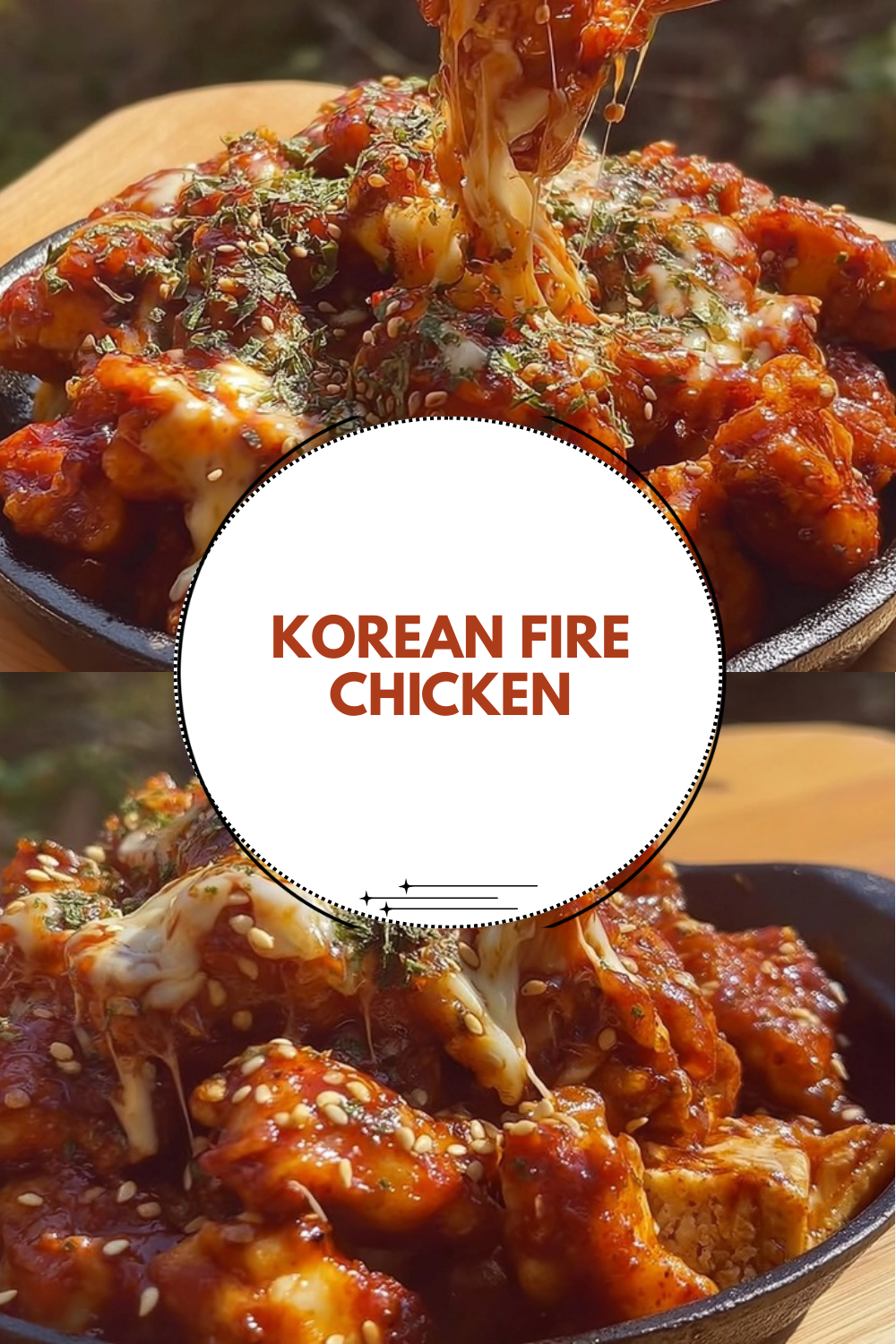
- Distinctive flavor: The magic of Korean Fire Chicken lies in its sauce, a balanced blend of gochujang (hot pepper paste), gochugaru (hot pepper flakes), soy sauce, garlic, ginger, and rice syrup. This creates a sweet and spicy coating that caramelizes beautifully on the chicken. Topped with melted mozzarella, the creamy cheese creates a wonderful contrast to the fiery sauce, making every bite a flavor adventure.
Essential Ingredients for Korean Fire Chicken
Gathering your ingredients ahead of time makes the cooking process smooth and enjoyable. Here’s everything you’ll need to create this spicy Korean dish at home:
Main Ingredients
- 2 pounds chicken breast, cut into cubes The star of the dish, cut into bite-sized pieces for quick cooking and maximum sauce coverage. Each piece absorbs the spicy marinade beautifully.
- Hot pepper flakes (gochugaru) Korean red chili flakes that provide authentic heat and vibrant color to the sauce. Adjust the amount based on your spice tolerance.
- Hot pepper paste (gochujang) Fermented Korean chili paste that adds depth, umami, and signature heat to the sauce.
- Soy sauce Provides saltiness and savory flavor that balances the sweet and spicy elements.
- 2 tablespoons + 1 tablespoon vegetable or corn oil The larger amount goes into the marinade, while the single tablespoon is for frying the rice cakes.
- Ground black pepper Adds another layer of mild heat and enhances the overall flavor profile.
- Rice syrup or corn syrup Brings sweetness and helps the sauce caramelize and cling to the chicken during cooking.
- Sugar or honey An additional sweetener that balances the fiery peppers. Honey also adds a subtle floral note.
- Minced garlic Fresh garlic is essential for that aromatic base that makes Korean cooking so distinctive.
- Minced ginger Adds warmth and a slight zing that complements the spicy sauce perfectly.
- 1 pound mozzarella cheese, cut into pieces (optional) Creates that iconic gooey topping that tames the heat and adds creamy richness. Low-moisture mozzarella works best for optimal melting.
- Sliced rice cakes (optional) Chewy, satisfying additions that soak up the sauce and provide wonderful textural contrast.
- Chopped green onion A fresh finishing touch that adds color and a mild onion flavor to brighten the dish.
- Water Used to rinse the marinade bowl and create steam for cooking the chicken evenly.
Special Dietary Options
This recipe is wonderfully adaptable for various dietary needs:
- Gluten-free: Use tamari instead of regular soy sauce, and ensure your gochujang is certified gluten-free.
- Lower calorie: Skip the cheese topping and reduce the rice syrup slightly for a lighter version.
- Vegetarian: Replace chicken with medium-firm tofu and use a vegetarian gochujang (some contain fish products).
How to Prepare the Perfect Korean Fire Chicken: Step-by-Step Guide
Making Korean Fire Chicken at home is straightforward when you break it down into manageable steps. Follow this detailed guide for restaurant-quality results in your own kitchen.
Step 1: Create the Sweet and Spicy Marinade
Start by making the flavor-packed sauce that defines this dish. In a medium bowl, combine hot pepper flakes, hot pepper paste, soy sauce, 2 tablespoons vegetable oil, ground black pepper, rice syrup, minced garlic, and minced ginger. Whisk everything together until you have a smooth, vibrant red paste. The aroma should be intense and appetizing, a preview of the delicious flavors to come.
Tip: For the most authentic flavor, use Korean gochugaru and gochujang from an Asian grocery store. These ingredients have a unique flavor profile that regular chili flakes cannot replicate.
The consistency should be thick but spreadable. If it seems too dry, add a small splash of water. Taste your sauce at this stage, remembering that it will mellow slightly during cooking, so it should taste slightly stronger than you want the final dish.
Step 2: Marinate the Chicken Thoroughly
Add your 2 pounds of cubed chicken breast to the bowl with the marinade. Using your hands (wearing food-safe gloves if you prefer), massage the sauce into every piece of chicken. This hands-on approach ensures each cube gets evenly coated with that beautiful red sauce.
While some recipes call for extended marinating time, this Korean Fire Chicken works perfectly with just a few minutes of marinating while you prepare the rice cakes. The high concentration of flavor in the sauce means it penetrates quickly, especially when you are using bite-sized pieces.
Step 3: Prepare the Rice Cakes (Optional but Recommended)
If you are including rice cakes, and I highly recommend it for the texture they add, heat 1 tablespoon of vegetable oil in a skillet over medium heat. Add the sliced rice cakes and fry them until they are crispy and light golden brown on both sides. Turn them once or twice during frying for uniform crispiness.
Once golden and slightly puffed, remove the rice cakes from the pan and set them aside. These will go on top of the chicken later, providing a wonderful crunchy contrast to the tender meat and gooey cheese.
Step 4: Cook the Marinated Chicken
Place your marinated chicken in a heavy pan, preferably cast iron, for even heating. Add a splash of water to rinse out the marinade bowl, catching every last bit of that flavorful sauce. Pour this over the chicken in the pan.
Cover the pan and cook over medium-high heat for about 10 minutes. If you are using a regular pan instead of cast iron, aim for 7 to 8 minutes. The goal is to cook the chicken through without burning the sauce, so keep an eye on it and adjust the heat if needed.
You will notice the sauce starting to bubble and caramelize around the edges. This is exactly what you want. That caramelization adds depth and complexity to the final dish.
Step 5: Add Rice Cakes and Finish Cooking
After the initial cooking time, uncover the pan and give the chicken a good stir. Place the fried rice cakes on top of the chicken. Reduce the heat to very low, cover the pan again, and cook for an additional 10 minutes.
This second cooking phase ensures the chicken is fully cooked through while allowing the rice cakes to steam slightly and absorb some of the sauce flavors. The low heat prevents the sauce from burning while everything finishes cooking together.
Step 6: Add the Cheese and Broil
If you are adding cheese, and I think you should for that incredible melted cheese layer, preheat your oven broiler. Once the chicken is fully cooked, arrange the 1 pound of mozzarella pieces evenly over the top.
Place the entire pan under the broiler for just a few minutes. Watch closely as the cheese melts and starts to bubble. You want it gooey and slightly golden in spots, but not burned. This usually takes 2 to 4 minutes depending on your broiler strength.
Step 7: Finish and Serve
Remove the pan from the oven and sprinkle generously with chopped green onion. The fresh green color pops against the red sauce and white cheese, making the dish as beautiful as it is delicious.
Serve your Korean Fire Chicken immediately while the cheese is still melted and stretchy. It pairs perfectly with steamed rice to balance the heat and soak up that incredible sauce. For a complete meal, consider adding simple side dishes like pickled vegetables or a crisp salad.

Dietary Substitutions to Customize Your Korean Fire Chicken
One of the things I love most about this recipe is how easily it adapts to different dietary preferences and ingredient availability. Whether you are cooking for vegetarians, trying to reduce calories, or simply working with what is in your pantry, there are plenty of options.
Protein and Main Component Alternatives
While chicken breast is traditional for buldak, you have several excellent alternatives:
Chicken thighs: Swap the breast for boneless chicken thighs to increase juiciness and add richer flavor. Thighs are more forgiving during cooking and tend to stay tender even if slightly overcooked. Use the same 2-pound quantity and follow the recipe as written.
Tofu: For a vegetarian version, use medium-firm tofu instead of chicken. Press the tofu to remove excess moisture, cut it into cubes, and handle it gently during cooking. You may need to adjust the cooking time slightly, 5 to 7 minutes per side usually works well.
Pork: Thinly sliced pork belly or pork shoulder works beautifully in this dish. The fat content adds richness that pairs wonderfully with the spicy sauce.
Vegetable, Sauce, and Seasoning Modifications
Add nutrition and stretch the dish further by incorporating vegetables:
- Onions: Add sliced onions to the pan with the chicken for sweetness and extra flavor. Caramelize them by adding oil upfront, they will develop a wonderful depth that enhances the whole dish.
- Zucchini: Slice into half-moons and add during the last 5 minutes of cooking for a vegetable that soaks up sauce beautifully.
- Broccoli: Small florets can be added with the rice cakes for a nutritious boost and satisfying crunch.
- Mushrooms: Shiitake or button mushrooms add umami and a meaty texture that works well with the bold sauce.
For the sauce, you can adjust the heat level dramatically by modifying the pepper content. Reduce the hot pepper flakes to make it milder, or add fresh chilies for extra kick. If you do not have rice syrup, corn syrup or even maple syrup can work as substitutes, though the flavor profile will shift slightly.
| Original Ingredient | Substitution Option | Notes |
|---|---|---|
| Chicken breast | Chicken thighs | More juicy and flavorful |
| Chicken breast | Medium-firm tofu | Vegetarian option |
| Rice syrup | Corn syrup | Similar sweetness |
| Rice syrup | Honey or maple syrup | More floral notes |
| Soy sauce | Tamari | Gluten-free option |
| Mozzarella | Sharp cheddar | More pronounced flavor |
Mastering Korean Fire Chicken: Advanced Tips and Variations
Ready to take your Korean Fire Chicken to the next level? Here are some pro techniques and creative variations to make this dish truly your own.
Pro Cooking Techniques
Use the right pan: A cast iron skillet is ideal for this recipe. It holds heat evenly, which prevents hot spots that could burn the sauce, and it can go directly from stovetop to broiler without transferring to another dish.
Do not rush the caramelization: That sticky, glossy sauce does not happen by accident. Allow the sauce to bubble and reduce slightly during cooking. The sugars in the rice syrup need time to caramelize, which creates that addictive sticky coating.
Control your heat: Start with medium-high heat to get things going, but do not be afraid to lower it if the sauce is browning too quickly. The two-stage cooking method (covered on medium-high, then low) gives you control over the process.
Flavor Variations
Once you have mastered the basic recipe, try these creative variations:
- Cheese pull extreme: Double the mozzarella for an extra dramatic cheese pull. You can also mix in some sharp cheddar for more complex flavor.
- Spicy-sweet balance: Add a tablespoon of honey along with the rice syrup for a more complex sweetness that plays beautifully against the heat.
- Garlic lover’s version: Double the garlic and add whole cloves when you add the chicken for intense aromatic flavor.
Health Benefits of the Spicy Elements
The fiery components in this dish do more than just add heat. According to benefits of spicy peppers, compounds like capsaicin found in hot peppers may help boost metabolism, reduce inflammation, and even support heart health. When combined with the lean protein from chicken breast and the calcium from mozzarella cheese, this dish packs a nutritional punch alongside its incredible flavor.
Presentation Tips
The visual appeal of Korean Fire Chicken is part of its charm. Serve it in the cast iron pan directly at the table for a dramatic presentation. The sizzling sounds and bubbling cheese create an experience your guests will not forget. Garnish generously with green onions and consider adding a sprinkle of sesame seeds for color contrast.
Make-Ahead Options
For busy weeknights, you can prep the sauce up to three days ahead and store it in an airtight container in the refrigerator. The chicken can be cubed and stored separately, ready to toss with the sauce when you are ready to cook. If you are looking for other make-ahead options, check out these delicious salted carmelitas for a sweet treat that pairs wonderfully with a spicy meal.
How to Store Korean Fire Chicken: Best Practices
Proper storage ensures you can enjoy leftovers safely and maintain the best possible quality. Here is everything you need to know about storing your Korean Fire Chicken.
Refrigeration
Allow the cooked dish to cool to room temperature before transferring to an airtight container. Store in the refrigerator for up to 3 to 4 days. The flavors actually continue to develop overnight, making leftovers often even more delicious than the fresh dish.
Freezing
For longer storage, Korean Fire Chicken freezes well for up to 2 to 3 months. Portion into freezer-safe containers, leaving some headspace for expansion. Note that the texture of the rice cakes may change slightly after freezing, becoming softer upon reheating.
Reheating
For best results, thaw frozen portions in the refrigerator overnight before reheating. Reheat gently in a skillet over medium-low heat, adding a splash of water if the sauce has thickened too much. You can also microwave individual portions, but the skillet method helps maintain the sauce texture and prevents the chicken from becoming rubbery.
Meal Prep Considerations
This dish is excellent for meal prep. Consider making a double batch and portioning it into individual containers with rice for grab-and-go lunches. The chicken reheats well, though you may want to add fresh cheese on top before reheating if you want that melted cheese experience again.
FAQs: Frequently Asked Questions About Korean Fire Chicken
What is buldak Korean fire chicken?
Buldak, or Korean fire chicken, is a popular spicy stir-fried dish featuring bite-sized chicken pieces coated in a fiery red sauce made from gochugaru (Korean chili flakes), gochujang (fermented chili paste), soy sauce, garlic, ginger, and sugar for sweetness. “Bul” means fire and “dak” means chicken, reflecting its intense heat. Originating from street food stalls in Korea, it’s often cooked in a single pan and topped with melted mozzarella cheese for a creamy contrast. Serve it with rice to balance the spice. This recipe typically uses about 1-2 pounds of chicken breast or thigh, marinated for 30 minutes before cooking. It’s customizable—add rice cakes (tteok) for chewy texture or onions for extra flavor. Prep time is 15 minutes, cook time 20 minutes, perfect for 4 servings. (92 words)
How do I make Korean fire chicken less spicy?
To tone down the heat in buldak, start by reducing gochugaru (Korean chili flakes) from 3-4 tablespoons to 1-2 tablespoons, or swap for milder chili powder. Use less gochujang (1-2 tablespoons instead of 3) and add more sugar (2 extra tablespoons) or honey to balance flavors. Include dairy like a splash of milk in the sauce or top with more mozzarella cheese to mellow the spice. Test the sauce before marinating the chicken. For extra mildness, remove seeds from fresh chilies if using them, or mix in bell peppers. Cook as usual: marinate chicken 30 minutes, stir-fry covered over medium-high heat for 10 minutes, then low for 10 more. This keeps the bold taste without overwhelming heat. Serves 4 easily. (118 words)
What chicken parts work best for buldak recipe?
Chicken breast is traditional for buldak due to its quick cooking and tender bite-sized pieces, cut into 1-inch chunks for even marinating. However, boneless chicken thighs are a great alternative—they stay juicier and more flavorful with the spicy sauce. Use 1-1.5 pounds total. Avoid bone-in pieces as they take longer to cook. Prep tip: pat dry chicken before coating in the sauce of gochujang, gochugaru, soy sauce, garlic, ginger, and corn syrup. Marinate 20-30 minutes. Thighs may need 2 extra minutes of cooking. Both options absorb the fire chicken sauce well. Pair with rice cakes or cheese topping for authenticity. (102 words)
Are rice cakes required for Korean fire chicken?
Rice cakes (cylindrical tteok) aren’t strictly required for buldak but highly recommended—they soak up the spicy sauce and add a chewy, satisfying texture that complements the tender chicken. Use 8-10 ounces, sliced if needed. Add them after flipping the chicken: cook chicken covered for 10 minutes on medium-high, then top with rice cakes, cover, and simmer on low for 10 more minutes until softened and sauce thickens. Skip them for a quicker chicken-only version, or substitute with potatoes or mushrooms. Soak rice cakes in water 10 minutes beforehand to prevent sticking. This step makes the dish more filling and authentic Korean street food style. (109 words)
How do you add cheese to buldak fire chicken?
Adding mozzarella cheese is a modern twist on buldak that creates a gooey, stretchy topping to cut the spice. After cooking the chicken (and rice cakes if using) covered for 20 minutes total until sauce caramelizes, sprinkle 1-2 cups shredded low-moisture mozzarella evenly over the top. Broil in the oven 2-4 minutes until bubbly and golden—watch closely to avoid burning. Use a cast iron skillet for best results, or transfer to an oven-safe dish. For extra flavor, mix in green onions before broiling. This cheese pull version went viral on YouTube. Serve immediately with rice. Any frying pan works; just shorten initial cook to 7-8 minutes. (112 words)
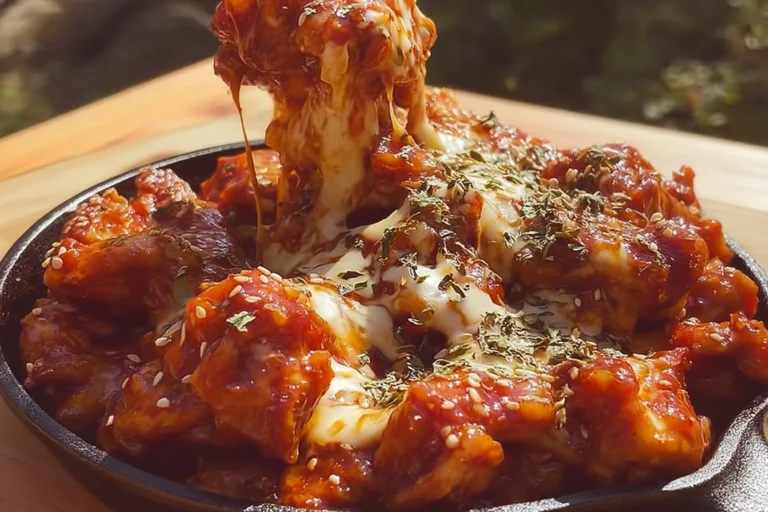
Korean Fire Chicken
🔥🍗 Explosive spicy Korean buldak with tender chicken cubes in sweet-heat sauce, gooey melted cheese—high-protein adrenaline rush for flavor addicts!
🧀 Quick 30-minute skillet sensation, customizable spice levels perfect for date nights or game day feasts.
- Total Time: 40 minutes
- Yield: 4 servings
Ingredients
– 2 pounds chicken breast, cut into cubes
– Hot pepper flakes (gochugaru)
– Hot pepper paste (gochujang)
– Soy sauce
– 2 tablespoons + 1 tablespoon vegetable or corn oil
– Ground black pepper
– Rice syrup or corn syrup
– Sugar or honey
– Minced garlic
– Minced ginger
– 1 pound mozzarella cheese, cut into pieces (optional)
– Sliced rice cakes (optional)
– Chopped green onion
– Water
Instructions
1-Step 1: Create the Sweet and Spicy Marinade Start by making the flavor-packed sauce that defines this dish. In a medium bowl, combine hot pepper flakes, hot pepper paste, soy sauce, 2 tablespoons vegetable oil, ground black pepper, rice syrup, minced garlic, and minced ginger. Whisk everything together until you have a smooth, vibrant red paste. The aroma should be intense and appetizing, a preview of the delicious flavors to come. The consistency should be thick but spreadable. If it seems too dry, add a small splash of water. Taste your sauce at this stage, remembering that it will mellow slightly during cooking, so it should taste slightly stronger than you want the final dish.
2-Step 2: Marinate the Chicken Thoroughly Add your 2 pounds of cubed chicken breast to the bowl with the marinade. Using your hands (wearing food-safe gloves if you prefer), massage the sauce into every piece of chicken. This hands-on approach ensures each cube gets evenly coated with that beautiful red sauce. While some recipes call for extended marinating time, this Korean Fire Chicken works perfectly with just a few minutes of marinating while you prepare the rice cakes. The high concentration of flavor in the sauce means it penetrates quickly, especially when you are using bite-sized pieces.
3-Step 3: Prepare the Rice Cakes (Optional but Recommended) If you are including rice cakes, and I highly recommend it for the texture they add, heat 1 tablespoon of vegetable oil in a skillet over medium heat. Add the sliced rice cakes and fry them until they are crispy and light golden brown on both sides. Turn them once or twice during frying for uniform crispiness. Once golden and slightly puffed, remove the rice cakes from the pan and set them aside. These will go on top of the chicken later, providing a wonderful crunchy contrast to the tender meat and gooey cheese.
4-Step 4: Cook the Marinated Chicken Place your marinated chicken in a heavy pan, preferably cast iron, for even heating. Add a splash of water to rinse out the marinade bowl, catching every last bit of that flavorful sauce. Pour this over the chicken in the pan. Cover the pan and cook over medium-high heat for about 10 minutes. If you are using a regular pan instead of cast iron, aim for 7 to 8 minutes. The goal is to cook the chicken through without burning the sauce, so keep an eye on it and adjust the heat if needed. You will notice the sauce starting to bubble and caramelize around the edges. This is exactly what you want. That caramelization adds depth and complexity to the final dish.
5-Step 5: Add Rice Cakes and Finish Cooking After the initial cooking time, uncover the pan and give the chicken a good stir. Place the fried rice cakes on top of the chicken. Reduce the heat to very low, cover the pan again, and cook for an additional 10 minutes. This second cooking phase ensures the chicken is fully cooked through while allowing the rice cakes to steam slightly and absorb some of the sauce flavors. The low heat prevents the sauce from burning while everything finishes cooking together.
6-Step 6: Add the Cheese and Broil If you are adding cheese, and I think you should for that incredible melted cheese layer, preheat your oven broiler. Once the chicken is fully cooked, arrange the 1 pound of mozzarella pieces evenly over the top. Place the entire pan under the broiler for just a few minutes. Watch closely as the cheese melts and starts to bubble. You want it gooey and slightly golden in spots, but not burned. This usually takes 2 to 4 minutes depending on your broiler strength.
7-Step 7: Finish and Serve Remove the pan from the oven and sprinkle generously with chopped green onion. The fresh green color pops against the red sauce and white cheese, making the dish as beautiful as it is delicious. Serve your Korean Fire Chicken immediately while the cheese is still melted and stretchy. It pairs perfectly with steamed rice to balance the heat and soak up that incredible sauce. For a complete meal, consider adding simple side dishes like pickled vegetables or a crisp salad.
Last Step:
Please leave a rating and comment letting us know how you liked this recipe! This helps our business to thrive and continue providing free, high-quality recipes for you.Notes
🌶️ Dial down gochugaru for milder heat or add dairy to tame spice.
🍗 Use thighs over breast for extra juicy tenderness.
🥘 Cast iron pan ensures even caramelized perfection.
- Prep Time: 15 minutes
- Marinate: 15 minutes
- Cook Time: 25 minutes
- Category: Main Dishes
- Method: Stovetop/Broil
- Cuisine: Korean
- Diet: High Protein
Nutrition
- Serving Size: 1/4 recipe
- Calories: 550 kcal
- Sugar: 15 g
- Sodium: 1500 mg
- Fat: 25 g
- Saturated Fat: 10 g
- Unsaturated Fat: 12 g
- Trans Fat: 0 g
- Carbohydrates: 35 g
- Fiber: 3 g
- Protein: 45 g
- Cholesterol: 150 mg