

Why You’ll Love This Manicotti
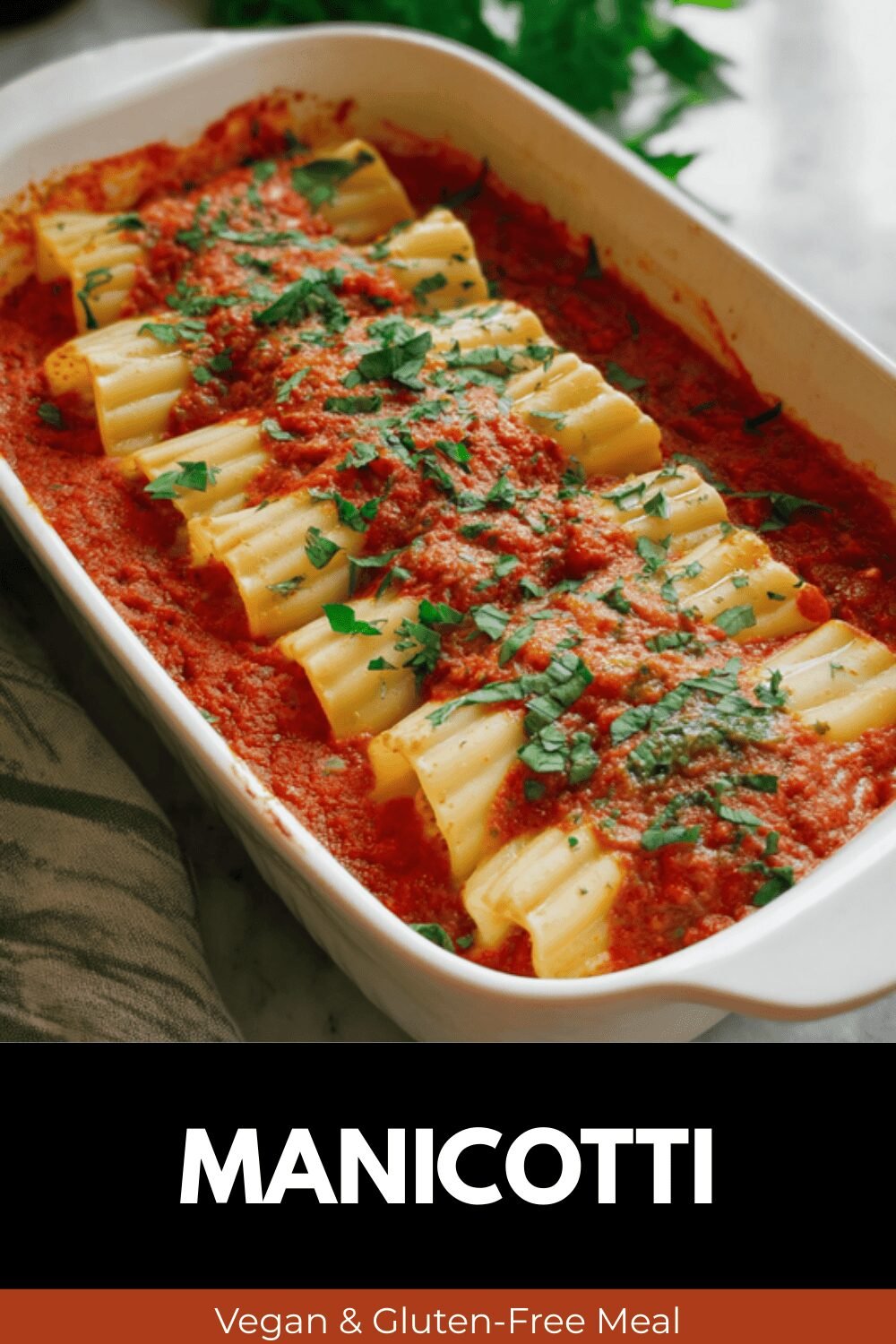
Manicotti, large tube-shaped pasta derived from the Italian word for sleeve with an augmentative ending to indicate their size, offers a simple yet satisfying meal designed to be stuffed and baked. This manicotti recipe stands out for its ease of preparation, requiring minimal ingredients and quick assembly, making it perfect for weeknight dinners. Manicotti provides health benefits, packed with nutritious ingredients that offer a balanced meal rich in protein, fiber, and essential vitamins promoting overall wellness. The recipe’s versatility allows adaptations for various dietary needs, including vegetarian, vegan, gluten-free, and low-calorie options without compromising taste. Additionally, manicotti delivers a distinctive flavor through unique seasoning blends and fresh herbs, creating layers of rich, savory taste that set it apart from typical pasta dishes.
Essential Ingredients for Manicotti
Manicotti relies on a few key components to create its signature stuffed and baked appeal. Below is a comprehensive list of ingredients based on the recipe details, ensuring every item is included with precise measurements for clear preparation. Remember, traditional fillings often feature cheese and herbs, while variations might incorporate meat, though meat-filled versions are known as cannelloni.
- 12 manicotti shells – provides the pasta base to be filled
- 2 cups ricotta cheese – adds creamy texture and rich flavor
- 1 cup shredded mozzarella – melts to create gooey cheese goodness
- 1/2 cup grated Parmesan – enhances the savoriness
- 2 cups marinara sauce – moistens the dish and adds tangy sweetness
- 1 egg – binds the filling ingredients
- 1 tsp Italian seasoning – brings aromatic herbal notes
- Large pasta tubes – forms the main structure (quantity not specified)
- Cheese, usually ricotta – serves as the primary filling (quantity not specified)
- Chopped parsley – adds fresh herbal flavor (quantity not specified)
For special dietary options, consider these adjustments to make the dish more inclusive:
- Vegan: Use plant-based ricotta substitutes and dairy-free cheese alternatives
- Gluten-free: Opt for gluten-free manicotti shells or pasta
- Low-calorie: Substitute regular cheese with part-skim or low-fat options and use a light tomato sauce
How to Prepare the Perfect Manicotti: Step-by-Step Guide
Preparing manicotti involves straightforward steps that highlight its Italian roots, from filling the large tube-shaped pasta to baking it until hot and bubbly. First, preheat your oven to 350°F (175°C) and cook the manicotti shells according to package instructions until al dente. Drain and rinse with cold water to prevent sticking. In a large bowl, mix ricotta, mozzarella, Parmesan, egg, and Italian seasoning until well combined; for vegan versions, use plant-based cheese and egg replacer to maintain the traditional cheese and herbs mixture. Fill each manicotti shell generously with the cheese mixture using a spoon or piping bag, keeping in mind that directions typically include arranging them in a baking dish and covering with tomato sauce. For added convenience, you can link to a complementary dessert recipe like fruit-based treats to round out your meal after enjoying manicotti. Spread a layer of marinara sauce on the bottom of a baking dish, arrange filled shells in a single layer, cover with remaining marinara sauce, and sprinkle extra mozzarella and Parmesan on top. Cover with foil and bake for 30 minutes, then remove foil and bake an additional 10 minutes until the dish is hot and bubbly; preparation time generally takes around 45 minutes to an hour total, including stuffing and assembling.

Dietary Substitutions to Customize Your Manicotti
Manicotti’s flexibility allows for various substitutions, building on its base of cheese, herbs, and pasta tubes while accommodating different preferences. Protein and main component alternatives include substituting traditional ricotta cheese with tofu or cashew-based cheese for vegan preferences, using ground turkey or chicken instead of cheese filling for higher protein content, or replacing manicotti shells with zucchini or eggplant slices for a low-carb option. Vegetable, sauce, and seasoning modifications can incorporate spinach, mushrooms, or roasted red peppers into the filling for added nutrients and flavor, swap marinara sauce with Alfredo or pesto to vary taste profiles, and season with fresh basil, oregano, or red pepper flakes according to your dietary tolerance. These changes align with Italian-American versions that often use ricotta stuffing and variations like crepes instead of dried pasta tubes. Nutritional information for these adaptations generally provides carbohydrates from the pasta, protein from the cheese, and fats from the sauce components, making it a well-rounded baked pasta dish.
Mastering Manicotti: Advanced Tips and Variations
Pro Cooking Techniques
Using fresh or dried pasta tubes can enhance the texture of manicotti, with fresh shells offering a more tender feel; always select high-quality ricotta cheese for the filling to ensure a creamy result. Lightly brush the shells with olive oil before filling to avoid sogginess, and make sure the manicotti are fully covered with sauce before baking to prevent drying out. Flavor variations encourage experimenting with additions like sun-dried tomatoes or artichoke hearts, blending Italian cheeses for a unique twist on the traditional cheese and herbs mixture.
Presentation and Make-Ahead Options
Garnish with fresh herbs for an appealing look, and consider make-ahead options by preparing the filling and assembling the dish in advance for busy days. Tips such as wrapping tightly for refrigeration or freezing can help preserve flavors, making this a practical choice for home cooks. For those seeking more dessert ideas to follow their manicotti, explore easy dessert recipes that complement savory meals with sweet finishes.
How to Store Manicotti: Best Practices
| Storage Method | Duration | Tips |
|---|---|---|
| Refrigeration | Up to 3 days | Store in an airtight container to maintain freshness |
| Freezing | Up to 2 months | Wrap tightly in foil or plastic wrap to preserve flavor and texture |
| Reheating | N/A | Warm in a microwave or oven at 350°F (175°C), adding sauce to keep moist |
Meal prep considerations involve portioning manicotti individually before freezing to simplify planning and reduce waste, ensuring the dish remains a convenient option for various lifestyles.
FAQs: Frequently Asked Questions About Manicotti
What is manicotti and how is it different from other pasta dishes?
Manicotti is a type of Italian pasta made from large, tube-shaped noodles that are typically stuffed with a ricotta cheese mixture and baked with tomato sauce. Unlike smaller stuffed pastas like ravioli or tortellini, manicotti noodles are larger and specifically designed to hold a cheesy or meat filling. The name “manicotti” means “little sleeves” in Italian, referring to their shape. This dish is popular for its creamy filling and baked texture, offering a comforting alternative to layered pastas like lasagna.
How do you prepare manicotti shells for stuffing and baking?
To prepare manicotti shells, you first cook them in boiling salted water for about 6-8 minutes until they are al dente but still firm, which prevents them from breaking during stuffing. After draining, rinse the shells under cold water to stop the cooking process and separate them carefully to avoid tearing. Once cooled, gently fill each shell with your preferred stuffing—commonly ricotta mixed with mozzarella and herbs—using a spoon or piping bag. Arrange the filled shells in a baking dish, cover with sauce and cheese, then bake for 30-35 minutes at 350°F (175°C) until bubbly.
Can manicotti be made ahead of time and frozen?
Yes, manicotti can be prepared ahead and frozen for convenient future meals. To freeze, assemble the manicotti in a baking dish without baking, cover tightly with plastic wrap and aluminum foil, and freeze for up to 2-3 months. When ready to cook, thaw the dish in the refrigerator overnight, then bake as usual at 350°F (175°C) for about 40-50 minutes until heated through and bubbly. This method helps retain flavor and texture, making manicotti a great make-ahead dish for busy days.
What are some popular fillings and sauces used in manicotti?
Traditional manicotti fillings often combine ricotta cheese, shredded mozzarella, Parmesan, eggs, and seasonings like garlic, basil, and parsley. Some variations include cooked spinach, ground beef, Italian sausage, or mushrooms for added flavor and texture. The classic sauce used is marinara or tomato sauce, which adds acidity and moisture. Creamy béchamel or Alfredo sauces can be used as alternatives for a richer dish. Using different cheeses and herbs can personalize the flavor to match your preferences.
How can I make manicotti gluten-free or vegan-friendly?
For a gluten-free manicotti, substitute regular manicotti pasta with gluten-free pasta tubes available in stores or use sliced gluten-free lasagna sheets rolled up after filling. For a vegan version, use plant-based cheese alternatives such as tofu or cashew-based ricotta and vegan mozzarella. Replace eggs in the filling with a flaxseed or chia seed mix to bind ingredients. Use a homemade tomato sauce free of animal products. These substitutions allow you to enjoy manicotti while accommodating dietary restrictions without sacrificing taste or texture.
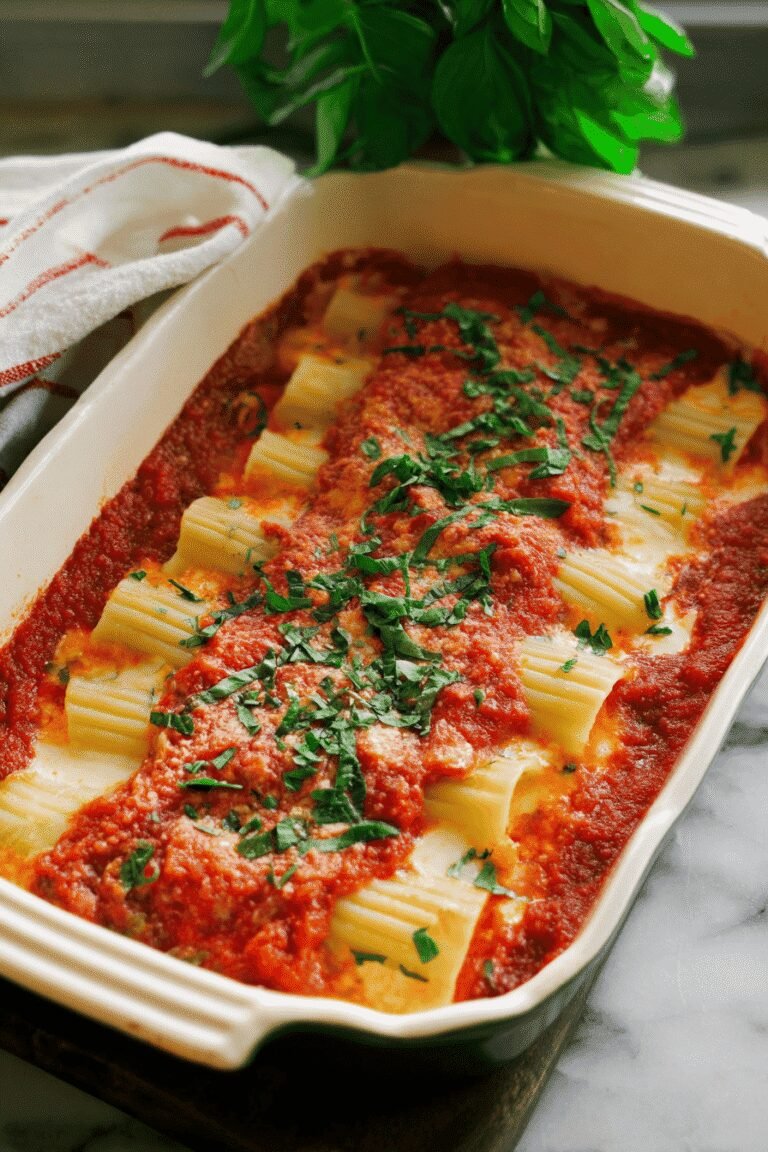
Manicotti
🍝 Discover the classic Italian delight of Manicotti, featuring tender pasta tubes stuffed with a creamy ricotta and herb filling.
🍅 This recipe offers a comforting baked pasta dish that’s perfect for family dinners or special occasions with a rich tomato sauce.
- Total Time: 1 hour
- Yield: 4-6 servings
Ingredients
– 12 manicotti shells provides the pasta base to be filled
– 2 cups ricotta cheese adds creamy texture and rich flavor
– 1 cup shredded mozzarella melts to create gooey cheese goodness
– 1/2 cup grated Parmesan enhances the savoriness
– 2 cups marinara sauce moistens the dish and adds tangy sweetness
– 1 egg binds the filling ingredients
– 1 tsp Italian seasoning brings aromatic herbal notes
– Large pasta tubes
– Cheese, usually ricotta serves as the primary filling
– Chopped parsley adds fresh herbal flavor
Instructions
1-Preheat your oven to 350°F (175°C) and cook the manicotti shells according to package instructions until al dente. Drain and rinse with cold water to prevent sticking.
2-In a large bowl, mix ricotta, mozzarella, Parmesan, egg, and Italian seasoning until well combined; for vegan versions, use plant-based cheese and egg replacer to maintain the traditional cheese and herbs mixture.
3-Fill each manicotti shell generously with the cheese mixture using a spoon or piping bag, keeping in mind that directions typically include arranging them in a baking dish and covering with tomato sauce.
4-Spread a layer of marinara sauce on the bottom of a baking dish, arrange filled shells in a single layer, cover with remaining marinara sauce, and sprinkle extra mozzarella and Parmesan on top.
5-Cover with foil and bake for 30 minutes, then remove foil and bake an additional 10 minutes until the dish is hot and bubbly; preparation time generally takes around 45 minutes to an hour total, including stuffing and assembling.
Last Step:
Please leave a rating and comment letting us know how you liked this recipe! This helps our business to thrive and continue providing free, high-quality recipes for you.Notes
🧀 Use high-quality ricotta cheese for a creamier and richer filling.
🍝 Ensure manicotti are fully covered with sauce during baking to keep them moist.
🌿 Fresh parsley brightens the flavor; feel free to add other herbs like basil or oregano.
- Prep Time: 20 minutes
- Baking time: 30 minutes
- Cook Time: 10 minutes (pasta cooking)
- Category: Main Dish
- Method: Baking
- Cuisine: Italian
- Diet: Vegetarian
Nutrition
- Serving Size: 1-2 manicotti tubes




I tried this manicotti recipe last weekend and it was a huge hit with my family! I added a pinch of nutmeg to the cheese filling for a little extra warmth, which I highly recommend. 😊 Have you ever tried using fresh pasta sheets instead of the dried tubes?