

Why You’ll Love This Mashed Potatoes
Mashed Potatoes are a classic comfort food that fits busy weeknights, holiday meals, and everything in between. These fluffy, buttery mashed potatoes are seriously simple to make, and with a few easy steps, you’ll have a crowd-pleasing side dish ready in no time. Below are the main reasons this recipe is a go-to for home cooks of all levels.
Author: Stella Romano
My blog shares my passion for cooking by offering a variety of recipes that are simple and accessible to everyone. My ambition is to inspire readers to explore new flavors, cook with joy, and create memorable moments around the table.
- Ease of preparation: Quick prep and a short cook time make this mashed potato recipe perfect for busy evenings. With just a few straightforward steps, the total time is only about 35 minutes.
- Health benefits: Potatoes bring important nutrients like potassium and vitamin C, and this recipe balances energy with protein for a satisfying side. For more on potato benefits, see this learn about potato health benefits.
- Versatility: The base recipe adapts easily to diets and flavor choices from garlic mashed potatoes to loaded mashed potatoes with toppings, or lighter versions using low-fat milk or plant-based alternatives.
- Distinctive flavor: Using real salted butter and warmed milk or cream gives a rich, comforting taste while the optional garlic adds depth without extra fuss.
Essential Ingredients for Mashed Potatoes
Below are the exact ingredients used in this Classic Mashed Potatoes Recipe along with what each item does for the final dish. Each ingredient appears on its own line with the quantity first so it’s easy to follow while you shop or prep.
Main Ingredients
- 4 pounds potatoes (russet or Yukon gold) – The base: russet gives fluffiness; Yukon Gold gives a naturally buttery, smooth texture.
- 3 cloves garlic (optional) – Adds mild, savory depth when boiled with the potatoes and mashed in.
- 1/3 cup melted salted butter – Provides richness, mouthfeel, and a pleasant savory note. Salted butter adds seasoning as you mix.
- 1 cup milk or cream – Controls consistency and creaminess; warm it before adding so the potatoes stay hot and absorb better.
- Salt to taste – Essential for seasoning the cooking water and finished mash; it brings out potato flavor.
- Black pepper to taste – Adds a subtle bite and rounds out the dish.
Special Dietary Options
- Vegan: Replace the 1/3 cup melted salted butter with 1/3 cup vegan buttery spread and use 1 cup unsweetened plant-based milk (oat or soy work well) warmed before adding.
- Gluten-free: This recipe is naturally gluten-free; just confirm any butter substitute or add-ins are labeled gluten-free.
- Low-calorie: Use 1 cup low-fat milk or unsweetened almond milk and reduce butter to 2 tablespoons, or swap for a light margarine to lower fat and calories.
How to Prepare the Perfect Mashed Potatoes: Step-by-Step Guide
This step-by-step guide walks you through the Classic Mashed Potatoes Recipe from prep to plate. Read through once, then follow steps while you cook. Timing: prepping takes about 15 minutes, cooking about 20 minutes, total roughly 35 minutes.
Preparation and Cooking
Work steadily and keep the potatoes hot through the mash for the best texture. Use these steps to keep things organized.
First Step: Peel and quarter the potatoes. Choose either russet or Yukon Gold. If you prefer a slightly rustic mash, leave the skins on Yukon Golds, but for an ultra-smooth result peel them. Cut potatoes into uniform 1-2 inch chunks for even cooking.
Second Step: Place the potato chunks in a large pot and cover with cold water. Add a pinch of salt to the water so the potatoes season from the inside out. If using garlic, add 3 cloves (whole) to the pot now so they soften and mellow while boiling.
Third Step: Bring the pot to a boil over high heat. Once boiling, reduce to a medium-high simmer and cook uncovered for about 15 minutes, or until potatoes are fork-tender. Test by piercing a chunk with a fork it should slide off easily. Do not overcook, which can make them waterlogged.
Draining and Preparing Dairy
Timing is important here drain promptly so potatoes do not absorb extra water.
Fourth Step: Drain the potatoes thoroughly in a colander. Shake to remove excess water and let them sit in the hot pot for a minute so surface moisture evaporates. This step helps prevent watery mash.
Fifth Step: While potatoes drain, heat 1 cup milk or cream until warm but not boiling. You can do this in a small saucepan over low heat or in short bursts in the microwave. Warm dairy mixes more smoothly into hot potatoes. Melt 1/3 cup salted butter so it’s ready to add.
Mashing and Finishing
Use a potato masher or ricer for a creamy, non-gummy texture. Work while potatoes are hot.
Sixth Step: Return drained potatoes to the warm pot (or a wide mixing bowl). Add the melted salted butter and begin mashing by hand with a potato masher. Mashing with a hand tool yields the best texture; avoid electric hand mixers which can overwork starch.
Seventh Step: Gradually pour in the warm milk or cream while mashing, stopping when you reach the desired consistency. If you added garlic cloves, mash them into the potatoes at this point for a subtle garlic flavor.
Eighth Step: Season with salt to taste and add black pepper. Taste and adjust; a little extra butter or salt can make a big difference.
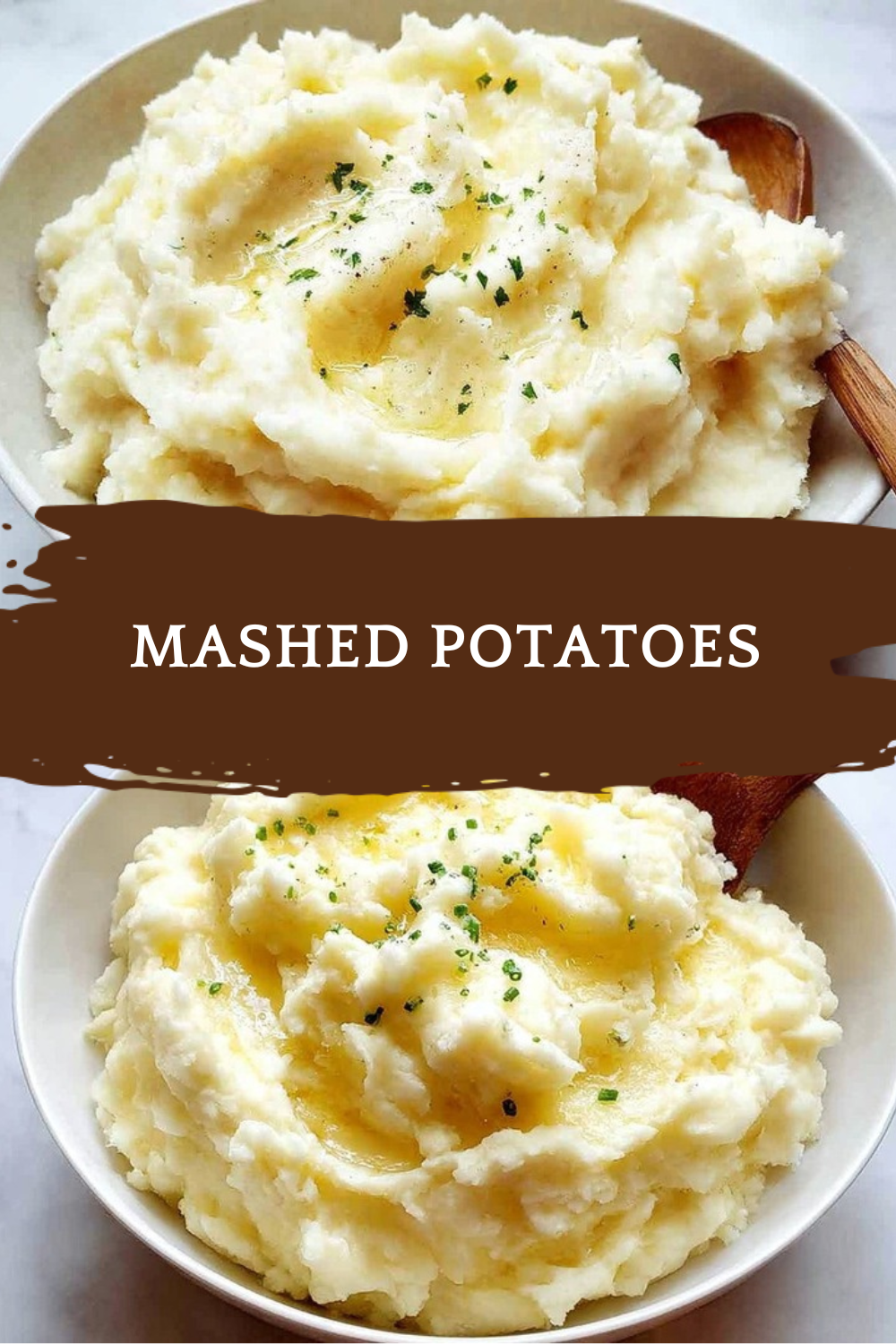
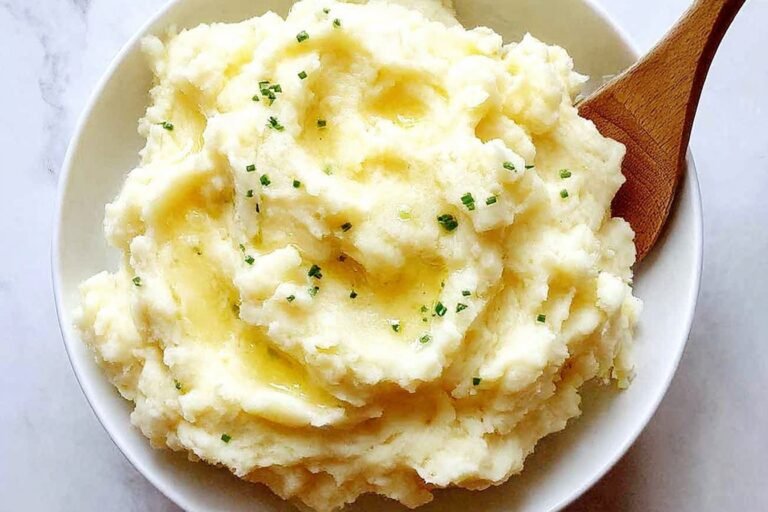
Final Step: Serve hot. Spoon the mashed potatoes into a warmed serving bowl, top with an extra pat of butter, a sprinkle of chopped chives if you like, and serve straight away. These mashed potatoes pair well with roasted meats, grilled vegetables, or a simple pan sauce.
Tip: Heat the milk or cream before adding cold dairy cools the potatoes and slows absorption, which can create lumps.

Dietary Substitutions to Customize Your Mashed Potatoes
Protein and Main Component Alternatives
Mashed potatoes are mostly a starchy side rather than a protein source, but you can adjust the protein and main components to fit dietary goals.
- For more protein: Stir in 1/2 cup plain Greek yogurt or 1/2 cup cottage cheese (for a creamier, tangy mash) after mashing. These add protein and reduce the need for extra butter.
- Vegan protein: Fold in a few tablespoons of unsweetened pea-protein yogurt or mashed white beans for added protein and body while keeping the dish plant-based.
- Lower-carb swap: Mix half mashed cauliflower with half potatoes to cut carbs while preserving flavor and texture. Steam cauliflower until tender, then mash and combine with potatoes, adding warm milk and butter alternative.
Vegetable, Sauce, and Seasoning Modifications
Change up the mix-ins and toppings to match occasions or seasonal produce.
- Garlic mashed potatoes: Use the three garlic cloves included in the base recipe; for stronger garlic flavor, roast garlic first and stir the softened paste into the finished mash.
- Loaded mashed potatoes: Top with crispy bacon bits, shredded cheddar, and chopped green onions. Serve bowl-style so guests can add toppings.
- Herbal and bright: Stir in chopped chives, parsley, or dill for freshness. A teaspoon of lemon zest can lift the overall flavor in a subtle way.
- Spiced versions: Add a pinch of smoked paprika or a dash of hot sauce for warmth; curry powder pairs well with coconut milk for a fusion twist.
Mastering Mashed Potatoes: Advanced Tips and Variations
Once you have the basics down, try these professional tips and creative spins to make your mashed potatoes stand out.
Pro cooking techniques
- Ricer or food mill: For the silkiest texture, pass hot potatoes through a ricer or food mill before adding butter and milk. This breaks up lumps without overworking starch.
- Steam off excess water: After draining, return potatoes to the pot and heat briefly with the lid off so steam escapes. This prevents watery results and concentrates flavor.
- Butter first: Add butter to the hot potatoes before milk; melted butter coats starch granules and promotes a creamier mouthfeel.
Flavor variations
- Cheesy garlic: Stir in 1 cup grated sharp cheddar and 2 cloves roasted garlic for a rich, savory mash.
- Sour cream and chive: Replace half the milk with 1/2 cup sour cream and fold in chopped chives for tang and freshness.
- Truffle note: A drizzle of truffle oil right before serving gives a luxe aroma without heavy changes to the recipe.
Presentation tips
- Spoon mashed potatoes into a serving dish and use the back of a spoon to create shallow peaks; top with a pat of butter that melts into glossy ridges.
- Finish with finely chopped herbs or a sprinkle of smoked paprika for color contrast.
Make-ahead options
These mashed potatoes are easy to prep ahead, which is great for holiday planning. Cool completely, store airtight in the fridge, and reheat in a greased casserole dish at 325°F for 35-40 minutes until warmed through; remove the cover for the last 5-10 minutes to create a lightly browned crust. For ideas on desserts to pair with a family meal, try a light fruit option like Berry Trifle.
How to Store Mashed Potatoes: Best Practices
Proper storage keeps texture and flavor intact. Here are the best ways to refrigerate, freeze, and reheat leftover mashed potatoes.
Refrigeration
Cool mashed potatoes to room temperature, then transfer to an airtight container. Store in the refrigerator for up to 2 days for best quality. When ready to reheat, transfer to a greased casserole dish, dot with butter, cover with foil, and bake at 325°F for 20-30 minutes until hot. Stir in a splash of warm milk if needed.
Freezing
Mashed potatoes freeze well if wrapped properly. Press them flat in freezer bags or store in airtight containers, leaving some headspace. Freeze for up to 2 months. Thaw overnight in the refrigerator before reheating. To speed thawing, place flat bags in a warm water bath for 20-30 minutes then reheat.
Reheating
Reheat gently to avoid drying: oven method is best for even warming; microwave in short intervals, stirring between bursts, for quick reheats. Add warmed milk or a pat of butter while reheating to refresh creaminess.
Meal prep considerations
Make large batches and portion into meal-sized containers for quick weeknight sides. For gatherings, reheat in a single large dish to keep texture even and finish with a pat of butter and herbs right before serving.
FAQs: Frequently Asked Questions About Mashed Potatoes
What potatoes are best for making mashed potatoes?
Russet or Idaho potatoes work best for creamy mashed potatoes due to their high starch content, which absorbs dairy well and creates a fluffy texture. Yukon Gold potatoes are another solid choice, offering a naturally buttery flavor and slightly denser consistency. Avoid waxy varieties like red potatoes, as they hold their shape and result in gluey mash. For 4 servings, use about 2-3 pounds peeled and cut into 1-2 inch chunks. Boil in salted water until fork-tender, about 15-20 minutes. This simple swap makes a big difference in smoothness without extra effort.
Should I peel potatoes for mashed potatoes or leave the skins on?
Peel Russet or Idaho potatoes before mashing—their thick, tough skins make the texture gritty. With thinner-skinned Yukon Gold potatoes, you can leave skins on for added fiber and rustic texture, or peel for ultra-smooth results. Rinse potatoes well first. If keeping skins, quarter them to cook evenly. After boiling until tender (15-20 minutes), drain and mash immediately. Skins add nutrition like potassium, but test a small batch to match your preference. Always use a ricer or masher for best results.
How do I make creamy mashed potatoes with dairy?
For rich, creamy mashed potatoes, use real salted butter (about 1/2 cup per 2 pounds of potatoes) and warm whole milk or heavy cream (1/2 to 1 cup). Heat the dairy in a saucepan or microwave before adding—this keeps potatoes hot and improves absorption for fluffier mash. Start with hot drained potatoes, add butter first to melt evenly, then gradually stir in warmed dairy while mashing. Season with salt and pepper to taste. Avoid cold dairy, which cools the mash and causes lumps. This method yields restaurant-quality results in under 30 minutes total.
What’s the best way to mash potatoes without them getting gummy?
Use a hand potato masher, ricer, or food mill for the smoothest texture—work quickly while potatoes are hot. Rice them in batches for lump-free results. Avoid electric mixers, blenders, or food processors, as they overwork the starch and create a gluey paste. After boiling chunks until fork-tender (15-20 minutes in salted water), drain well and let steam escape for 1 minute. Mash in the pot, adding warm butter and milk gradually. Stop once smooth; overmixing releases excess starch. This technique prevents common pitfalls for perfect mash every time.
Can you make mashed potatoes ahead and reheat them?
Yes, prepare mashed potatoes up to 2 days ahead: cool completely, then store in an airtight container in the fridge. For reheating, transfer to a greased baking dish, dot with butter, cover with foil, and bake at 325°F for 20-30 minutes until hot (internal temp 165°F). Stir in a splash of warm milk for creaminess. To freeze, portion into freezer bags, flatten, and store up to 2 months; thaw overnight in fridge and reheat as above. This saves time for holidays—reheats evenly without drying out. Add fresh herbs before serving for a just-made taste.
Mashed Potatoes
🥔 Creamy, buttery mashed potatoes that are the perfect comfort food side dish for any meal
- Total Time: 35 minutes
- Yield: 8-10 servings
Ingredients
– 4 pounds potatoes (russet or Yukon gold) for the base
– 3 cloves garlic for mild, savory depth
– 1/3 cup melted salted butter for richness, mouthfeel, and savory note
– 1 cup milk or cream for consistency and creaminess
– Salt to taste for seasoning
– Black pepper to taste for subtle bite
Instructions
First Step: Peel and quarter the potatoes. Choose either russet or Yukon Gold. If you prefer a slightly rustic mash, leave the skins on Yukon Golds, but for an ultra-smooth result peel them. Cut potatoes into uniform 1-2 inch chunks for even cooking.
Second Step: Place the potato chunks in a large pot and cover with cold water. Add a pinch of salt to the water so the potatoes season from the inside out. If using garlic, add 3 cloves (whole) to the pot now so they soften and mellow while boiling.
Third Step: Bring the pot to a boil over high heat. Once boiling, reduce to a medium-high simmer and cook uncovered for about 15 minutes, or until potatoes are fork-tender. Test by piercing a chunk with a fork it should slide off easily. Do not overcook, which can make them waterlogged.
Fourth Step: Drain the potatoes thoroughly in a colander. Shake to remove excess water and let them sit in the hot pot for a minute so surface moisture evaporates. This step helps prevent watery mash.
Fifth Step: While potatoes drain, heat 1 cup milk or cream until warm but not boiling. You can do this in a small saucepan over low heat or in short bursts in the microwave. Warm dairy mixes more smoothly into hot potatoes. Melt 1/3 cup salted butter so it’s ready to add.
Sixth Step: Return drained potatoes to the warm pot (or a wide mixing bowl). Add the melted salted butter and begin mashing by hand with a potato masher. Mashing with a hand tool yields the best texture; avoid electric hand mixers which can overwork starch.
Seventh Step: Gradually pour in the warm milk or cream while mashing, stopping when you reach the desired consistency. If you added garlic cloves, mash them into the potatoes at this point for a subtle garlic flavor.
Eighth Step: Season with salt to taste and add black pepper. Taste and adjust; a little extra butter or salt can make a big difference.
Final Step: Serve hot. Spoon the mashed potatoes into a warmed serving bowl, top with an extra pat of butter, a sprinkle of chopped chives if you like, and serve straight away. These mashed potatoes pair well with roasted meats, grilled vegetables, or a simple pan sauce.
Last Step:
Please leave a rating and comment letting us know how you liked this recipe! This helps our business to thrive and continue providing free, high-quality recipes for you.Notes
🥛 Heat milk or cream before adding to maintain potato temperature and improve absorption for creamier results
🥄 Mash potatoes by hand using a potato masher for the best creamy texture; avoid electric mixers that may cause a gummy texture
⏰ Drain potatoes well after cooking and let them sit briefly to evaporate excess liquid for fluffier mashed potatoes
- Prep Time: 15 minutes
- Cook Time: 20 minutes
- Category: Side Dish
- Method: Boiling and Mashing
- Cuisine: American
- Diet: Vegetarian
Nutrition
- Serving Size: 0.5 cup
- Calories: 209
- Sugar: 2g
- Sodium: 74mg
- Fat: 7g
- Saturated Fat: 4g
- Unsaturated Fat: 3g
- Trans Fat: 1g
- Carbohydrates: 34g
- Fiber: 2g
- Protein: 5g
- Cholesterol: 17mg