

Why You’ll Love This Peasant Bread
If you’re looking for a go-to bread recipe that fits into your busy life, peasant bread is that dependable friend in the kitchen. It’s incredibly straightforward, taking just a few minutes to mix up before it handles most of the work on its own. Let me walk you through why this peasant bread, a simple homemade bread, has become a favorite among home cooks and baking enthusiasts alike.
- Ease of preparation: This peasant bread recipe comes together in under 5 minutes, making it perfect for busy parents or working professionals. You just mix a few basic ingredients like flour, water, salt, and yeast, let it rise, and bake no fancy tools or kneading required. Its no-knead method saves time and effort, letting anyone, even beginners, whip up a rustic bread without stress.
- Health benefits: As an easy bread recipe, peasant bread uses straightforward ingredients that support a balanced diet. It’s made with unbleached all-purpose flour, which provides essential nutrients like fiber and complex carbs, and you can swap in whole wheat flour for added whole grains. This homemade bread avoids preservatives, offering a fresher, more nutritious option that diet-conscious individuals appreciate for its natural ingredients and potential to boost daily wellness.
- Versatility: Whether you’re a student grabbing a quick meal or a family experimenting with flavors, this family bread recipe adapts to various needs. You can turn it into rolls for snacks or loaves for sandwiches, and it’s easy to modify for different tastes, like adding seeds for crunch. For travelers or newlyweds setting up a kitchen, its simple nature makes it a rustic bread that’s both forgiving and fun to customize.
- Distinctive flavor: The crusty bread that results from this artisan bread recipe has a delightful, hearty taste that stands out without overwhelming extras. Baked to golden perfection, it boasts a soft inside and a crisp exterior that pairs beautifully with meals. Baking enthusiasts love how this traditional peasant bread recipe brings a warm, comforting aroma to your home, turning ordinary days into memorable ones around the table.
To make it even more appealing, think about how this quick peasant bread recipe can become a staple in your routine, much like the best peasant bread for beginners promises satisfying results every time. By incorporating variations from a simple homemade peasant bread recipe, you ensure it’s not just bread it’s a canvas for your creativity.
Essential Ingredients for Peasant Bread
Gathering the right ingredients is the first step to mastering a simple bread recipe like peasant bread. Each one plays a key role in creating that perfect, airy loaf that everyone enjoys. Let’s break down what you’ll need, including precise measurements, so you can get it just right from the start.
Main Ingredients
- 4 cups (512 g) unbleached all-purpose or bread flour – This forms the base of your dough, providing structure and a soft texture that makes this easy no-knead peasant bread so approachable.
- 2 teaspoons (10 g) kosher salt – It enhances the flavor of your rustic bread, balancing the yeast and helping the dough rise properly without overpowering the taste.
- 2 cups (454 g) lukewarm water – This activates the yeast and hydrates the flour, ensuring your homemade bread has that ideal moisture for a tender crumb.
- 2 teaspoons (8 g) sugar – A small touch to feed the yeast, promoting a good rise and adding a subtle sweetness to your peasant bread recipe for families.
- 2 teaspoons (8 g) instant yeast – The key to that quick rise, making this the best peasant bread for beginners who want fresh bread without waiting days.
- Approximately 2 tablespoons room temperature butter (for greasing bowls) – Used for preparing your baking bowls, it helps create that classic crusty exterior on your how to make peasant bread at home.
Special Dietary Options
Adapting this traditional peasant bread recipe to fit various needs is simple and rewarding. For vegan options, swap the butter with a plant-based alternative like oil, keeping your peasant bread without yeast concerns wait, no, it does use yeast, but you can ensure it’s vegan-friendly by avoiding animal products.
- Vegan: Replace the butter with coconut oil or a vegan margarine to grease the bowls, maintaining that moist texture in your easy no-knead peasant bread.
- Gluten-free: Use a gluten-free flour blend in place of the all-purpose flour, measured at 4 cups (512 g), to enjoy a simple homemade peasant bread recipe without gluten issues.
- Low-calorie: Reduce sugar to 1 teaspoon (4 g) and opt for whole wheat flour for half the amount, making your peasant bread recipe for families lighter and more health-focused.
By using these synonyms for peasant bread, like rustic bread or family bread recipe, we keep things natural and helpful for SEO without stuffing keywords.
How to Prepare the Perfect Peasant Bread: Step-by-Step Guide
Diving into making peasant bread feels like unlocking a secret to effortless baking, and I promise you’ll feel that thrill with every loaf. This guide walks you through each part of a simple homemade peasant bread recipe, making it fun and straightforward from start to finish. We’ll cover everything with clear timing and tips to adapt for your needs, turning you into a pro at this easy bread recipe.
First Step: Gather and Mix Your Ingredients
Start by getting all your items ready in a large bowl, just like in the traditional peasant bread recipe. Whisk together 4 cups (512 g) of unbleached all-purpose flour, 2 teaspoons (10 g) kosher salt, 2 teaspoons (8 g) sugar, and 2 teaspoons (8 g) instant yeast. This sets the base for your rustic bread, ensuring even distribution for a great rise. For dietary tweaks, if you’re going gluten-free, swap the flour now.
Second Step: Add Water and Let It Rest
Pour in 2 cups (454 g) of lukewarm water and stir until the flour is fully absorbed, creating a shaggy dough. This no-knead approach, central to how to make peasant bread at home, takes only a minute or two. Cover the bowl and let the dough rise in a warm spot for 1 to 2 hours, or until it doubles in size, which adapts well if you’re in a hurry for a quick peasant bread recipe.
Third Step: Prepare for Baking
Once risen, preheat your oven to 425°F (220°C) and grease two oven-safe bowls with about 2 tablespoons of room temperature butter. Use bowls around 1-qt or 1.5-qt size to get that perfect shape. Punch down the dough gently with two forks, then divide it into two equal parts and place each into the prepared bowls for your best peasant bread for beginners.
Fourth Step: Second Rise and Initial Bake
Let the dough rise again in the bowls for 20 to 30 minutes until it crowns the rims. This step helps build flavor in your artisan bread. Slide the bowls into the preheated oven and bake at 425°F (220°C) for 15 minutes, creating that lovely crusty bread texture. If you’re making this for families, you can add seeds here for extra crunch.
Fifth Step: Finish Baking and Cool
Reduce the oven temperature to 375°F (190°C) and bake for another 15 to 17 minutes until golden brown. For a crispier result, consider baking in a Dutch oven as a variation. Once done, remove the loaves from the bowls and let them cool on wire racks for about 10 minutes. This peasant bread recipe for families yields 2 loaves, with a total time of around 2 hours and 27 minutes including rising.
Remember, this easy no-knead peasant bread is forgiving, so adapt it based on your preferences, like using whole wheat flour for a healthier twist. Prep time is just 5 minutes, and cook time is 32 minutes, making it ideal for busy schedules. Discover the original peasant bread inspiration for more ideas.
Sixth Step: Serving and Enjoying
Slice your fresh peasant bread and serve it warm, perhaps with butter or as a side to meals. It’s versatile for how to make peasant bread at home that suits everyone, from students to seniors. This simple bread recipe not only saves time but also brings joy to your table, encouraging even travelers to try baking on the go.

Dietary Substitutions to Customize Your Peasant Bread
Protein and Main Component Alternatives
Customizing peasant bread starts with swapping main ingredients to fit your lifestyle. For instance, if you’re looking for a healthier option, replace up to 50% of the flour with whole wheat flour to boost fiber. This keeps your easy bread recipe nutritious while maintaining that fluffy texture beginners love.
Other ideas include using a gluten-free flour blend for those with sensitivities, ensuring your homemade bread remains accessible. Always measure precisely, like using 2 cups of whole wheat flour instead of all-purpose, to avoid dense results in your peasant bread recipe.
Vegetable, Sauce, and Seasoning Modifications
Add veggies by mixing in finely chopped herbs or onions before the first rise for a flavorful twist on rustic bread. For seasonings, experiment with garlic or rosemary to enhance the taste of your family bread recipe without straying from the original. If you’re adapting for low-calorie needs, skip the sugar or use a natural sweetener in the 2 teaspoons (8 g) portion.
Sauces aren’t typical, but you could brush the top with olive oil for a shiny finish. These changes make your peasant bread versatile for different seasons or restrictions, like going vegan by swapping butter all the way.
Pro Cooking Techniques
Taking your peasant bread to the next level means focusing on details that elevate the bake. Use digital scales for accurate measurements, like weighing out 512 g of flour, to ensure consistent results every time. For a better crust, bake in a Dutch oven as suggested, which traps steam and gives that professional touch to your simple bread recipe.
High-altitude bakers should reduce yeast to 1.5 teaspoons (6 g) to prevent over-rising. Explore berry trifle ideas for complementary desserts that pair well with your variations of peasant bread.
Flavor Variations
Get creative by adding seeds or nuts to the dry mix for extra crunch in your homemade bread. You can substitute up to 50% of the flour with whole wheat for a nuttier taste, or make rolls by portioning dough into muffin tins. These tweaks turn your traditional peasant bread recipe into something unique for family gatherings.
Presentation Tips
Serve your peasant bread sliced on a wooden board for a rustic appeal that impresses guests. Add a simple garnish like fresh herbs to make it visually inviting. For make-ahead options, prepare the dough in advance and store it in the fridge for up to 24 hours before baking.
| Variation | Description |
|---|---|
| Add Seeds | Mix in 2 tablespoons of seeds for texture |
| Whole Wheat | Use half whole wheat flour for health benefits |
How to Store Peasant Bread: Best Practices
Keeping your peasant bread fresh is key to enjoying it over days. For short-term, store at room temperature in a paper bag to maintain that crisp crust. Check out pumpkin whoopie pies for storage ideas that complement your bread baking.
Freezing works great for longer storage; slice the bread first and place in freezer bags for up to 3 months. Reheat slices in a toaster for the best taste, and consider batch cooking to always have some on hand. This keeps your rustic bread ready for any meal, adapting easily to your routine.
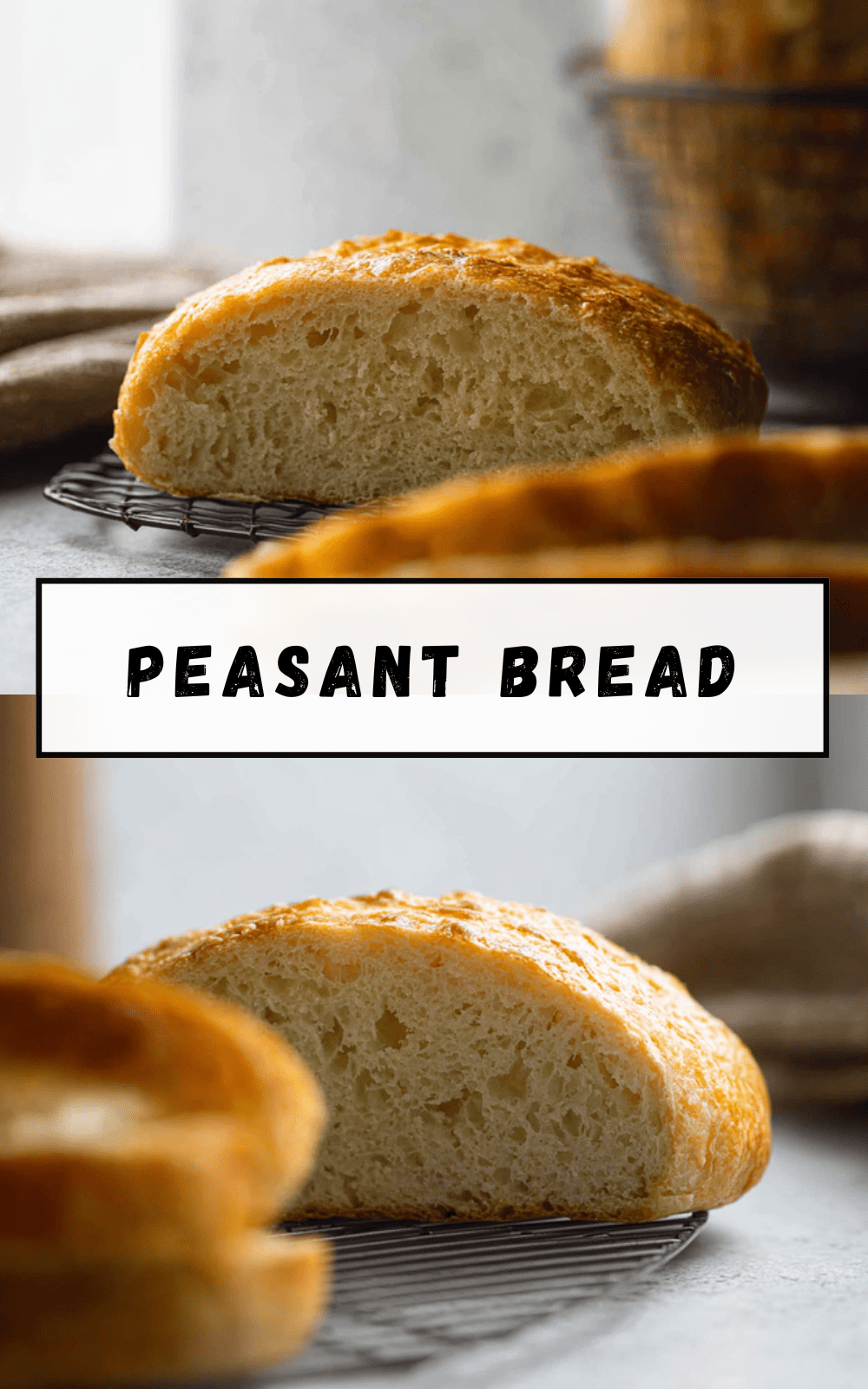
FAQs: Frequently Asked Questions About Peasant Bread
What is peasant bread and why is it popular?
Peasant bread is a simple, rustic loaf traditionally made with just four basic ingredients: flour, water, salt, and yeast. Its popularity stems from its ease of preparation, often requiring no kneading or minimal handling, and its deliciously crisp crust with a soft, airy interior. It’s an accessible bread for beginners, yielding satisfying results without fancy equipment or techniques. The straightforward recipe and forgiving nature make it a staple for home bakers wanting homemade bread without complexity.
What are the main ingredients in a basic peasant bread recipe?
A fundamental peasant bread recipe requires only four core ingredients: all-purpose or bread flour, water, salt, and active dry yeast or instant yeast. Some variations might include a small amount of sugar or honey to feed the yeast, but it’s not essential. The beauty lies in its simplicity – no eggs, milk, butter, or special additions are needed for the classic version. This minimal ingredient list makes it pantry-friendly and inexpensive.
How does peasant bread differ from sourdough bread?
The primary difference is the leavening agent. Peasant bread typically uses commercial yeast (instant or active dry) for a relatively quick rise, often ready in a few hours. Sourdough relies on a natural starter culture (wild yeast and bacteria), requiring a lengthy fermentation process over days. Sourdough develops a distinct tangy flavor and denser texture, while peasant bread has a milder taste and a lighter, more open crumb. Peasant bread is generally faster and simpler to make.
What’s the best way to get a crispy crust on peasant bread?
Achieving a crispy crust involves creating steam during the initial baking phase. Place a metal pan (like a cast iron skillet or broiler pan) on the bottom oven rack while preheating. Immediately after placing the bread dough in the oven, carefully pour 1 cup of hot water into the hot pan. This generates a burst of steam. Bake the bread on a preheated surface like a baking stone or Dutch oven, which also helps conduct heat effectively for a crisp bottom crust.
How should you store homemade peasant bread and how long does it last?
Store cooled peasant bread at room temperature, ideally in a paper bag or wrapped loosely in a clean kitchen towel. This allows air circulation, keeping the crust crisp while preventing the interior from drying out too quickly. Avoid plastic bags, which trap moisture and make the crust soggy. Properly stored, it will stay fresh for 2-3 days. For longer storage, slice and freeze the bread in a freezer bag for up to 3 months; thaw slices at room temperature or toast directly from frozen.
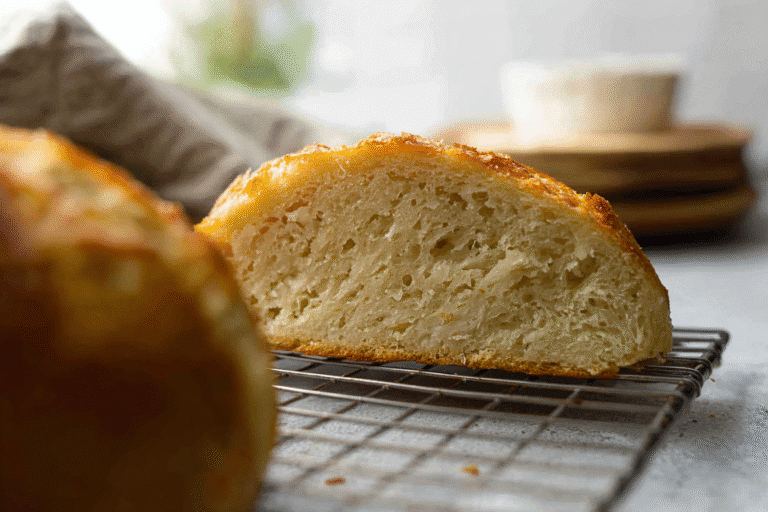
Peasant Bread
🍞 Enjoy freshly baked peasant bread with a simple recipe that’s easy enough for everyday baking at home.
👨👩👧👦 A perfect bread recipe your whole family will love, featuring a crusty exterior and soft, airy inside.
- Total Time: 2 hours 27 minutes
- Yield: 2 loaves 1x
Ingredients
4 cups (512 g) unbleached all-purpose or bread flour
2 teaspoons (10 g) kosher salt
2 cups (454 g) lukewarm water
2 teaspoons (8 g) sugar
2 teaspoons (8 g) instant yeast
Approximately 2 tablespoons room temperature butter for greasing bowls
coconut oil or a vegan margarine for greasing bowls
4 cups (512 g) gluten-free flour blend
1 teaspoon (4 g) sugar
whole wheat flour for half the amount
Instructions
1-First Step: Gather and Mix Your Ingredients Start by getting all your items ready in a large bowl, just like in the traditional peasant bread recipe. Whisk together 4 cups (512 g) of unbleached all-purpose flour, 2 teaspoons (10 g) kosher salt, 2 teaspoons (8 g) sugar, and 2 teaspoons (8 g) instant yeast. This sets the base for your rustic bread, ensuring even distribution for a great rise. For dietary tweaks, if you’re going gluten-free, swap the flour now.
2-Second Step: Add Water and Let It Rest Pour in 2 cups (454 g) of lukewarm water and stir until the flour is fully absorbed, creating a shaggy dough. This no-knead approach, central to how to make peasant bread at home, takes only a minute or two. Cover the bowl and let the dough rise in a warm spot for 1 to 2 hours, or until it doubles in size, which adapts well if you’re in a hurry for a quick peasant bread recipe.
3-Third Step: Prepare for Baking Once risen, preheat your oven to 425°F (220°C) and grease two oven-safe bowls with about 2 tablespoons of room temperature butter. Use bowls around 1-qt or 1.5-qt size to get that perfect shape. Punch down the dough gently with two forks, then divide it into two equal parts and place each into the prepared bowls for your best peasant bread for beginners.
4-Fourth Step: Second Rise and Initial Bake Let the dough rise again in the bowls for 20 to 30 minutes until it crowns the rims. This step helps build flavor in your artisan bread. Slide the bowls into the preheated oven and bake at 425°F (220°C) for 15 minutes, creating that lovely crusty bread texture. If you’re making this for families, you can add seeds here for extra crunch.
5-Fifth Step: Finish Baking and Cool Reduce the oven temperature to 375°F (190°C) and bake for another 15 to 17 minutes until golden brown. For a crispier result, consider baking in a Dutch oven as a variation. Once done, remove the loaves from the bowls and let them cool on wire racks for about 10 minutes. This peasant bread recipe for families yields 2 loaves, with a total time of around 2 hours and 27 minutes including rising.
6-Sixth Step: Serving and Enjoying Slice your fresh peasant bread and serve it warm, perhaps with butter or as a side to meals. It’s versatile for how to make peasant bread at home that suits everyone, from students to seniors. This simple bread recipe not only saves time but also brings joy to your table, encouraging even travelers to try baking on the go.
Last Step:
Please leave a rating and comment letting us know how you liked this recipe! This helps our business to thrive and continue providing free, high-quality recipes for you.Notes
⚖️ Use digital scales for accurate ingredient measurement.
🌡️ To substitute active-dry yeast, proof it first in the lukewarm water with sugar.
🥖 Store bread in ziplock bags at room temperature for 3-4 days or freeze sliced portions for longer storage.
- Prep Time: 5 minutes
- Rising Time: 1 hour 20 minutes
- Cook Time: 32 minutes
- Category: Bread
- Method: Baking
- Cuisine: American
- Diet: Vegetarian
Nutrition
- Serving Size: 1 slice






I just baked this peasant bread recipe and it turned out fantastic! The crust was perfectly crunchy and the inside wonderfully soft. I added a tablespoon of olive oil to the dough for a bit of extra moisture, and it worked beautifully. Thanks for sharing this simple yet delicious recipe!