
Why You’ll Love This Poffertjes
Poffertjes offer a delightful introduction to traditional Dutch cuisine, providing a simple yet satisfying treat that appeals to home cooks and food enthusiasts alike. These mini pancakes stand out for their ease of preparation, making them ideal for busy parents and students who seek quick recipes without sacrificing taste. In this section, benefits of poffertjes are highlighted to show why this recipe fits various lifestyles.
- Ease of preparation: This poffertjes recipe requires basic ingredients and minimal steps, allowing preparation in under 30 minutes once the batter is ready. The straightforward process involves mixing a few items and using a specialized pan, which reduces cleanup time and makes it accessible for beginners. Poffertjes can be made without advanced skills, proving versatile for everyday meals or spontaneous snacks.
- Health benefits: Poffertjes made with buckwheat flour provide nutritional value through whole grains that support digestive health and offer plant-based protein. This ingredient helps in maintaining steady energy levels, beneficial for working professionals and diet-conscious individuals seeking balanced options. Additionally, using eggs and milk adds essential nutrients like vitamins and calcium, contributing to a wholesome choice when enjoyed in moderation.
- Versatility: Poffertjes adapt easily to different dietary needs, such as vegan or gluten-free versions by swapping ingredients, making them suitable for families with varied preferences. They serve as a base for creative toppings, allowing travelers and newlyweds to experiment with flavors from around the world. This flexibility ensures poffertjes remain a favorite across seasons and occasions, from breakfast to dessert.
- Distinctive flavor: The unique combination of buckwheat flour and yeast gives poffertjes a light, airy texture with a slightly nutty taste that differentiates them from regular pancakes. This authentic flavor profile evokes cultural traditions, appealing to baking enthusiasts and seniors who appreciate heritage recipes. When dusted with powdered sugar and served warm, poffertjes provide a comforting experience that enhances family gatherings.
To explore more pancake variations, consider trying traditional johnny cakes for another easy breakfast option on your site. Overall, these qualities make poffertjes a practical and enjoyable recipe for a wide audience, fostering simple cooking joy at home.
Essential Ingredients for Poffertjes
Selecting the right ingredients is key to achieving the authentic taste and texture of poffertjes. Below is a detailed list of all required items, drawn directly from the recipe summary, ensuring precise measurements for accuracy. Each ingredient includes an explanation of its role to help home cooks understand its purpose.
- Buckwheat flour: 250 grams – This provides the base structure and distinctive nutty flavor, contributing to the light and spongy texture that defines poffertjes.
- Active dry yeast: 7 grams (or 2 1/4 teaspoons) – Acts as the leavening agent to create bubbles and fluffiness in the batter, essential for the traditional rise.
- Eggs: 2 large – Bind the ingredients together and add richness, while also offering nutritional benefits like protein and vitamins.
- Milk: 400 milliliters (lukewarm) – Helps form the batter’s consistency and activates the yeast, ensuring a smooth and pourable mixture.
- Powdered sugar: For dusting (amount to taste) – Used for topping to add sweetness and a classic finish, enhancing the overall flavor profile.
- Butter: For serving (amount to taste) – Provides a creamy element when melted on top, improving taste and mouthfeel for serving.
- Optional toppings: Syrup (amount to taste), sweet garnishes like strawberries or cream (amounts to taste) – Allow for personalization, adding variety and extra flavor to suit individual preferences.
For special dietary options, adjustments can be made as follows. Vegan: Replace milk with a plant-based alternative like almond milk and use a flax egg substitute for the eggs to maintain binding properties. Gluten-free: Ensure buckwheat flour is pure, as it is naturally gluten-free, and verify other ingredients for cross-contamination. Low-calorie: Opt for reduced-fat milk and limit powdered sugar and butter to control calorie intake while preserving the recipe’s essence. For more on ingredient health aspects, visit health benefits of buckwheat, a resource that details its nutritional advantages.
How to Prepare the Perfect Poffertjes: Step-by-Step Guide
Creating poffertjes involves a sequence of straightforward steps that yield delicious results. This guide uses the provided directions to outline the process, incorporating timing and temperature details for clarity. Each step is designed for ease, with adaptations for dietary needs mentioned where relevant, ensuring accessibility for all levels of cooks.
First Step: Prepare the Batter
Begin by gathering all ingredients in a mixing bowl. Combine 250 grams of buckwheat flour with 7 grams of active dry yeast, 2 large eggs, and 400 milliliters of lukewarm milk to form a smooth batter. Stir the mixture thoroughly until no lumps remain, then let it rest for about 30 to 60 minutes in a warm place; this allows the yeast to activate and develop the characteristic airy texture. For vegan adaptations, substitute eggs with mashed banana or flaxseed mixture at this stage to achieve similar results.
Second Step: Heat the Pan
Heat a special poffertjes pan or an aebleskiver pan with shallow indentations over medium heat for approximately 2-3 minutes. Lightly grease each indentation with a small amount of butter or oil to prevent sticking and ensure even cooking. The pan should reach a consistent temperature of around 350°F (175°C) for optimal results, promoting a golden-brown finish. This step is crucial for achieving the authentic shape, and for those without a specific pan, a non-stick skillet can be used with adjustments for smaller portions.
Third Step: Pour the Batter
Once the pan is heated, pour small amounts of batter into each indentation, filling them about halfway to allow room for rising. Use a spoon or pipette for precision, aiming for each poffertje to be around 2-5 cm in diameter. Cook for 1-2 minutes until the edges set and bubbles begin to form on the surface, indicating the batter is cooking evenly. If adapting for gluten-free preferences, ensure the batter consistency remains by checking the flour substitute beforehand.
Fourth Step: Flip and Cook Completely
Carefully flip each poffertje using a small fork or skewer once the edges are firm, typically after 1-2 minutes. Continue cooking the other side for an additional 1-2 minutes until both sides are golden brown and the interior is fluffy. Monitor the heat to avoid burning, adjusting as needed for even browning. This step ensures the poffertjes achieve their signature texture, and for low-calorie variations, use less oil in greasing to reduce fat content.
Final Step: Serve the Poffertjes
Remove the poffertjes from the pan and serve them immediately while warm. Dust generously with powdered sugar and top with small pieces of butter, along with optional additions like syrup or strawberries. The total preparation time is about 45 minutes, making it ideal for busy schedules, and reheat any leftovers in a microwave for 20-30 seconds. Presentation can be enhanced by arranging them on a plate with fresh garnishes, appealing to baking enthusiasts looking for a simple yet elegant dish.

Dietary Substitutions to Customize Your Poffertjes
Protein and Main Component Alternatives
Adapting poffertjes for different needs starts with the main ingredients like eggs and flour. For those avoiding eggs, replace the 2 large eggs with aquafaba or commercial egg replacers to maintain structure without altering taste significantly. Buckwheat flour can be swapped for oat flour in equal amounts of 250 grams if a milder flavor is preferred, though this may slightly change the texture for individuals with specific dietary restrictions.
Vegetable, Sauce, and Seasoning Modifications
Incorporate alternative vegetables by adding finely chopped fruits like blueberries into the batter for a fresh twist, adjusting quantities to taste for seasonal variety. For sauces, use maple syrup instead of powdered sugar to reduce sweetness, or opt for yogurt-based toppings to align with low-calorie goals. Seasonings can be modified by including a pinch of cinnamon or vanilla extract, ensuring the recipe remains adaptable for different preferences while preserving the essence of poffertjes.
For further nutritional insights on eggs, check nutritional value of eggs, which offers detailed information on their benefits.
Mastering Poffertjes: Advanced Tips and Variations
Enhancing your poffertjes skills involves learning pro techniques and experimenting with flavors. One effective method is to whisk the batter vigorously to incorporate air, resulting in even lighter textures. For flavor variations, incorporate citrus zest into the mix for a zesty note, or blend in chocolate chips based on personal taste.
Pro Cooking Techniques
Advanced cooks can use a double-proofing technique for the batter, resting it twice for optimal rise and a professional finish. Maintaining precise temperatures prevents overcooking, and using high-quality pans ensures uniform heating across all indentations.
Flavor Variations
Experiment with different combinations, such as adding nuts or herbs, to create unique poffertjes profiles. For dietary adaptations, incorporate gluten-free options seamlessly into these variations.
Presentation Tips
Plate poffertjes in a stacked arrangement with colorful toppings for visual appeal, making them ideal for social events. Simple garnishes like fresh herbs elevate the dish without complexity.
Make-Ahead Options
Prepare batter in advance and refrigerate for up to 24 hours, allowing busy individuals quick access to fresh poffertjes. This strategy works well for meal prep, ensuring consistent results.
How to Store Poffertjes: Best Practices
Proper storage maintains the quality of poffertjes after preparation. For short-term needs, follow guidelines that preserve freshness. A table below summarizes key methods for clarity.
| Storage Method | Duration | Tips |
|---|---|---|
| Refrigeration | 2-3 days | Store in an airtight container to keep moisture in, preventing sogginess. |
| Freezing | Up to 2 months | Flash-freeze on a tray first, then transfer to bags for easy portioning. |
| Reheating | N/A | Use a microwave for 20 seconds or oven at 350°F for crispiness. |
| Meal Prep | 1 week | Batch cook and label containers for quick weekday access. |
These practices help in retaining the original texture of poffertjes, making them convenient for seniors and working professionals.
FAQs: Frequently Asked Questions About Poffertjes
What are poffertjes?
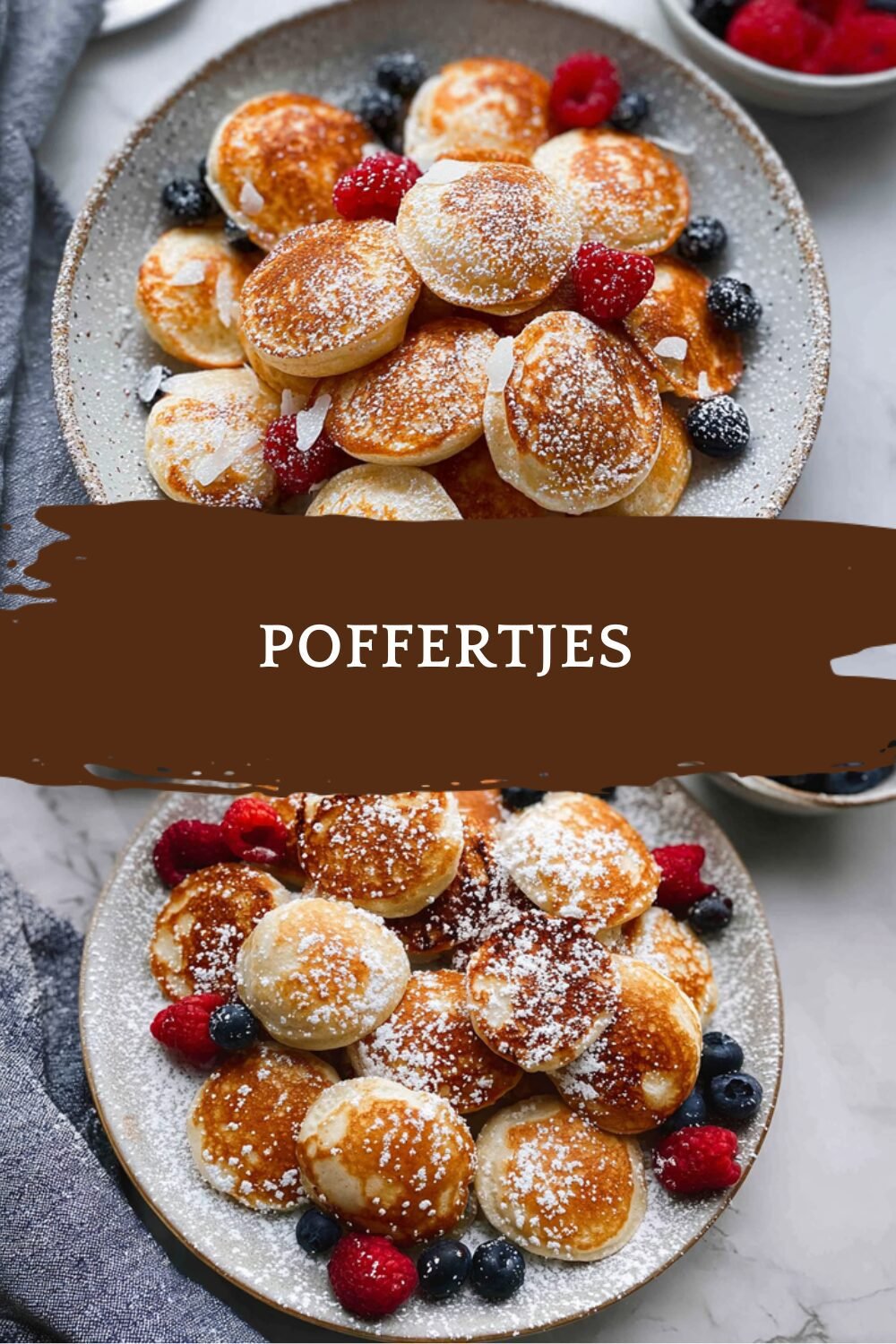
Poffertjes are traditional Dutch miniature pancakes, typically 2-5 cm in diameter. Unlike regular pancakes, they have a light, spongy texture made with buckwheat flour and yeast. They’re cooked in a special cast iron pan with shallow half-spherical indentations and served warm with powdered sugar and butter on top. These treats originated in the Netherlands and are popular street food at markets and festivals throughout the country.
How do you make authentic Dutch poffertjes?
To make authentic poffertjes, combine buckwheat flour, all-purpose flour, yeast, milk, eggs, and a pinch of salt. Let the batter rest for about an hour. Heat a special poffertjes pan, fill each indentation with batter, and cook until bubbles form. Flip each poffertje with a small fork or skewer and cook until golden. Serve immediately with melted butter and powdered sugar. The key is using buckwheat flour and yeast for that characteristic fluffy texture.
What’s the difference between poffertjes and regular pancakes?
Poffertjes differ from regular pancakes in several ways. They’re much smaller (2-5 cm in diameter) and contain buckwheat flour and yeast, giving them a lighter, spongier texture. Regular pancakes typically use baking powder as a leavening agent. Poffertjes are cooked in a special pan with round indentations, while pancakes are made on a flat griddle. Poffertjes are traditionally served with powdered sugar and butter, not maple syrup.
Can you make poffertjes without a special pan?
While a special poffertjes pan produces the best results, you can make them without one. Use a regular non-stick frying pan and drop small, round amounts of batter to create mini pancakes. The texture and shape won’t be identical, but the taste will be similar. Alternatives include using an æbleskiver pan (Danish pan with half-spherical indentations) or a takoyaki pan, both of which can create small, round treats similar to poffertjes.
When and where are poffertjes traditionally eaten in the Netherlands?
Poffertjes are popular Dutch street food found at outdoor markets, fairs, and winter events throughout the Netherlands. They’re especially popular during the winter holiday season and Christmas markets. While enjoyed year-round as a snack or dessert, they’re often associated with cozy gatherings and celebrations. Many Dutch families also make poffertjes at home using special pans, serving them as weekend treats or special desserts during family gatherings.
Poffertjes
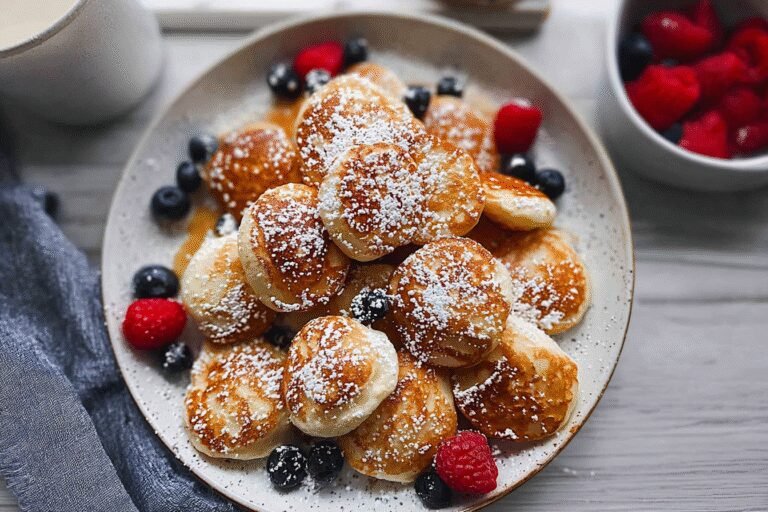
🥞 Enjoy the light and fluffy delight of traditional Dutch poffertjes, perfect for a sweet breakfast or snack.
🍓 These mini pancakes offer a fun and comforting treat that’s easy to prepare and customize with your favorite toppings.
- Total Time: 1 hour
- Yield: About 30 poffertjes
Ingredients
– 250 grams buckwheat flour This provides the base structure and distinctive nutty flavor, contributing to the light and spongy texture that defines poffertjes.
– 7 grams (or 2 1/4 teaspoons) active dry yeast Acts as the leavening agent to create bubbles and fluffiness in the batter, essential for the traditional rise.
– 2 large eggs Bind the ingredients together and add richness, while also offering nutritional benefits like protein and vitamins.
– 400 milliliters (lukewarm) milk Helps form the batter’s consistency and activates the yeast, ensuring a smooth and pourable mixture.
– powdered sugar For dusting (amount to taste) Used for topping to add sweetness and a classic finish, enhancing the overall flavor profile.
– butter For serving (amount to taste) Provides a creamy element when melted on top, improving taste and mouthfeel for serving.
– syrup For topping (amount to taste) Optional toppings for personalization, adding variety and extra flavor to suit individual preferences.
– sweet garnishes like strawberries or cream Optional toppings (amounts to taste)
Instructions
1-First Step: Prepare the Batter Begin by gathering all ingredients in a mixing bowl. Combine 250 grams of buckwheat flour with 7 grams of active dry yeast, 2 large eggs, and 400 milliliters of lukewarm milk to form a smooth batter. Stir the mixture thoroughly until no lumps remain, then let it rest for about 30 to 60 minutes in a warm place; this allows the yeast to activate and develop the characteristic airy texture. For vegan adaptations, substitute eggs with mashed banana or flaxseed mixture at this stage to achieve similar results.
2-Second Step: Heat the Pan Heat a special poffertjes pan or an aebleskiver pan with shallow indentations over medium heat for approximately 2-3 minutes. Lightly grease each indentation with a small amount of butter or oil to prevent sticking and ensure even cooking. The pan should reach a consistent temperature of around 350°F (175°C) for optimal results, promoting a golden-brown finish. This step is crucial for achieving the authentic shape, and for those without a specific pan, a non-stick skillet can be used with adjustments for smaller portions.
3-Third Step: Pour the Batter Once the pan is heated, pour small amounts of batter into each indentation, filling them about halfway to allow room for rising. Use a spoon or pipette for precision, aiming for each poffertje to be around 2-5 cm in diameter. Cook for 1-2 minutes until the edges set and bubbles begin to form on the surface, indicating the batter is cooking evenly. If adapting for gluten-free preferences, ensure the batter consistency remains by checking the flour substitute beforehand.
4-Fourth Step: Flip and Cook Completely Carefully flip each poffertje using a small fork or skewer once the edges are firm, typically after 1-2 minutes. Continue cooking the other side for an additional 1-2 minutes until both sides are golden brown and the interior is fluffy. Monitor the heat to avoid burning, adjusting as needed for even browning. This step ensures the poffertjes achieve their signature texture, and for low-calorie variations, use less oil in greasing to reduce fat content.
5-Final Step: Serve the Poffertjes Remove the poffertjes from the pan and serve them immediately while warm. Dust generously with powdered sugar and top with small pieces of butter, along with optional additions like syrup or strawberries. The total preparation time is about 45 minutes, making it ideal for busy schedules, and reheat any leftovers in a microwave for 20-30 seconds. Presentation can be enhanced by arranging them on a plate with fresh garnishes, appealing to baking enthusiasts looking for a simple yet elegant dish.
Last Step:
Please leave a rating and comment letting us know how you liked this recipe! This helps our business to thrive and continue providing free, high-quality recipes for you.Notes
🥞 A poffertjes or aebleskiver pan is essential for achieving the authentic shape and texture.
🛒 Ready-made poffertjes or mixes can simplify preparation; just add eggs and milk.
🍓 Experiment with various toppings like fresh fruit or whipped cream for extra flavor and variety.
- Prep Time: 15 minutes
- Resting Time: 30 minutes
- Cook Time: 15 minutes
- Category: Breakfast, Snack
- Method: Pan-frying
- Cuisine: Dutch
- Diet: Vegetarian
Nutrition
- Serving Size: 5-6 poffertjes