

Why You’ll Love This Red Curry
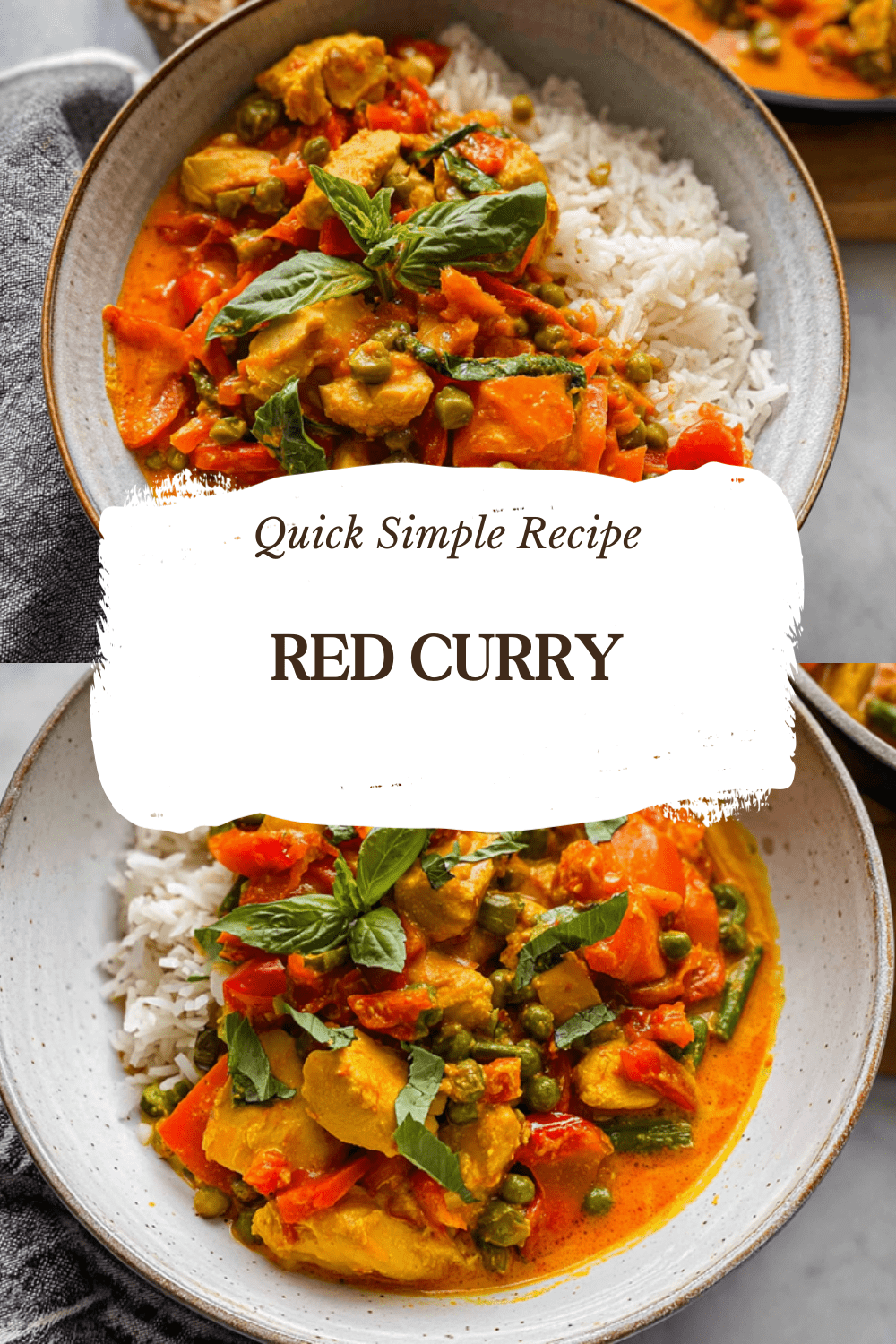
If you’re craving the warm, spicy embrace of Thai flavors without leaving your kitchen, this red curry recipe is your new best friend. It’s amazingly simple to whip up, taking just 25 minutes from start to finish, which makes it perfect for busy weeknights or when you want a quick meal that doesn’t skimp on taste. Picture tender chicken soaking up a creamy coconut milk sauce, packed with veggies and herbs that make every bite feel like a mini vacation. Let’s dive into why this dish stands out among red curry options.
First, consider the ease of preparation. With only 5 minutes of prep and 20 minutes of cooking, this recipe fits right into a hectic schedule, letting you enjoy authentic Thai curry without hours in the kitchen. It’s straightforward enough for beginners, using common ingredients like red curry paste and coconut milk that you can find at most stores. This simplicity means even students or working professionals can create a delicious meal that rivals takeout, making red curry a go-to choice for everyday cooking.
Health benefits add another layer of appeal. Loaded with nutritious elements such as pumpkin, green beans, and fresh herbs, this curry provides a balanced mix of proteins, vitamins, and healthy fats from coconut milk. Each serving clocks in at about 530 calories, offering a satisfying option for diet-conscious folks while delivering essential nutrients that support wellness. Whether you’re a busy parent looking for wholesome family dinners or someone focused on healthy eating, this red curry delivers flavor without the guilt.
Versatility is key, as this recipe adapts to various tastes and diets. You can swap ingredients based on what’s in your fridge, like using tofu for a vegan twist or different veggies for seasonal variety. It’s ideal for food enthusiasts and newlyweds experimenting in the kitchen, or travelers recreating global favorites at home. Plus, the distinctive flavor from Thai ingredients like kaffir lime leaves and Thai basil sets it apart, giving that signature spicy-sweet kick that makes Thai cuisine so memorable.
This red curry chicken brings everything together in a harmonious blend, making it a standout for home cooks of all levels. With its bold yet balanced taste, it’s not just a meal it’s an experience that encourages you to play with flavors and make it your own. Whether you’re a senior enjoying familiar comforts or a baking enthusiast branching into savory dishes, this recipe proves that great Thai curry is within reach. Try it once, and you’ll see why it’s a staple in so many kitchens.
Essential Ingredients for Red Curry
Gathering the right ingredients is the first step to nailing this red curry recipe. Below is a detailed list with precise measurements and explanations to help you understand each one’s role in creating that authentic flavor.
Main Ingredients
- 5-6 tablespoons store-bought Thai red curry paste (Option 1) – This forms the spicy base, infusing the dish with the essential heat and depth that defines red curry; choose a good quality one for the best taste.
- 1 quantity homemade Thai red curry paste (Option 2) – If you prefer freshness, make your own for a customized spice level and vibrant flavor that elevates the entire curry.
- 2 cloves garlic, minced (Extras for jar paste only) – Adds a pungent aroma and sharp taste that enhances the curry’s overall complexity when using store-bought paste.
- 2 teaspoons fresh ginger, finely grated (Extras for jar paste only) – Brings a zesty, warming note that complements the spices and helps balance the sweetness in the sauce.
- 1 tablespoon lemongrass paste or finely chopped fresh lemongrass (Extras for jar paste only) – Infuses a citrusy, herbal freshness that brightens the curry and makes it feel truly Thai.
- 3 tablespoons vegetable oil – Used for sautéing, it helps release the flavors of the paste and prevents sticking in the pan for a smooth cooking process.
- 1 cup low-sodium chicken broth – Provides a flavorful liquid base that thins the sauce and adds savory depth without overwhelming the other ingredients.
- 400 ml full-fat coconut milk – Creates the creamy, rich texture that’s signature to Thai curry, while mellowing the spices and adding a subtle sweetness.
- 6 kaffir lime leaves – Offer a fragrant, citrusy aroma that lifts the dish and gives it that authentic Thai twist for an irresistible scent and taste.
- 1 tablespoon sugar – Balances the heat with a touch of sweetness, helping to round out the flavors and make the curry more palatable.
- 2 teaspoons fish sauce (plus extra to taste) – Adds umami and saltiness that enhances the savory elements; adjust as needed for your preferred seasoning level.
- 350g boneless, skinless chicken thighs, sliced 0.75-inch thick – Provides juicy, flavorful protein that absorbs the sauce beautifully, making it tender and satisfying.
- 150g pumpkin or butternut squash, cut into 1.5cm cubes – Brings natural sweetness and a hearty texture; plus, it’s a great way to incorporate veggies for added nutrition, and for more ideas on using pumpkin, check out our pumpkin whoopie pies recipe for creative twists.
- 120g green beans, trimmed and cut into 5cm pieces – Add crunch and color, while providing fiber and a fresh contrast to the creamy sauce.
- 12 Thai basil leaves – Impart a unique aniseed flavor at the end, freshening up the dish and adding a pop of green for visual appeal.
- Fresh red chili slices (Optional garnishes) – Kick up the heat if you like it spicy, offering a customizable element for bolder tastes.
- Fresh coriander/cilantro leaves (Optional garnishes) – Provide a herbaceous finish that brightens the plate and adds a layer of fresh flavor.
Special Dietary Options
- Vegan: For a plant-based version, switch the chicken with 350g of firm tofu and use vegetable broth instead of chicken broth to keep that creamy texture while boosting nutrition.
- Gluten-free: This recipe is naturally gluten-free, but double-check your curry paste and broth labels to ensure no hidden additives for a worry-free meal.
- Low-calorie: Opt for light coconut milk and reduce the oil to 1 tablespoon to cut calories while still enjoying the satisfying flavors of red curry.
How to Prepare the Perfect Red Curry: Step-by-Step Guide
Ready to bring the flavors of Thailand into your home? This red curry chicken recipe is straightforward and fun, with steps designed for beginners and experts alike. We’ll cover everything from prepping your ingredients to serving a dish that’s bursting with authentic taste. Remember, the key to great red curry is building layers of flavor, so take your time and enjoy the process. Start by gathering all your items to make cooking smoother that’s the secret to stress-free meals.
First Step: Begin by heating 3 tablespoons of vegetable oil in a large skillet over medium-high heat. This step ensures your pan is ready to bloom the flavors of the curry paste, creating a solid foundation for the sauce. If you’re using store-bought paste, add in the 2 cloves of minced garlic, 2 teaspoons of grated fresh ginger, and 1 tablespoon of lemongrass paste to freshen it up.
Second Step: Add the curry paste whether it’s 5-6 tablespoons of store-bought or your homemade version and cook it for about 2 minutes until it dries out and becomes fragrant. This toasting process releases the spices and deepens the red curry’s rich profile, filling your kitchen with that irresistible aroma. Stir constantly to prevent burning and let the flavors meld together seamlessly.
Third Step: Pour in 1 cup of low-sodium chicken broth, stirring well to dissolve the paste into the liquid. Let it simmer rapidly for 3 minutes until the broth reduces by half, concentrating the flavors and creating a base that’s full of depth. This step is crucial for achieving that perfect balance in your red curry, making it less watery and more sauce-like.
Fourth Step: Stir in 400 ml of full-fat coconut milk, along with 6 kaffir lime leaves, 1 tablespoon of sugar, and 2 teaspoons of fish sauce. Bring everything to a gentle simmer, then add the 350g of sliced chicken thighs, spreading them out evenly in the pan. Reduce the heat to medium and cook for 8-10 minutes, stirring occasionally, until the chicken is cooked through and the sauce starts to reduce. Taste and adjust with extra fish sauce or sugar if you need more saltiness or sweetness it’s all about customizing to your liking.
Fifth Step: Once the chicken is tender, toss in the 150g of cubed pumpkin or butternut squash and 120g of trimmed green beans. Stir them into the sauce and cook for another 3 minutes until the pumpkin is tender and the sauce thickens up. For additional flexibility, think about adding vegetables like eggplant or bell peppers here, adapting red curry to what’s in season or your dietary preferences. This keeps the dish vibrant and nutritious.
Sixth Step: Remove the pan from the heat and stir in the 12 Thai basil leaves for a fresh, aromatic finish. This final touch brightens the flavors and adds a lovely herbal note that ties everything together. For those curious about health benefits, check out how curry ingredients support wellness, integrating seamlessly into your routine.
Final Step: Serve your red curry over steamed rice, garnished with fresh red chili slices and coriander leaves if desired. The total time is just 25 minutes, making it ideal for busy parents or working professionals. Enjoy the creamy, spicy goodness that’s sure to become a favorite, and feel free to experiment with variations for the next time.

Dietary Substitutions to Customize Your Red Curry
Protein and Main Component Alternatives
One of the best parts of red curry is how easy it is to swap ingredients for your needs. For the main protein, instead of 350g chicken thighs, try using 350g of firm tofu if you’re going plant-based it soaks up the sauce just as well and keeps things creamy. If you’re avoiding meat, shrimp or beef can replace chicken for a different texture, ensuring your red curry stays juicy and flavorful. These changes make the dish accessible for everyone, from newlyweds to seniors looking for lighter options.
Vegetable, Sauce, and Seasoning Modifications
Vegetables offer plenty of room for creativity in red curry. Swap the 150g pumpkin with sweet potato or zucchini for a seasonal twist, or add bell peppers alongside the 120g green beans to boost color and crunch. For the sauce, use soy sauce in place of fish sauce if you’re making a vegan version, and adjust the 400 ml coconut milk with a lighter alternative to cut calories without losing that silky feel. Seasonings like the 6 kaffir lime leaves can be replaced with lime zest if fresh leaves are hard to find, keeping your Thai curry adaptable and exciting.
Mastering Red Curry: Advanced Tips and Variations
Pro Cooking Techniques
To take your red curry to the next level, focus on sautéing the paste longer for a deeper flavor it’s like unlocking hidden treasures in your pan. Using fresh ingredients, such as grating ginger right before cooking, adds a zing that store-bought versions can’t match, making your dish pop with authenticity.
Flavor Variations
Experiment by tweaking the spice level with more or less curry paste, or add unique elements like cardamom for a twist on traditional Thai curry. For a fun variation, incorporate berries from our berry trifle recipe into a fruit-infused version, blending sweet and savory in surprising ways. These changes keep red curry fresh and exciting for food enthusiasts.
Presentation Tips
Garnish with vibrant herbs and chili slices to make your plate visually appealing, turning a simple meal into a feast for the eyes. Plating over rice in a bowl enhances the experience, encouraging everyone to dig in with joy.
Make-Ahead Options
Prep the paste and veggies in advance to save time, or freeze portions for quick meals later this red curry reheats beautifully, perfect for busy schedules. With these tips, you’ll master red curry like a pro in no time.
How to Store Red Curry: Best Practices
Keeping your red curry fresh is easy with the right methods, ensuring it tastes just as good the next day. For refrigeration, store leftovers in an airtight container in the fridge for up to 3 days to maintain flavor and safety. Freezing works wonders too portion it into bags and keep for up to 3 months, making it ideal for meal prep. When reheating, use a gentle heat on the stove with a splash of water to keep the sauce creamy and prevent it from splitting. These practices help red curry fit into your routine, whether you’re a working professional or a student.
FAQs: Frequently Asked Questions About Red Curry
What is red curry?
Red curry is a popular Thai dish made from red curry paste cooked in coconut milk with meat, vegetables, and various aromatics. The paste typically contains dried red chilies, garlic, lemongrass, galangal, shrimp paste, and spices. This combination creates a vibrant red sauce with a balance of spicy, sweet, and savory flavors. Red curry is commonly served with jasmine rice and is one of Thailand’s most recognized culinary exports, known for its creamy texture and complex taste profile.
How spicy is red curry compared to other Thai curries?
Red curry falls in the middle range of Thai curry spiciness. It’s typically hotter than yellow or green curry but milder than orange curry. The heat comes from the red chilies in the paste, though coconut milk helps temper the spiciness. Restaurant versions outside Thailand are often adjusted to be milder for wider appeal. When making it at home, you can control the heat level by adjusting the amount of curry paste used or removing seeds from the chilies.
What are the main ingredients in red curry paste?
Traditional red curry paste contains dried red chilies as the base, along with lemongrass, galangal (Thai ginger), kaffir lime peel, coriander seeds, cumin seeds, peppercorns, shallots, garlic, and shrimp paste. These ingredients are pounded together to form a fragrant, spicy paste. Some regional variations may include additional ingredients like cardamom or cinnamon. Store-bought pastes are convenient, but homemade paste offers fresher flavor and allows customization of heat levels and ingredients to suit personal preferences.
How do you make red curry at home?
To make red curry at home, heat oil in a pan and fry 2-3 tablespoons of curry paste until fragrant. Add 400ml of coconut milk, stirring until the oil separates. Add your protein (chicken, beef, tofu, etc.) and cook through. Include vegetables like bamboo shoots, bell peppers, and Thai eggplant. Season with fish sauce (or soy sauce for vegetarian), palm sugar, and lime juice. Finish with Thai basil leaves. Simmer until flavors meld, then serve hot with jasmine rice. The process takes about 30 minutes from start to finish.
Can red curry be made vegetarian or vegan?
Yes, red curry can easily be adapted for vegetarian or vegan diets. For a vegetarian version, simply replace meat with tofu, tempeh, or additional vegetables. To make it vegan, use plant-based protein and ensure your curry paste doesn’t contain shrimp paste (many brands offer vegan alternatives). Replace fish sauce with soy sauce or tamari. The coconut milk base and most vegetables are naturally vegan, making the conversion straightforward. The dish maintains its rich flavor profile while accommodating plant-based diets, offering protein, healthy fats, and vegetables in one delicious meal.
Red Curry
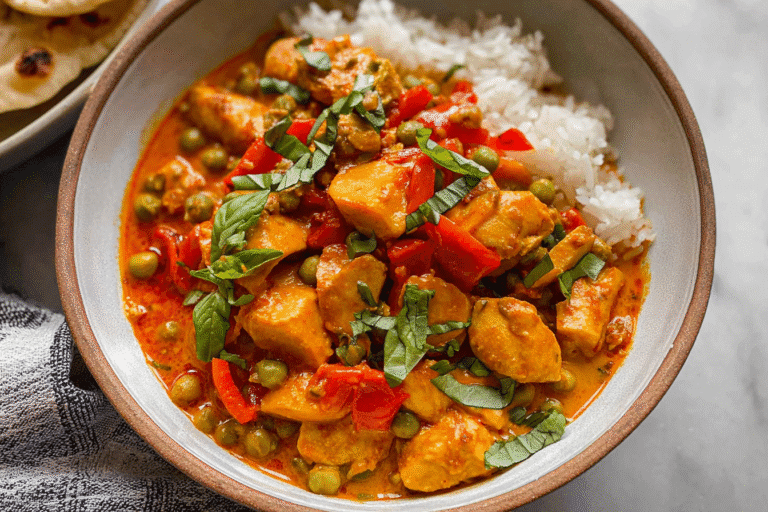
🍛 Experience the rich and authentic flavors of Thai Red Curry Chicken that brings vibrant spices and creamy coconut milk to your table.
🌿 This dish is quick to prepare, perfect for a wholesome home-cooked meal with tender chicken and fresh vegetables.
- Total Time: 25 minutes
- Yield: 4 servings 1x
Ingredients
5–6 tablespoons store-bought Thai red curry paste
1 quantity homemade Thai red curry paste
2 cloves garlic, minced for jar paste only
2 teaspoons fresh ginger, finely grated for jar paste only
1 tablespoon lemongrass paste or finely chopped fresh lemongrass for jar paste only
3 tablespoons vegetable oil for sautéing
1 cup low-sodium chicken broth
400 ml full-fat coconut milk
6 kaffir lime leaves
1 tablespoon sugar
2 teaspoons fish sauce (plus extra to taste)
350g boneless, skinless chicken thighs, sliced 0.75-inch thick
150g pumpkin or butternut squash, cut into 1.5cm cubes
120g green beans, trimmed and cut into 5cm pieces
12 Thai basil leaves
Fresh red chili slices (Optional garnishes)
Fresh coriander/cilantro leaves (Optional garnishes)
Instructions
First Step: Begin by heating 3 tablespoons of vegetable oil in a large skillet over medium-high heat. This step ensures your pan is ready to bloom the flavors of the curry paste, creating a solid foundation for the sauce. If you’re using store-bought paste, add in the 2 cloves of minced garlic, 2 teaspoons of grated fresh ginger, and 1 tablespoon of lemongrass paste to freshen it up.
Second Step: Add the curry paste whether it’s 5-6 tablespoons of store-bought or your homemade version and cook it for about 2 minutes until it dries out and becomes fragrant. This toasting process releases the spices and deepens the red curry’s rich profile, filling your kitchen with that irresistible aroma. Stir constantly to prevent burning and let the flavors meld together seamlessly.
Third Step: Pour in 1 cup of low-sodium chicken broth, stirring well to dissolve the paste into the liquid. Let it simmer rapidly for 3 minutes until the broth reduces by half, concentrating the flavors and creating a base that’s full of depth. This step is crucial for achieving that perfect balance in your red curry, making it less watery and more sauce-like.
Fourth Step: Stir in 400 ml of full-fat coconut milk, along with 6 kaffir lime leaves, 1 tablespoon of sugar, and 2 teaspoons of fish sauce. Bring everything to a gentle simmer, then add the 350g of sliced chicken thighs, spreading them out evenly in the pan. Reduce the heat to medium and cook for 8-10 minutes, stirring occasionally, until the chicken is cooked through and the sauce starts to reduce. Taste and adjust with extra fish sauce or sugar if you need more saltiness or sweetness it’s all about customizing to your liking.
Fifth Step: Once the chicken is tender, toss in the 150g of cubed pumpkin or butternut squash and 120g of trimmed green beans. Stir them into the sauce and cook for another 3 minutes until the pumpkin is tender and the sauce thickens up. For additional flexibility, think about adding vegetables like eggplant or bell peppers here, adapting red curry to what’s in season or your dietary preferences. This keeps the dish vibrant and nutritious.
Sixth Step: Remove the pan from the heat and stir in the 12 Thai basil leaves for a fresh, aromatic finish. This final touch brightens the flavors and adds a lovely herbal note that ties everything together. For those curious about health benefits, check out how curry ingredients support wellness, integrating seamlessly into your routine.
Final Step: Serve your red curry over steamed rice, garnished with fresh red chili slices and coriander leaves if desired. The total time is just 25 minutes, making it ideal for busy parents or working professionals. Enjoy the creamy, spicy goodness that’s sure to become a favorite, and feel free to experiment with variations for the next time.
Last Step:
Please leave a rating and comment letting us know how you liked this recipe! This helps our business to thrive and continue providing free, high-quality recipes for you.Notes
🌶️ Adjust the amount of curry paste to control the spice level according to your preference.
🥥 Pumpkin adds a subtle sweetness and absorbs the curry flavors; sweet potato can be a good substitute.
🌿 For best flavor, use fresh kaffir lime leaves and Thai basil, but regular basil can substitute in a pinch.
- Prep Time: 5 minutes
- Cook Time: 20 minutes
- Category: Main Course
- Method: Simmering, sautéing
- Cuisine: Thai
- Diet: Non-vegetarian
Nutrition
- Serving Size: 1 serving
- Calories: 530 kcal
- Sugar: 7 g
- Sodium: 800 mg
- Fat: 35 g
- Saturated Fat: 25 g
- Unsaturated Fat: 8 g
- Trans Fat: 0 g
- Carbohydrates: 20 g
- Fiber: 4 g
- Protein: 35 g
- Cholesterol: 85 mg





Just tried this red curry recipe and it turned out incredible! 😍 I added some extra lime juice for a bit more tang and it balanced the spice perfectly. Definitely a new favorite for weeknight dinners!