

Why You’ll Love This Ribeye Roast
When it comes to preparing a ribeye roast, you might wonder what makes it worth the effort. This ribeye roast recipe is perfect for anyone wanting a main dish that feels special without much fuss. Let me share why this recipe has become a favorite in my kitchen, offering benefits that make it stand out for home cooks and food enthusiasts alike.
Ease of Preparation
This ribeye roast comes together with simple steps that even busy parents or working professionals can handle. With just a few minutes of active prep and straightforward roasting, you’ll have a delicious meal ready in about 2.5 hours for a 4-pound cut. It’s all about rubbing in some salt ahead of time and letting the oven do the work, which keeps things straightforward and stress-free.
This approach makes ribeye roast ideal for weeknights or holidays when you’re short on time. Plus, the ribeye roast recipe includes clear timing, like pre-salting for 1-2 days, which builds flavor without complicating your day.
Health Benefits
A good ribeye roast packs in nutrition that helps with a balanced diet, appealing to diet-conscious individuals and seniors. Each serving offers about 61 grams of protein, supporting muscle health and daily energy needs, along with essential nutrients like iron at 5 mg per serving. This cut is rich in vitamins, such as Vitamin A at 289 IU, which can aid eye health and immune function.
According to the health benefits of beef, choosing a high-quality ribeye roast means you’re getting healthy fats that provide satisfaction without overloading on carbs, as seen in the 0.3 grams per serving. It’s a great option for those watching their intake while still enjoying a hearty meal.
Versatility
This ribeye roast adapts to various dietary needs, making it suitable for students, newlyweds, or travelers who want customizable meals. You can tweak it for dairy-free options by swapping butter for olive oil, or go paleo with ghee for a similar rich taste. Its flexibility lets you adjust based on what’s in your kitchen or preferences.
For instance, the ribeye roast works for everything from family dinners to special events, serving about 4 people from a 4-pound roast with room for leftovers. This adaptability ensures ribeye roast fits into busy lifestyles while keeping things delicious and approachable.
Distinctive Flavor
What sets this ribeye roast apart is its bold, juicy taste from the marbling and simple seasonings like rosemary and garlic. The result is tender meat with a savory crust that makes every bite memorable for food enthusiasts. It’s that perfect balance of rich flavor and ease that turns a simple roast into a standout dish.
I remember my first time making ribeye roast for a gathering and how the fresh rosemary brought everything to life with its aromatic touch. Preparing a ribeye roast like this highlights the natural beefy goodness without needing fancy tools, making it a go-to for creating those warm, shared moments around the table.
Essential Ingredients for Ribeye Roast
Gathering the right ingredients is key to making a stellar ribeye roast. Below is a detailed list based on a 4-pound recipe, with exact measurements and why each one matters. This helps home cooks build confidence in creating a flavorful meal.
- 4 pounds Ribeye Roast (boneless, tied) – This is the star, providing tender, marbled meat that delivers juicy results when roasted.
- 1 tablespoon kosher salt – Used for pre-salting, it enhances flavor and tenderizes the meat for better texture.
- 4 tablespoons salted butter (softened) – Adds richness and helps create a flavorful crust; for dairy-free, replace with 2 tablespoons olive oil.
- 1 clove garlic (minced) – Infuses a pungent, aromatic depth that complements the beef without overpowering it.
- 1 tablespoon fresh rosemary (chopped) – Brings a fragrant, herbal note that pairs well with the meat’s natural flavors, learn more about its benefits in the health benefits of rosemary.
- 1 teaspoon sea salt – Seasons the rosemary butter mixture, ensuring even flavor throughout the roast.
- 1/2 teaspoon black pepper – Adds a subtle kick and balances the other flavors for a well-rounded taste.
For special dietary options, here are some adjustments to make your ribeye roast fit different needs:
- Dairy-free: Simply use 2 tablespoons olive oil in place of the 4 tablespoons butter to keep the moisture without dairy.
- Paleo: Opt for 4 tablespoons ghee or mix 2 tablespoons butter with 2 tablespoons olive oil for a compliant twist.
- Gluten-free: This recipe is naturally gluten-free, so no changes are needed.
- Low-calorie: Reduce butter to 2 tablespoons or use olive oil to cut down on fats while maintaining taste.
How to Prepare the Perfect Ribeye Roast: Step-by-Step Guide
Getting a ribeye roast just right starts with careful preparation. Follow these steps to create a restaurant-quality meal that impresses everyone at the table. I’ll walk you through each part with tips for different sizes and preferences to make it easy.
First Step: Start by pre-salting the roast. Take your 4 pounds boneless, tied ribeye roast and rub it all over with 1 tablespoon kosher salt. This step can be done 1-2 days ahead cover and refrigerate it or if you’re in a rush, let it sit at room temperature for 2 hours before cooking. This helps the flavors seep in and makes the meat more tender.
Second Step: Preheat your oven based on the roast size. For a 4-pound ribeye roast, set it to 425°F to kick off with a good sear. If you’re working with an 8-pound or larger ribeye roast, go with 350°F right from the start to ensure even cooking. This adjustment prevents the outside from burning while the inside catches up.
Third Step: Make the rosemary butter mixture. In a small bowl, combine 4 tablespoons softened salted butter (or 2 tablespoons olive oil for dairy-free), 1 clove minced garlic, 1 tablespoon chopped fresh rosemary, 1 teaspoon sea salt, and 1/2 teaspoon black pepper. Mix it well until it’s a smooth paste, which takes just a minute or two. For variations, you could add more herbs if you like, adapting to your taste.
Fourth Step: Prepare the roast for the oven. Place the ribeye roast fat-side up in a cast-iron skillet or a roasting pan with a rack. Spread the rosemary butter mixture over the entire surface for even flavor. Insert a meat thermometer into the thickest part, making sure it doesn’t touch any bone, and you’re set for monitoring doneness.
Fifth Step: Roast the ribeye based on its size. For the 4-pound version, cook at 425°F for the first 30 minutes to get that nice crust, then lower the heat to 350°F. Keep going until the internal temperature is 10°F below your desired doneness about 2 hours total for medium-rare. For larger ribeye roasts, skip the high heat and cook fully at 350°F, which might take around 4 hours. Use the thermometer to check, and remember to adapt for dietary needs like using olive oil if needed.
Sixth Step: Let the roast rest before serving. Once it’s out of the oven, cover it loosely with foil and let it sit for 20-30 minutes. This allows the juices to settle, making the ribeye roast even more succulent. When it’s time, slice it against the grain for the best texture and serve it up for a meal that fits any occasion.

Dietary Substitutions to Customize Your Ribeye Roast
Protein and Main Component Alternatives
Swapping the main protein in your ribeye roast can make it work for various diets or what’s available. For a leaner option, try using a sirloin roast instead of ribeye, which has less fat but still offers great flavor adjust cooking times to avoid drying it out. If you’re vegetarian, a plant-based roast made from seitan or mushrooms can mimic the texture, though you’ll need to season it heavily to match the beefy taste.
According to the substitutions provided, for paleo diets, replace butter with ghee or a mix of olive oil to keep things compliant while maintaining moisture. These changes ensure your ribeye roast remains versatile for different needs, like reducing dairy for those with sensitivities.
Vegetable, Sauce, and Seasoning Modifications
Adjusting vegetables or seasonings lets you tailor the ribeye roast to seasons or preferences. Instead of rosemary, try thyme or sage for a fresh twist, especially in winter months when herbs vary. For sauces, if you want something lighter, swap the butter-based mix for a simple olive oil and garlic blend to cut calories.
Seasoning modifications could include adding smoked paprika for a smoky flavor or reducing salt for low-sodium diets the key is tasting as you go. These tweaks make the ribeye roast adaptable, like using different herbs based on what you have on hand, ensuring everyone enjoys their meal.
Mastering Ribeye Roast: Advanced Tips and Variations
Pro Cooking Techniques
To elevate your ribeye roast, focus on techniques like using a leave-in probe thermometer for precise doneness it takes the guesswork out and ensures juicy results every time. For larger cuts, always use a roasting pan with a rack to promote even air flow, preventing excessive browning as suggested in the tips. If your roast starts to brown too fast, tent it with foil to keep the outside from overcooking while the inside finishes.
Picking up a tied roast from the butcher saves time, but if you tie it yourself, it helps the shape hold during roasting. For busy schedules, for more dessert ideas to pair with your meal, check out our easy caramel dessert recipe.
Flavor Variations
Experiment with flavor by mixing in different herbs like thyme or adding a coffee rub for a unique twist on your ribeye roast. For a sweeter note, incorporate a touch of honey in the butter mixture, which pairs well with the beef’s richness. These variations keep the ribeye roast exciting for food enthusiasts looking to try new things.
Remember, like when I first added garlic to my ribeye roast, small changes can make a big difference in taste.
Presentation Tips and Make-Ahead Options
For plating, slice the ribeye roast thinly and arrange it with fresh greens for a visually appealing dish. Make-ahead strategies include pre-salting days in advance and storing the mixture in the fridge, which fits into a working professional’s routine. Plan for leftovers by making extra, as a 4-pound ribeye roast serves about 4 people easily. For a full meal, consider adding a simple berry trifle for dessert to round out the experience.
How to Store Ribeye Roast: Best Practices
Proper storage keeps your ribeye roast safe and tasty for later. Let’s cover the basics to help you handle leftovers without any hassle.
Refrigeration involves cooling the cooked ribeye roast quickly and storing it in an airtight container for up to 3-4 days. This short-term method works well for quick meals, just make sure to slice it only when you’re ready to eat.
Freezing is ideal for long-term options, where you wrap the ribeye roast tightly in plastic and foil, then store it for up to 6 months. Thaw it slowly in the fridge to maintain quality and avoid any texture changes.
Reheating requires gentle methods, like using a low oven at 250°F until warm, to keep the meat juicy never microwave it directly. For meal prep, portion out slices ahead of time for easy grabs during the week.
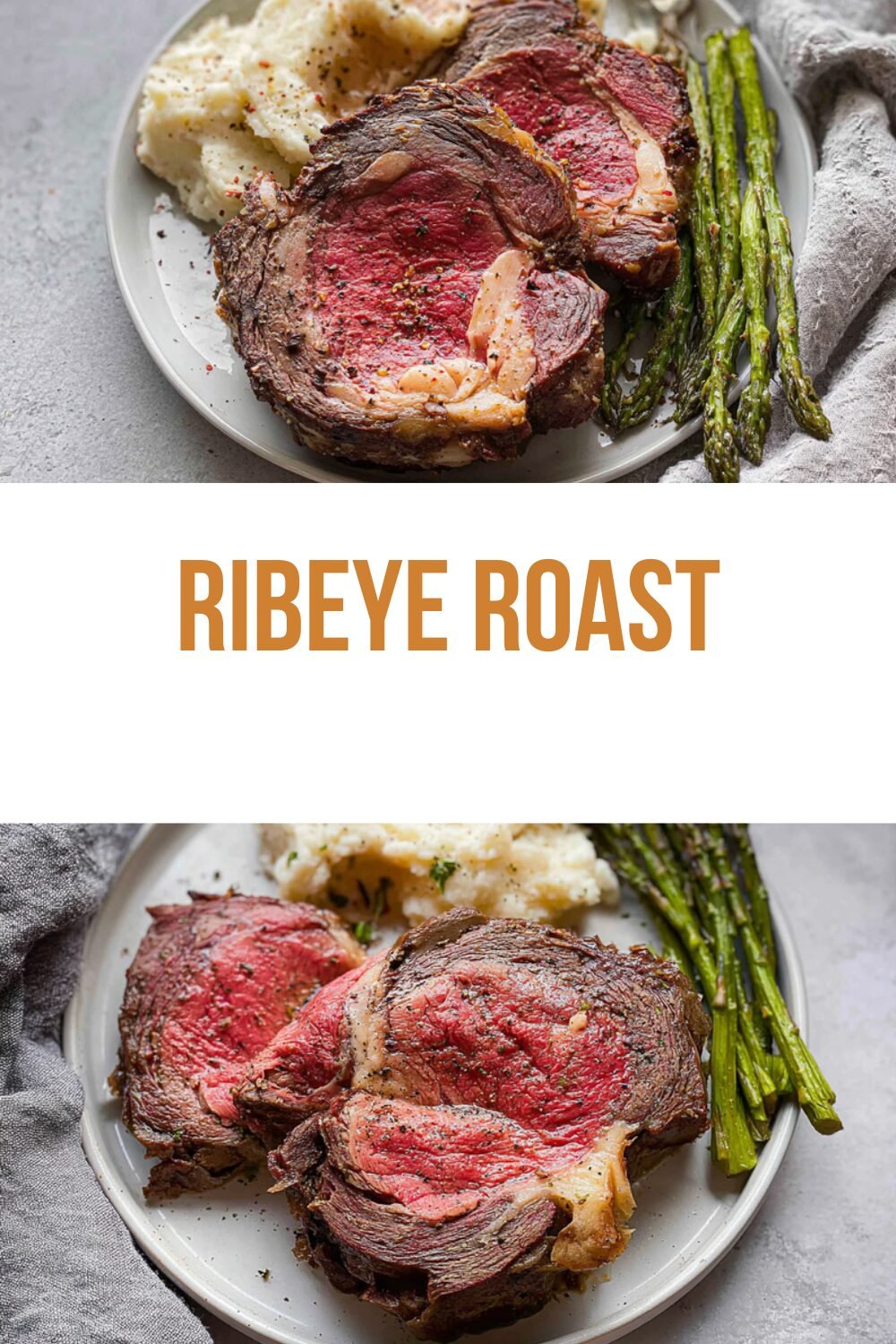
FAQs: Frequently Asked Questions About Ribeye Roast
Is a ribeye roast the same as prime rib?
A ribeye roast and prime rib originate from the same beef rib section. The key difference is usually the bone: prime rib is typically cooked bone-in (often called a standing rib roast), while a ribeye roast is boneless. A bone-in ribeye roast is essentially prime rib. You might also see ribeye roast labeled as boneless prime rib roast or boneless rib roast. The flavor and marbling are similar, but bone-in prime rib can offer slightly more moisture during cooking.
What’s the best cooking method for a ribeye roast?
For the best results, roast a ribeye roast in the oven using a two-stage method. Start with high heat (450°F/230°C) for 15-20 minutes to sear the exterior and develop flavor, then reduce the heat to 325°F (165°C). Roast until it reaches your desired internal temperature (120-125°F/49-52°C for rare, 130-135°F/54-57°C for medium-rare). Use a reliable meat thermometer inserted into the thickest part, avoiding bone. Always rest the roast for 15-20 minutes before carving to allow juices to redistribute.
How much ribeye roast should I buy per person?
Plan for about 1/2 pound (8 ounces or 225g) of raw boneless ribeye roast per person for a main course serving. This accounts for some trimming and cooking shrinkage. If serving a bone-in ribeye roast (prime rib), estimate about 1 pound (16 ounces or 450g) per person due to the bone’s weight. For heartier appetites or if you want generous leftovers, increase the amount slightly. Remember, a ribeye roast is rich and satisfying, so a smaller portion per person is often sufficient compared to leaner roasts.
How do I season a ribeye roast simply?
A perfectly seasoned ribeye roast needs little more than salt and pepper to highlight its rich beef flavor. Generously coat the entire surface of the roast with kosher salt (about 1 teaspoon per pound) and freshly ground black pepper at least an hour before cooking, or ideally overnight in the refrigerator. This dry brining seasons deeply and improves texture. For extra flavor, add minced garlic, chopped rosemary, or thyme pressed into the fat cap. Pat the roast dry before searing for the best crust.
Why is my ribeye roast tough, and how can I prevent it?
A tough ribeye roast is almost always caused by overcooking. Ribeye is a naturally tender cut due to its marbling, but it becomes dry and tough if cooked beyond medium-rare. Always use an instant-read thermometer and remove the roast from the oven when it’s 5-10°F below your target temperature, as it continues to cook while resting. Slicing against the grain is also crucial for tenderness. Ensure your oven temperature is accurate and avoid opening the door frequently during roasting.
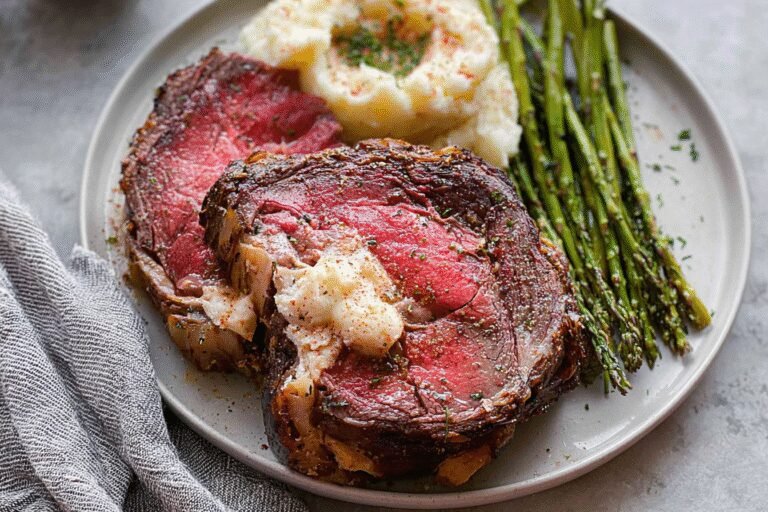
Ribeye Roast
🥩 Achieve restaurant-quality flavor with this simple Ribeye Roast recipe, featuring a flavorful rosemary butter crust.
🔥 Perfectly cooked and juicy every time, this recipe is ideal for special occasions or impressive family dinners.
- Total Time: 3 hours 15 minutes
- Yield: 6 servings 1x
Ingredients
4 pounds Ribeye Roast (boneless, tied)
1 tablespoon kosher salt for pre-salting
4 tablespoons salted butter (softened) for richness and crust
1 clove garlic (minced) for aromatic depth
1 tablespoon fresh rosemary (chopped) for herbal note
1 teaspoon sea salt for seasoning the rosemary butter mixture
1/2 teaspoon black pepper for subtle kick and balance
Instructions
1-First Step: Start by pre-salting the roast. Take your 4 pounds boneless, tied ribeye roast and rub it all over with 1 tablespoon kosher salt. This step can be done 1-2 days ahead cover and refrigerate it or if you’re in a rush, let it sit at room temperature for 2 hours before cooking. This helps the flavors seep in and makes the meat more tender.
2-Second Step: Preheat your oven based on the roast size. For a 4-pound ribeye roast, set it to 425°F to kick off with a good sear. If you’re working with an 8-pound or larger ribeye roast, go with 350°F right from the start to ensure even cooking. This adjustment prevents the outside from burning while the inside catches up.
3-Third Step: Make the rosemary butter mixture. In a small bowl, combine 4 tablespoons softened salted butter (or 2 tablespoons olive oil for dairy-free), 1 clove minced garlic, 1 tablespoon chopped fresh rosemary, 1 teaspoon sea salt, and 1/2 teaspoon black pepper. Mix it well until it’s a smooth paste, which takes just a minute or two. For variations, you could add more herbs if you like, adapting to your taste.
4-Fourth Step: Prepare the roast for the oven. Place the ribeye roast fat-side up in a cast-iron skillet or a roasting pan with a rack. Spread the rosemary butter mixture over the entire surface for even flavor. Insert a meat thermometer into the thickest part, making sure it doesn’t touch any bone, and you’re set for monitoring doneness.
5-Fifth Step: Roast the ribeye based on its size. For the 4-pound version, cook at 425°F for the first 30 minutes to get that nice crust, then lower the heat to 350°F. Keep going until the internal temperature is 10°F below your desired doneness about 2 hours total for medium-rare. For larger ribeye roasts, skip the high heat and cook fully at 350°F, which might take around 4 hours. Use the thermometer to check, and remember to adapt for dietary needs like using olive oil if needed.
6-Sixth Step: Let the roast rest before serving. Once it’s out of the oven, cover it loosely with foil and let it sit for 20-30 minutes. This allows the juices to settle, making the ribeye roast even more succulent. When it’s time, slice it against the grain for the best texture and serve it up for a meal that fits any occasion.
Last Step:
Please leave a rating and comment letting us know how you liked this recipe! This helps our business to thrive and continue providing free, high-quality recipes for you.Notes
🌡️ Use a meat thermometer to ensure perfect doneness every time.
🛡️ Tent the roast with foil if it browns too quickly to avoid burning.
🔪 Ask your butcher to tie the roast for easier handling and even cooking.
- Prep Time: 15 minutes
- Pre-Salting Time: 1-2 days or 2 hours
- Cook Time: 2.5 hours
- Category: Main Dish
- Method: Roasting
- Cuisine: American
Nutrition
- Serving Size: 1 serving
- Calories: 698
- Sugar: 0.01g
- Sodium: 1768mg
- Fat: 50g
- Saturated Fat: 24g
- Unsaturated Fat: 24g
- Trans Fat: 0.3g
- Carbohydrates: 0.3g
- Fiber: 0.1g
- Protein: 61g
- Cholesterol: 205mg