

Why You’ll Love This Thai Peanut Chicken
If you’re craving something quick and full of flavor, this Thai Peanut Chicken hits the spot. It’s a simple dish that comes together in no time, making it ideal for those evenings when you don’t want to spend hours in the kitchen. Let me walk you through why this recipe has become a favorite for so many home cooks and busy folks alike.
- Ease of preparation: Whisking up the peanut sauce and marinating the chicken takes just minutes, and the whole meal cooks in under 30 minutes once you’re ready. This means you can enjoy a homemade Thai Peanut Chicken dinner without the fuss, perfect for busy parents juggling schedules or students with tight timelines. It’s all about keeping things straightforward so you focus more on enjoying the meal than the prep.
- Health benefits: Packed with protein from chicken and healthy fats from peanut butter and coconut milk, this recipe supports a balanced diet while offering vitamins from garlic and ginger. It’s a great option for diet-conscious individuals seeking meals that are both satisfying and nutritious, with the added bonus of customizable spice levels to suit your wellness goals.
- Versatility: You can tweak this Thai Peanut Chicken to fit various needs, like swapping proteins or adjusting seasonings for different tastes. Whether you’re a food enthusiast experimenting with flavors or a senior looking for gentle spices, it’s adaptable for everything from family dinners to solo meals.
- Distinctive flavor: The creamy peanut sauce balances sweet, salty, and spicy notes that make every bite memorable. Thai Peanut Chicken stands out with its rich texture and bold tastes, appealing to travelers who love exploring new flavors without leaving home, and it’s a hit for newlyweds wanting easy yet impressive dishes.
This recipe brings all these elements together seamlessly, making it a go-to for anyone wanting a delicious, no-fuss meal. You’ll find yourself coming back to it week after week for its reliable charm and tasty appeal.
Essential Ingredients for Thai Peanut Chicken
Gathering the right ingredients is key to nailing this Thai Peanut Chicken recipe. Each one plays a role in creating that signature creamy sauce and tender chicken. Below, I’ll list everything you need, with exact measurements and a quick note on why they’re important.
Main Ingredients
- ½ cup creamy peanut butter – This forms the base of the sauce, providing a rich, nutty flavor and smooth texture that ties everything together.
- 1 cup unsweetened, full-fat coconut milk (from can), stirred well – Adds creaminess and a subtle tropical hint, helping to balance the spices and make the sauce velvety.
- 2 tablespoons fresh lime juice (juice from ~1 medium lime) – Brings a bright acidity that cuts through the richness, enhancing the overall freshness of the dish.
- 2 tablespoons soy sauce or fish sauce – Offers savory depth and saltiness; soy sauce works for a milder taste, while fish sauce adds an authentic umami kick.
- 1 ½ packed tablespoons brown sugar (dark preferred) – Provides sweetness to counter the heat and salt, with dark brown sugar giving a deeper molasses note.
- 1 teaspoon ground ginger – Infuses warm, spicy undertones that evoke classic Thai flavors without overwhelming the other ingredients.
- 1 tablespoon minced fresh garlic (~3 large cloves) – Adds a pungent, aromatic boost that builds the sauce’s foundation and pairs well with the ginger.
- ½ teaspoon crushed red pepper flakes (plus more to taste) – Brings the heat, allowing you to adjust spiciness based on your preference for a personalized touch.
- 2 pounds boneless, skinless chicken thighs, cut into bite-sized chunks – The star protein, offering juicy tenderness that absorbs the marinade beautifully for flavorful results.
Serving Suggestions (Optional)
- Cooked white or brown rice – A simple base that soaks up the sauce, making the meal hearty and filling.
- 1 cup prepared peanut sauce (made from ingredients listed above) – Used for dipping or drizzling, enhancing the Thai Peanut Chicken experience.
- Lime wedges (to garnish) – Adds a fresh squeeze of citrus for extra zing right before eating.
- Whole or chopped peanuts (to garnish) – Provides crunch and extra nutty flavor, amplifying the dish’s texture.
- Chopped green onions (to garnish) – Offers a mild onion bite and visual appeal to finish off the plate.
- Chopped cilantro (to garnish) – Brings a herbaceous freshness that complements the spices perfectly.
Special Dietary Options
For those with specific needs, here are some easy swaps:
- Vegan: Swap chicken for tofu or tempeh chunks and use soy sauce instead of fish sauce to keep it plant-based while maintaining that protein punch.
- Gluten-free: Opt for tamari in place of soy sauce and ensure your peanut butter is certified gluten-free for a worry-free version.
- Low-calorie: Reduce the peanut butter to 1/3 cup and use light coconut milk to cut down on fats without losing the creamy essence.
How to Prepare the Perfect Thai Peanut Chicken: Step-by-Step Guide
Getting this Thai Peanut Chicken just right is all about following a few simple steps. I’ll guide you through each one to ensure your meal turns out flavorful and tender. Let’s start with the basics to set you up for success.
First Step: Make the Peanut Sauce
Begin by grabbing a medium bowl and whisking together the ½ cup creamy peanut butter, 1 cup coconut milk, 2 tablespoons fresh lime juice, 2 tablespoons soy sauce or fish sauce, 1 ½ tablespoons brown sugar, 1 teaspoon ground ginger, 1 tablespoon minced garlic, and ½ teaspoon crushed red pepper flakes. Stir until everything blends into a smooth sauce. Once mixed, set aside 1 cup in a small bowl, cover it, and chill in the fridge. Use the rest for marinating this step infuses the flavors deeply.
Second Step: Marinate the Chicken
Take your 2 pounds of chicken thighs, cut them into bite-sized chunks, and place them in a baking dish. Pour the reserved peanut sauce over the chicken and toss to coat every piece evenly. Cover the dish and let it sit in the fridge for at least 1 hour, but not more than 8 hours stir it once midway to ensure even flavor distribution. After marinating, remove the cover and prepare for cooking by threading the chunks onto skewers or placing them on a greased baking sheet.
Third Step: Broil the Chicken (Option 1)
If you’re broiling, preheat your broiler to high. Arrange the chicken on a wire rack over a baking sheet and slide it under the broiler. Cook for about 6 minutes until the internal temperature hits 160°F. While it’s cooking, pull that refrigerated sauce from the fridge and let it warm up for 15 minutes. Once done, take the chicken out and let it rest for 5 minutes to keep it juicy and flavorful for a twist, try pairing it with a refreshing berry-based side for added variety.
Fourth Step: Grill the Chicken (Option 2)
For grilling, heat your grill to medium-high, around 375°F to 450°F, and lightly spray the grates if needed. Place the skewers over indirect heat, close the lid, and grill for 6 minutes. Flip them and cook another 6 to 10 minutes until the chicken reaches 160°F and lifts easily from the grates. Let it rest for 5 minutes afterward to lock in the flavors, making this method great for outdoor enthusiasts.
Final Step: Serve the Dish
Plate the chicken and serve it with cooked rice, that 1 cup of room-temperature peanut sauce, and lime wedges for a burst of freshness. Add garnishes like chopped peanuts, green onions, and cilantro to make it visually appealing and tasty. This final touch turns your Thai Peanut Chicken into a complete meal that’s perfect for any occasion, and remember, you can adapt it for dietary preferences as you go.

Dietary Substitutions to Customize Your Thai Peanut Chicken
Protein and Main Component Alternatives
Switching up the main protein can make this Thai Peanut Chicken fit your needs. For instance, use shrimp or beef strips in place of chicken for a different texture, or go with tofu for a plant-based option that still soaks up the sauce nicely.
Vegetable, Sauce, and Seasoning Modifications
You can add veggies like bell peppers or broccoli to boost nutrition, or swap the soy sauce for coconut aminos if you’re watching sodium. For seasonings, reduce the red pepper flakes for a milder version, and here’s a quick comparison in a table to help:
| Original Ingredient | Substitution | Why It Works |
|---|---|---|
| Chicken thighs | Tofu cubes | Keeps it protein-rich and vegan-friendly |
| Soy sauce | Tamari | Provides gluten-free umami |
| Red pepper flakes | Paprika | Offers smokiness without the spice |
Mastering Thai Peanut Chicken: Advanced Tips and Variations
Pro Cooking Techniques
To elevate your skills, use a meat thermometer for perfect doneness every time. For better results, marinate overnight for deeper flavors, though don’t go beyond 8 hours to avoid toughness.
Flavor Variations
Experiment with adding curry powder for an extra kick, or try honey instead of brown sugar for a subtler sweetness pair it with dessert ideas like salted carmelitas for a full meal spread.
Presentation Tips
Arrange on a platter with colorful garnishes for an eye-catching display, turning a simple dinner into something special.
Make-Ahead Options
Prep the sauce and marinate in advance to save time on busy nights, making it easy to cook fresh when needed.
How to Store Thai Peanut Chicken: Best Practices
Proper storage keeps your Thai Peanut Chicken tasting great. For short-term, place leftovers in an airtight container and refrigerate for up to 3-4 days.
For freezing, portion into freezer bags and store for up to 3 months, thawing in the fridge overnight before reheating.
When reheating, use the stovetop over medium heat or microwave until it reaches 165°F to maintain safety and texture.
For meal prep, divide into single servings to grab and go during the week.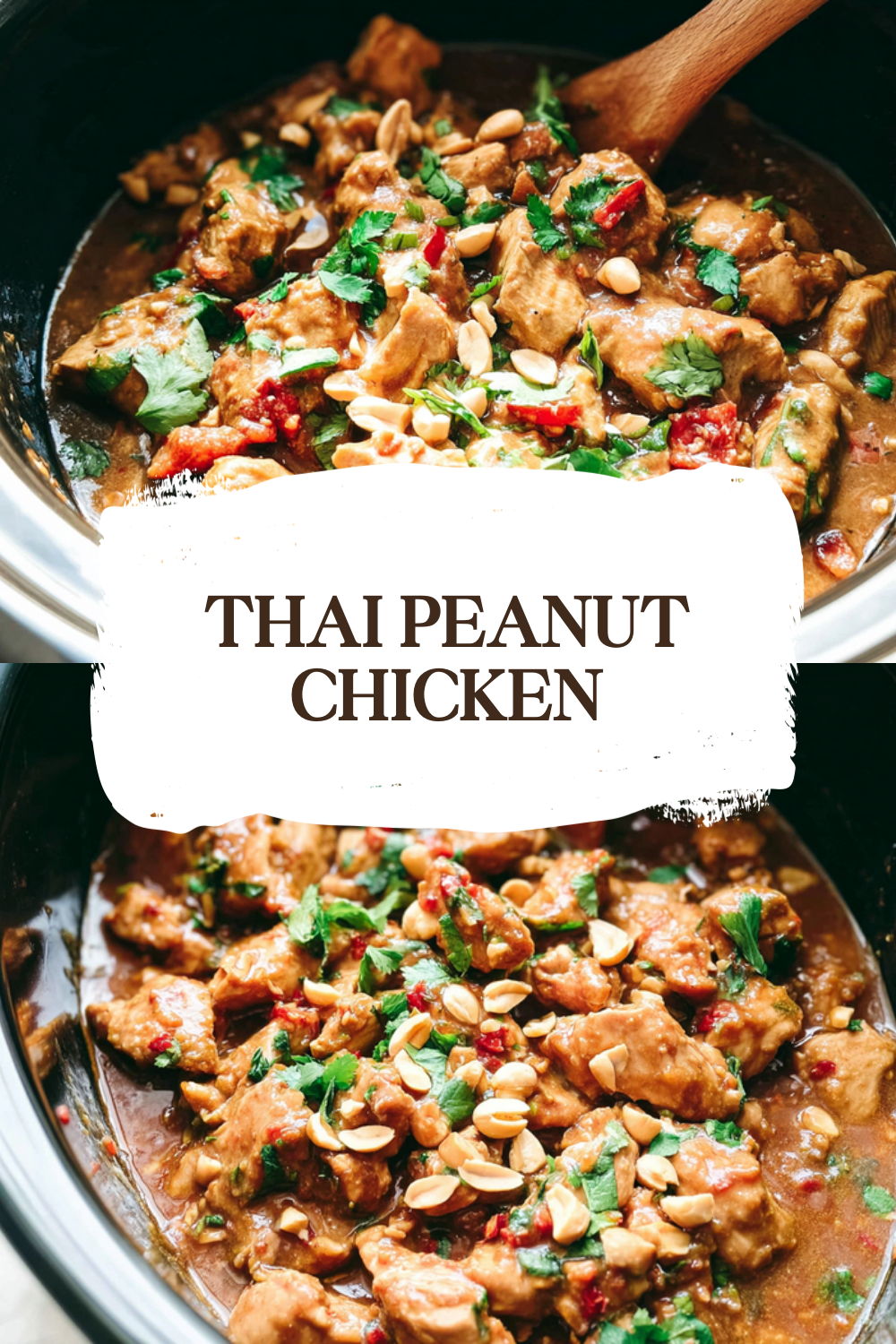
FAQs: Frequently Asked Questions About Thai Peanut Chicken
What is Thai Peanut Chicken?
Thai Peanut Chicken is a popular Thai-inspired dish featuring tender chicken pieces coated in a rich, creamy peanut sauce. The sauce typically combines peanuts, coconut milk, soy sauce, lime juice, and various spices like garlic, ginger, and chili. It offers a perfect balance of sweet, salty, and spicy flavors with a creamy texture. This dish is often served with rice or noodles and garnished with fresh cilantro, crushed peanuts, and lime wedges. It’s a versatile recipe that can be adapted to different spice preferences and dietary needs.
How do you make Thai Peanut Chicken from scratch?
To make Thai Peanut Chicken from scratch, start by cutting chicken breast or thighs into bite-sized pieces. Season with salt and pepper, then cook in a hot skillet with oil until golden and cooked through. Remove the chicken and set aside. In the same pan, sauté minced garlic and ginger until fragrant. Add peanut butter, coconut milk, soy sauce, lime juice, and a touch of honey or sugar. Whisk until smooth. Return the chicken to the pan and coat it in the sauce. Simmer for 5 minutes until the sauce thickens. Serve hot with rice and garnish with peanuts and cilantro.
What ingredients do you need for Thai Peanut Chicken sauce?
Thai Peanut Chicken sauce requires creamy peanut butter as the base, along with coconut milk for richness and texture. You’ll need soy sauce or tamari for saltiness, fresh lime juice for acidity, and a sweetener like honey, brown sugar, or maple syrup. Flavor enhancers include minced garlic, fresh ginger, and optionally, chili paste or sriracha for heat. To achieve the right consistency, you may need to add water or chicken broth. For extra umami flavor, some recipes include fish sauce. Toasted sesame oil can add a nutty aroma, while rice vinegar can brighten the flavor profile if lime juice isn’t available.
Can you make Thai Peanut Chicken gluten-free?
Yes, Thai Peanut Chicken can easily be made gluten-free with simple substitutions. Replace regular soy sauce with tamari or a certified gluten-free soy sauce alternative. Ensure your peanut butter doesn’t contain added gluten by checking labels for warnings about cross-contamination. Some brands of curry paste or chili sauce may contain gluten, so select certified gluten-free versions or make your own. Serve the dish with gluten-free alternatives to regular soy sauce or wheat-based noodles. Most other ingredients like chicken, peanuts, coconut milk, garlic, ginger, and fresh lime juice are naturally gluten-free, making this a flexible dish for those with gluten sensitivities.
How long does Thai Peanut Chicken last in the fridge?
Thai Peanut Chicken can be stored in an airtight container in the refrigerator for 3-4 days. The peanut sauce may thicken when chilled, but you can thin it with a little water or coconut milk when reheating. For best quality, store the chicken and sauce separate from rice or noodles if you’ve made extra. When ready to eat, reheat gently on the stovetop over medium heat or in the microwave until it reaches an internal temperature of 165°F (74°C). If you need to store it longer, you can freeze Thai Peanut Chicken for up to 3 months, though the texture of the sauce may change slightly upon thawing.
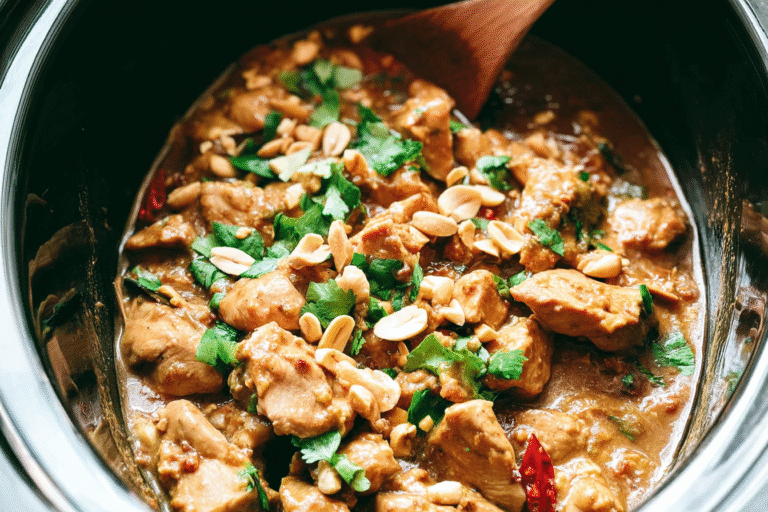
Thai Peanut Chicken
🥜 This Thai Peanut Chicken recipe offers a flavorful and creamy peanut sauce that brings exciting taste to your weeknight dinners.
🍗 Quick to prepare and versatile, it’s perfect for busy nights when you want a satisfying, home-cooked meal with minimal effort.
- Total Time: 1 hour 31 minutes
- Yield: 4-6 servings
Ingredients
– ½ cup creamy peanut butter This forms the base of the sauce, providing a rich, nutty flavor and smooth texture that ties everything together.
– 1 cup unsweetened, full-fat coconut milk (from can), stirred well Adds creaminess and a subtle tropical hint, helping to balance the spices and make the sauce velvety.
– 2 tablespoons fresh lime juice (juice from ~1 medium lime) Brings a bright acidity that cuts through the richness, enhancing the overall freshness of the dish.
– 2 tablespoons soy sauce or fish sauce Offers savory depth and saltiness; soy sauce works for a milder taste, while fish sauce adds an authentic umami kick.
– 1 ½ packed tablespoons brown sugar (dark preferred) Provides sweetness to counter the heat and salt, with dark brown sugar giving a deeper molasses note.
– 1 teaspoon ground ginger Infuses warm, spicy undertones that evoke classic Thai flavors without overwhelming the other ingredients.
– 1 tablespoon minced fresh garlic (~3 large cloves) Adds a pungent, aromatic boost that builds the sauce’s foundation and pairs well with the ginger.
– ½ teaspoon crushed red pepper flakes (plus more to taste) Brings the heat, allowing you to adjust spiciness based on your preference for a personalized touch.
– 2 pounds boneless, skinless chicken thighs, cut into bite-sized chunks The star protein, offering juicy tenderness that absorbs the marinade beautifully for flavorful results.
Instructions
First Step: Make the Peanut Sauce Begin by grabbing a medium bowl and whisking together the ½ cup creamy peanut butter, 1 cup coconut milk, 2 tablespoons fresh lime juice, 2 tablespoons soy sauce or fish sauce, 1 ½ tablespoons brown sugar, 1 teaspoon ground ginger, 1 tablespoon minced garlic, and ½ teaspoon crushed red pepper flakes. Stir until everything blends into a smooth sauce. Once mixed, set aside 1 cup in a small bowl, cover it, and chill in the fridge. Use the rest for marinating this step infuses the flavors deeply.
Second Step: Marinate the Chicken Take your 2 pounds of chicken thighs, cut them into bite-sized chunks, and place them in a baking dish. Pour the reserved peanut sauce over the chicken and toss to coat every piece evenly. Cover the dish and let it sit in the fridge for at least 1 hour, but not more than 8 hours stir it once midway to ensure even flavor distribution. After marinating, remove the cover and prepare for cooking by threading the chunks onto skewers or placing them on a greased baking sheet.
Third Step: Broil the Chicken (Option 1) If you’re broiling, preheat your broiler to high. Arrange the chicken on a wire rack over a baking sheet and slide it under the broiler. Cook for about 6 minutes until the internal temperature hits 160°F. While it’s cooking, pull that refrigerated sauce from the fridge and let it warm up for 15 minutes. Once done, take the chicken out and let it rest for 5 minutes to keep it juicy and flavorful for a twist, try pairing it with a refreshing berry-based side for added variety.
Fourth Step: Grill the Chicken (Option 2) For grilling, heat your grill to medium-high, around 375°F to 450°F, and lightly spray the grates if needed. Place the skewers over indirect heat, close the lid, and grill for 6 minutes. Flip them and cook another 6 to 10 minutes until the chicken reaches 160°F and lifts easily from the grates. Let it rest for 5 minutes afterward to lock in the flavors, making this method great for outdoor enthusiasts.
Final Step: Serve the Dish Plate the chicken and serve it with cooked rice, that 1 cup of room-temperature peanut sauce, and lime wedges for a burst of freshness. Add garnishes like chopped peanuts, green onions, and cilantro to make it visually appealing and tasty. This final touch turns your Thai Peanut Chicken into a complete meal that’s perfect for any occasion, and remember, you can adapt it for dietary preferences as you go.
Last Step:
Please leave a rating and comment letting us know how you liked this recipe! This helps our business to thrive and continue providing free, high-quality recipes for you.Notes
🔪 Marinate chicken for at least 1 hour to deepen flavor and tenderness.
🌶️ Adjust crushed red pepper flakes to control spiciness level.
🥢 Serve with rice and fresh garnishes for an authentic Thai meal experience.
- Prep Time: 15 minutes
- Marinating time: 1 hour
- Cook Time: 12-16 minutes
- Category: Main Dish
- Method: Broiling or Grilling
- Cuisine: Thai
- Diet: Gluten-Free
Nutrition
- Serving Size: 1/4 of recipe
- Calories: 420 kcal
- Sugar: 10 g
- Sodium: 850 mg
- Fat: 29 g
- Saturated Fat: 8 g
- Unsaturated Fat: 18 g
- Trans Fat: 0 g
- Carbohydrates: 16 g
- Fiber: 3 g
- Protein: 30 g
- Cholesterol: 110 mg





I made this Thai Peanut Chicken for dinner last night and it was a huge hit with my family! The sauce was perfectly creamy and flavorful. I did add a bit of lime juice to give it an extra tangy kick — definitely will make this again soon! 🍴😊