

Why You’ll Love This Whole Wheat Bread Recipe
With just a few simple ingredients and a little patience, this Whole Wheat Bread Recipe produces a loaf that smells warm, tastes hearty, and slices beautifully for sandwiches or toast. It is written for home bakers of all skill levels and works for busy parents, students, and anyone who wants an easy homemade bread option that is wholesome and dependable.
- Ease of preparation: The method uses a sponge step to build flavor and a straightforward mixing and kneading routine. The sponge is forgiving and gives you time to handle other tasks while the whole wheat bread comes together naturally.
- Health benefits: This homemade bread recipe uses whole wheat flour, which provides fiber, vitamins, and a nutty taste that processed loaves lack. Honey and whole milk add moisture and mild sweetness without relying on refined sugars.
- Versatility: This whole wheat bread adapts to dietary needs easily. Swap one cup of whole wheat for bread flour for a taller loaf, go dairy-free with plant milk and oil, or make the dough ahead and refrigerate for overnight baking.
- Distinctive flavor: The sponge step and the small amount of lemon juice (or apple cider vinegar) cut any bitterness from the bran and bring out the natural nuttiness of the whole wheat flour. The result is a loaf that tastes like it belongs at your table.
This section used the primary keyword Whole Wheat Bread Recipe and related terms like whole wheat bread and homemade bread to help readers and search engines find this helpful guide.
Essential Ingredients for Whole Wheat Bread Recipe
Below is a clear, structured list of every ingredient with exact measurements and a short note on why each item matters for the dough and final loaf.
- 1 cup (240ml) warm water at about 110°F (43°C) – activates the yeast and hydrates the flour.
- 1/3 cup (80ml) warm whole milk at about 110°F (43°C) – adds fat for a tender crumb and improves browning.
- 2 and 1/4 teaspoons (7g) active dry or instant yeast (one standard packet) – the leavening agent that gives the loaf rise.
- 2 cups (260g) whole wheat flour – used in the sponge to build flavor and structure.
- 3 tablespoons (63g) honey – feeds the yeast and adds subtle sweetness and moisture.
- 3 tablespoons (43g) unsalted butter, softened – enriches the dough for a softer texture.
- 1 teaspoon fresh lemon juice or apple cider vinegar – balances flavor and reduces any bitterness from whole wheat bran.
- 1 and 1/3 cups (173g) whole wheat flour, plus more as needed – added in the dough stage to reach the proper consistency.
- 1 and 1/4 teaspoons salt – controls yeast activity and seasons the loaf.
- Optional oat topping: 1 beaten egg white and 1 tablespoon whole oats – creates a rustic appearance and extra texture on the crust.
Special Dietary Options
- Vegan: Replace whole milk with a plant milk like soy or oat milk warmed to 110°F and swap butter for 3 tablespoons neutral oil (canola or light olive). Use a flax egg for brushing if you avoid eggs entirely, though the egg white is optional.
- Gluten-free: This recipe relies on whole wheat structure and gluten, so to make a gluten-free version you must use a purpose-made gluten-free bread mix and xanthan gum and follow the mix instructions rather than a straight swap.
- Low-calorie: Use low-fat milk and swap butter for 2 tablespoons of light oil; reduce honey slightly by 1 tablespoon if desired. The loaf will be leaner but may be slightly less rich.
How to Prepare the Perfect Whole Wheat Bread Recipe: Step-by-Step Guide
The following steps walk you from mixing the sponge to slicing the finished loaf. Each step uses the primary keyword Whole Wheat Bread Recipe where natural, and includes timing and temperature details so you can follow along confidently.
First Step: Make the sponge
1. In a medium bowl combine 1 cup (240ml) warm water and 1/3 cup (80ml) warm whole milk, both around 110°F (43°C). Add 2 and 1/4 teaspoons (7g) active dry or instant yeast and stir gently to dissolve. Let sit for 2 to 5 minutes if using active dry yeast to wake it up; instant yeast can be mixed directly. 2. Stir in 2 cups (260g) whole wheat flour until a thick batter forms. The sponge should be pourable but thick. Cover lightly with a towel or plastic wrap and let it double in size at room temperature for 60 to 90 minutes, or up to 2 hours if your kitchen is cool.
Second Step: Add the dough ingredients
3. To the risen sponge add 3 tablespoons (63g) honey, 3 tablespoons (43g) softened unsalted butter, and 1 teaspoon fresh lemon juice or apple cider vinegar. Stir to combine. 4. Add 1 and 1/3 cups (173g) whole wheat flour and 1 and 1/4 teaspoons salt. Mix with a dough hook on low or a sturdy wooden spoon until the dough just comes together, about 3 minutes. If the dough is too wet, add more flour one tablespoon at a time until it becomes manageable.
Third Step: Knead the dough
5. Knead the dough on medium speed with a dough hook or by hand for 8 to 10 minutes. The dough should become elastic and slightly tacky but still manageable. If kneading by hand, work on a lightly floured surface and fold the dough repeatedly; if using a mixer, stop at the 8 minute mark to check texture. Proper kneading builds gluten which traps gas and gives your whole wheat loaf better rise.
Fourth Step: First rise
6. Place the dough in a lightly greased large bowl, turning once to coat. Cover and let rise in a warm place for 1.5 to 2 hours, until doubled in size. Whole wheat dough often needs longer rises because bran and germ weigh the dough down; avoid rushing this step.
Fifth Step: Shape the loaf
7. Grease a 9 by 5-inch loaf pan. Punch down the dough gently to release gas. Lightly flour a countertop and a rolling pin, then roll the dough into an 8 by 15-inch rectangle. Roll the dough tightly into an 8-inch log, pinching the seam closed, then place the seam-side down into the prepared loaf pan.
Sixth Step: Final rise and oven prep
8. Cover the pan and let the shaped loaf rise again for 45 to 60 minutes, until it is roughly 1 inch above the rim of the pan. Meanwhile preheat the oven to 350°F (177°C) with a rack positioned low. Preheating while the loaf is finishing its rise ensures even oven spring and good crust color.
Seventh Step: Optional topping and bake
9. For an oat-topped loaf, brush the risen bread with 1 beaten egg white and sprinkle 1 tablespoon whole oats on top. This is optional but gives a rustic bakery look. 10. Bake for 36 to 40 minutes until the loaf is golden brown. If the top browns too quickly, tent loosely with foil after 25 to 30 minutes. Tap the bottom of the loaf; it should sound hollow. For accuracy, use a thermometer: the center is done at 195 to 200°F (90 to 93°C).
Final Step: Cool and slice
11. Remove the loaf from the oven and cool in the pan for a few minutes. Transfer to a wire rack to cool completely before slicing. Cooling allows the crumb to set so the bread slices cleanly. The bread may be cooled fully and then wrapped for storage.
| Step | Action | Time / Temp |
|---|---|---|
| Make sponge | Mix water, milk, yeast, and flour | 60-90 minutes at room temp |
| Mix dough | Add honey, butter, lemon juice, flour, salt | ~3 minutes mixing |
| Knead | Build gluten | 8-10 minutes |
| First rise | Let dough double | 1.5-2 hours |
| Bake | Bake until done | 350°F (177°C), 36-40 minutes |
Tip: Use a thermometer for reliable results. The loaf should reach 195 to 200°F (90 to 93°C) in the center for a fully baked crumb.

Dietary Substitutions to Customize Your Whole Wheat Bread Recipe
Protein and Main Component Alternatives
This whole wheat bread recipe relies on whole wheat flour for body and flavor, but you can adjust the protein content and structure to suit your needs.
- Replace up to 1 cup of whole wheat flour with bread flour to make a taller, lighter loaf. Bread flour has higher protein which strengthens gluten.
- For a softer, slightly richer crumb, replace the butter with an equal amount of softened margarine for dairy-free baking or use 3 tablespoons of light oil for lower saturated fat.
- If you want a boosted protein loaf, add 2 tablespoons of vital wheat gluten; this helps whole wheat dough trap more gas and rise better.
Vegetable, Sauce, and Seasoning Modifications
Whole wheat dough welcomes flavor additions, but keep in mind added moisture or fats affect rise and crumb. Try small variations and keep a note of effects.
- Add 1/2 cup toasted seeds or nuts for texture but reduce overall water slightly if dough becomes too soft.
- Stir in 1 teaspoon ground cinnamon and 1/4 cup raisins for a sweet breakfast loaf; increase honey to 1/4 cup total to balance raisins.
- For savory versions, mix in 1 tablespoon dried herbs and 1/2 cup grated cheese; expect a denser loaf with added fillings.
These swaps keep the spirit of the original Whole Wheat Bread Recipe while letting you personalize flavor and nutrition.
Mastering Whole Wheat Bread Recipe: Advanced Tips and Variations
Once you are comfortable with the basic loaf, try these techniques and variations to improve texture or change the flavor.
Pro cooking techniques
- Use a stand mixer with a dough hook for consistent kneading and to save time. Mix on low to medium speed for 8 minutes then check elasticity.
- Autolyse: Let the flour and water rest 20 minutes before adding salt and yeast in the dough stage to improve gluten development and flavor.
- Steam in the oven for the first 10 minutes by placing a small pan of hot water on the bottom rack. This gives a more open crumb and glossy crust.
Flavor variations
- Honey and orange zest: Add 1 teaspoon orange zest to the dough for a bright, aromatic loaf.
- Herb and garlic: Add 1 tablespoon mixed dried herbs and 1 minced garlic clove sautéed in a teaspoon of oil for a savory twist.
- Seeded top: Replace the oat topping with sesame or sunflower seeds for extra crunch and nutrition.
Presentation tips and make-ahead options
- For gift giving, slice the cooled loaf and wrap in parchment and twine. Add a label with baking date and storage notes.
- To save time in busy weeks, shape loaves and freeze them before the second rise. Thaw in the fridge overnight, then allow to rise and bake.
- For overnight prep, refrigerate the sponge or the shaped dough and let it rise slowly in the fridge; remove and let come to room temp before baking.
These variations keep the Whole Wheat Bread Recipe fresh and fun while improving technique and expanding uses.
How to Store Whole Wheat Bread Recipe: Best Practices
Proper storage keeps your homemade loaf tasting its best. Below are short-term and long-term suggestions along with reheating tips.
Refrigeration
Store a cooled loaf tightly wrapped or in a bread bag at room temperature for up to one week. Refrigerating bread can dry it out faster, so only refrigerate when humidity or heat would cause spoilage quickly.
Freezing
Slice and freeze your whole wheat loaf in airtight bags for up to three months. Thaw at room temperature, or toast slices directly from frozen for sandwiches. You can also freeze shaped loaves before the second rise; thaw in the fridge overnight, allow to come to room temp and complete the rise, then bake.
Reheating
Reheat slices in a toaster or warm whole loaves in a 300°F (150°C) oven for 10 to 15 minutes wrapped loosely in foil to refresh texture without drying.
Meal prep considerations
Make separate batches rather than doubling the dough to avoid underperformance during rising. Label frozen loaves with dates and brief reheating tips for easy meal planning.
For more pairing ideas, try a warm bowl of potato leek soup or a smear of kale pesto on toasted slices of this homemade whole wheat bread.

FAQs: Frequently Asked Questions About Whole Wheat Bread Recipe
Why does whole wheat bread sometimes taste bitter or sour?
Whole wheat bread can taste bitter or sour when using 100% whole wheat flour if the flour isn’t fresh, due to the bran layer oxidizing quickly. Store flour in an airtight container in the fridge or freezer to keep it fresh for up to 6 months. Another issue is lower gluten content in whole wheat flour compared to white flour, leading to dense loaves. Knead dough for at least 8 minutes by hand or with a stand mixer dough hook until elastic and slightly tacky. Adding 1 tablespoon of lemon juice or apple cider vinegar neutralizes bitterness by balancing pH. Fresh flour, proper kneading, and acidity help produce flavorful, well-risen bread. Test doneness at 195–200°F internal temperature for best results. (92 words)
Why add lemon juice to a whole wheat bread recipe?
Lemon juice prevents bitterness in whole wheat bread by counteracting the natural acidity from the bran in whole wheat flour. Use 1 tablespoon per loaf, stirred into the liquid ingredients before adding flour. It doesn’t affect rise or texture but improves flavor significantly. Substitute with equal parts apple cider vinegar if needed—both lower pH effectively. Avoid omitting it unless using very fresh flour stored in the fridge. For optimal taste, combine with whole milk for softness and honey for yeast-feeding sweetness. This simple step makes homemade whole wheat bread taste bakery-fresh without sour notes. (98 words)
Can I substitute bread flour for whole wheat flour in bread recipes?
Yes, replace up to 1 cup of whole wheat flour with bread flour in a standard whole wheat bread recipe for a taller, fluffier loaf. Bread flour’s higher protein (12-14%) boosts gluten development, countering whole wheat’s density. Use all whole wheat for nuttier flavor and nutrition, or a 50/50 mix for balance. Knead 8+ minutes to build structure. Avoid whole wheat pastry flour, as its finer grind alters texture unpredictably—stick to regular whole wheat or all-purpose. This tweak yields lighter results without sacrificing health benefits like fiber from whole grains. Bake to 195–200°F. (102 words)
What milk is best for whole wheat bread and can I use substitutes?
Whole milk is ideal for whole wheat bread because its fat content (about 3.25%) creates soft, tender crumb and better rise. Use 1 cup warmed to 100-110°F. Low-fat milk works but results in drier texture; non-dairy like almond or oat milk is fine but may need extra fat like 1 tablespoon oil. Dilute heavy cream 1:1 with water as a rich substitute. Warm all liquids to activate yeast properly. Pair with honey (1/4 cup) for feeding yeast and moisture. This ensures fluffy, sliceable bread that stores well for a week at room temp. (105 words)
How do I store and freeze whole wheat bread from a recipe?
Store cooled whole wheat bread tightly covered at room temperature for up to 1 week—use a bread bag or wrap in foil to retain moisture and prevent staleness. For longer storage, slice and freeze in airtight bags for up to 3 months; thaw at room temp or toast directly. Freeze shaped loaves before second rise: thaw overnight in fridge, then rise and bake. Avoid doubling recipes for best rise due to dense dough. If bread doesn’t rise tall, check warm proofing spot (75-85°F) and knead fully. Internal temp of 195–200°F confirms doneness. Revives easily for sandwiches. (108 words)
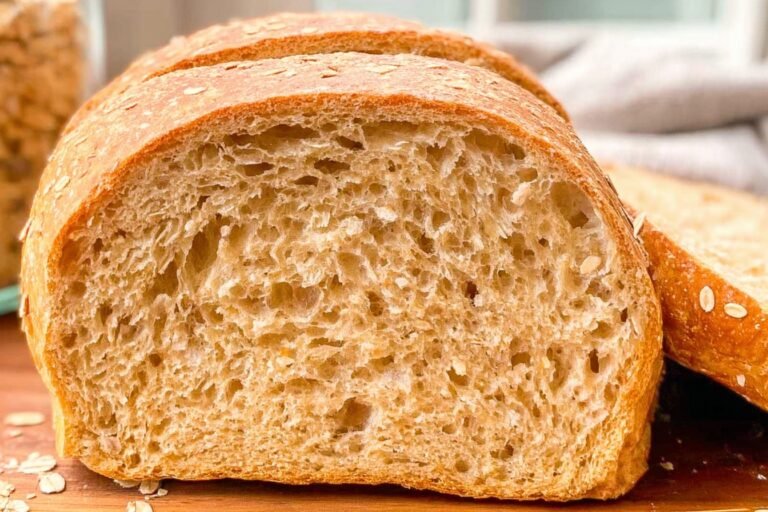
Whole Wheat Bread Recipe
🍞 Create delicious, wholesome homemade bread with just a few simple ingredients and no special equipment needed
🌾 Enjoy the satisfaction of baking your own nutritious whole wheat bread that’s perfect for sandwiches, toast, or enjoying fresh from the oven
- Total Time: 5 hours 10 minutes
- Yield: 1 loaf (12 slices)
Ingredients
– 1 cup (240ml) warm water at about 110°F (43°C) activates the yeast and hydrates the flour
– 1/3 cup (80ml) warm whole milk at about 110°F (43°C) adds fat for a tender crumb and improves browning
– 2 and 1/4 teaspoons (7g) active dry or instant yeast (one standard packet) the leavening agent that gives the loaf rise
– 2 cups (260g) whole wheat flour used in the sponge to build flavor and structure
– 3 tablespoons (63g) honey feeds the yeast and adds subtle sweetness and moisture
– 3 tablespoons (43g) unsalted butter, softened enriches the dough for a softer texture
– 1 teaspoon fresh lemon juice or apple cider vinegar balances flavor and reduces any bitterness from whole wheat bran
– 1 and 1/3 cups (173g) whole wheat flour, plus more as needed added in the dough stage to reach the proper consistency
– 1 and 1/4 teaspoons salt controls yeast activity and seasons the loaf
– 1 beaten egg white and 1 tablespoon whole oats creates a rustic appearance and extra texture on the crust
Instructions
1-First Step: Make the sponge 1. In a medium bowl combine 1 cup (240ml) warm water and 1/3 cup (80ml) warm whole milk, both around 110°F (43°C). Add 2 and 1/4 teaspoons (7g) active dry or instant yeast and stir gently to dissolve. Let sit for 2 to 5 minutes if using active dry yeast to wake it up; instant yeast can be mixed directly. 2. Stir in 2 cups (260g) whole wheat flour until a thick batter forms. The sponge should be pourable but thick. Cover lightly with a towel or plastic wrap and let it double in size at room temperature for 60 to 90 minutes, or up to 2 hours if your kitchen is cool.
2-Second Step: Add the dough ingredients 3. To the risen sponge add 3 tablespoons (63g) honey, 3 tablespoons (43g) softened unsalted butter, and 1 teaspoon fresh lemon juice or apple cider vinegar. Stir to combine. 4. Add 1 and 1/3 cups (173g) whole wheat flour and 1 and 1/4 teaspoons salt. Mix with a dough hook on low or a sturdy wooden spoon until the dough just comes together, about 3 minutes. If the dough is too wet, add more flour one tablespoon at a time until it becomes manageable.
3-Third Step: Knead the dough 5. Knead the dough on medium speed with a dough hook or by hand for 8 to 10 minutes. The dough should become elastic and slightly tacky but still manageable. If kneading by hand, work on a lightly floured surface and fold the dough repeatedly; if using a mixer, stop at the 8 minute mark to check texture. Proper kneading builds gluten which traps gas and gives your whole wheat loaf better rise.
4-Fourth Step: First rise 6. Place the dough in a lightly greased large bowl, turning once to coat. Cover and let rise in a warm place for 1.5 to 2 hours, until doubled in size. Whole wheat dough often needs longer rises because bran and germ weigh the dough down; avoid rushing this step.
5-Fifth Step: Shape the loaf 7. Grease a 9 by 5-inch loaf pan. Punch down the dough gently to release gas. Lightly flour a countertop and a rolling pin, then roll the dough into an 8 by 15-inch rectangle. Roll the dough tightly into an 8-inch log, pinching the seam closed, then place the seam-side down into the prepared loaf pan.
6-Sixth Step: Final rise and oven prep 8. Cover the pan and let the shaped loaf rise again for 45 to 60 minutes, until it is roughly 1 inch above the rim of the pan. Meanwhile preheat the oven to 350°F (177°C) with a rack positioned low. Preheating while the loaf is finishing its rise ensures even oven spring and good crust color.
7-Seventh Step: Optional topping and bake 9. For an oat-topped loaf, brush the risen bread with 1 beaten egg white and sprinkle 1 tablespoon whole oats on top. This is optional but gives a rustic bakery look. 10. Bake for 36 to 40 minutes until the loaf is golden brown. If the top browns too quickly, tent loosely with foil after 25 to 30 minutes. Tap the bottom of the loaf; it should sound hollow. For accuracy, use a thermometer: the center is done at 195 to 200°F (90 to 93°C).
8-Final Step: Cool and slice 11. Remove the loaf from the oven and cool in the pan for a few minutes. Transfer to a wire rack to cool completely before slicing. Cooling allows the crumb to set so the bread slices cleanly. The bread may be cooled fully and then wrapped for storage.
Last Step:
Please leave a rating and comment letting us know how you liked this recipe! This helps our business to thrive and continue providing free, high-quality recipes for you.Notes
🌟 Use fresh whole wheat flour to avoid bitterness and store in an airtight container in a cool, dark place
⏰ The sponge step adds flavor complexity and improves texture – don’t skip this important step!
🌡️ Use a thermometer to ensure bread is fully baked at 195-200°F to avoid undercooked centers
- Prep Time: 4 hours 30 minutes
- Cook Time: 38 minutes
- Category: Bread
- Method: Baking
- Cuisine: American
- Diet: Vegetarian
Nutrition
- Serving Size: 1 slice
- Calories: 110
- Sugar: 3g
- Sodium: 180mg
- Fat: 2g
- Saturated Fat: 1g
- Unsaturated Fat: 1g
- Trans Fat: 0g
- Carbohydrates: 18g
- Fiber: 3g
- Protein: 4g
- Cholesterol: 5mg