

Why You’ll Love This Yeast Rolls
Imagine pulling warm, soft yeast rolls straight from the oven, their buttery aroma filling your kitchen. This recipe stands out for its easy steps that anyone can follow, even if you’re just starting out. Not only do these rolls taste amazing, but they also fit into busy days with their simple prep.
You’ll appreciate how this yeast rolls recipe uses everyday items you likely have on hand. It offers a quick way to make something special for family meals or gatherings. Plus, the final result is always fluffy and satisfying, making it a go-to choice for home cooks.
- Ease of preparation: This yeast rolls recipe is designed for simplicity, requiring minimal ingredients and straightforward steps. It offers a quick cooking time that fits easily into busy schedules, making homemade rolls accessible for any level of baking skill.
- Health benefits: These yeast rolls provide nutritional advantages by using wholesome ingredients such as enriched flour and natural yeast. They can be adapted to include whole grain options and other nutrient-rich substitutes, supporting wellness and balanced diets.
- Versatility: The recipe is highly adaptable, accommodating various dietary needs including vegan, gluten-free, and low-calorie versions. This flexibility ensures everyone can enjoy fresh, delicious yeast rolls regardless of their dietary restrictions. To learn more about the benefits of yeast in baking, check out this guide to nutritional yeast.
- Distinctive flavor: What sets these yeast rolls apart is their balanced texture and rich, slightly sweet flavor, achieved through a well-controlled process. This taste makes these rolls a great addition to any meal or occasion.
Whether you’re baking for a weeknight dinner or a holiday feast, these rolls will become a favorite. They bring a touch of comfort and joy to your table every time.
Essential Ingredients for Yeast Rolls
Gathering the right ingredients is the first step to making perfect yeast rolls. This section lists everything you need for a batch of soft, buttery rolls. I’ll break it down so it’s simple to follow and measure out.
Start with fresh, quality items to get the best results. Here’s the full list based on a proven recipe that yields about 30 rolls:
- 2 cups warm water (100-110℉ / 475 mL)
- ¼ cup honey (50 g)
- 4 teaspoons active dry yeast (14 g)
- ½ cup salted butter, softened (113 g)
- 2 eggs
- 2½ teaspoons salt
- 7 cups all-purpose flour (1000 g)
- 3-4 tablespoons melted butter for topping
These measurements ensure consistent, delicious outcomes. Use a kitchen scale for flour to avoid mistakes and get that perfect texture. For more recipe ideas that pair well with these rolls, try this roasted tomato basil soup for a comforting meal.
How to Prepare the Perfect Yeast Rolls: Step-by-Step Guide
Making yeast rolls is a fun process that anyone can master with a little patience. Follow these steps to create soft, fluffy breads that will impress your family and friends. The total preparation time is about 2 hours and 45 minutes, including prep, rising, and baking.
First, combine the warm water, honey, and active dry yeast in a bowl. Let it rest for 5 minutes until the yeast turns foamy, which means it’s ready to go. This step kickstarts the magic that makes the rolls rise nicely.
Next, in a large bowl, mix the softened butter, eggs, salt, and flour together. Once that’s blended, pour in the yeast mixture and knead the dough. You can do this by hand for 7-10 minutes or use an electric mixer for 5-7 minutes until it’s smooth and elastic.
Then, transfer the dough to an oiled bowl, cover it, and let it rise for about 1 hour or until it’s nearly doubled in size. After that, divide the dough into 30 equal balls, about 58-60 g each, and shape them into smooth balls using a cupping “C” hand motion for even results.
Place the rolls in a greased 11 x 18 inch baking pan, arranging them in about 6 rows of 5 rolls each. Spray them with baking spray, cover, and let them rise for another hour until doubled. During the last 15-20 minutes, preheat your oven to 375℉.
Bake the rolls at 375℉ for 15-16 minutes on the middle or bottom rack until the bottoms are browned. Right after baking, brush the tops with 3-4 tablespoons of melted butter while they’re still hot to keep them soft and give them a shiny finish. For a complete meal, these rolls go great with dishes like a fresh shrimp salad.
Nutritional Breakdown
Each roll offers a balanced mix of nutrients that make them a smart choice for your meals. Here’s a quick table to see the details per roll:
| Nutrient | Amount |
|---|---|
| Calories | 147 kcal |
| Carbohydrates | 25 g |
| Protein | 4 g |
| Fat | 4 g (Saturated 2 g, Polyunsaturated 0.3 g, Monounsaturated 1 g) |
| Cholesterol | 19 mg |
| Sodium | 224 mg |
| Potassium | 42 mg |
| Fiber | 1 g |
| Sugar | 2 g |
| Vitamin A | 110 IU |
| Vitamin C | 0.02 mg |
| Calcium | 8 mg |
| Iron | 1 mg |
This info helps if you’re watching your diet, showing how these rolls fit into a balanced plan.

Dietary Substitutions to Customize Your Yeast Rolls
One of the best parts of this recipe is how easy it is to tweak for different needs. Whether you’re vegan or watching calories, you can still enjoy these tasty rolls. Let’s look at some simple swaps.
- For a vegan twist, use plant-based butter instead of regular and swap eggs with flaxseed mixed in water.
- Gluten-free options include using a blend of gluten-free flours to replace the all-purpose flour.
- Low-calorie versions might use lighter butter alternatives and reduce the honey a bit.
Protein and main component alternatives include adding ground flaxseed mixed with water as an egg substitute. Use plant-based dairy substitutes such as almond or soy milk in place of regular milk. Gluten-free flours like rice, tapioca, or almond flour blends replace wheat flour to cater to gluten sensitivities. For more on bread and health, read this article on bread’s impact.
Mastering Yeast Rolls: Advanced Tips and Variations
Once you’re comfortable with the basics, try some advanced tricks to take your yeast rolls to the next level. Small changes can make a big difference in flavor and texture. Here are some helpful ideas to experiment with.
- Pro techniques: Use a stand mixer for kneading to get a consistent dough. Let the dough ferment slowly in the fridge overnight for deeper flavor.
- Flavor ideas: Mix in shredded cheese or herbs for a savory spin, or add cinnamon and raisins for something sweet.
- Presentation: Brush with an egg wash before baking for a nice shine, and top with seeds for extra appeal.
- Make-ahead: Prepare the dough ahead and freeze it so you can bake fresh rolls anytime.
Enhance the rolls with additions such as shredded cheese, garlic powder, or herbs in the dough. Sweet variations can include cinnamon and raisins or a honey glaze. Remember tips like using a kitchen scale to measure flour for consistent results and shaping dough balls smoothly by cupping your hand in a “C” and rotating. Avoid overproofing to prevent collapse during baking, and freeze shaped dough after the first rise to thaw and let rise 4-5 hours before baking.
How to Store Yeast Rolls: Best Practices
Keeping your yeast rolls fresh is key to enjoying them later. Proper storage helps maintain that soft, buttery goodness for days. Follow these steps to keep them just right.
- Refrigeration: Store in an airtight container for up to 3 days.
- Freezing: Wrap cooled rolls and freeze for up to 2 months.
- Reheating: Warm in the oven or microwave to bring back that fresh taste.
- Meal prep: Freeze dough in batches for easy baking on busy days.
Store finished rolls in an airtight container or with fresh bread slices to maintain softness, as they remain fresh and fluffy at room temperature for 3-4 days.
FAQs: Frequently Asked Questions About Yeast Rolls
Why are my yeast rolls not fluffy?
Yeast rolls may turn out dense or not fluffy if the yeast is inactive or killed by water that’s too hot. Another common reason is insufficient rising time; the dough should at least double in size during the first rise to develop airiness. Over-proofing can also cause rolls to collapse. To achieve fluffy rolls, use lukewarm water (about 100-110°F), allow proper rising times in a warm place (around 70-77°F), and avoid rushing or skipping steps in the recipe.
What is the best temperature and environment for rising yeast rolls?
For ideal rising, yeast rolls should be left in a warm, draft-free area with temperatures around 70°F to 77°F (21°C to 25°C). Cooler environments slow yeast activity, making rising take longer, while temperatures above 120°F can kill the yeast. If your kitchen is cold, placing the dough in an oven with the light on or near a warm appliance can help maintain a consistent rising temperature.
How can I store yeast rolls to keep them soft for several days?
To keep yeast rolls soft, store them in an airtight container or resealable bag at room temperature, away from heat or sunlight. Adding a small slice of fresh bread inside the container can help maintain moisture. For longer storage, freeze rolls wrapped tightly in foil or plastic wrap, then thaw at room temperature when ready to eat. Brushing rolls with melted butter after baking also helps preserve softness.
Can I freeze yeast rolls, and what is the best way to freeze and reheat them?
Yes, yeast rolls can be frozen either before or after baking for up to three months. For raw dough, shape the rolls, let them rise once, then freeze individually on a baking sheet before storing them together. To bake from frozen, thaw the dough in a warm place until doubled in size, then bake according to the recipe. For baked rolls, wrap well and reheat in the oven at 350°F for about 10 minutes, or microwave for 5–10 seconds.
How long do yeast rolls stay fresh, and when should I avoid eating them?
Fresh yeast rolls typically stay soft and fresh at room temperature for about three days. After this, they may dry out or become stale. If kept frozen, they remain good for up to three months. Avoid eating rolls that show signs of mold, an off smell, or a sour taste, as these indicate spoilage. Always store rolls properly to extend their freshness and enjoy them safely.
Yeast Rolls
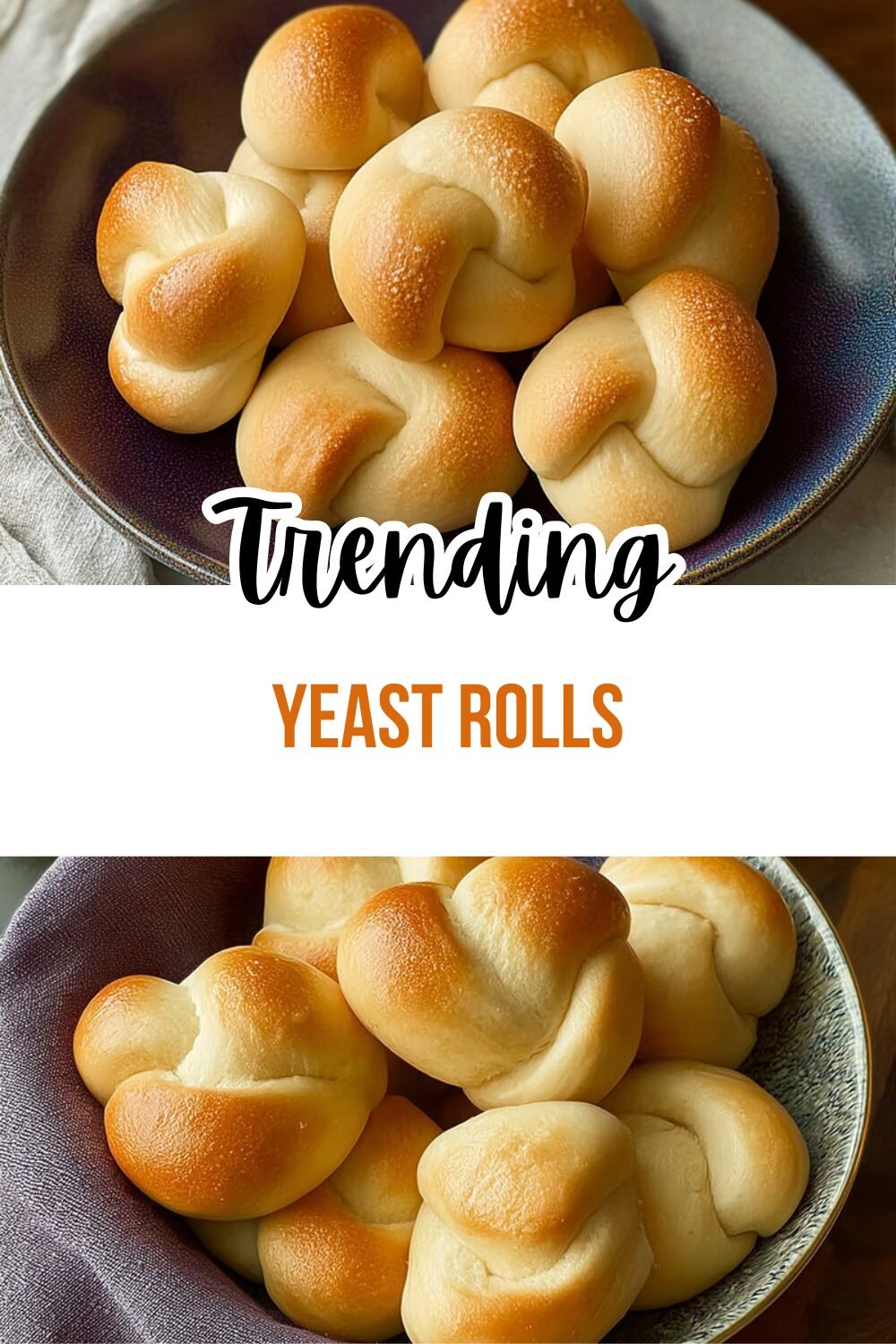
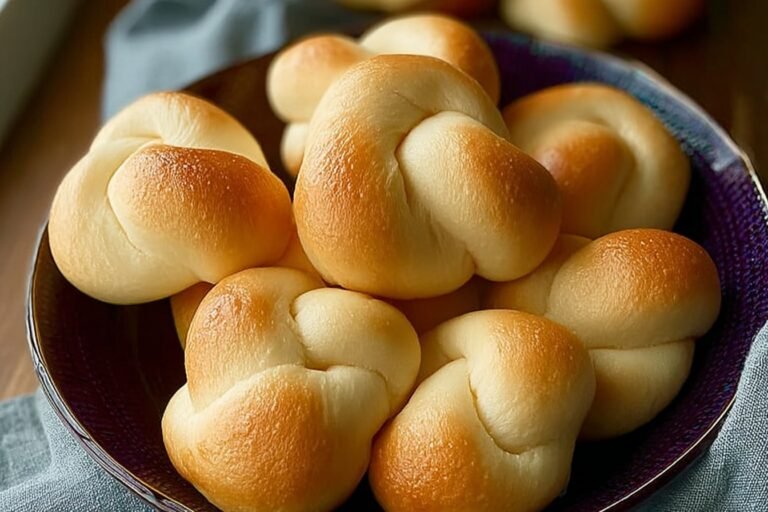
🍞 These Old Fashioned Yeast Rolls are soft and fluffy, perfect for any meal or special occasion with their comforting buttery flavor.
🧈 They provide a satisfying homemade bread experience with a tender texture that’s easy to enjoy fresh or with meals.
- Total Time: 2 hours 45 minutes
- Yield: 30 rolls
Ingredients
– 2 cups warm water
– ¼ cup honey
– 4 teaspoons active dry yeast
– ½ cup salted butter
– 2 eggs
– 2½ teaspoons salt
– 7 cups all-purpose flour
– 3-4 tablespoons melted butter for topping
Instructions
1-First, combine the warm water, honey, and active dry yeast in a bowl. Let it rest for 5 minutes until the yeast turns foamy, which means it’s ready to go. This step kickstarts the magic that makes the rolls rise nicely.
2-Next, in a large bowl, mix the softened butter, eggs, salt, and flour together. Once that’s blended, pour in the yeast mixture and knead the dough. You can do this by hand for 7-10 minutes or use an electric mixer for 5-7 minutes until it’s smooth and elastic.
3-Then, transfer the dough to an oiled bowl, cover it, and let it rise for about 1 hour or until it’s nearly doubled in size. After that, divide the dough into 30 equal balls, about 58-60 g each, and shape them into smooth balls using a cupping “C” hand motion for even results.
4-Place the rolls in a greased 11 x 18 inch baking pan, arranging them in about 6 rows of 5 rolls each. Spray them with baking spray, cover, and let them rise for another hour until doubled. During the last 15-20 minutes, preheat your oven to 375℉.
5-Bake the rolls at 375℉ for 15-16 minutes on the middle or bottom rack until the bottoms are browned. Right after baking, brush the tops with 3-4 tablespoons of melted butter while they’re still hot to keep them soft and give them a shiny finish. For a complete meal, these rolls go great with dishes like a fresh shrimp salad.
Last Step:
Please leave a rating and comment letting us know how you liked this recipe! This helps our business to thrive and continue providing free, high-quality recipes for you.Notes
⚖️ Use a kitchen scale to measure flour accurately for consistent texture.
🤲 Smoothly shape dough balls by cupping your hand in a “C” and rotating to form tight rounds.
⏰ Avoid overproofing to prevent the rolls from collapsing during baking.
❄️ Freeze shaped dough after the first rise; thaw and allow 4-5 hours rise before baking.
🧴 Store rolls in an airtight container or with fresh bread slices to maintain softness.
🕒 Rolls stay fresh and fluffy for 3-4 days at room temperature.
- Prep Time: 30 minutes
- Rising time: 2 hours
- Cook Time: 15 minutes
- Category: Bread
- Method: Baking
- Cuisine: American
- Diet: Vegetarian
Nutrition
- Serving Size: 1 roll
- Calories: 147 kcal
- Sugar: 2 g
- Sodium: 224 mg
- Fat: 4 g
- Saturated Fat: 2 g
- Unsaturated Fat: 1.3 g
- Trans Fat: 0 g
- Carbohydrates: 25 g
- Fiber: 1 g
- Protein: 4 g
- Cholesterol: 19 mg