
Why You’ll Love This Stained Glass Cookies
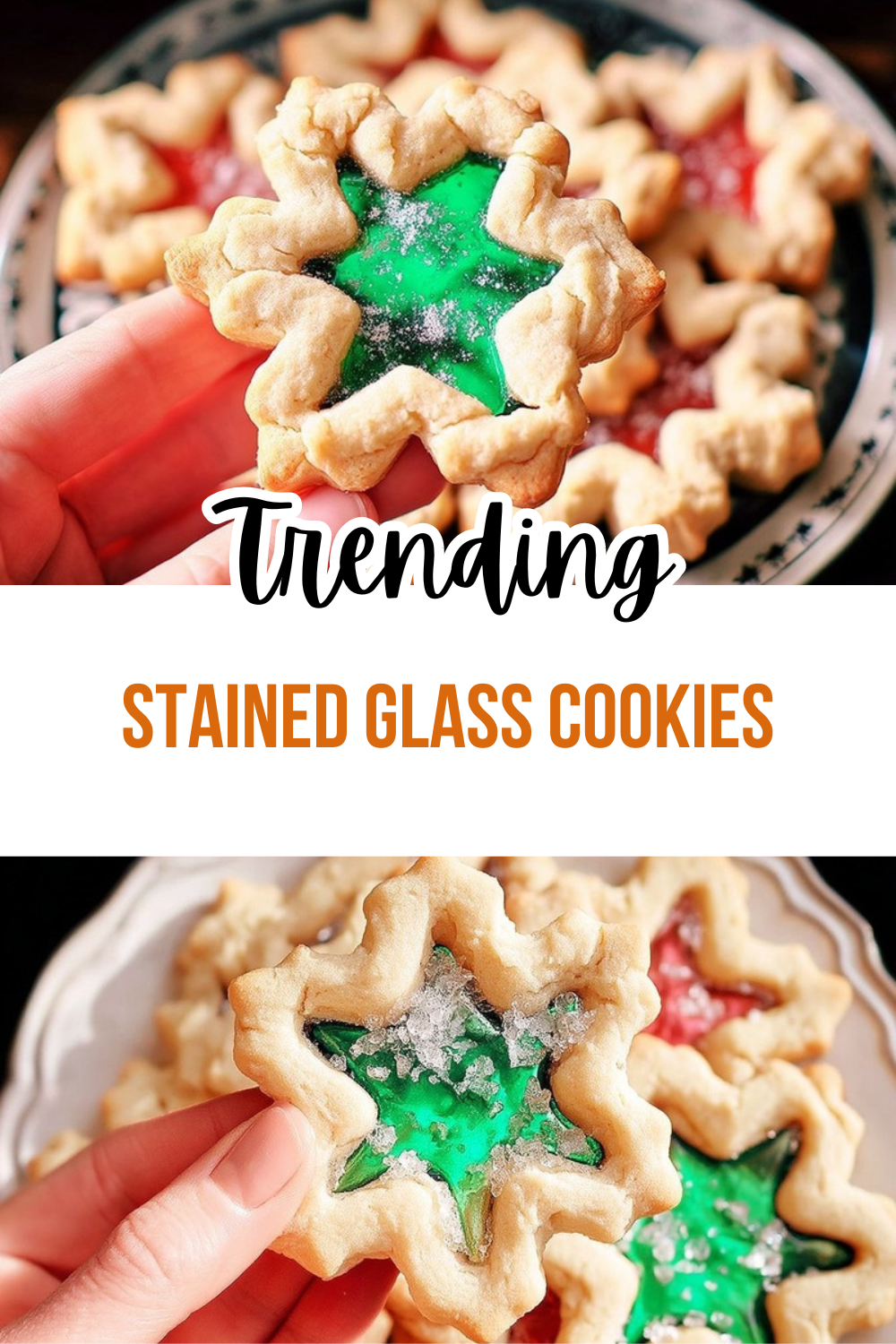
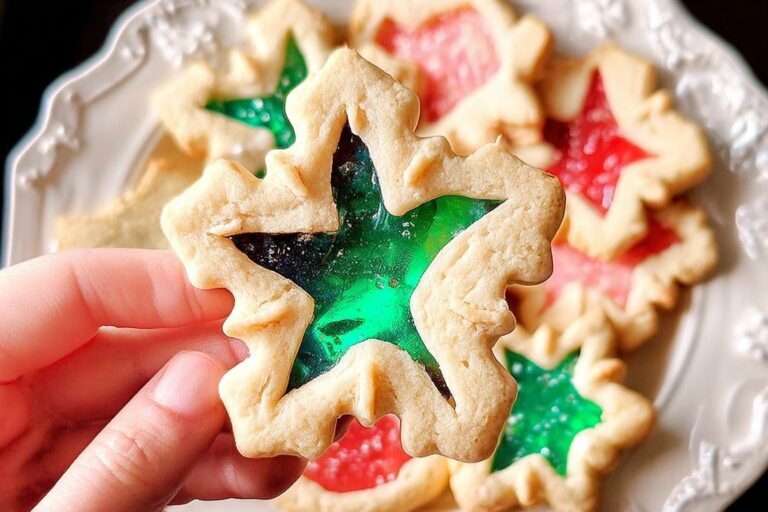
Stained Glass Cookies are a festive, fun treat that bring color and cheer to any gathering. Whether you bake with kids, prepare party favors, or want a bright snack to hang on the tree, these cookies are a joyful project that turns ordinary sugar cookies into jewel-like windows.
- Ease of preparation: This stained glass cookies recipe uses simple pantry staples and clear steps so even busy home cooks can follow along. The dough comes together in one bowl, chills for structure, and bakes quickly at 350°F. Prep time is about 45 minutes and total time is roughly 2 hours 40 minutes, making it a doable weekend activity.
- Health benefits: While these are a sweet treat, you can control portions and ingredients. Each cookie has about 144 calories and modest fat and sugar per serving, so you can enjoy them as an occasional dessert without overdoing it. The recipe also lets you pick candy colors and portions to suit preferences.
- Versatility: The stained glass cookie method adapts to different dietary needs and shapes. Use gluten-free flour, dairy-free butter, or swap candies for different melting candies to meet special diets and aesthetic goals.
- Distinctive flavor: The buttery sugar cookie base paired with fruity, translucent candy centers creates a pleasing contrast of tender cookie and glossy sweetness that stands out from more common cookies.
These points highlight why this stained glass cookies recipe is a favorite for holiday baking, classroom projects, and gift giving. It blends approachable baking with eye-catching results that everyone will notice.
Essential Ingredients for Stained Glass Cookies
The ingredient list below lays out everything you need for these stained glass cookies. Each line shows the exact quantity followed by the ingredient name, then a short note about its role in the recipe.
- Hard candies (approximately 20) – Used for the colorful, meltable centers that form the stained glass effect; sort by color before crushing.
- 1 cup (226g) unsalted softened butter – Adds richness and a tender texture to the cookie dough.
- 1 cup (200g) granulated sugar – Sweetens the dough and helps with structure and spread.
- 1/4 teaspoon salt – Balances sweetness and enhances flavor.
- 2 eggs – Binds ingredients and adds moisture and lift.
- 1 teaspoon vanilla extract – Provides warm, familiar flavor to the sugar cookie base.
- 3 cups (382g) all-purpose flour (spooned and leveled), plus more for dusting – Creates structure; extra for dusting the surface while rolling.
Special Dietary Options
- Vegan: Replace 1 cup unsalted butter with 1 cup plant-based vegan butter and use a flax egg for each egg (1 tbsp ground flaxseed + 3 tbsp water, mixed and chilled for 5 minutes per egg). Choose vegan hard candies or isomalt for the centers.
- Gluten-free: Substitute the 3 cups all-purpose flour with a 1-to-1 gluten-free baking blend (measure by weight if possible) and add 1/2 teaspoon xanthan gum if your blend lacks it.
- Low-calorie: Use a lighter spread for the butter (look for a blend with similar baking behavior) and reduce sugar slightly, though texture may change; smaller cookie cutters also shrink portion size.
How to Prepare the Perfect Stained Glass Cookies: Step-by-Step Guide
This detailed, step-by-step section walks you from candy prep to finished cookies. Time and temperature details are included so your stained glass cookies come out consistent and beautiful.
First Step: Prepare the candy centers
Unwrap and separate hard candies by color, placing each color into its own resealable bag. Crush the candies into small, uniform bits using a meat mallet or rolling pin. Small bits melt more evenly and create a smoother stained glass look. Set the crushed candy aside so it is ready when the dough is cut.
Second Step: Make the cookie dough
In an electric stand mixer bowl, cream together 1 cup (226g) unsalted softened butter, 1 cup (200g) granulated sugar, and 1/4 teaspoon salt until well combined. Add the 2 eggs, one at a time, mixing between additions. Blend in 1 teaspoon vanilla extract. With the mixer on low speed, slowly add 3 cups (382g) all-purpose flour (spooned and leveled) and mix until just combined. The dough should be soft but not sticky.
Third Step: Chill and portion the dough
Scrape the dough out of the bowl and shape it into a rectangle. Wrap the dough tightly in plastic wrap and chill in the refrigerator for one hour. After chilling, cut the dough into thirds; keep two portions chilled and work with one portion at a time. Chilling helps the dough hold its shape and prevents excessive spreading.
Fourth Step: Roll and cut shapes
On a lightly floured surface, roll one portion of dough to about 1/5-inch thickness. Use a large cookie cutter (approximately 3.5-inch star or your chosen shape) to cut out the outer shapes. Transfer them to a baking sheet lined with a silicone baking mat. From each large shape, cut a smaller shape (about 1.75-inch star) and remove the center piece. Re-roll scraps and repeat until the portion is used up.
Fifth Step: Add the crushed candy
Fill the cut-out centers about three-quarters full with the crushed hard candies. If you want a uniform color in each window, use candy from one bag per center. For marbled effects, mix small amounts of colors before filling. A toothpick helps place small bits or tidy edges.
Sixth Step: Chill then bake
Chill the filled cookies in the refrigerator for 15 to 20 minutes to firm them up; preheat the oven to 350°F while they chill. Bake the chilled cookies for 12 to 14 minutes, or until the cookie edges are set and the candy centers have melted into smooth, glossy windows. Allow cookies to cool completely on the baking sheet so the candy hardens.
Final Step: Finish and store
Once fully cooled, move cookies to a wire rack or package them in an airtight container. Repeat the entire process with remaining dough portions. Store cookies in an airtight container at room temperature. These stained glass cookies make lovely gifts and festive ornaments if you add a small hanging hole before chilling.
Tip: Cut a small hole near the top with a floured plastic straw before chilling if you plan to thread ribbon through your cookies as ornaments.

Dietary Substitutions to Customize Your Stained Glass Cookies
Adjusting this stained glass cookies recipe for different diets is simple. Below are practical swaps and small technique notes to keep results reliable.
Protein and Main Component Alternatives
The main components in these cookies are butter, eggs, and flour. Here are safe swaps that keep texture close to the original.
- Butter swap: Use equal parts plant-based vegan butter for a dairy-free option. Chill the dough longer if it feels softer.
- Egg swap: For each egg, mix 1 tablespoon ground flaxseed with 3 tablespoons water and chill for 5 minutes. This works best for binding in a sugar cookie-style dough.
- Flour swap: For gluten-free, use a 1-to-1 gluten-free flour blend and add 1/2 teaspoon xanthan gum if your blend lacks it; this keeps structure similar to all-purpose flour.
Vegetable, Sauce, and Seasoning Modifications
Seasonings in this recipe are minimal, but subtle changes can shift the flavor profile nicely.
- Swap vanilla extract for almond extract (use half the amount) if you want a nuttier aroma.
- Add 1 teaspoon warm spices like cinnamon for holiday variations; reduce sugar slightly if desired.
- Use flavored hard candies or isomalt crystals for clearer, professional-style windows, though baking times may vary.
These substitutions let home bakers tailor the stained glass cookies to allergies, preferences, and pantry stocks without losing the core technique.
Mastering Stained Glass Cookies: Advanced Tips and Variations
Once you know the basics, try these pro tips and playful tweaks to make your stained glass cookies stand out at parties and on dessert tables.
Pro cooking techniques
- Use a silicone baking mat instead of parchment paper to prevent sticking and promote even baking.
- Keep cookie thickness consistent at about 1/5-inch so centers melt evenly; use rolling pin guides if available.
- Sort and crush candies by color in resealable bags to avoid cross-color contamination and to speed up assembly.
Flavor variations
- Try lemon or orange vanilla extract blends for citrus-scented cookies.
- For a spiced version, stir 1/2 teaspoon ground ginger and 1/4 teaspoon allspice into the dough.
- Use complementary candy colors to match party themes or seasons.
Presentation tips
- Arrange finished stained glass cookies on a plain white platter so the vibrant centers pop.
- Thread ribbon through a pre-cut hole and hang on a holiday tree as edible ornaments.
- Package individually in cellophane bags and tie with twine for charming gifts.
Make-ahead options
- Freeze unbaked, cut cookies on a baking sheet until solid, then transfer to a freezer bag. Bake from frozen, adding a minute or two to bake time.
- Store crushed candy in airtight jars for months and use as needed to speed future batches.
These advanced tips make the stained glass cookies project smoother and more creative, whether you bake for a crowd or prepare gifts ahead of time. For a cozy beverage to serve with cookies, try a warm pumpkin spice latte recipe or pair them with hearty morning treats like this porridge.
How to Store Stained Glass Cookies: Best Practices
Proper storage keeps stained glass cookies glossy and intact. Use these short-term and long-term tips to preserve appearance and texture.
Refrigeration
Do not refrigerate stained glass cookies. Cold temperatures can cause the candy centers to cloud and become sticky when brought back to room temperature. Instead, store at room temperature in an airtight container.
Freezing
To freeze, place cooled cookies in a single layer on a baking sheet and flash-freeze for an hour. Then transfer to zip-top bags, separating layers with parchment. Freeze for up to 1 month. Thaw at room temperature without condensation; note that the candy portion may become slightly sticky after thawing.
Reheating
Reheating is not recommended because heat can soften the candy windows and distort shape. If centers look thin after baking, you can add a small amount of extra crushed candy into the center and warm in a 250°F oven for a few minutes to re-melt and reset.
Meal prep considerations
For batch baking, freeze unbaked cutouts so you can bake fresh trays as needed. Store baked cookies in airtight containers with layers separated by parchment to prevent sticking and scratching of candy windows.
FAQs: Frequently Asked Questions About Stained Glass Cookies
What are stained glass cookies and how do you make the basic dough?
Stained glass cookies are festive treats made from sugar cookie dough with cutout centers filled with melted hard candy, creating a colorful, translucent “glass” effect perfect for holidays like Christmas. To make the dough, cream 1 cup softened butter with 1 cup powdered sugar, 1 egg, 1 tsp vanilla, and 2.5 cups flour mixed with 1 tsp baking powder and 1/4 tsp salt. Chill the dough for 1-2 hours. Roll it out to 1/4-inch thickness on a floured surface. Use a large cookie cutter (3-4 inches) for the outer shape and a smaller one (1-2 inches) for the center hole. Place on a parchment-lined baking sheet. Fill the centers with crushed hard candies like Jolly Ranchers (about 4-6 pieces per hole, same color for best effect). Bake at 350°F for 8-12 minutes until candy fully melts and edges are golden. Cool completely on the sheet to harden the candy. Yields about 2 dozen cookies. Store airtight for up to a week.
What shapes work best for stained glass cookies?
Stained glass cookies shine in simple shapes with enough space for a 1-2 inch center cutout, like snowflakes, stars, Christmas trees, hearts, or gingerbread people. Use a large cookie cutter (at least 3 inches) for the outline and a matching smaller cutter or bottle cap for the hole. Avoid overly intricate designs, as thin dough edges can break or warp during baking. For ornaments, opt for symmetric shapes like circles or bells. Prep tip: After cutting the outer shape, remove the center dough scrap immediately and re-roll scraps for more cookies. This prevents sticking. Test shapes on a small batch first—bake at 350°F for 8-10 minutes. The candy melt time depends on hole size, so larger openings need more crushed candy (5-7 pieces). These versatile shapes make great tree decorations or party favors, and kids love customizing colors.
What candy should I use for stained glass cookie centers?
Jolly Ranchers or similar fruit-flavored hard candies work best for vibrant, glassy stained glass effects due to their bright colors and even melting. Crush 4-6 pieces per 1-2 inch hole using a food processor or rolling pin in a zip-top bag—aim for small, uniform bits to melt quickly without bubbles. Avoid Life Savers (faster melt, duller colors) or butterscotch/cinnamon (brownish tint, less translucent). Isomalt crystals offer pro-level clarity but require higher heat. Pro tip: Sort candies by color before crushing; mix sparingly for marbled looks. Fill holes generously but not heaping to prevent overflow. Bake at 350°F until fully liquid (8-12 minutes), then cool undisturbed. If candy bubbles, lower oven temp to 325°F next time. Leftover crushed candy stores in airtight jars for months. This choice ensures jewel-like windows that wow at holiday parties.
How do you cut a hanging hole in stained glass cookies?
To hang stained glass cookies as ornaments, cut a small hole (1/4-inch diameter) near the top edge before baking. Use the end of a plastic drinking straw—dip it in flour first to prevent sticking. Press firmly into the dough’s top border after cutting outer and center shapes, twisting slightly to remove the plug cleanly. The dough clings to the straw, making it easy without tools. Do this before chilling the cutouts on the baking sheet for 15-30 minutes to hold shape. Avoid metal straws, as they can tear dough. Bake as usual at 350°F for 8-12 minutes. Once cooled, thread ribbon or twine through the hardened hole. This works on shapes like stars or trees. Tip: Space holes at least 1/2-inch from edges to avoid cracking. Perfect for Christmas trees—display them year-round as sun catchers!
How do you store stained glass cookies and how long do they last?
Store cooled stained glass cookies in a single layer in an airtight container at room temperature for up to 1 week—the hard candy stays glossy and intact. Layer with parchment paper if stacking to prevent sticking. For longer storage, freeze in zip-top bags (up to 1 month); thaw at room temp without condensation. Avoid humid spots, as moisture can make candy sticky. Don’t refrigerate, as temp changes cause sweating and clouding. If gifting, wrap individually in cellophane bags with ribbon through the hanging hole. Common issue: Cracked “glass” from rough handling—transport in rigid boxes. Nutritionally, one cookie (with Jolly Rancher center) has about 150 calories, 7g fat, 20g carbs. Share stats: These cookies date back to 1980s craft baking trends, popular for 50 million+ holiday bakers yearly. Link to full recipe or variations for more ideas.
Stained Glass Cookies
🍪 Create stunning edible art with these beautiful cookies that feature translucent candy centers perfect for holiday decorations and gift-giving
✨ Impress your friends and family with these eye-catching treats that taste as amazing as they look on your cookie platter
- Total Time: 2 hours 40 minutes
- Yield: 24 cookies 1x
Ingredients
approximately 20 hard candies for stained glass effect
1 cup (226g) unsalted softened butter for richness
1 cup (200g) granulated sugar for sweetness and structure
1/4 teaspoon salt for balancing sweetness
2 eggs for binding
1 teaspoon vanilla extract for flavor
3 cups (382g) all-purpose flour for structure
Instructions
1-First Step: Prepare the candy centers Unwrap and separate hard candies by color, placing each color into its own resealable bag. Crush the candies into small, uniform bits using a meat mallet or rolling pin. Small bits melt more evenly and create a smoother stained glass look. Set the crushed candy aside so it is ready when the dough is cut.
2-Second Step: Make the cookie dough In an electric stand mixer bowl, cream together 1 cup (226g) unsalted softened butter, 1 cup (200g) granulated sugar, and 1/4 teaspoon salt until well combined. Add the 2 eggs, one at a time, mixing between additions. Blend in 1 teaspoon vanilla extract. With the mixer on low speed, slowly add 3 cups (382g) all-purpose flour (spooned and leveled) and mix until just combined. The dough should be soft but not sticky.
3-Third Step: Chill and portion the dough Scrape the dough out of the bowl and shape it into a rectangle. Wrap the dough tightly in plastic wrap and chill in the refrigerator for one hour. After chilling, cut the dough into thirds; keep two portions chilled and work with one portion at a time. Chilling helps the dough hold its shape and prevents excessive spreading.
4-Fourth Step: Roll and cut shapes On a lightly floured surface, roll one portion of dough to about 1/5-inch thickness. Use a large cookie cutter (approximately 3.5-inch star or your chosen shape) to cut out the outer shapes. Transfer them to a baking sheet lined with a silicone baking mat. From each large shape, cut a smaller shape (about 1.75-inch star) and remove the center piece. Re-roll scraps and repeat until the portion is used up.
5-Fifth Step: Add the crushed candy Fill the cut-out centers about three-quarters full with the crushed hard candies. If you want a uniform color in each window, use candy from one bag per center. For marbled effects, mix small amounts of colors before filling. A toothpick helps place small bits or tidy edges.
6-Sixth Step: Chill then bake Chill the filled cookies in the refrigerator for 15 to 20 minutes to firm them up; preheat the oven to 350°F while they chill. Bake the chilled cookies for 12 to 14 minutes, or until the cookie edges are set and the candy centers have melted into smooth, glossy windows. Allow cookies to cool completely on the baking sheet so the candy hardens.
7-Final Step: Finish and store Once fully cooled, move cookies to a wire rack or package them in an airtight container. Repeat the entire process with remaining dough portions. Store cookies in an airtight container at room temperature. These stained glass cookies make lovely gifts and festive ornaments if you add a small hanging hole before chilling.
Last Step:
Please leave a rating and comment letting us know how you liked this recipe! This helps our business to thrive and continue providing free, high-quality recipes for you.Notes
🧵 Use a silicone baking mat instead of parchment paper to prevent sticking and ensure easy removal of the finished cookies
🕳️ To hang cookies with ribbons, cut a small hole near the top with a plastic straw before chilling and baking for beautiful window decorations
❄️ Chill the dough thoroughly before cutting – this prevents spreading and maintains the crisp edges needed for the stained glass effect
- Prep Time: 45 minutes
- Chill time: 1 hour 25 minutes
- Cook Time: 30 minutes
- Category: Dessert
- Method: Baking
- Cuisine: American
- Diet: None
Nutrition
- Serving Size: 1 cookie
- Calories: 144
- Sugar: 9g
- Sodium: 24mg
- Fat: 6g
- Saturated Fat: 3g
- Unsaturated Fat: 3g
- Trans Fat: 0g
- Carbohydrates: 19g
- Fiber: 0.5g
- Protein: 1g
- Cholesterol: 27mg