
Why You’ll Love This Burnt Basque Cheesecake In A Loaf Pan
If you love a dessert that looks impressive but feels easy enough for a weeknight, this Burnt Basque Cheesecake In A Loaf Pan is going to be a favorite. It has that deep caramelized top, a creamy middle, and a short ingredient list that makes baking feel less stressful and more fun. Because it bakes in a loaf pan, you get neat slices and a smaller batch, which is perfect for couples, families, or anyone who does not want a huge cake sitting in the fridge.
- Easy preparation: This loaf pan cheesecake comes together in one bowl with simple mixing, then bakes fast at high heat. You do not need a crust, a water bath, or fancy tools, so it works well for busy parents, students, and working professionals.
- Great texture and flavor: The contrast between the dark, burnt-style top and the soft custard center is what makes Basque cheesecake so memorable. Every bite tastes rich, creamy, and slightly caramelized.
- Simple ingredients: The recipe uses cream cheese, sugar, eggs, cream, flour, and a little salt. That short list keeps shopping easy and makes this burnt cheesecake feel approachable.
- Flexible serving size: A Basque cheesecake loaf pan recipe is ideal when you want smaller portions. It is a smart choice for newlyweds, seniors, and anyone cooking for one or two people.
Best of all, this dessert works for casual weekends, dinner guests, or a quiet treat after a long day. If you like creamy desserts with bold flavor, this burnt Basque cheesecake in a loaf pan checks every box.
For a quick look at the nutrition side of dairy desserts, you can read more from this cream cheese nutrition guide.
Essential Ingredients for Burnt Basque Cheesecake In A Loaf Pan
Before you begin, gather everything and let the cream cheese soften fully. That small step helps the batter turn smooth and keeps the cheesecake from baking with lumps. Here is the complete ingredient list for this loaf pan Basque cheesecake.
Main Ingredients
- 1 3/4 pounds full-fat cream cheese bars, softened – This is the base of the cheesecake and gives it the rich, creamy texture that makes Basque cheesecake so loved.
- 1 cup granulated sugar – Sweetens the batter and helps the top brown beautifully in the oven.
- 4 large eggs – Add structure and help the cheesecake set while keeping the center soft.
- 1 2/3 cups heavy cream – Makes the filling silky and gives that custard-like bite.
- 1 teaspoon vanilla extract, optional – Adds a gentle warm flavor, though the cheesecake is still lovely without it.
- 1/4 teaspoon salt – Balances the sweetness and deepens the flavor.
- 1/4 cup all-purpose flour – Helps the cheesecake hold together without losing its creamy feel.
- Butter, for the pan – Keeps the parchment paper in place and helps release the cheesecake later.
- Parchment paper, for lining – Makes lifting the cheesecake out of the loaf pan much easier.
Special Dietary Options
Vegan: Use plant-based cream cheese, a dairy-free cream alternative, flax eggs, and a vegan butter substitute. The texture will change, but you can still make a creamy baked dessert.
Gluten-free: Swap the all-purpose flour for a gluten-free baking blend or a small amount of cornstarch.
Low-calorie: Choose light cream cheese and a reduced-fat cream substitute, but expect a softer texture and less caramelization.
Tip: Use full-fat cream cheese bars for the most accurate measurements and the best texture. This matters more than people think in a burnt Basque cheesecake in a loaf pan.
For another helpful dairy reference, you can also check out this guide to heavy whipping cream.
How to Prepare the Perfect Burnt Basque Cheesecake In A Loaf Pan: Step-by-Step Guide
This recipe is simple, but the details matter. If you follow the order below, you will get a cheesecake with a deep brown top, a creamy center, and clean slices after chilling. The full process takes about 1 hour total, including 15 minutes of prep and about 45 minutes of baking.
First Step: Prepare the pan and oven
Preheat your oven to 400°F. Lightly butter a 9×5-inch loaf pan, then line it with parchment paper, letting the paper extend over the sides for easy lifting later. Buttering the pan first helps the parchment stay put, which is a small trick that makes life easier when you are ready to unmold the cheesecake.
If you think the batter might rise close to the edge, set the pan on a baking sheet before baking. That gives you extra support and keeps things tidy in the oven.
Second Step: Beat the cream cheese and sugar
Place the softened cream cheese and granulated sugar in a large bowl. Use a hand mixer to beat them together until the mixture looks smooth and creamy, about 5 minutes. Take your time here, because a well-mixed base gives you that silky Basque cheesecake loaf pan recipe texture later.
Scrape down the sides of the bowl as needed. If you start with cold cream cheese, you may end up with lumps, and those are harder to fix once the eggs go in.
Third Step: Add the eggs one by one
Add the eggs one at a time, mixing well after each egg until it is fully combined. This helps the batter stay smooth and keeps the cheesecake from separating. It also gives the filling a more even bake from edge to center.
Do not rush this step. A slow, steady mix is better than a fast one, especially when making a loaf pan cheesecake for the first time.
Fourth Step: Whisk in the cream and seasonings
Now whisk in the heavy cream, vanilla extract if you are using it, and salt. The batter should look loose and glossy at this stage. That is exactly what you want, because the high cream content is what gives a Basque cheesecake its soft, almost spoonable middle.
If you like a more classic flavor, leave out the vanilla. If you enjoy a little warm sweetness, keep it in. Either way, the cheesecake will still bake up beautifully.
Fifth Step: Add the flour gently
Sift the flour gradually into the batter and stir gently until just combined. Move slowly so you do not create lumps. This is one of the easiest places to make a mistake, but it is also one of the easiest to fix by taking your time.
Do not overmix once the flour goes in. Overmixing can make the texture less tender, and for a burnt cheesecake, you want creamy, soft, and lightly set.
Sixth Step: Fill the pan and bake
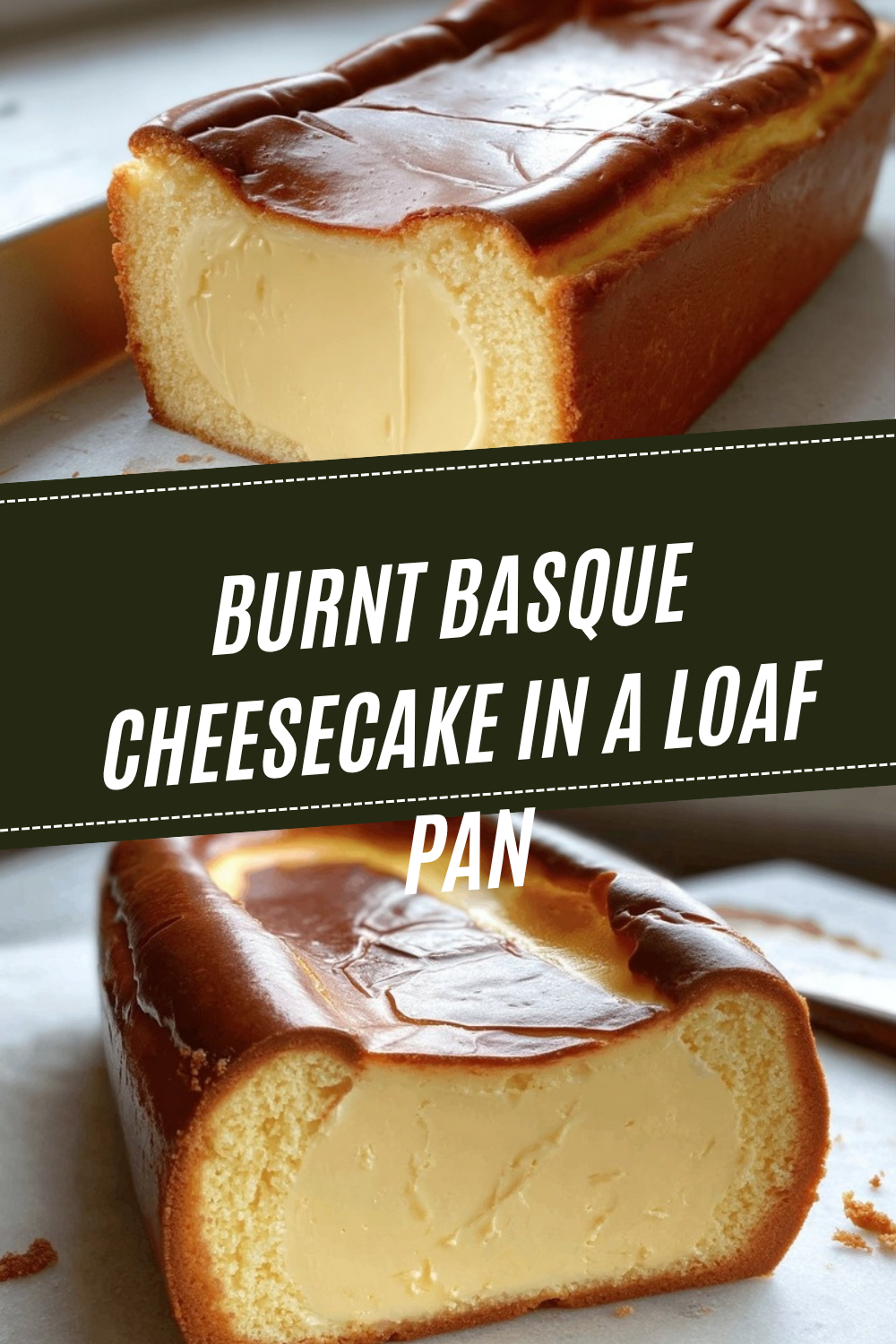
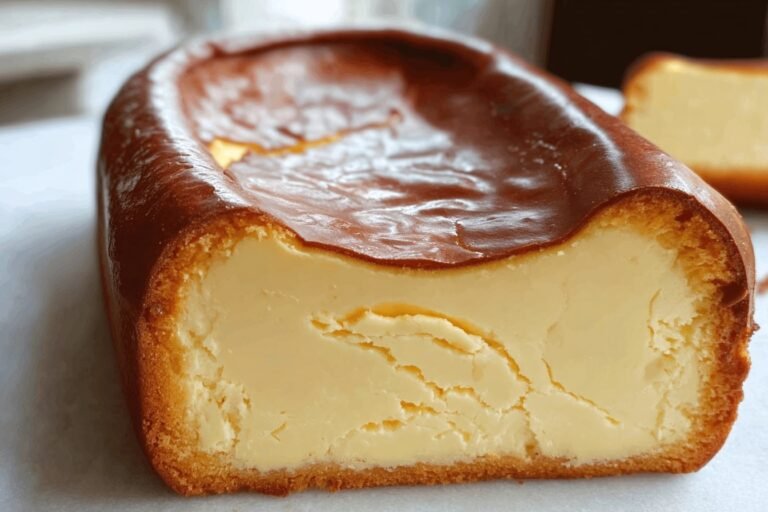
Pour the batter into the prepared loaf pan. The pan will be full, so move carefully. Bake for 40 to 45 minutes, until the edges are dark brown and the center is slightly lighter. The top should look deeply caramelized, while the middle still has a gentle wobble.
Every oven bakes a little differently, so start checking near the 40-minute mark. If your loaf pan is smaller or deeper than standard, the time may shift a bit. Dark edges are your sign that the cheesecake is close.
Final Step: Cool, chill, and serve
Let the cheesecake cool completely at room temperature before moving it to the fridge. Then chill it for 2 to 4 hours, or overnight if you want the cleanest slices. This resting time is important because the cheesecake finishes setting as it cools.
You may notice small cracks on top. That is normal for a Basque-style cheesecake and they often settle as the cake cools. When ready to serve, lift it out with the parchment paper, slice, and enjoy the creamy center with the browned top.
| Step | Time | What to Watch For |
|---|---|---|
| Prep pan and oven | 15 minutes | Parchment should overhang the sides |
| Bake | 40 to 45 minutes | Dark edges and a slightly lighter center |
| Cool | Room temperature | Cheesecake should settle fully |
| Chill | 2 to 4 hours or overnight | Best texture and easiest slicing |

Dietary Substitutions to Customize Your Burnt Basque Cheesecake In A Loaf Pan
Protein and Main Component Alternatives
Since cheesecake depends heavily on dairy, most substitutions center on the cream cheese, eggs, and cream. For a lower dairy version, you can use plant-based cream cheese and a dairy-free cream substitute. The texture will be softer and the browning may be lighter, but it still gives you a pleasant baked dessert.
If you need an egg-free version, try a trusted egg replacer made for baking. Keep in mind that eggs help this burnt Basque cheesecake in a loaf pan set properly, so the result may be more delicate. If you want a richer flavor, stick with full-fat dairy ingredients whenever possible.
Vegetable, Sauce, and Seasoning Modifications
This cheesecake does not use vegetables, but you can still change the flavor in easy ways. Swap vanilla for citrus zest, almond extract, or a tiny splash of espresso for a different feel. If you want a lighter serving style, pair a slice with fresh berries instead of a thick sauce.
For a gluten-free loaf pan Basque cheesecake, replace the all-purpose flour with a gluten-free blend or cornstarch. If you prefer less sweetness, reduce the sugar slightly, but keep in mind that sugar also helps with browning. A small change is usually better than a big one.
When serving guests with different needs, you can even bake the recipe as written and offer toppings on the side. That way everyone gets a slice that fits their preference.
Mastering Burnt Basque Cheesecake In A Loaf Pan: Advanced Tips and Variations
Once you have made this cake once or twice, a few small tweaks can help you get the exact result you want. The great thing about a loaf pan cheesecake is that it is forgiving enough for home bakers but still special enough for company.
Pro cooking techniques
Use room-temperature ingredients so the batter blends evenly. Sift the flour slowly to avoid lumps, and stop mixing as soon as everything looks smooth. If your loaf pan is a little smaller than standard or you think the batter may rise too much, place it on a baking sheet. Watch the edges closely because that dark color tells you the cheesecake is almost done.
Flavor variations
Vanilla is optional, so feel free to leave it out for a more classic flavor. You can also add orange zest, lemon zest, or a little cinnamon if you want a softer aroma. For a cozy fall version, serve it after a meal like our easy pumpkin spice latte recipe and let the flavors match the season.
Presentation tips
For clean slices, chill the cheesecake fully and use a sharp knife wiped clean between cuts. A dusting of powdered sugar is not needed, since the top already has a beautiful dark finish. Fresh berries or a spoonful of fruit sauce can brighten the plate without hiding that caramelized crust.
Make-ahead options
This dessert is a smart choice when you want to bake ahead. Make it the day before, chill overnight, and slice it when you are ready to serve. The texture gets even better after resting, which is great for dinner parties, holidays, or weekend meal planning. If you like simple make-ahead comfort food, you may also enjoy our warm porridge recipe for easy mornings.
How to Store Burnt Basque Cheesecake In A Loaf Pan: Best Practices
Store your cheesecake in the fridge once it has cooled and chilled. Keep it covered so it does not pick up other flavors. In the refrigerator, it will stay fresh for up to 5 days, and many people say the flavor gets even better after the first day.
For longer storage, wrap slices tightly in plastic wrap and place them in an airtight container before freezing. You can freeze the cheesecake for 1 to 2 months. If you plan to serve only a few pieces at a time, slice it first so thawing is easier.
To serve from the fridge, let a slice sit at room temperature for 15 to 20 minutes. That brings back the creamy texture. Avoid leaving it out for more than 2 hours. If you want a softer bite, a very short microwave warm-up of about 10 seconds can help, but keep it gentle so the texture does not melt.
Storage tip: Label the date before freezing so you remember how long your burnt cheesecake has been stored.
FAQs: Frequently Asked Questions About Burnt Basque Cheesecake In A Loaf Pan
Can you make burnt Basque cheesecake in a loaf pan?
Yes, burnt Basque cheesecake works great in a loaf pan for individual slices or smaller batches. Line an 8×4-inch loaf pan with overhanging parchment paper for easy removal. Mix 16 oz cream cheese, 1/2 cup sugar, 2 eggs, 1/2 cup heavy cream, 1 tsp vanilla, and 1 tbsp flour until smooth. Pour into the pan and bake at 425°F for 25-30 minutes until the top is deeply browned and jiggles slightly in the center. Cool at room temperature for 1 hour, then chill in the fridge for at least 4 hours. This method yields about 6-8 servings with the signature caramelized crust and creamy interior. No water bath needed—just high heat for that authentic burnt look. (92 words)
What’s the best temperature and time for baking Basque cheesecake in a loaf pan?
For a loaf pan Basque cheesecake, preheat your oven to 425°F (220°C) and bake for 25-35 minutes, depending on your oven and pan size. The top should be very dark brown—almost burnt—while the center remains jiggly like panna cotta. Avoid opening the oven door to prevent sinking. If using a 9×5-inch pan, check at 20 minutes; smaller pans need less time. Let it cool gradually: room temp for 1-2 hours, then fridge overnight for best texture. This high-heat method creates the crusty exterior and custardy inside without cracking. Test doneness by a slight puff and firm edges. (98 words)
How do you line a loaf pan for burnt Basque cheesecake?
Lining prevents sticking and makes unmolding simple. Cut two strips of parchment paper: one 8 inches wide by 16 inches long for the length, and another 5 inches wide by 12 inches for the width. Cross them in the loaf pan with overhang on all sides like handles. Lightly grease the pan first if needed. Press paper into corners smoothly. Pour in the batter—a simple blend of softened cream cheese, sugar, eggs, cream, vanilla, and a touch of flour or cornstarch. The overhang lets you lift the cheesecake out after chilling. This technique ensures clean slices and no mess. Refrigerate fully before removing for perfect results. (102 words)
How long does burnt Basque cheesecake in a loaf pan last?
Store your loaf pan burnt Basque cheesecake covered in the fridge for up to 5 days. The flavors deepen after day one, making it even better. For longer storage, wrap tightly in plastic and freeze for 1-2 months—slice first for easy thawing. To serve, let slices sit at room temp for 15-20 minutes to soften the creamy center. Avoid room temp storage over 2 hours to prevent spoilage. Label with dates if freezing. This cheesecake’s high cream content means it’s best fresh, but leftovers reheat gently in the microwave for 10 seconds if desired. Always use clean utensils to maintain freshness. (96 words)
What common mistakes to avoid when making Basque cheesecake in a loaf pan?
Don’t overmix the batter—blend just until smooth to keep it creamy, not tough. Use room-temperature ingredients for even incorporation. Skip the crust; it’s traditionally crustless. Watch the bake closely—underdone means soupy, overdone is dry, so rely on jiggle test, not toothpick. No foil cover; embrace the burnt top. Cool slowly to avoid cracks: no fridge blast right away. If it sinks slightly, that’s normal and tasty. Scale recipe for your pan size to prevent overflow. Room-temp cream cheese is key—cold lumps ruin texture. These tips yield pro results at home every time. (94 words)
Burnt Basque Cheesecake In A Loaf Pan
🍰🧀 Indulge in loaf pan Basque cheesecake recipe creamy caramelized top – jiggly custardy core under scorched caramelized crust for dramatic mini masterpiece!
🔥🥮 No-water-bath 1-hour bake delivers Spanish bakery bliss at home, smaller loaf perfect small gatherings or slices.
- Total Time: 3 hours
- Yield: 8 servings
Ingredients
– 1 3/4 pounds full-fat cream cheese bars, softened
– 1 cup granulated sugar
– 4 large eggs
– 1 2/3 cups heavy cream
– 1 teaspoon vanilla extract, optional
– 1/4 teaspoon salt
– 1/4 cup all-purpose flour
– Butter, for the pan
Instructions
1-First Step: Prepare the pan and oven Preheat your oven to 400°F. Lightly butter a 9×5-inch loaf pan, then line it with parchment paper, letting the paper extend over the sides for easy lifting later. Buttering the pan first helps the parchment stay put, which is a small trick that makes life easier when you are ready to unmold the cheesecake. If you think the batter might rise close to the edge, set the pan on a baking sheet before baking. That gives you extra support and keeps things tidy in the oven.
2-Second Step: Beat the cream cheese and sugar Place the softened cream cheese and granulated sugar in a large bowl. Use a hand mixer to beat them together until the mixture looks smooth and creamy, about 5 minutes. Take your time here, because a well-mixed base gives you that silky Basque cheesecake loaf pan recipe texture later. Scrape down the sides of the bowl as needed. If you start with cold cream cheese, you may end up with lumps, and those are harder to fix once the eggs go in.
3-Third Step: Add the eggs one by one Add the eggs one at a time, mixing well after each egg until it is fully combined. This helps the batter stay smooth and keeps the cheesecake from separating. It also gives the filling a more even bake from edge to center. Do not rush this step. A slow, steady mix is better than a fast one, especially when making a loaf pan cheesecake for the first time.
4-Fourth Step: Whisk in the cream and seasonings Now whisk in the heavy cream, vanilla extract if you are using it, and salt. The batter should look loose and glossy at this stage. That is exactly what you want, because the high cream content is what gives a Basque cheesecake its soft, almost spoonable middle. If you like a more classic flavor, leave out the vanilla. If you enjoy a little warm sweetness, keep it in. Either way, the cheesecake will still bake up beautifully.
5-Fifth Step: Add the flour gently Sift the flour gradually into the batter and stir gently until just combined. Move slowly so you do not create lumps. This is one of the easiest places to make a mistake, but it is also one of the easiest to fix by taking your time. Do not overmix once the flour goes in. Overmixing can make the texture less tender, and for a burnt cheesecake, you want creamy, soft, and lightly set.
6-Sixth Step: Fill the pan and bake Pour the batter into the prepared loaf pan. The pan will be full, so move carefully. Bake for 40 to 45 minutes, until the edges are dark brown and the center is slightly lighter. The top should look deeply caramelized, while the middle still has a gentle wobble. Every oven bakes a little differently, so start checking near the 40-minute mark. If your loaf pan is smaller or deeper than standard, the time may shift a bit. Dark edges are your sign that the cheesecake is close.
7-Final Step: Cool, chill, and serve Let the cheesecake cool completely at room temperature before moving it to the fridge. Then chill it for 2 to 4 hours, or overnight if you want the cleanest slices. This resting time is important because the cheesecake finishes setting as it cools. You may notice small cracks on top. That is normal for a Basque-style cheesecake and they often settle as the cake cools. When ready to serve, lift it out with the parchment paper, slice, and enjoy the creamy center with the browned top.
Last Step:
Please leave a rating and comment letting us know how you liked this recipe! This helps our business to thrive and continue providing free, high-quality recipes for you.Notes
🧈 Butter pan secures parchment; prevents sliding during baking.
🔥 Dark edges signature Basque style – don’t underbake for that caramelized top.
❄️ Overnight chill firms perfect slices; cracks settle naturally.
- Prep Time: 15 minutes
- Chill Time: 2-4 hours
- Cook Time: 45 minutes
- Category: Desserts
- Method: Baked
- Cuisine: Spanish
- Diet: Vegetarian
Nutrition
- Serving Size: 1 slice
- Calories: 208 kcal
- Sugar: 18 g
- Sodium: 78 mg
- Fat: 13 g
- Saturated Fat: 8 g
- Unsaturated Fat: 5 g
- Trans Fat: 0 g
- Carbohydrates: 20 g
- Fiber: 0 g
- Protein: 3 g
- Cholesterol: 92 mg