

Why You’ll Love This Peanut Butter Cookies
These Peanut Butter Cookies are the sort of baking win that feels like a cozy hug: simple, fast, and reliably tasty. Whether you’re baking with kids, squeezing in a treat between work and errands, or just craving a soft, chewy cookie, this recipe delivers. Below are the top reasons this recipe will become a go-to in your kitchen.
- Ease of preparation: This recipe uses a short ingredient list and a straightforward method. Prep time is minimal and bake time is only about 8 to 10 minutes at 350 degrees Fahrenheit, so you’ll have warm cookies in about 15 minutes total.
- Health benefits: Made with real peanut butter and moderate sugar, these cookies offer protein and healthy fats. A single 105g serving provides about 5g of protein and 13g of fat, making them a satisfying snack when you need a little energy boost.
- Versatility: The base recipe adapts easily to dietary needs. Swap in gluten-free flour, plant-based butter and egg replacer for a vegan or gluten-free version, or reduce sugar slightly for a lighter treat.
- Distinctive flavor: The rich peanut butter taste paired with brown and granulated sugar gives a caramelized, nutty depth that stands out from plain cookies. A touch of sea salt (optional) brightens the sweetness and rounds the flavor.
Essential Ingredients for Peanut Butter Cookies
The ingredient list below is written as a clear, structured list with precise measurements so you can shop and measure quickly. Each item also includes a short note on why it matters to the recipe.
- 1 1/2 cup all-purpose flour (180g) – Provides structure; measure by weight for best results.
- 1/2 cup unsalted butter, room temperature (113g) – Adds tenderness and helps creaming with sugars for a light texture.
- 1 cup peanut butter (250g), preferably smooth salted – Main flavor and fat source; salted balances sweetness.
- 1/2 cup brown sugar, lightly packed (100g) – Adds moisture and a caramel note for chewiness.
- 1/2 cup granulated sugar (100g) – Helps with spread and crisp edges when combined with butter.
- 1 teaspoon vanilla extract (5mL) – Enhances overall flavor and depth.
- 1 large egg, room temperature – Binds ingredients and adds lift.
- 3/4 teaspoon baking powder (3g) – Provides a modest rise so cookies are soft, not flat.
- Optional: 1/4 to 1/2 teaspoon sea salt if peanut butter is not salty – Balances sweetness and brightens flavors.
Special Dietary Options
- Vegan: Replace butter with 1/2 cup plant-based margarine (113g) and sub the egg with 1/4 cup unsweetened applesauce or a commercial egg replacer. Use a vegan peanut butter that is smooth and salted.
- Gluten-free: Swap the all-purpose flour for a 1:1 gluten-free baking blend measured at 180g; look for blends with xanthan gum for better texture.
- Low-calorie: Reduce granulated sugar to 3/8 cup (75g) and use a natural peanut butter with no added sugars; note that texture will be slightly different and cookies may be less chewy.
How to Prepare the Perfect Peanut Butter Cookies: Step-by-Step Guide
Follow these steps closely for soft, chewy Peanut Butter Cookies with neat fork marks. Timing and temperature are included so you can plan while you bake.
First Step: Mise en place
Preheat your oven to 350 degrees Fahrenheit. Line a baking sheet with parchment paper. Measure all ingredients precisely, especially the flour by weight (180g) for consistent results. Bring the egg and butter to room temperature so they incorporate smoothly.
Second Step: Dry ingredients
Sift the 1 1/2 cup all-purpose flour (180g) and 3/4 teaspoon baking powder (3g) together into a bowl, then whisk to combine. Sifting removes lumps and ensures even distribution of the leavening agent. Set this mixture aside.
Third Step: Creaming
Using a stand mixer fitted with the paddle attachment, cream 1/2 cup unsalted butter (113g), 1/2 cup granulated sugar (100g), and 1/2 cup brown sugar (100g) together on medium speed until the mixture is light and fluffy. This takes about 2 to 3 minutes. The creaming process traps air and gives the cookies a tender crumb.
Fourth Step: Add peanut butter and egg
Add 1 cup peanut butter (250g), preferably smooth salted, to the creamed butter and sugars. Mix until fully incorporated and uniform in color. Then add 1 large egg (room temperature) and 1 teaspoon vanilla extract (5mL). Scrape down the bowl and mix again so no streaks remain. If your peanut butter is natural, stir it well before measuring so the oil is blended in.
Fifth Step: Combine dry and wet
Add the flour and baking powder mixture to the wet ingredients. Beat on low speed just until the dough comes together and no large streaks of flour remain. Over-mixing can make cookies cakey, so stop as soon as the dough is homogeneous.
Sixth Step: Shaping and fork marks
Roll cookie dough into one-inch balls and place them on the prepared baking sheet, spacing them about 2 inches apart. For perfect fork marks, use a fork with long tines or two wooden skewers pressed side by side for cleaner lines. Dip the fork tines in granulated sugar if they stick. Flatten each ball with a fork in a criss-cross pattern. If your peanut butter is unsalted, sprinkle 1/4 to 1/2 teaspoon sea salt on top of some cookies for contrast.
Seventh Step: Baking
Bake the cookies at 350 degrees Fahrenheit for about 8 to 10 minutes. Watch the edges: remove the pan when the edges just start to change color. The centers will look soft but will set as they cool. Baking at this moderate temperature gives tender centers with lightly crisp edges.
Final Step: Cooling and serving
Allow the cookies to cool completely on the baking sheet. This resting time helps them firm up and finish cooking with residual heat. Store cooled cookies in an airtight container for up to one week, or freeze baked cookies for longer storage. Yield: approximately 18 cookies.
| Preparation | Time |
|---|---|
| Prep time | 1 minute |
| Cook time | 10 minutes |
| Total time | 15 minutes |
| Yield | Approximately 18 cookies |
Tip: Remove cookies from the oven the moment the edges begin to change color. They will finish setting on the baking sheet and stay soft in the center.
Protein and Main Component Alternatives
If you need to swap the main protein or want to adapt the recipe for dietary needs, here are practical substitutions that keep texture and flavor close to the original.
Nut butters and seed alternatives
If peanut butter is not an option, try sunflower seed butter or almond butter. Sunflower butter is a great nut-free substitute and behaves very similarly in dough, though flavor will be different. Almond butter works well but often contains more oil; you may need to add 1 tablespoon extra flour to balance the moisture. For crunchy texture, use crunchy peanut butter but mix briefly to avoid an overly stiff dough.
Protein-boosting additions
To increase protein without changing the cookie’s feel too much, fold in 1/4 cup of unflavored whey or plant-based protein powder, but reduce flour by 1 to 2 tablespoons to maintain chewiness. Another option is to add 2 tablespoons of nut flour (almond flour) to deepen flavor and add healthy fats, but keep total dry weight similar so cookies don’t spread differently.
Vegetable, Sauce, and Seasoning Modifications
These cookies are flexible when it comes to subtle flavor shifts. Use these suggestions to match seasons, pairings, or dietary needs.
Seasonal and flavor additions
Mix in 1/4 cup mini chocolate chips for a classic combo. For autumn, fold in 1 teaspoon ground cinnamon and a pinch of nutmeg. A swirl of 1 tablespoon honey or maple syrup can add depth but reduce the granulated sugar by 1 tablespoon. For a salty-sweet twist, sprinkle flaky sea salt on top right after baking.
Sauces and finishing touches
Drizzle a teaspoon of melted dark chocolate over cooled cookies for a bakery-style finish. For a tropical note, add 2 tablespoons shredded coconut to the dough. If you prefer a more savory edge, mix in 1 tablespoon soy sauce and 1 teaspoon sesame oil with caution and only when using a small test batch; these push the cookies into a different flavor profile that pairs well with Asian-inspired desserts.
Mastering Peanut Butter Cookies: Advanced Tips and Variations
Once you’ve made the basic recipe a few times, try these advanced techniques and creative variations to take your Peanut Butter Cookies to the next level.
Pro cooking techniques
- Precision measuring: Weigh your flour at 180g for consistent results. Too much flour makes cookies dry.
- Temperature control: Use room-temperature butter and egg so ingredients combine smoothly and fork marks stay clean.
- Pressure technique for fork marks: Press straight down and then sideways, pulling the fork away at an angle to avoid distorting the lines.
Flavor variations
- Chocolate-studded: Fold in 1/3 cup mini chocolate chips.
- Crunchy peanut: Use 3/4 cup smooth peanut butter + 1/4 cup crunchy peanut butter for texture contrast.
- Peanut butter and jam thumbprint: After flattening, press a small thumbprint into the center and add 1/2 teaspoon jam before baking; reduce bake time by 1 minute.
Presentation tips
- Arrange cookies on a simple white plate and dust lightly with powdered sugar for a cafe look.
- Stack cookies with parchment squares for gifting; tie with twine and a sprig of rosemary or a cinnamon stick.
Make-ahead options
- Refrigerate shaped dough balls for up to 24 hours; bring to room temperature for 15 minutes before baking if chilled.
- Freeze scooped dough balls on a tray, then transfer to a freezer bag for up to 3 months. Bake from frozen, adding 1 to 2 minutes to the bake time.
For more baking tips that pair well with comforting treats, check out this easy pumpkin spice latte recipe to serve with warm cookies. If you like simple breakfasts to go with snacks, see how to make quick porridge for busy mornings.
How to Store Peanut Butter Cookies: Best Practices
Proper storage keeps your Peanut Butter Cookies tasting fresh and prevents them from getting stale or greasy. Below are straightforward methods for short-term and long-term storage, plus reheating tips.
Refrigeration
Store cooled cookies in an airtight container at room temperature for up to one week. If your kitchen is hot and humid, place the container in the refrigerator for up to 10 days to prevent spoilage. Use parchment layers between cookies to maintain texture.
Freezing
Freeze baked cookies in a single layer on a baking sheet until solid, then transfer to a freezer-safe bag or container. They keep well for up to 3 months. To reheat, thaw at room temperature for 10 to 15 minutes, or warm gently in a 300 degree Fahrenheit oven for 5 minutes to restore that just-baked feel.
Reheating
To revive slightly stale cookies, place them on a baking sheet and warm at 300 degrees Fahrenheit for 5 minutes, or microwave one cookie for 10 to 12 seconds to soften the center. Avoid overheating which can make cookies dry.
Meal prep considerations
If you bake in batches for weeknight snacks or lunchboxes, freeze portions in labeled bags with the date. Thaw in the morning for packed lunches or warm briefly before serving. For gifting, pack in boxes with parchment squares and include a note about best-by dates.

FAQs: Frequently Asked Questions About Peanut Butter Cookies
Why do peanut butter cookies have fork marks or crisscross patterns?
Peanut butter cookies are denser than many other cookie doughs because of the high fat content from peanut butter, which prevents them from spreading much during baking. Pressing fork marks or a crisscross pattern into the dough before baking flattens the cookies slightly, helps them bake evenly, and creates that classic look. Without this step, they might bake up puffy and uneven. To do it right, scoop dough into balls, place on a parchment-lined baking sheet, and gently press with the back of a fork in two directions. This also allows heat to penetrate better for consistent browning and texture. Skip it only if you prefer thicker cookies, but the pattern adds visual appeal and improves results every time. (92 words)
How do you make perfect fork marks on peanut butter cookies?
For clean, professional crisscross fork marks on peanut butter cookies, start with room-temperature dough balls about 1.5 inches wide. Dip the tines of a fork in granulated sugar to prevent sticking, then press straight down firmly but not too hard—aim for 1/4-inch deep impressions. Press once horizontally, then vertically for the classic pattern. For even cleaner lines, use two wooden skewers side by side instead of a fork; align them and press down together. If the dough sticks, chill the cookies briefly for 5 minutes. Pull the fork or skewers away at an angle rather than lifting straight up to avoid distorting the lines. This technique ensures crisp edges and even baking. Practice on one cookie first to get the pressure right. (118 words)
What is the best peanut butter to use for peanut butter cookies?
Choose smooth, salted peanut butter like Jif or Skippy for the best texture and flavor in peanut butter cookies—the stabilizers help hold the dough together without spreading too much. Avoid unsalted if possible, as it balances the sweetness. Sweetened varieties work but reduce the recipe’s sugar by 1-2 tablespoons to prevent overly sweet results. Natural peanut butter (just peanuts and salt) is fine if stirred well to incorporate the oil on top; it yields softer cookies, so add 1 tablespoon extra flour if needed. Crunchy peanut butter adds texture but can make dough harder to handle—use it sparingly. Test your favorite plain-eating brand in a small batch first. Always use full-fat for richness; low-fat versions dry out the cookies. (112 words)
Should you chill peanut butter cookie dough before baking?
No, you don’t need to chill peanut butter cookie dough before baking—the high fat from peanut butter keeps it stable and helps it hold shape in the oven at 350°F for 10-12 minutes. Chilling isn’t required for spreading control like in chocolate chip doughs. However, if preparing dough ahead, chill it covered in the fridge up to 24 hours or freeze scoops for up to 3 months; just add 1-2 extra minutes to bake time from frozen. Room-temperature dough (let it sit 15 minutes if chilled) gives the smoothest fork marks and even browning. Over-chilling can make cookies cakey, so bake fresh for chewy centers and crisp edges. This makes peanut butter cookies one of the quickest to bake. (114 words)
Why are my peanut butter cookies greasy or oily?
Greasy peanut butter cookies often result from natural peanut butter separating—oil rises to the top, adding extra fat. Stir it thoroughly before measuring, or drain excess oil. Using too much peanut butter or sweetened brands with high oil content can also cause this; stick to 1 cup per standard recipe and measure by weight (about 260g). High oven temps (over 375°F) melt fats excessively—bake at 350°F. Parchment paper or silicone mats absorb some grease better than greasing pans. For drier results, add 2 tablespoons milk powder or extra flour. Store in an airtight container with a paper towel to wick moisture. These fixes keep cookies tender without oiliness, perfect for soft-baked texture. (106 words)
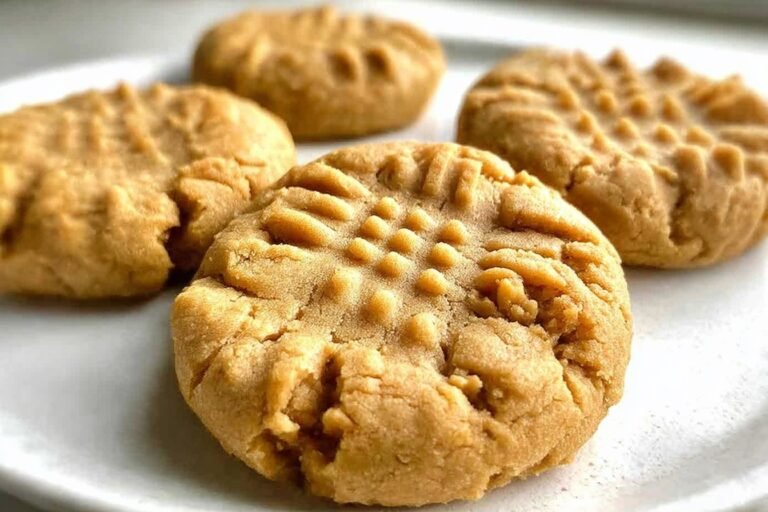
Peanut Butter Cookies
Experience the perfect combination of soft
- Total Time: 15 minutes
- Yield: 18 cookies
Ingredients
– 1 1/2 cup all-purpose flour (180g) for structure
– 1/2 cup unsalted butter, room temperature (113g) for tenderness and light texture
– 1 cup peanut butter (250g), preferably smooth salted for flavor and fat
– 1/2 cup brown sugar, lightly packed (100g) for moisture and chewiness
– 1/2 cup granulated sugar (100g) for spread and crisp edges
– 1 teaspoon vanilla extract (5mL) for flavor and depth
– 1 large egg, room temperature for binding and lift
– 3/4 teaspoon baking powder (3g) for rise
– 1/4 to 1/2 teaspoon sea salt for balancing sweetness
Instructions
1-First Step: Mise en place Preheat your oven to 350 degrees Fahrenheit. Line a baking sheet with parchment paper. Measure all ingredients precisely, especially the flour by weight (180g) for consistent results. Bring the egg and butter to room temperature so they incorporate smoothly.
2-Second Step: Dry ingredients Sift the 1 1/2 cup all-purpose flour (180g) and 3/4 teaspoon baking powder (3g) together into a bowl, then whisk to combine. Sifting removes lumps and ensures even distribution of the leavening agent. Set this mixture aside.
3-Third Step: Creaming Using a stand mixer fitted with the paddle attachment, cream 1/2 cup unsalted butter (113g), 1/2 cup granulated sugar (100g), and 1/2 cup brown sugar (100g) together on medium speed until the mixture is light and fluffy. This takes about 2 to 3 minutes. The creaming process traps air and gives the cookies a tender crumb.
4-Fourth Step: Add peanut butter and egg Add 1 cup peanut butter (250g), preferably smooth salted, to the creamed butter and sugars. Mix until fully incorporated and uniform in color. Then add 1 large egg (room temperature) and 1 teaspoon vanilla extract (5mL). Scrape down the bowl and mix again so no streaks remain. If your peanut butter is natural, stir it well before measuring so the oil is blended in.
5-Fifth Step: Combine dry and wet Add the flour and baking powder mixture to the wet ingredients. Beat on low speed just until the dough comes together and no large streaks of flour remain. Over-mixing can make cookies cakey, so stop as soon as the dough is homogeneous.
6-Sixth Step: Shaping and fork marks Roll cookie dough into one-inch balls and place them on the prepared baking sheet, spacing them about 2 inches apart. For perfect fork marks, use a fork with long tines or two wooden skewers pressed side by side for cleaner lines. Dip the fork tines in granulated sugar if they stick. Flatten each ball with a fork in a criss-cross pattern. If your peanut butter is unsalted, sprinkle 1/4 to 1/2 teaspoon sea salt on top of some cookies for contrast.
7-Seventh Step: Baking Bake the cookies at 350 degrees Fahrenheit for about 8 to 10 minutes. Watch the edges: remove the pan when the edges just start to change color. The centers will look soft but will set as they cool. Baking at this moderate temperature gives tender centers with lightly crisp edges.
8-Final Step: Cooling and serving Allow the cookies to cool completely on the baking sheet. This resting time helps them firm up and finish cooking with residual heat. Store cooled cookies in an airtight container for up to one week, or freeze baked cookies for longer storage. Yield: approximately 18 cookies.
Last Step:
Please leave a rating and comment letting us know how you liked this recipe! This helps our business to thrive and continue providing free, high-quality recipes for you.Notes
⏰ Remove cookies from oven when edges just start to change color, as they continue baking from residual heat
🍪 Cookies are very soft right after baking; let them rest on the baking sheet to firm up before moving
⚖️ Measure flour precisely with a scale, or fluff, spoon into cup, and level with a knife for best texture
- Prep Time: 1 minute
- Cook Time: 10 minutes
- Category: Dessert
- Method: Baking
- Cuisine: American
Nutrition
- Serving Size: 1 cookie
- Calories: 193
- Sugar: 7g
- Sodium: 115mg
- Fat: 13g
- Saturated Fat: 5g
- Unsaturated Fat: 8g
- Carbohydrates: 16g
- Fiber: 1g
- Protein: 5g
- Cholesterol: 23mg