
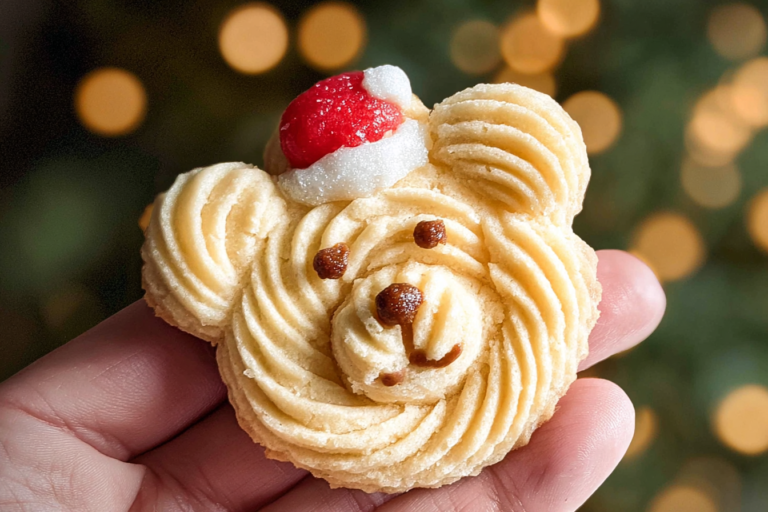
Why You’ll Love This Danish Butter Cookies
There’s something truly special about Danish butter cookies that brings back fond memories of holiday tins and cozy afternoons with a warm beverage. These homemade butter cookies offer that signature buttery flavor and delicate, crisp texture that melts in your mouth with every bite. Whether you’re an experienced baker or just starting out, this easy Danish butter cookies recipe delivers bakery-quality results right in your own kitchen.
This recipe stands out for several wonderful reasons that make it a must-try for any home baker:
- Simplicity and Quick Preparation: With just four basic ingredients and about 15 minutes of hands-on prep time, this Danish butter cookies recipe is wonderfully approachable. The total time from start to finish is under an hour, making it perfect for busy weeknight baking or last-minute entertaining. Unlike complicated pastry recipes that require multiple steps and specialized equipment, these cookies rely on straightforward techniques that anyone can master.
- Nutritional Benefits: Each cookie contains only 47 calories, making them a lighter treat option compared to many other desserts. At just 1g of fat and 9g of carbohydrates per cookie, you can enjoy these homemade Danish butter cookies without excessive guilt. The cookies also provide a small amount of calcium (11mg per cookie), adding a tiny nutritional bonus to your sweet indulgence.
- Versatility for Dietary Needs: This recipe adapts beautifully to various dietary preferences. Those avoiding gluten can substitute with gluten-free flour blends, though the texture may differ slightly. The recipe works with both salted and unsalted butter, giving you flexibility based on what’s in your pantry. For more delightful breakfast options that pair perfectly with these cookies, check out this comforting porridge recipe that starts your morning right.
- Distinctive Melt-in-Your-Mouth Texture: The combination of cake flour and thorough creaming creates that signature shortbread-like quality that makes Danish cookies so beloved. The edges turn perfectly golden while the centers remain tender, delivering that perfect contrast between crisp and delicate that store-bought versions rarely achieve.
Essential Ingredients for Danish Butter Cookies
Creating authentic Danish butter cookies at home requires just a handful of quality ingredients, each playing a crucial role in achieving that perfect texture and flavor. Understanding what each component brings to your butter cookies recipe helps you make informed substitutions if needed.
Main Ingredients List
- 1/2 cup butter at room temperature (soft to the touch but not melted) – The star ingredient that provides rich flavor, tender texture, and that irresistible buttery aroma. Room temperature butter incorporates air during creaming, creating the light, fluffy base essential for delicate cookies.
- 1/2 cup powdered (icing) sugar – Unlike granulated sugar, powdered sugar dissolves quickly and creates a smoother, more tender cookie. It contributes to that melt-in-your-mouth quality while adding just the right amount of sweetness.
- 1 teaspoon vanilla extract – This aromatic addition rounds out the flavor profile, adding warmth and depth that enhances the butter notes. Pure vanilla extract provides the best flavor, but imitation works in a pinch.
- 1 cup cake flour or all-purpose flour – Cake flour produces the most delicate, tender cookies due to its lower protein content. All-purpose flour works as a substitute and yields a slightly chewier result. Sifting is essential for either choice to prevent dense spots.
Special Dietary Options
For those with dietary restrictions, this easy homemade Danish butter cookies recipe offers some flexibility:
- Gluten-Free Option: Replace the cake flour with a 1:1 gluten-free baking flour blend. Add 1-2 extra tablespoons if the dough seems too soft, as gluten-free flours behave differently. Note that the texture may be slightly different from the traditional version.
- Dairy-Free Alternative: While not traditional, plant-based butter substitutes can work. Choose a high-quality vegan butter stick (not tub spread) for best results. The flavor profile will differ from authentic Danish butter cookies but can still be delicious.
- Lower Sugar Option: Reduce the powdered sugar slightly or use a sugar alternative designed for baking. Keep in mind that reducing sugar affects both sweetness and texture.
Pro Tip: Always measure flour by weight using a kitchen scale when possible. This ensures consistent results every time you make this homemade butter cookies recipe. If using measuring cups, spoon the flour into the cup and level off rather than scooping directly.
How to Prepare the Perfect Danish Butter Cookies: Step-by-Step Guide
Making Danish butter cookies from scratch is easier than you might think. Follow these detailed steps to achieve bakery-quality results in your own kitchen. The entire process takes about 58 minutes from start to finish, including chilling time.
First Step: Prepare Your Ingredients and Equipment
Start by taking your butter out of the refrigerator at least one hour before you plan to bake. This crucial step allows the butter to reach the perfect consistency soft enough to leave an indentation when pressed but not melted or oily. Proper butter temperature is the foundation of successful homemade Danish butter cookies.
While the butter softens, gather your equipment: a handheld or stand mixer, mixing bowls, a sifter or fine-mesh strainer, a piping bag fitted with a 1M open star tip, and baking sheets lined with silicone mats or parchment paper. Having everything ready before you begin makes the process smooth and enjoyable. For more comforting recipes perfect for any time of day, explore this delicious Johnny cakes recipe that’s equally simple to prepare.
Second Step: Cream Butter and Sugar to Perfection
Place your softened butter in a mixing bowl along with the powdered sugar and vanilla extract. Using your handheld or stand mixer, beat these ingredients together for a full 5 to 8 minutes. This extended mixing time is essential it incorporates air into the mixture and creates that pale, fluffy consistency that gives Danish butter cookies their signature tender texture.
You’ll notice the mixture transform from a dense paste to a light, whipped consistency that holds soft peaks. The color should change from a deep yellow to a pale, creamy ivory. Don’t rush this step; thorough creaming is what separates good butter cookies recipe results from great ones. If you’re new to baking, set a timer to ensure you cream long enough.
Third Step: Incorporate the Flour Gently
Once your butter and sugar mixture is perfectly creamed, scrape down the sides of the bowl to ensure everything is evenly combined. Now it’s time to add the flour. Rather than dumping it all at once, sift in the flour in three batches, adding about 1/3 cup at a time.
After each addition, gently fold the flour into the butter mixture using a spatula or the mixer on its lowest setting. Fold just until no dry flour remains visible overmixing at this stage can develop gluten and make your cookies tough instead of tender. The resulting dough should be soft, slightly sticky, and hold together when pressed.
Fourth Step: Prepare for Piping
Transfer your dough onto a sheet of plastic wrap and shape it into a log shape. This makes it easier to load into your piping bag. Trim one end of the log at an angle to help guide the dough into the bag. Fit your piping bag with a 1M open star tip, which creates those beautiful decorative swirls that Danish cookies are famous for.
Load the dough into the piping bag, being careful not to overfill. Working in smaller batches (divide the dough in half if needed) makes piping much easier and gives you more control. If the dough feels too stiff to pipe smoothly, mix in 1 tablespoon of warm milk to soften it slightly.
Fifth Step: Pipe and Chill the Cookies
On your prepared baking sheets lined with silicone mats or parchment paper, pipe the dough into 1.5-inch spirals or rosette shapes. Start from the outside and work inward, applying steady, even pressure. Leave about 2 inches between each cookie to allow for slight spreading during baking.
Once all cookies are piped, place the baking sheets in the refrigerator for 30 minutes. This chilling step is crucial for maintaining the beautiful shapes you’ve created. Without chilling, easy Danish butter cookies can spread too much in the oven, losing their defined edges and decorative patterns. While the cookies chill, preheat your oven to 300°F (150°C).
Sixth Step: Bake to Golden Perfection
After the chilling time, optionally sprinkle your cookies with a little granulated sugar for added sparkle and sweetness. Place the baking sheet on the middle rack of your preheated oven and bake for about 15 minutes. You’re looking for the edges to turn a light golden color while the centers remain pale.
Bake one sheet at a time for the most even results. The low temperature (300°F) allows the cookies to bake through without browning too quickly. If using a conventional oven without fan assistance, you can try 350°F (180°C) for 12-15 minutes, but watch closely to prevent overbrowning. For a detailed visual guide on achieving the perfect piping technique, check out this helpful resource on making authentic Danish butter cookies.
Seventh Step: Cool and Serve
Remove the baking sheet from the oven and let the cookies cool directly on the sheet for 10 minutes. They’re very delicate when hot and need this time to set. After 10 minutes, carefully transfer them to a wire cooling rack to finish cooling completely.
Your homemade Danish butter cookies recipe is now complete! These cookies are delicious on their own but pair wonderfully with coffee, tea, or a warm beverage of your choice. Store extras in an airtight container to maintain their crisp texture.

Dietary Substitutions to Customize Your Danish Butter Cookies
One of the wonderful aspects of this Danish butter cookies recipe is how adaptable it can be to various dietary needs and preferences. Whether you’re accommodating food allergies, following a specific diet, or simply working with what’s in your pantry, these substitutions can help you achieve delicious results.
Protein and Main Component Alternatives
Butter is the heart and soul of traditional Danish butter cookies, but some modifications can work depending on your needs:
- Salted vs. Unsalted Butter: The recipe works beautifully with salted butter, which provides a lovely flavor balance. If using unsalted butter, simply add 1/4 teaspoon of salt to the flour before mixing. This small addition enhances all the other flavors without making the cookies taste salty.
- Plant-Based Butter: For those avoiding dairy, high-quality vegan butter sticks can substitute for traditional butter. Look for brands specifically designed for baking rather than tub spreads, which contain more water. The texture may be slightly different, but the results can still be delicious.
- European-Style Butter: If you want to take your homemade butter cookies to the next level, try European-style butter, which has a higher fat content. This creates an even richer, more tender cookie with that luxurious mouthfeel found in premium bakery versions.
Vegetable, Sauce, and Seasoning Modifications
While traditional Danish cookies keep flavorings simple, creative additions can transform this base recipe into something uniquely yours:
- Chocolate Variation: Add 1 tablespoon of unsweetened cocoa powder to the dry ingredients for a chocolate version. Reduce the flour slightly to accommodate the extra dry ingredient. These pair wonderfully with the vanilla version for an attractive cookie assortment.
- Matcha Twist: Incorporate 1 tablespoon of matcha powder for a beautiful green color and subtle earthy flavor. This modern variation adds visual interest to cookie tins and pairs surprisingly well with white chocolate or vanilla flavors.
- Nutty Addition: Fold in just under 1/4 cup of finely minced almonds after incorporating the flour. The nuts add texture and a complementary flavor that works beautifully with the butter base. Toast the nuts lightly beforehand for enhanced flavor.
- Spice Options: A pinch of cinnamon, cardamom, or nutmeg can add warmth to your easy homemade Danish butter cookies without overwhelming the butter flavor. Start with just 1/4 teaspoon and adjust to taste.
Baker’s Note: When adding dry ingredients like cocoa or matcha, sift them together with the flour to ensure even distribution throughout the dough.
Mastering Danish Butter Cookies: Advanced Tips and Variations
Taking your Danish butter cookies from good to exceptional requires attention to a few key details. These professional tips will help you achieve bakery-quality results every single time.
Pro Techniques for Perfect Results
The difference between amateur and professional-looking homemade Danish butter cookies often comes down to a few crucial techniques:
Temperature Matters: Every element should be at the right temperature. Butter must be room temperature but not melted aim for about 65-68°F. If your kitchen is very warm, chill your mixing bowl and paddle attachment before creaming. Working in a cool environment (around 68-72°F) produces the best results.
Proper Creaming Technique: Don’t rush the creaming step. That full 5-8 minutes of mixing incorporates tiny air bubbles throughout the butter-sugar mixture, which creates the tender, melt-in-your-mouth texture. The mixture should be pale ivory and hold soft peaks when you lift the beaters.
Flour Measurement Precision: In baking, small measurement errors compound into significant texture problems. Weighing flour (about 120g for this recipe) eliminates guesswork. If using cups, spoon flour gently into the measuring cup and level with a knife never scoop directly with the measuring cup.
Chilling is Non-Negotiable: Those 30 minutes in the refrigerator aren’t optional. This step solidifies the butter, helping cookies hold their piped shape during baking. Skip it, and your beautiful swirls will spread into flat, unrecognizable rounds.
Creative Presentation Ideas
Make your butter cookies recipe results as beautiful as they are delicious with these presentation techniques:
- Sparkling Finish: Sprinkle coarse sanding sugar or colored sugar crystals over piped cookies before chilling. The sugar adds visual appeal and a pleasant slight crunch without affecting the dough.
- Classic Cookie Press: If you don’t have a piping bag, a cookie press creates traditional spritz-style cookies. For easier pressing, beat the butter and sugar longer (8 minutes by hand) to create a softer dough. Add 1 tablespoon of warm milk if needed.
- Fork-Impressed Style: For a non-piped version, roll the dough into small balls, flatten with a fork to create a pattern, and chill for 30 minutes before baking. This rustic approach is simpler but equally delicious.
- Dipping and Drizzling: After baking and cooling, dip half of each cookie in melted chocolate or drizzle chocolate over the tops. White, dark, or milk chocolate all complement the buttery flavor beautifully.
Make-Ahead and Batch Strategies
This easy Danish butter cookies recipe is perfect for advance preparation:
- Freeze Unbaked Dough: Pipe or shape your cookies and freeze them on baking sheets until solid (1-2 hours). Transfer to freezer bags for up to 1 month. Bake directly from frozen, adding 5 minutes to the baking time. This method is perfect for holiday preparation.
- Dough Storage: Unbaked dough can be wrapped tightly and refrigerated for up to 3 days before shaping. Let it soften slightly at room temperature before piping.
- Double Batch Tips: If doubling the recipe, cream the butter and sugar in batches for the best texture. Overfilling the bowl prevents proper aeration.
For authentic inspiration, explore the traditional varieties from Royal Dansk butter cookies, which have been perfecting these classics for generations.
How to Store Danish Butter Cookies: Best Practices
Proper storage keeps your Danish butter cookies fresh and maintains their signature crisp texture. Follow these guidelines to enjoy your homemade treats for weeks to come.
Room Temperature Storage
Fully cooled cookies store beautifully at room temperature in an airtight container. Layer them between sheets of parchment paper to prevent sticking and protect the delicate piped patterns. Properly stored, they stay fresh for 7-10 days. Keep them away from direct sunlight, heat sources, and moisture all enemies of crisp cookies.
Refrigeration for Extended Freshness
For longer storage, refrigerate your homemade butter cookies in an airtight container for up to 2 weeks. Bring them to room temperature before serving for the best texture and flavor. The cold temperature won’t harm the cookies, but they taste best when not served cold.
Freezing for Long-Term Storage
Both baked cookies and shaped raw dough freeze exceptionally well:
- Baked Cookies: Cool completely, then layer in freezer-safe containers with parchment between layers. Freeze for up to 3 months. Thaw at room temperature for 1-2 hours before serving.
- Shaped Raw Dough: Pipe or shape your cookies, freeze on baking sheets until solid, then transfer to freezer bags. Bake from frozen, adding 5 minutes to the baking time. This method gives you fresh-baked Danish butter cookies anytime with minimal prep.
Moisture Management
The biggest threat to crisp cookies is moisture. Always cool cookies completely before storing residual heat creates condensation that softens cookies. If cookies lose their crispness, place them in a 250°F oven for 5-7 minutes to restore their texture. For more warming comfort food ideas to enjoy alongside your cookies, try this seasonal pumpkin spice latte recipe.
The following table summarizes storage options:
| Storage Method | Duration | Best For |
|---|---|---|
| Room Temperature (Airtight) | 7-10 days | Everyday snacking, gifting |
| Refrigerator | Up to 2 weeks | Extended freshness, warm climates |
| Freezer (Baked) | Up to 3 months | Long-term storage, make-ahead |
| Freezer (Raw Shaped) | Up to 1 month | Ready-to-bake convenience |

FAQs: Frequently Asked Questions About Danish Butter Cookies
How many Danish butter cookies does this recipe make?
A standard Danish butter cookie recipe yields about 12 to 15 cookies, depending on the size you pipe or shape them. For larger cookies, expect closer to 12; smaller ones can give you up to 15 or more. To get consistent results, use a 1M open star piping tip and pipe 1.5-inch spirals. If doubling the recipe, cream the butter and sugar thoroughly for easier handling. This makes it ideal for small gatherings or gifting. Store extras in an airtight container to keep them crisp for 7-10 days. For bigger batches, freeze unbaked piped dough on a tray first, then transfer to a bag for up to a month—bake straight from frozen with 5 extra minutes.
What flour is best for Danish butter cookies?
Cake flour works best for Danish butter cookies, giving them a light, delicate, melt-in-your-mouth texture thanks to its lower protein content. If cake flour isn’t available, all-purpose flour is a solid substitute—just sift it first for better results. Avoid self-rising flour, as its leavening agents can cause excess spreading and alter the signature crisp outside with chewy center. Measure by weight (use a kitchen scale for 120g) to prevent dense cookies. Gluten-free flour blends have been tested successfully, but pick a 1:1 baking mix and add 1-2 extra tablespoons if needed for structure. This keeps the classic shortbread-like quality intact.
Should I use salted or unsalted butter for Danish butter cookies?
Use salted butter for authentic Danish butter cookies, as it balances the sweetness and enhances flavor without extra salt. If only unsalted butter is on hand, add 1/4 teaspoon salt to the dry ingredients. Ensure the butter is very soft (not melted) for creaming—beat with sugar for 8 minutes by hand or mixer until pale and fluffy. This creates the perfect dough consistency for piping. Margarine can substitute in a pinch, but real butter delivers the richest taste and crisp edges. Chill piped shapes 30 minutes before baking at 350°F on the middle rack to hold form.
Can I freeze Danish butter cookie dough or baked cookies?
Yes, Danish butter cookie dough freezes well—pipe shapes onto a tray, freeze solid (about 1-2 hours), then store in an airtight bag for up to 1 month. Bake directly from frozen at 350°F, adding 5 minutes to the usual 12-15 minute time. Baked cookies freeze too: cool fully, layer with parchment in a container, and freeze up to 3 months. Thaw at room temperature; they stay crisp. Unbaked dough can’t be frozen pre-piping due to firmness, so shape first. This method saves time for holidays—room temp storage lasts 7-10 days, fridge up to 2 weeks (bring to room temp before eating).
Why do my Danish butter cookies spread too much and how do I fix it?
Danish butter cookies spread from warm butter, under-measured flour, or skipping the chill step. Fix by weighing flour accurately (120g cake flour), creaming soft (not melted) butter with sugar until light, and refrigerating piped cookies 30 minutes (or freeze 20 minutes). Use parchment or silicone mats—no greasing. Bake on the middle rack at 350°F with fan if possible. If still spreading, add 2-3 extra tablespoons flour next time. Pipe immediately after mixing for best hold. No baking soda keeps the dense, chewy interior—troubleshooting these steps yields perfect golden, crisp-edged cookies every batch.
Danish Butter Cookies
🍪 Discover the authentic, melt-in-your-mouth texture of Danish Butter Cookies, effortlessly made at home for a delightful treat.
🧈 Perfect for holiday gifting or everyday indulgence, these easy homemade delights bring buttery richness and simple joy to any occasion.
- Total Time: 58 minutes
- Yield: 32 cookies
Ingredients
– 1/2 cup butter at room temperature (soft to the touch but not melted)
– 1/2 cup powdered (icing) sugar
– 1 teaspoon vanilla extract
– 1 cup cake flour or all-purpose flour
Instructions
1-First Step: Prepare Your Ingredients and Equipment Start by taking your butter out of the refrigerator at least one hour before you plan to bake. This crucial step allows the butter to reach the perfect consistency soft enough to leave an indentation when pressed but not melted or oily. Proper butter temperature is the foundation of successful homemade Danish butter cookies. While the butter softens, gather your equipment: a handheld or stand mixer, mixing bowls, a sifter or fine-mesh strainer, a piping bag fitted with a 1M open star tip, and baking sheets lined with silicone mats or parchment paper. Having everything ready before you begin makes the process smooth and enjoyable. For more comforting recipes perfect for any time of day, explore this delicious Johnny cakes recipe that’s equally simple to prepare.
2-Second Step: Cream Butter and Sugar to Perfection Place your softened butter in a mixing bowl along with the powdered sugar and vanilla extract. Using your handheld or stand mixer, beat these ingredients together for a full 5 to 8 minutes. This extended mixing time is essential it incorporates air into the mixture and creates that pale, fluffy consistency that gives Danish butter cookies their signature tender texture. You’ll notice the mixture transform from a dense paste to a light, whipped consistency that holds soft peaks. The color should change from a deep yellow to a pale, creamy ivory. Don’t rush this step; thorough creaming is what separates good butter cookies recipe results from great ones. If you’re new to baking, set a timer to ensure you cream long enough.
3-Third Step: Incorporate the Flour Gently Once your butter and sugar mixture is perfectly creamed, scrape down the sides of the bowl to ensure everything is evenly combined. Now it’s time to add the flour. Rather than dumping it all at once, sift in the flour in three batches, adding about 1/3 cup at a time. After each addition, gently fold the flour into the butter mixture using a spatula or the mixer on its lowest setting. Fold just until no dry flour remains visible overmixing at this stage can develop gluten and make your cookies tough instead of tender. The resulting dough should be soft, slightly sticky, and hold together when pressed.
4-Fourth Step: Prepare for Piping Transfer your dough onto a sheet of plastic wrap and shape it into a log shape. This makes it easier to load into your piping bag. Trim one end of the log at an angle to help guide the dough into the bag. Fit your piping bag with a 1M open star tip, which creates those beautiful decorative swirls that Danish cookies are famous for. Load the dough into the piping bag, being careful not to overfill. Working in smaller batches (divide the dough in half if needed) makes piping much easier and gives you more control. If the dough feels too stiff to pipe smoothly, mix in 1 tablespoon of warm milk to soften it slightly.
5-Fifth Step: Pipe and Chill the Cookies On your prepared baking sheets lined with silicone mats or parchment paper, pipe the dough into 1.5-inch spirals or rosette shapes. Start from the outside and work inward, applying steady, even pressure. Leave about 2 inches between each cookie to allow for slight spreading during baking. Once all cookies are piped, place the baking sheets in the refrigerator for 30 minutes. This chilling step is crucial for maintaining the beautiful shapes you’ve created. Without chilling, easy Danish butter cookies can spread too much in the oven, losing their defined edges and decorative patterns. While the cookies chill, preheat your oven to 300°F (150°C).
6-Sixth Step: Bake to Golden Perfection After the chilling time, optionally sprinkle your cookies with a little granulated sugar for added sparkle and sweetness. Place the baking sheet on the middle rack of your preheated oven and bake for about 15 minutes. You’re looking for the edges to turn a light golden color while the centers remain pale. Bake one sheet at a time for the most even results. The low temperature (300°F) allows the cookies to bake through without browning too quickly. If using a conventional oven without fan assistance, you can try 350°F (180°C) for 12-15 minutes, but watch closely to prevent overbrowning. For a detailed visual guide on achieving the perfect piping technique, check out this helpful resource on making authentic Danish butter cookies.
7-Seventh Step: Cool and Serve Remove the baking sheet from the oven and let the cookies cool directly on the sheet for 10 minutes. They’re very delicate when hot and need this time to set. After 10 minutes, carefully transfer them to a wire cooling rack to finish cooling completely. Your homemade Danish butter cookies recipe is now complete! These cookies are delicious on their own but pair wonderfully with coffee, tea, or a warm beverage of your choice. Store extras in an airtight container to maintain their crisp texture.
Last Step:
Please leave a rating and comment letting us know how you liked this recipe! This helps our business to thrive and continue providing free, high-quality recipes for you.Notes
✅ Ensure butter is room temperature but not melted for optimal creaming.
⏱️ Cream butter and sugar for a full 5-8 minutes for tender texture.
❄️ Chill piped dough for 30 minutes to enhance shape retention.
- Prep Time: 15 minutes
- Chilling: 30 minutes
- Cook Time: 13-15 minutes
- Category: Desserts
- Method: Baking
- Cuisine: Danish
- Diet: Vegetarian
Nutrition
- Serving Size: 1 cookie
- Calories: 47 kcal
- Sugar: 3-4g
- Sodium: 9mg
- Fat: 1g
- Saturated Fat: 1g
- Unsaturated Fat: 0g
- Trans Fat: 0g
- Carbohydrates: 9g
- Fiber: 0g
- Protein: 1g
- Cholesterol: 1mg