

Why You’ll Love This Easter Eggs
Easter eggs represent a traditional element in celebrations, offering both aesthetic and cultural appeal that draws in diverse audiences. The practice involves creating decorated items that symbolize renewal and creativity, making them accessible for home cooks and busy parents alike. These features provide an engaging activity that combines simplicity with the opportunity for personalization, appealing to baking enthusiasts and food enthusiasts seeking meaningful traditions.
- Ease of preparation: The process of preparing Easter eggs remains straightforward and requires minimal time, often completing in under an hour once ingredients are gathered, which suits working professionals and students with packed schedules. This simplicity allows individuals to focus on creativity rather than complex techniques, enhancing Easter Eggs enjoyment without overwhelming beginners. Such ease ensures that even those new to crafts can achieve satisfying results while maintaining an Easter Eggs theme throughout their activities.
- Health benefits: Utilizing natural dyes and fresh ingredients in Easter Eggs preparation contributes to nutritional advantages, as options like vegetable-based colors provide antioxidants and vitamins found in items such as beets and turmeric. This approach supports wellness aspects by reducing exposure to artificial additives, making it ideal for diet-conscious individuals and seniors who prioritize health. Easter Eggs thus serve as a healthful alternative that aligns with broader Easter Eggs traditions while promoting balanced consumption.
- Versatility: Easter Eggs adapt easily to various dietary needs, such as vegan or gluten-free substitutions, allowing travelers and newlyweds to customize based on available resources or preferences. This flexibility extends to seasonal variations, where different ingredients can alter flavors and appearances to fit any occasion. Such adaptability ensures Easter Eggs remain a staple for diverse groups, including busy parents who value quick, adjustable recipes.
- Distinctive flavor and creativity: The unique combination of natural elements in Easter Eggs imparts a distinctive visual and sensory appeal, transforming ordinary items into artistic expressions. Ingredients like spices and fruits not only enhance Easter Eggs aesthetically but also introduce subtle tastes that elevate the experience, attracting baking enthusiasts. This aspect makes Easter Eggs a memorable feature in holiday traditions, fostering exploration of new ideas among food enthusiasts.
Through these benefits, Easter Eggs stand out as an effective tradition that integrates Easter Eggs elements seamlessly into daily life. The ability to combine ease, health, versatility, and creativity positions them as a favored choice across audiences. Overall, these qualities underscore the enduring popularity of Easter Eggs in cultural practices.
Essential Ingredients for Easter Eggs
The following list outlines the key ingredients required for preparing Easter eggs, drawing from traditional methods of natural dyeing and decorating. Each item includes precise measurements as referenced in standard practices, ensuring accurate replication.
- 2 cups of water – Used as the base for the dye solution, providing the necessary liquid to extract colors from other ingredients.
- 1-2 tablespoons of white vinegar – Added to fix the dye on the eggs, helping to enhance color adhesion and longevity during the soaking process.
- Turmeric (for yellow dye) – Approximately 1-2 tablespoons, ground or powdered, to create vibrant yellow hues by boiling with water and vinegar.
- Lemon peels (for yellow dye) – From 2-3 lemons, offering a natural acidic element that infuses the solution with a subtle citrus tone for softer yellow shades.
- Beets (for pink or red dye) – About 2 cups chopped, boiled to produce rich red pigments that provide strong coloration for Easter eggs.
- Cranberries (for pink or red dye) – Roughly 2 cups fresh or frozen, used to generate pink tones through boiling, adding a tart flavor profile.
- Red cabbage (for blue dye) – Approximately 2 cups chopped, processed by boiling to yield blue colors, with adjustments possible for deeper shades.
- Blueberries (for purple dye) – Around 2 cups fresh or frozen, combined with other elements like baking soda to achieve purple variations in the dye.
- Baking soda (for purple dye modification) – A small amount, such as 1 teaspoon, added to blueberry mixtures to alter pH and intensify purple colors.
- Coffee or black tea (for brown dye) – About 2-4 tablespoons of grounds or tea leaves, boiled to create earthy brown shades for a natural finish.
- Hard-boiled eggs – 6-12 eggs, prepared by boiling for 10-12 minutes, serving as the base material that absorbs the dyes for decoration.
For special dietary options, consider the following adaptations to maintain an Easter Eggs focus:
- Vegan: Substitute animal-based eggs with plant-based alternatives like tofu or chickpea-based eggs, ensuring all dyes use only vegetable sources such as the listed fruits and spices.
- Gluten-free: All ingredients in this list are naturally gluten-free, but verify that any added decorations or tools remain free from cross-contamination.
- Low-calorie: Focus on minimal use of ingredients like vinegar and water, opting for lighter dyes from low-sugar sources such as lemon peels or turmeric to keep overall calorie intake low.
How to Prepare the Perfect Easter Eggs: Step-by-Step Guide
This guide details the process of preparing Easter eggs, emphasizing natural dyeing techniques that incorporate historical elements from various traditions. The steps draw upon methods for creating hidden or decorative features, blending cultural practices with practical instructions.
First Step: Gather and Prepare Materials
Begin by assembling all ingredients and tools, ensuring eggs are hard-boiled for safety and ease. Place the 6-12 hard-boiled eggs in a bowl, while measuring out the 2 cups of water and 1-2 tablespoons of white vinegar for each dye batch. This initial phase sets the foundation for effective Easter Eggs creation, allowing customization based on available dietary options such as vegan substitutes.
Second Step: Create the Dye Solutions
Boil the dye mixtures in separate pots, using ingredients like 1-2 tablespoons of turmeric for yellow or 2 cups of chopped beets for red. Each solution requires simmering for about 15 minutes with the water and vinegar, after which the liquid is strained and cooled. This step adapts to preferences, such as using lemon peels for a milder yellow, ensuring Easter Eggs remain versatile for different tastes.
Third Step: Soak the Eggs
Submerge the hard-boiled eggs into the cooled dye solutions, allowing them to sit for at least 30 minutes or overnight for deeper colors. Monitor the process to achieve desired shades, adjusting based on dietary needs like low-calorie options by limiting additional ingredients. This method highlights Easter Eggs as both functional and artistic, drawing from traditions of hidden messages in media.
Fourth Step: Decorate and Dry
Once removed from the dye, pat the eggs dry and add creative elements such as patterns from washi tape or drawings with markers, as alternative decoration methods. Ensure decorations align with Easter Eggs themes, considering how elements like natural dyes relate to historical practices in video games and films. For adaptations, use plant-based materials if preparing vegan versions, enhancing the eggs’ appeal for various audiences.
Final Step: Finish and Store
Allow the decorated eggs to dry completely on a rack, then display or store them as needed for Easter activities. Incorporate final touches like arranging for an egg hunt, while ensuring all items are food-safe if consumption is planned. This completes the Easter Eggs process, linking back to the concept of hidden features in broader cultural contexts, such as those found in software from the 1970s. Here, the earliest known video game Easter egg from 1973 can inspire creative hiding spots. For more ideas, consider visiting our related content with a link to simple seasonal recipes that complement holiday traditions.

Dietary Substitutions to Customize Your Easter Eggs
Protein and Main Component Alternatives
Substitutions for main components in Easter Eggs allow for broader accessibility, particularly when eggs are replaced with alternatives to meet dietary restrictions. For instance, use tofu as a base instead of chicken eggs to accommodate vegan preferences, ensuring the structure holds dye effectively. These changes maintain the integrity of Easter Eggs while addressing ingredient availability, such as opting for chickpea flour-based eggs in gluten-free contexts.
Vegetable, Sauce, and Seasoning Modifications
Alterations to vegetables can enhance Easter Eggs based on seasons or tastes, replacing beets with cranberries for a different color profile in dye solutions. Sauces might involve adjusting vinegar amounts for acidity, while seasonings like turmeric can be swapped for other spices to vary flavors. Such modifications ensure Easter Eggs adaptability, with options for low-calorie choices by reducing added elements, drawing parallels to unintentional features like those in early shooter games.
Mastering Easter Eggs: Advanced Tips and Variations
Pro Cooking Techniques
Advanced methods improve Easter Eggs outcomes, such as precisely timing boils to prevent cracking and enhance dye absorption. Techniques like layering dyes create complex patterns, mirroring hidden elements in films and software. These approaches, similar to developer signatures in hardware, allow for precise control and better results.
Flavor Variations
Experiment with seasoning combinations, like adding herbs to dye mixtures, to introduce new flavors to Easter Eggs. Variations can include full mini-games of creativity, akin to including previous adventure games in sequels. These adjustments cater to different preferences, with Easter Eggs evolving from simple text messages to elaborate designs.
Presentation Tips
Garnishing suggestions involve arranging eggs in thematic displays, drawing from pop culture references in TV shows. Presentation enhances Easter Eggs appeal, making them conversation starters similar to hidden scenes in DVDs. Plating strategies focus on visual impact for memorable moments.
Make-Ahead Options
Prep strategies for busy schedules include dyeing eggs in advance and storing them, much like preserving unintended cheat codes in games. For more inspiration, explore comforting make-ahead breakfast options on our site. This ensures Easter Eggs readiness without last-minute rushes, linking to security concerns in corporate software for safe practices.
How to Store Easter Eggs: Best Practices
Proper storage maintains the quality of Easter Eggs, beginning with refrigeration for short-term use. Refrigerate eggs in a covered container to avoid contamination, a practice that parallels hiding messages in comic books. Freezing offers long-term options, though it requires sealing to prevent freezer burn and maintain dye integrity.
Reheating methods should preserve safety, such as gentle warming if eggs are consumed, adapting to dietary needs like vegan versions. Meal prep considerations involve batch dyeing and labeling, ensuring versatility for various occasions. These techniques address common issues, similar to controversies over political references in media.
FAQs: Frequently Asked Questions About Easter Eggs
What are Easter eggs and why are they associated with Easter?
Easter eggs are decorated eggs, often chicken eggs that have been hard-boiled or artificial eggs made of plastic, chocolate, or other materials. They’re associated with Easter as symbols of new life and resurrection. The tradition likely dates back to early Christians in Mesopotamia who stained eggs red to represent the blood of Christ. Over time, this evolved into the colorful decorative eggs we see today. Many cultures incorporate Easter eggs into their celebrations, with egg decorating and egg hunting being popular activities during the Easter season.
How do you make natural Easter egg dyes at home?
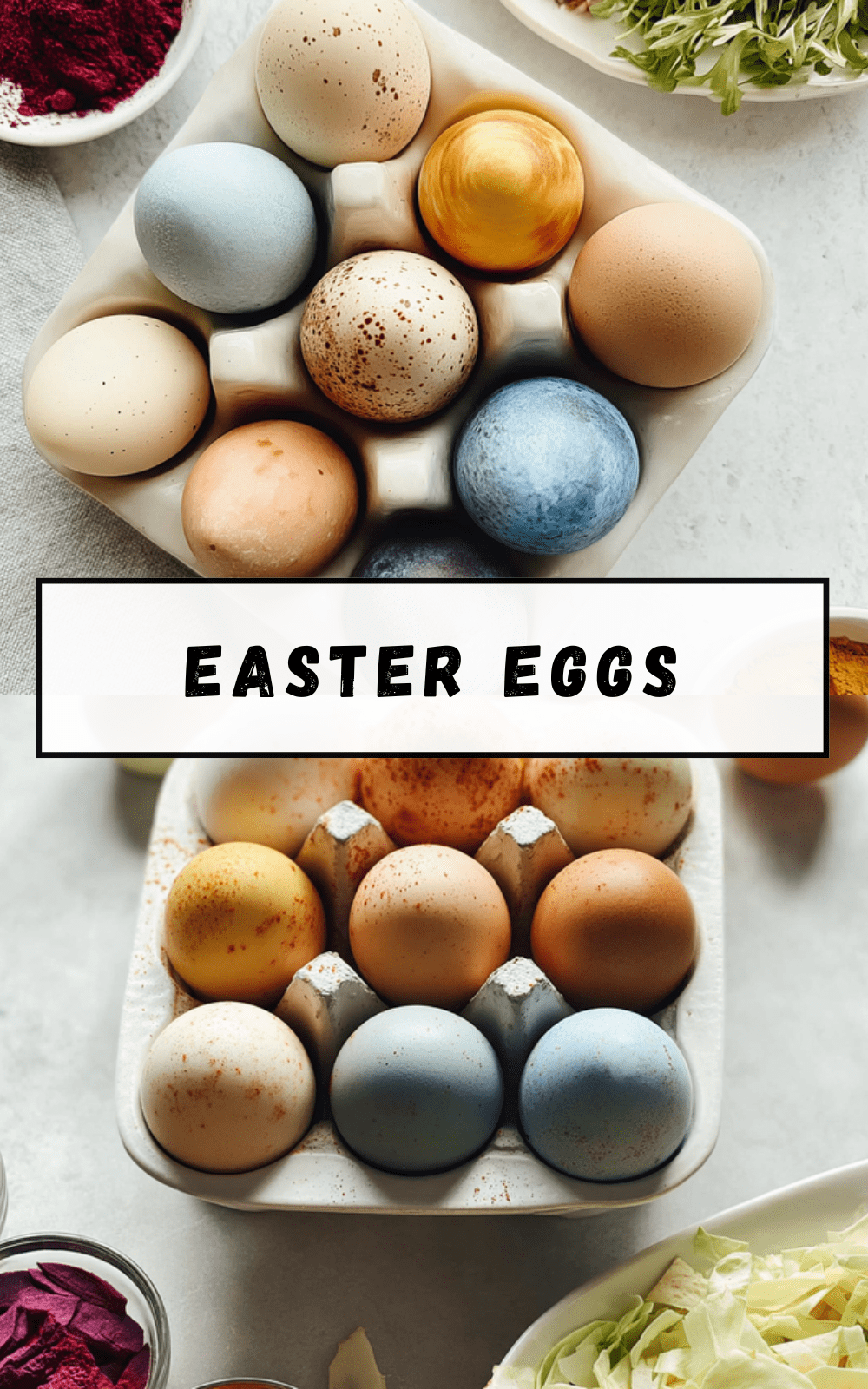
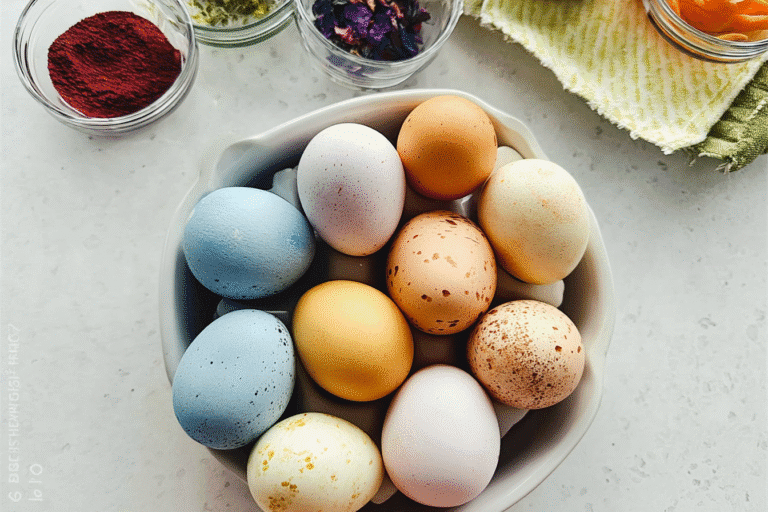
Making natural Easter egg dyes at home is simple and uses common kitchen ingredients. For yellow, use turmeric or lemon peels; for pink/red, try beets or cranberries; for blue, use red cabbage; for purple, combine blueberries with a little baking soda; and for brown, use coffee or black tea. To create the dye, boil 2 cups of water with 1-2 tablespoons of white vinegar and your chosen ingredient for about 15 minutes. Strain the liquid, let it cool, then soak your hard-boiled eggs in the dye for at least 30 minutes or overnight for deeper colors.
What are some creative ways to decorate Easter eggs without dye?
Decorating Easter eggs without dye offers many creative options. Try using washi tape in various patterns to create geometric designs. Use permanent markers or paint pens for detailed drawings. Apply stickers or temporary tattoos for quick decoration. Create texture by wrapping eggs in lace or string before spraying with paint. For a natural look, gently press small leaves or flowers against the egg and secure them with a piece of nylon stocking before boiling in water with onion skins for a botanical print. You can also use crayons to draw designs on warm eggs—the wax melts slightly, creating a unique resistant effect.
How long do hard-boiled Easter eggs last and how should they be stored?
Hard-boiled Easter eggs can be safely stored in the refrigerator for up to one week. Keep them in their original carton or in a covered container to prevent odor absorption and moisture loss. If the eggs have been out of refrigeration for more than two hours during an Easter egg hunt or display, they should be discarded rather than eaten. Always check eggs for signs of spoilage before consuming, including an off smell or unusual appearance. For decorated eggs, use food-safe dyes and materials if you plan to eat them, and avoid leaving them in direct sunlight which can cause them to spoil faster.
What are Easter eggs in video games and software?
In video games and software, Easter eggs are hidden features, messages, or inside jokes intentionally placed by developers for users to discover. These digital Easter eggs aren’t part of the main functionality or storyline but serve as fun surprises for attentive users. Examples include hidden menus, secret levels, developer names in unexpected places, or references to pop culture. The term originated in the late 1970s when Atari programmers included hidden messages in games. Finding Easter eggs has become a popular aspect of gaming culture, with communities dedicated to discovering and sharing these hidden gems across various software platforms and games.
Easter Eggs
📽️ Discover fascinating Easter eggs hidden in movies and games that reveal secret messages and features you might have missed.
🎮 Dive into the intriguing history and variety of these clever inclusions that add depth and fun to your favorite media experiences.
Ingredients
– 2 cups of water Used as the base for the dye solution
– 1-2 tablespoons of white vinegar Added to fix the dye on the eggs
– 1-2 tablespoons turmeric for yellow dye
– Lemon peels from 2-3 lemons for yellow dye
– 2 cups chopped beets for pink or red dye
– 2 cups cranberries fresh or frozen for pink or red dye
– 2 cups chopped red cabbage for blue dye
– 2 cups blueberries fresh or frozen for purple dye
– 1 teaspoon baking soda for purple dye modification
– 2-4 tablespoons coffee or black tea grounds or leaves for brown dye
– 6-12 hard-boiled eggs
Instructions
First Step: Gather and Prepare Materials Begin by assembling all ingredients and tools, ensuring eggs are hard-boiled for safety and ease. Place the 6-12 hard-boiled eggs in a bowl, while measuring out the 2 cups of water and 1-2 tablespoons of white vinegar for each dye batch. This initial phase sets the foundation for effective Easter Eggs creation, allowing customization based on available dietary options such as vegan substitutes.
Second Step: Create the Dye Solutions Boil the dye mixtures in separate pots, using ingredients like 1-2 tablespoons of turmeric for yellow or 2 cups of chopped beets for red. Each solution requires simmering for about 15 minutes with the water and vinegar, after which the liquid is strained and cooled. This step adapts to preferences, such as using lemon peels for a milder yellow, ensuring Easter Eggs remain versatile for different tastes.
Third Step: Soak the Eggs Submerge the hard-boiled eggs into the cooled dye solutions, allowing them to sit for at least 30 minutes or overnight for deeper colors. Monitor the process to achieve desired shades, adjusting based on dietary needs like low-calorie options by limiting additional ingredients. This method highlights Easter Eggs as both functional and artistic, drawing from traditions of hidden messages in media.
Fourth Step: Decorate and Dry Once removed from the dye, pat the eggs dry and add creative elements such as patterns from washi tape or drawings with markers, as alternative decoration methods. Ensure decorations align with Easter Eggs themes, considering how elements like natural dyes relate to historical practices in video games and films. For adaptations, use plant-based materials if preparing vegan versions, enhancing the eggs’ appeal for various audiences.
Final Step: Finish and Store Allow the decorated eggs to dry completely on a rack, then display or store them as needed for Easter activities. Incorporate final touches like arranging for an egg hunt, while ensuring all items are food-safe if consumption is planned. This completes the Easter Eggs process, linking back to the concept of hidden features in broader cultural contexts, such as those found in software from the 1970s. Here, the earliest known video game Easter egg from 1973 can inspire creative hiding spots. For more ideas, consider visiting our related content with a link to simple seasonal recipes that complement holiday traditions.
Last Step:
Please leave a rating and comment letting us know how you liked this recipe! This helps our business to thrive and continue providing free, high-quality recipes for you.Notes
🔍 Look closely and explore menus, corners, or codes to find unexpected hidden elements.
🎮 Research behind-the-scenes trivia for your favorite games or movies to uncover known Easter eggs.
📚 Keep up with fan communities online, which often share discoveries and interpretations of hidden secrets.
- Category: Media Insight
- Method: Research and Exploration
- Cuisine: N/A
- Diet: N/A






These Easter eggs look so fun to make! 😊 I love the idea of using natural dyes instead of food coloring to keep it healthier. Has anyone tried adding a bit of vanilla or almond extract to the mixture for a little extra flavor?